

Introduction
In the final days of February 2022, as the first missiles struck Kyiv and the geopolitical landscape of Europe was irrevocably altered, a different kind of mobilization began—one fueled not by munitions, but by the weight of the written word. On March 1, 2022, a coalition of more than 1,000 of the world’s most influential authors, including Nobel laureates and Booker Prize winners, issued a scathing open letter through PEN International. This document did more than merely express "concern"; it served as a moral indictment of President Vladimir Putin’s military aggression and a defiant declaration of solidarity with the people of Ukraine.
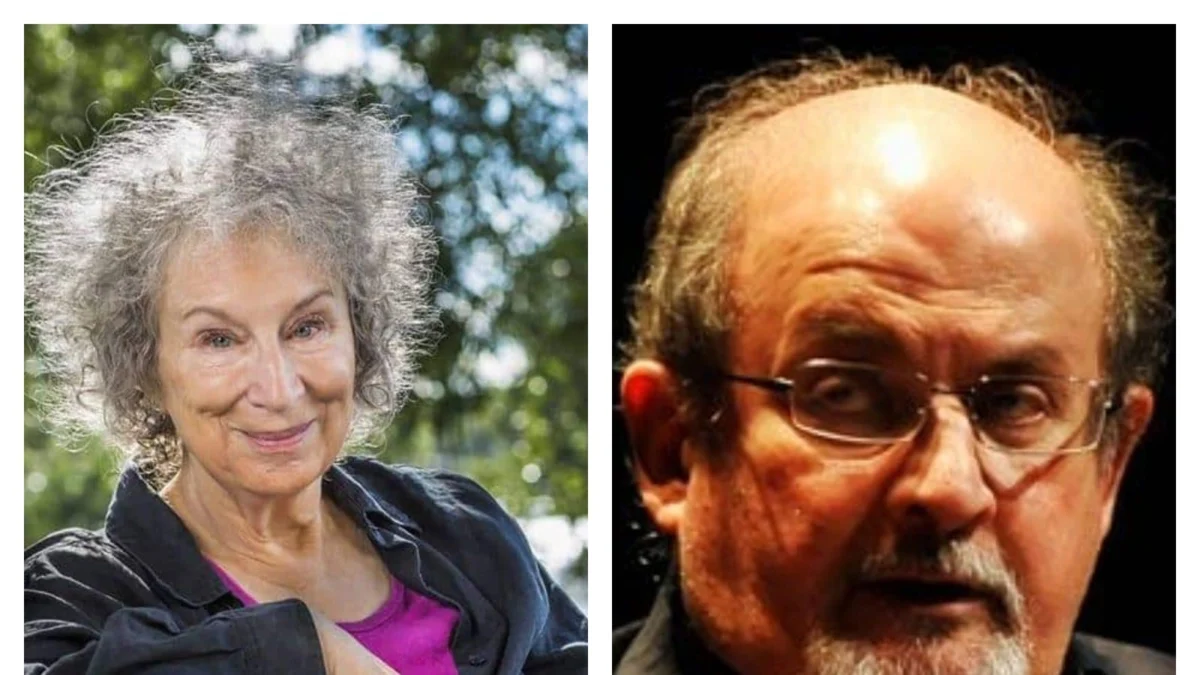
The letter, signed by literary titans such as Margaret Atwood, Salman Rushdie, and Orhan Pamuk, marked a watershed moment in the intersection of culture and conflict. It signaled that the global intelligentsia would not remain neutral observers as a sovereign nation’s right to self-determination was systematically dismantled.
Main Facts: A Global Mandate for Peace
The open letter, coordinated by PEN International—the world’s foremost association of writers—was released as Russian forces intensified their assault on major Ukrainian urban centers. The document was a rare display of near-unanimous consensus among the world’s most diverse literary voices.
Key Elements of the Letter
The letter articulated four primary grievances and demands:
- Condemnation of Violence: The signatories expressed they were “appalled by the violence unleashed by Russian forces,” characterizing the invasion as a "senseless war."
- Affirmation of Sovereignty: It explicitly rejected President Putin’s historical revisionism, stating that the war was waged because of a refusal to accept the rights of the Ukrainian people to "debate their future allegiance and history."
- Defense of Democratic Values: The letter framed the invasion not just as a regional conflict, but as a global "attack on democracy and freedom."
- A Call for Truth: The authors demanded an end to the "propaganda that is fueling the violence," emphasizing that a free Europe is impossible without a free and independent Ukraine.
The Power of the Signatories
The list of signatories read like a "Who’s Who" of 21st-century literature. It included:
- Nobel Laureates: Orhan Pamuk (Turkey), Svetlana Alexievich (Belarus), and Olga Tokarczuk (Poland).
- Booker Prize Winners: Margaret Atwood (Canada) and Salman Rushdie (UK/India).
- Contemporary Giants: Jonathan Franzen, Colm Tóibín, Elif Shafak, and Tsitsi Dangarembga.
The inclusion of Svetlana Alexievich was particularly poignant; as a Belarusian journalist and writer who has documented the soul of the "Red Man" and the trauma of the Soviet collapse, her signature carried the weight of someone who intimately understands the regional stakes.
Chronology: From Invasion to Intellectual Mobilization
To understand the urgency of this letter, one must look at the rapid escalation of events in late February and early March 2022.
- February 24, 2022: Russia launches a full-scale invasion of Ukraine. PEN Ukraine immediately issues an appeal to the international community, calling for the suspension of Russian cultural projects and a firm stance against the aggression.
- February 25–27, 2022: PEN centers across the globe—from PEN America to PEN Germany—begin drafting individual statements. The need for a unified, global "super-statement" becomes apparent to maximize international media impact.
- February 28, 2022: The drafting of the PEN International letter is finalized. Word spreads through literary networks, with hundreds of authors signing on within hours.
- March 1, 2022: The letter is officially published. At this point, the Russian military has reached the outskirts of Kyiv, and the city of Kharkiv is under heavy shelling. The letter serves as a morale booster for Ukrainian writers and journalists hunkered down in bomb shelters.
- Subsequent Weeks: The letter inspires further cultural boycotts, including the withdrawal of major Western publishers from the Russian market and the suspension of Russian participation in major literary festivals.
Supporting Data: The Role of PEN International and the Plight of Journalists
The mobilization was not just about "famous names." It was backed by the organizational infrastructure of PEN International, which has spent over a century defending freedom of expression.
The Scale of the Crisis
At the time of the letter’s release, the human cost was already staggering:
- Displacement: According to the UNHCR, by March 1, over 660,000 refugees had already fled Ukraine, a number that would eventually climb into the millions.
- Targeting of Journalists: The letter specifically mentioned solidarity with journalists. Within the first week of the war, reports began to emerge of journalists being targeted, kidnapped, or caught in crossfire, highlighting the "darkest hours" the letter referenced.
Historical Context of Literary Dissent
This was not the first time the literary world had united, but the scale was unprecedented. Historically, writers like George Orwell and Albert Camus used their platforms to oppose totalitarianism. However, the 2022 letter was unique in its speed and its global reach, facilitated by digital connectivity. It demonstrated that in the age of social media, the "republic of letters" could mobilize as quickly as a government.
Official Responses and Regional Impact
The reaction to the open letter was swift, though it varied significantly depending on the geography.
The Ukrainian Response
For the writers and artists of Ukraine, the letter was a vital sign that they had not been forgotten. PEN Ukraine President Andrei Kurkov, author of Death and the Penguin, noted that international solidarity was a crucial psychological defense against the feeling of isolation. The Ukrainian government, through its Ministry of Culture, echoed the letter’s sentiments, calling for a "total cultural sanction" against the Russian state.
The Russian Response
In Russia, the response was characterized by a crackdown. While the Kremlin largely ignored Western literary figures, it moved aggressively against domestic writers who shared the letter’s sentiments.
- The "Foreign Agent" Law: Shortly after the letter’s release, the Russian Duma passed laws making the spread of "fake news" about the military punishable by up to 15 years in prison.
- Internal Dissent: Despite the risks, over 600 Russian scientists and science journalists signed their own open letter against the war, echoing the spirit of the PEN International document. Many Russian writers, such as Dmitry Glukhovsky and Boris Akunin, were subsequently labeled "foreign agents" or forced into exile.
International Cultural Shifts
The letter catalyzed a broader movement. Major literary agencies began severing ties with Russian state-affiliated publishing houses. The Frankfurt Book Fair and the London Book Fair announced they would not host Russian national stands, citing the invasion as a violation of international law and human rights.
Implications: Soft Power and the Future of Cultural Diplomacy
The 1,000-author letter has long-term implications for how we view the role of art and literature in geopolitical crises.
1. The Death of Neutrality
For decades, the "ivory tower" was a place where writers could remain somewhat detached from the mechanics of war. This letter signaled the end of that era. By calling Putin’s war an "attack on democracy," the authors moved beyond humanitarian concern into political advocacy. This shift suggests that in future conflicts, cultural leaders will be expected to take a definitive side.
2. The Battle of Narratives
The letter directly addressed "propaganda." In the modern era, war is fought as much on the battlefield as it is in the information space. By lending their names—brands associated with truth-telling and moral clarity—these authors sought to puncture the Kremlin’s narrative of "denazification." The implication is that "Soft Power" is a necessary adjunct to "Hard Power."
3. The Risk of Cultural Erasure
One of the most complex implications of the letter was the subsequent debate over "canceling" Russian culture. While the letter condemned the Russian state, it sparked a wider conversation: Should Dostoevsky be removed from syllabi? Should Tchaikovsky be banned from concert halls? The signatories largely argued for a distinction between the Kremlin and the Russian people, but the fervor of the invasion made that nuance difficult to maintain in the public eye.
4. A Precedent for Global Solidarity
The 2022 PEN letter established a template for how the global intellectual community can respond to authoritarianism. It proved that 1,000 disparate voices—writing in dozens of languages and coming from vastly different political backgrounds—could find a common vocabulary of resistance.
Conclusion
When Margaret Atwood and Salman Rushdie signed their names to the PEN International letter on March 1, 2022, they were doing more than adding to a list. They were reinforcing the idea that the written word is the ultimate antithesis to the missile. As the letter concluded, "There can be no free and safe Europe without a free and independent Ukraine." Years later, that sentiment remains a cornerstone of the international community’s stance, proving that while wars are fought with steel, the framework for peace and justice is built with words.
