

The Indian automotive landscape is currently undergoing a seismic shift, one where the roar of internal combustion is being steadily replaced by the silent hum of electric motors. At the forefront of this transition is Tata Motors, a company that has moved beyond mere experimentation to establish a dominant foothold in the Electric Vehicle (EV) space. Their latest offering, the Tata Punch.ev, represents more than just another model in a growing portfolio; it is a manifestation of "quiet confidence." Eschewing the industry’s tendency toward over-the-top gimmicks and overwhelming tech-bloat, the Punch.ev focuses on a singular, pragmatic goal: delivering an electric experience that integrates seamlessly into the daily lives of the Indian middle class.
I. Main Facts: The Strategic Middle Ground
The Tata Punch.ev is positioned as the "Goldilocks" of Tata’s electric lineup. Strategically sandwiched between the entry-level Tiago.ev and the more premium, larger Nexon.ev, it addresses a critical gap in the market. Priced between ₹9.69 lakh and ₹12.59 lakh (ex-showroom), it targets the sweet spot of affordability and aspiration.
Key Specifications and Highlights:
- Architecture: The first vehicle built on the all-new acti.ev (Advanced Connected Tech-Intelligent Electric Vehicle) platform, a dedicated EV architecture.
- Performance: The Long Range variant produces approximately 130 PS (120 hp) and 154 Nm of peak torque.
- Battery Options: Offers two battery packs, with the 40 kWh unit serving as the flagship choice for versatility.
- Real-World Range: While ARAI figures are optimistic, the vehicle delivers a dependable 300–350 km in real-world urban and sub-urban conditions.
- Charging Capability: Supports up to 65 kW DC fast charging, allowing a 20% to 80% charge in approximately 30 minutes.
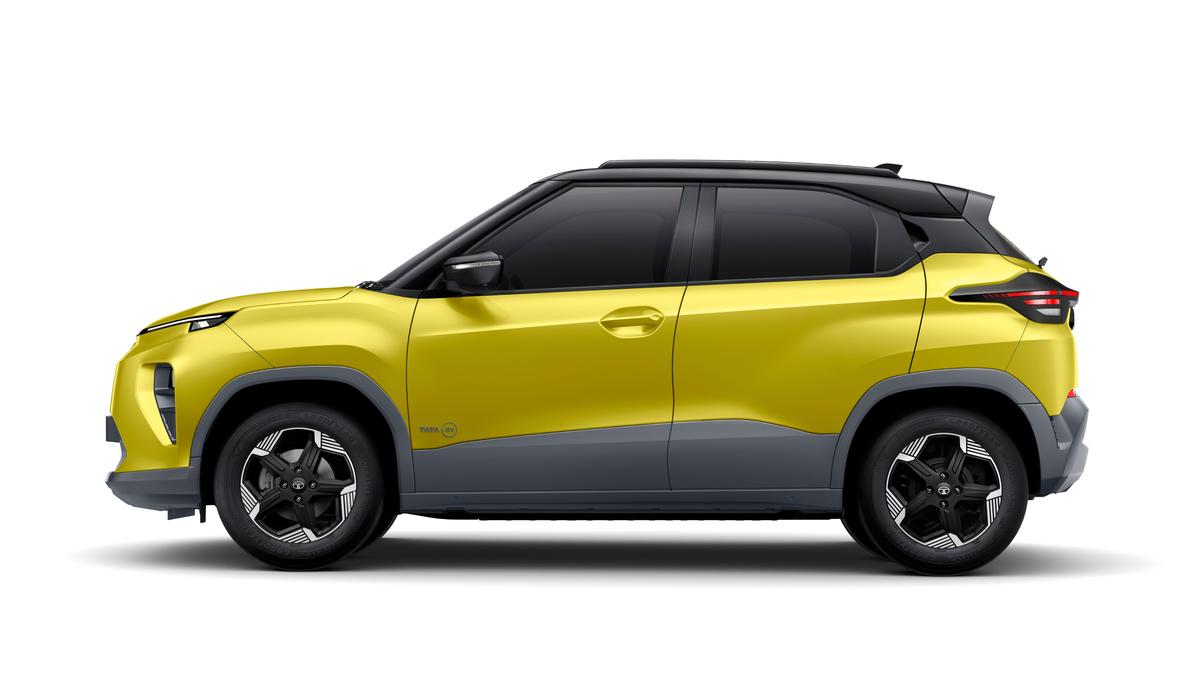
- Ground Clearance: Maintains a rugged 195 mm, ensuring it retains its "SUV" credentials despite the floor-mounted battery pack.
The Punch.ev does not attempt to redefine the laws of physics. Instead, it refines the parameters of the urban commute, offering a package that feels mature, stable, and, above all, usable.
II. Chronology: From Conversion to Dedicated Platform
To understand the significance of the Punch.ev, one must look at the timeline of Tata Motors’ EV journey.
- The ICE-Conversion Era (2020–2022): Tata’s initial success with the Nexon EV and Tigor EV relied on converting existing Internal Combustion Engine (ICE) platforms. While successful, these models faced limitations in terms of floor space, battery packaging, and weight distribution.
- The Identification of the Micro-SUV Gap (2023): With the ICE version of the Tata Punch becoming one of the best-selling cars in India, the company identified a massive demand for a vehicle that offered high seating, rugged looks, and a compact footprint.
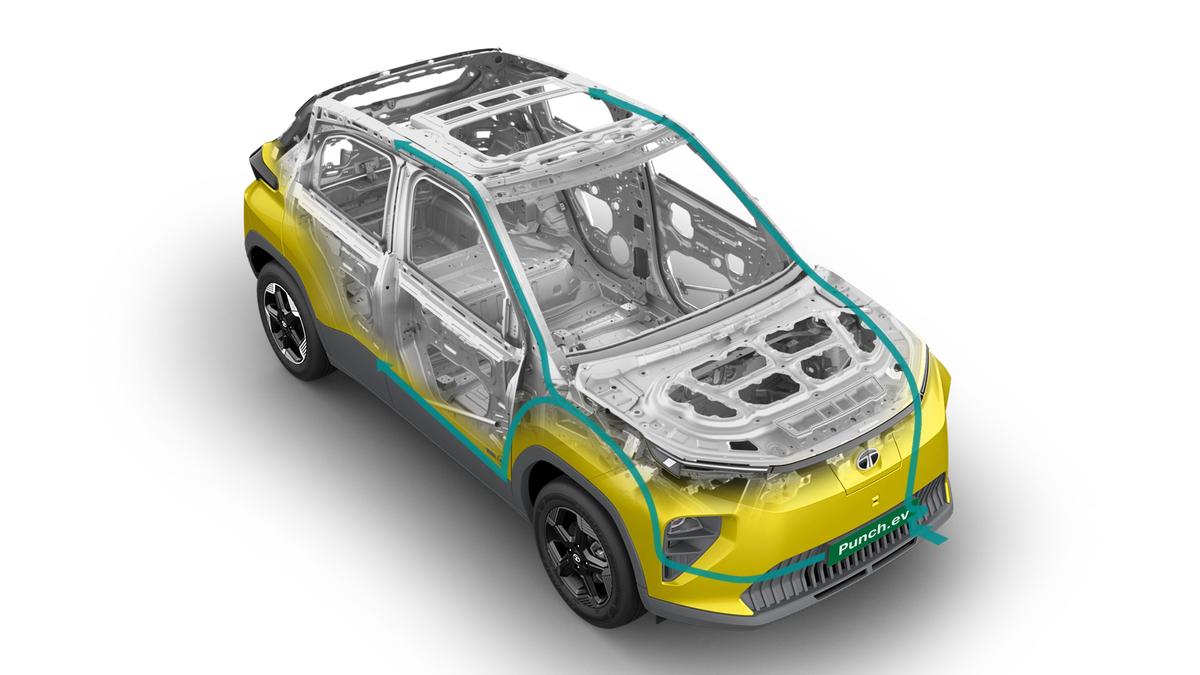
- The Launch of acti.ev (2024): The Punch.ev marks a chronological milestone as the debutant for the acti.ev platform. Unlike its predecessors, which were adapted, the Punch.ev was engineered from the ground up to be electric. This allowed for better cabin packaging, a flat rear floor, and optimized crash structures specifically for battery protection.
- Current Market Positioning: Launched in a period of increasing charging infrastructure and rising fuel costs, the Punch.ev represents the "Phase 2" of Tata’s electrification strategy—moving from "early adopter" tech to "mass-market" necessity.
III. Supporting Data: Performance, Engineering, and Efficiency
The true merit of the Punch.ev is found in the data derived from its performance on the road. It is a vehicle designed for the "stop-go" reality of Indian metropolitan traffic.
Powertrain and Driving Dynamics
The immediacy of the electric motor is most evident in the 0–60 km/h sprint. In urban conditions, this responsiveness makes the vehicle feel significantly punchier than its 130 PS figure might suggest. However, the engineering team has focused heavily on throttle mapping. Unlike some budget EVs that suffer from "on-off" jerky acceleration, the Punch.ev features a progressive throttle. This predictability is crucial for drivers transitioning from petrol or diesel vehicles, reducing the learning curve associated with regenerative braking and instant torque.
The Battery and Range Reality
The 40 kWh battery pack is the heart of the vehicle’s long-range aspirations. While the ARAI (Automotive Research Association of India) certification suggests a much higher range, the empirical data points to a consistent 300–350 km window.
- Efficiency under Load: Even with the air conditioning—a major power drain in Indian summers—operating at full capacity, the battery management system (BMS) maintains a high level of efficiency.
- The 15-Minute Rule: Data shows that for many EV owners, "range anxiety" is solved not by total capacity, but by charging speed. The Punch.ev’s ability to add 130 km of range in just 15 minutes via a DC fast charger transforms it from a "city-only" car to a viable option for inter-city weekend trips.
Ride, Handling, and Safety Data
The acti.ev platform places the battery weight low and central, lowering the center of gravity compared to the ICE Punch. This results in a "planted" character.
- Suspension Tuning: The ride is composed, though slightly firm to compensate for the added weight of the batteries.
- Safety Suite: Beyond the structural integrity Tata is known for, the Punch.ev includes Electronic Stability Control (ESC) and traction management as standard. In low-grip situations—common during the Indian monsoon—the front-driven layout is managed by software that prevents wheel-spin, ensuring a neutral handling balance.
IV. Official Context and Manufacturer Philosophy
While official statements from Tata Motors emphasize "democratizing green mobility," the design and execution of the Punch.ev reveal a deeper corporate philosophy. Tata Motors has realized that the Indian consumer is value-conscious but feature-hungry.
The Interior Experience
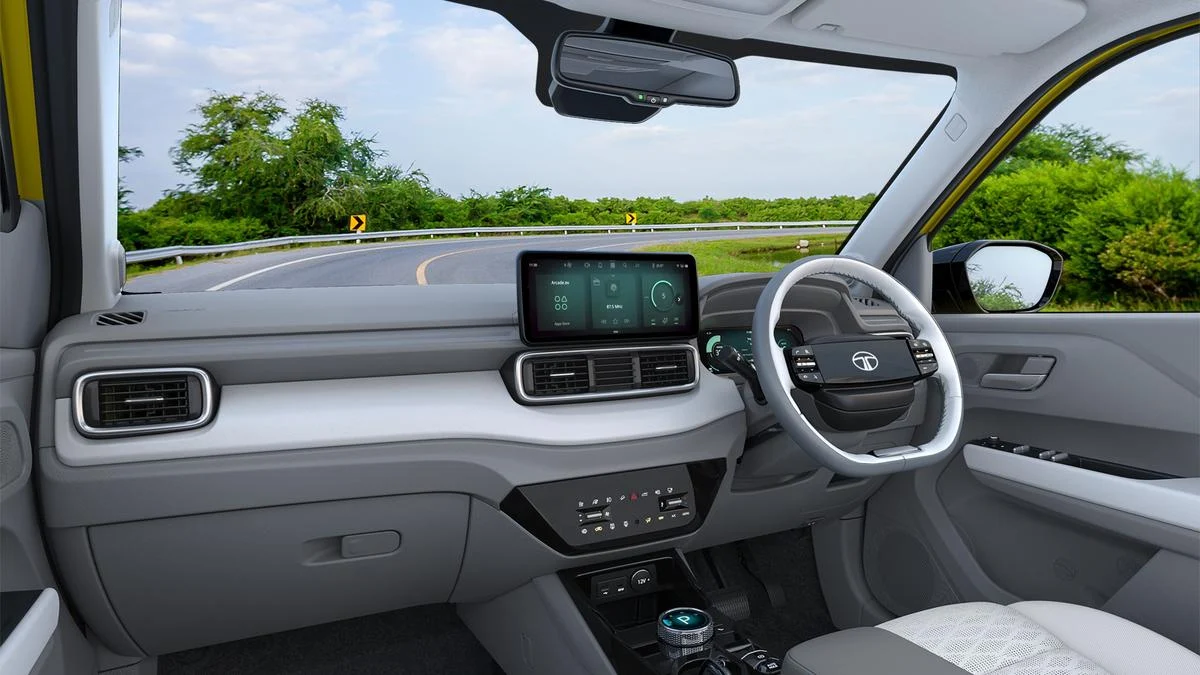
The cabin reflects a move toward a "digital-first" approach. The inclusion of a 10.25-inch touchscreen and a matching digital instrument cluster puts the Punch.ev on par with vehicles two segments above it.
- Official Feature Integration: Tata has integrated wireless Android Auto and Apple CarPlay, recognizing that seamless smartphone integration is now a non-negotiable requirement for the modern car buyer.
- Premium Touches: The addition of ventilated seats is a strategic masterstroke, addressing the specific climatic needs of the Indian subcontinent—a feature rarely seen in this price bracket.
Cost-Benefit Analysis in Design
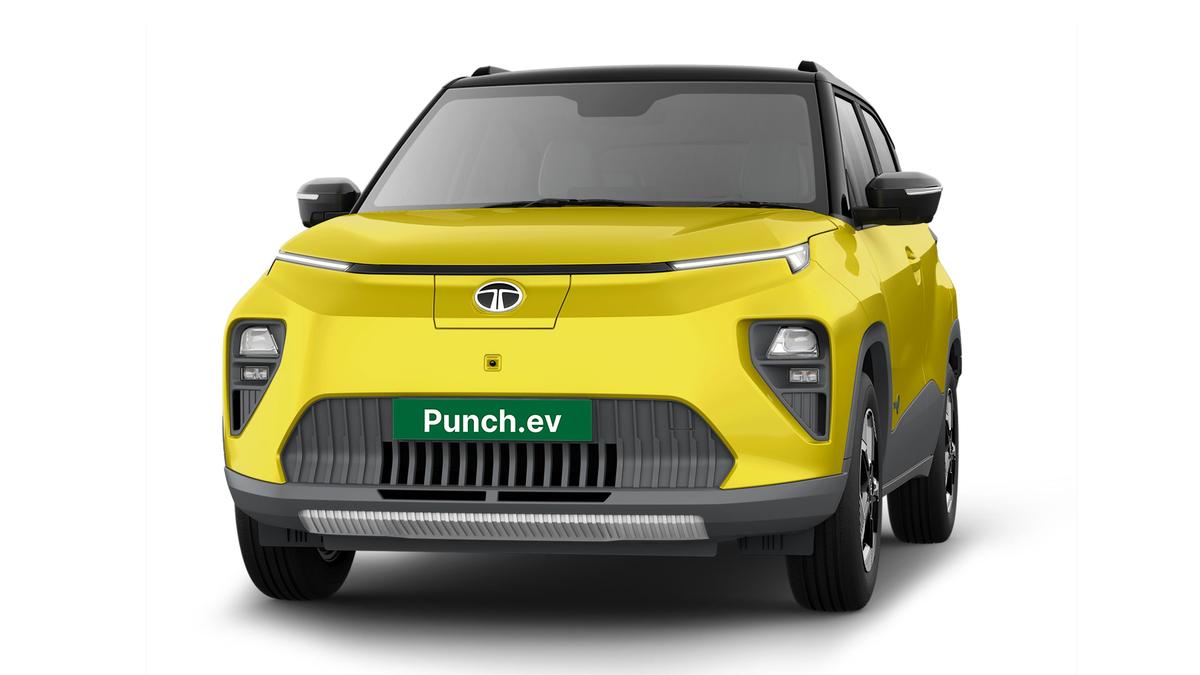
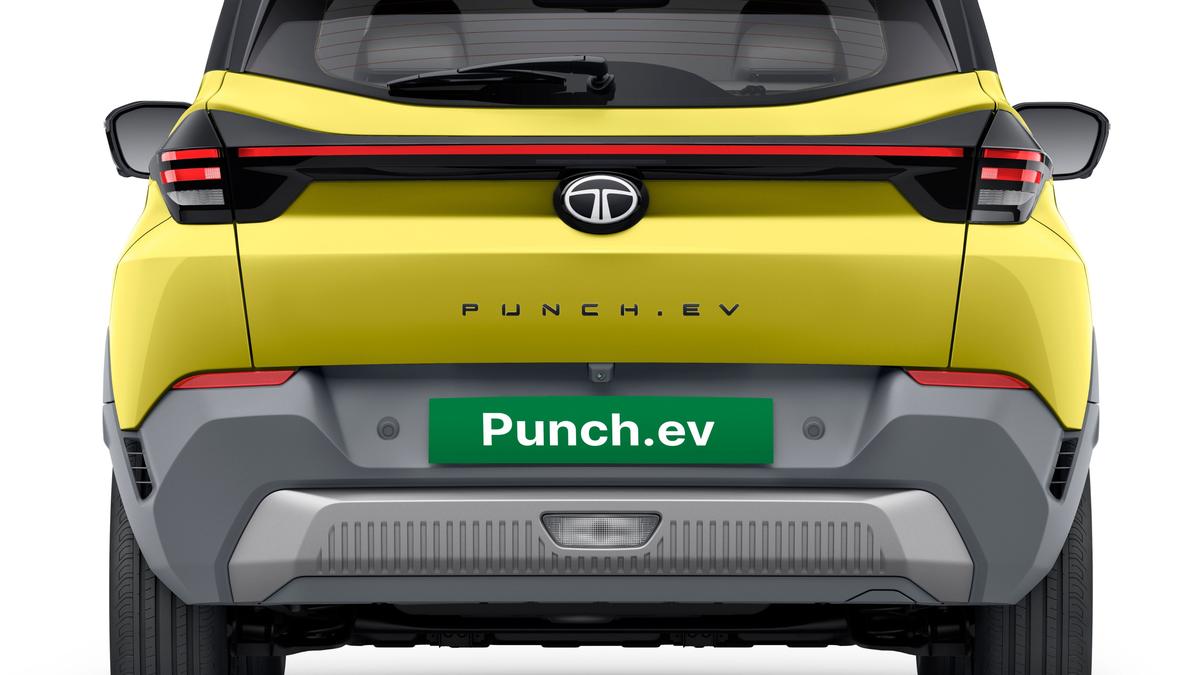
Tata’s official design direction for the "ev" sub-brand involves cleaner lines and "smart" aesthetics. The revised front end with its signature LED light bar serves a dual purpose: it improves aerodynamics (essential for range) and creates a distinct visual identity that separates the EV from its ICE counterpart. However, the company has been pragmatic regarding costs. The use of harder plastics on door cards and lower dash areas allows them to keep the entry price below the ₹10 lakh mark, ensuring the vehicle remains accessible to a broader demographic.
V. Implications: What the Punch.ev Means for the Future
The arrival of the Tata Punch.ev has several far-reaching implications for the Indian automotive industry and the global transition to sustainable transport.
1. The Death of the "Second Car" Stigma
For years, EVs in India were viewed as "second cars"—toys for the wealthy or short-distance city runabouts. With a real-world range of 300+ km and fast-charging capabilities, the Punch.ev is positioning itself as a primary vehicle for many households. It provides enough range for a week of commuting on a single charge, or a trip from Mumbai to Pune and back with minimal downtime.
2. Setting a New Benchmark for Entry-Level EVs
The Punch.ev raises the bar for what consumers expect at the ₹10–12 lakh price point. Competitors will now be forced to offer dedicated EV platforms, better software integration, and faster charging speeds to stay relevant. The "conversion" model is likely nearing its end as consumers demand the packaging benefits of a dedicated EV chassis.
3. Urban Infrastructure Pressure
As the Punch.ev makes EV ownership "attainable and practical," the volume of these vehicles on the road will increase exponentially. This will put significant pressure on urban infrastructure. The success of this vehicle is intrinsically linked to the continued expansion of the charging grid, particularly in apartment complexes and public parking spaces.
4. Ruggedness Meets Sustainability
By maintaining a 195 mm ground clearance and impressive water-wading capabilities, Tata is proving that "going green" does not mean "going soft." The Punch.ev retains the ruggedness required for Indian road conditions—potholes, unpaved shoulders, and monsoon flooding—thereby removing one of the final psychological barriers to EV adoption.
Conclusion
The Tata Punch.ev is not a car of superlatives; it is not the fastest, the most luxurious, or the longest-range EV on the planet. However, it is perhaps one of the most important cars in the current market. By focusing on "eliminating friction"—making it easier to drive, faster to charge, and simpler to own—Tata Motors has created a vehicle that fits into the existing rhythms of life rather than forcing the user to adapt to the car.
At a price point of ₹9.69 lakh to ₹12.59 lakh, it represents a well-judged, practical, and highly relevant choice. It is a testament to the fact that the future of mobility in India will not be won by those with the flashiest tech, but by those who can best translate complex technology into a dependable, everyday tool. The "quiet confidence" of the Punch.ev may very well be the loudest statement in the Indian EV industry this year.
This report was compiled in association with Motorscribes and The Hindu, providing deep-dive insights into the evolving landscape of Indian motoring.
