

The Indian automotive landscape is currently undergoing a tectonic shift, moving away from the rhythmic chug of internal combustion engines toward the silent, instantaneous torque of electric motors. At the heart of this transition is Tata Motors, a company that has effectively cornered over 70% of the domestic electric vehicle (EV) market. Their latest offering, the Tata Punch.ev, represents more than just a new model; it is a strategic masterstroke designed to bridge the gap between entry-level city commuters and premium long-range cruisers.
With a starting price of ₹9.69 lakh, the Punch.ev is not merely trying to dazzle consumers with futuristic gimmicks. Instead, it focuses on a "quiet confidence," delivering a driving experience that feels mature, predictable, and, above all, usable. This article explores the technical nuances, market positioning, and real-world implications of the vehicle that aims to make EVs a household staple in India.
Main Facts: The Architecture of a Modern EV
The Tata Punch.ev is the first product to be built on the company’s dedicated ‘acti.ev’ (Advanced Connected Tech Intelligent Electric Vehicle) platform. Unlike its predecessor, the Tigor EV, which was a conversion of an existing internal combustion engine (ICE) frame, the acti.ev architecture is a "born electric" platform. This allows for better packaging, a flat floor, and optimized battery placement.
Key Specifications at a Glance:
- Battery Options: 25 kWh (Medium Range) and 35/40 kWh (Long Range).
- Performance: Approximately 130 PS and 154 Nm of torque (Long Range variant).
- Acceleration: 0 to 100 km/h in under 9.5 seconds (Long Range).
- Ground Clearance: A segment-leading 190-195 mm.
- Price Range: ₹9.69 lakh to ₹12.59 lakh (ex-showroom).
The vehicle is positioned precisely between the Tiago.ev—the affordable hatchback—and the Nexon.ev—the premium sub-compact SUV. By occupying this "sweet spot," Tata Motors is targeting the vast demographic of urban professionals and small families who require the ruggedness of an SUV with the efficiency of an electric drivetrain.
Chronology: The Evolution of Tata’s Electric Ambitions
To understand the significance of the Punch.ev, one must look at the timeline of Tata Motors’ EV journey.
- The Nexon EV Era (2020): Tata proved that EVs could be aspirational and practical in India. The Nexon EV became the benchmark for the industry.
- The Tiago.ev Launch (2022): This was the "mass-market" moment. It brought the price of EV ownership down to the sub-10 lakh category, making electric mobility accessible to first-time car buyers.
- The Introduction of acti.ev (2024): The launch of the Punch.ev marked the debut of Tata’s second-generation EV architecture. This move signaled a shift from "adapting" to "innovating," allowing for higher energy density and faster charging capabilities.
The Punch.ev is the culmination of these years of data collection and consumer feedback. Tata has learned that Indian buyers value high ground clearance for monsoon-flooded roads, strong air conditioning for tropical summers, and a perceived "bigness" that provides a sense of safety and status.
Supporting Data: Performance, Range, and Charging Dynamics
The true test of an EV lies in its ability to handle the rigors of daily life without inducing "range anxiety." The Punch.ev addresses this through a combination of hardware efficiency and software calibration.
Real-World Range vs. ARAI Claims
While the Automotive Research Association of India (ARAI) figures often provide an optimistic view of range, the Punch.ev delivers a grounded performance. In the 40 kWh Long Range variant, the ARAI-certified range exceeds 420 km. However, in real-world urban conditions—factoring in heavy traffic, regenerative braking, and constant air conditioning—the vehicle consistently delivers between 300 km and 350 km.
For the average Indian commuter, who travels roughly 30–50 km a day, this translates to charging the vehicle only once a week. This "usable" range is a critical psychological threshold for many buyers transitioning from petrol or diesel.
The Charging Ecosystem
One of the most significant upgrades in the Punch.ev is its charging compatibility. The vehicle supports DC fast charging up to 65 kW.
- 20% to 80% Charge: Approximately 30 minutes under ideal conditions.
- Emergency Range: A quick 15-minute "splash and dash" can add up to 130 km of range, making spontaneous inter-city trips more feasible.
Furthermore, the inclusion of adjustable regenerative braking levels (controlled via paddle shifters) allows drivers to maximize energy recovery. In heavy stop-go traffic, "Level 3" regeneration allows for near-one-pedal driving, which not only preserves the brake pads but also feeds significant energy back into the battery.
Official Strategy: Tata Motors’ Vision for the Sub-Compact Segment
Tata Motors has been vocal about its "multi-generational" EV strategy. By introducing the acti.ev platform, the company is preparing for a future where vehicles are software-defined.
Official statements from the brand emphasize that the Punch.ev is designed to be "uncompromising." Unlike earlier EVs that sacrificed boot space or cabin room to accommodate battery packs, the Punch.ev offers a 366-litre boot and a "frunk" (front trunk) for small items like charging cables.
The company’s focus on safety is also a cornerstone of its official response to market demands. The Punch.ev comes equipped with:
- Six airbags as standard.
- Electronic Stability Control (ESC) and Traction Control.
- A 360-degree camera system with high-resolution output, specifically designed for tight urban parking.
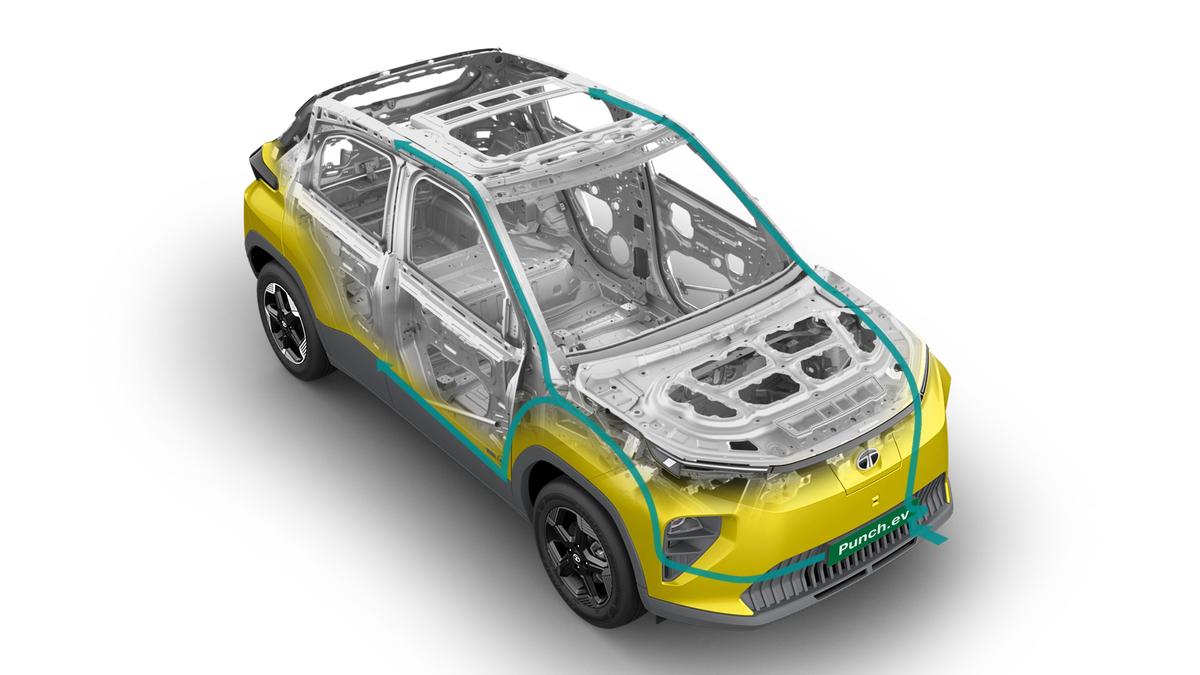
- A reinforced structure that aligns with Tata’s history of achieving 5-star safety ratings in Global NCAP tests.
Design and Ergonomics: Blending Ruggedness with Tech
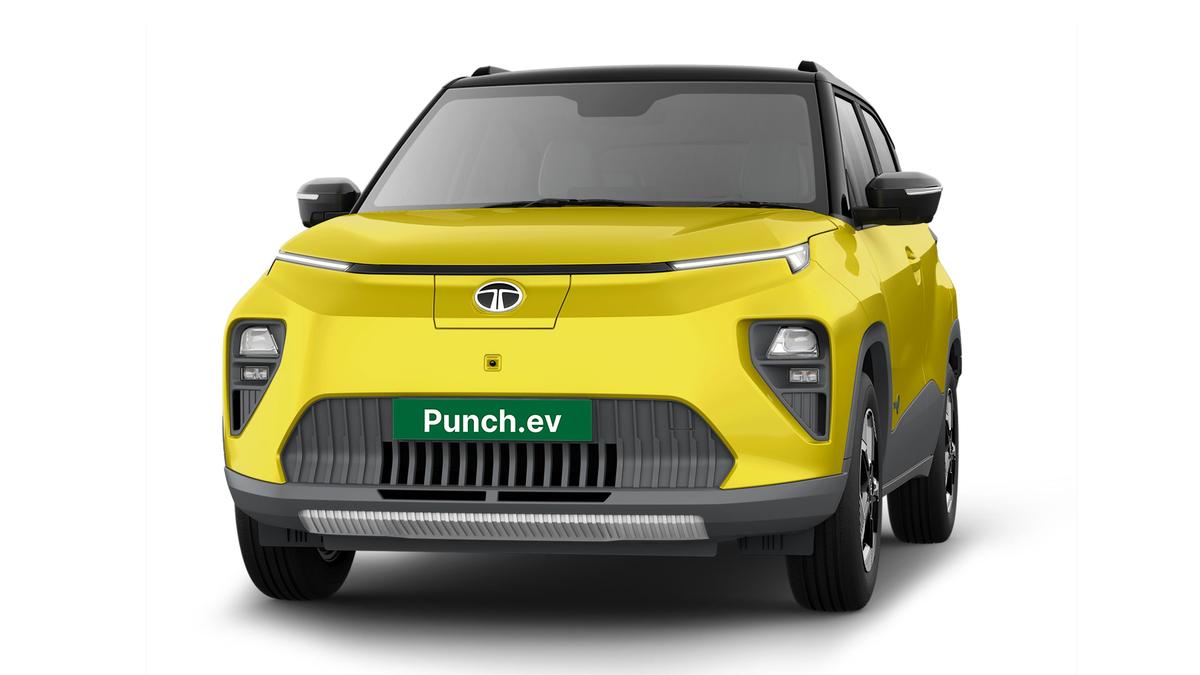
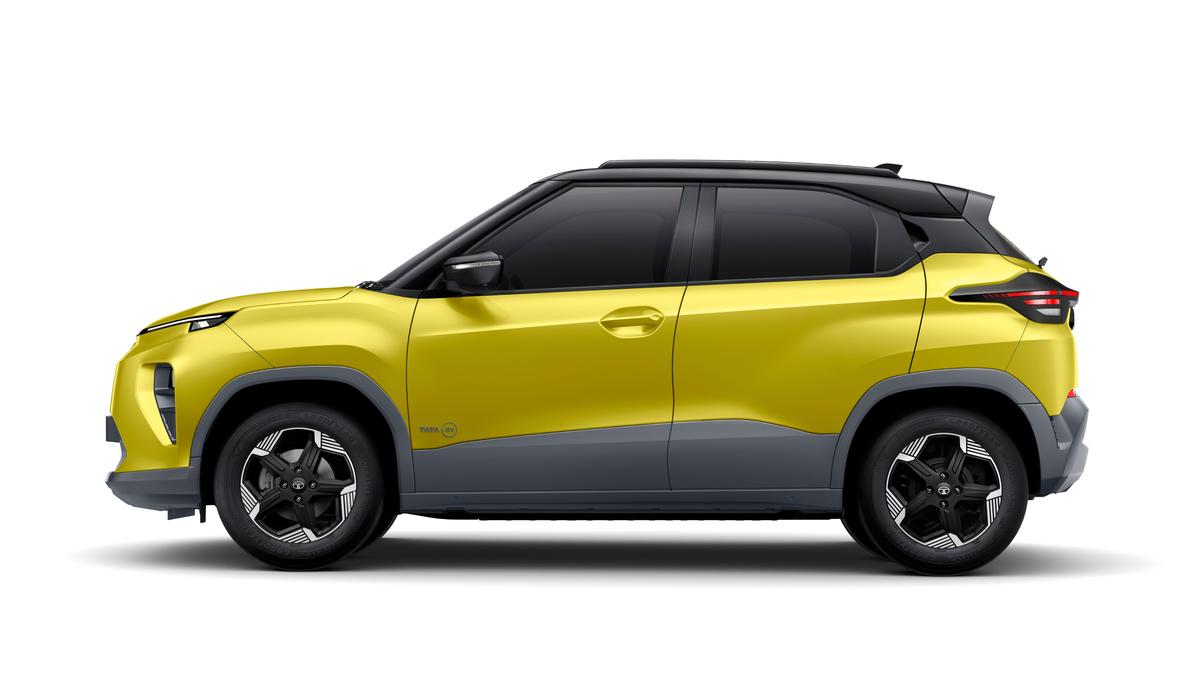
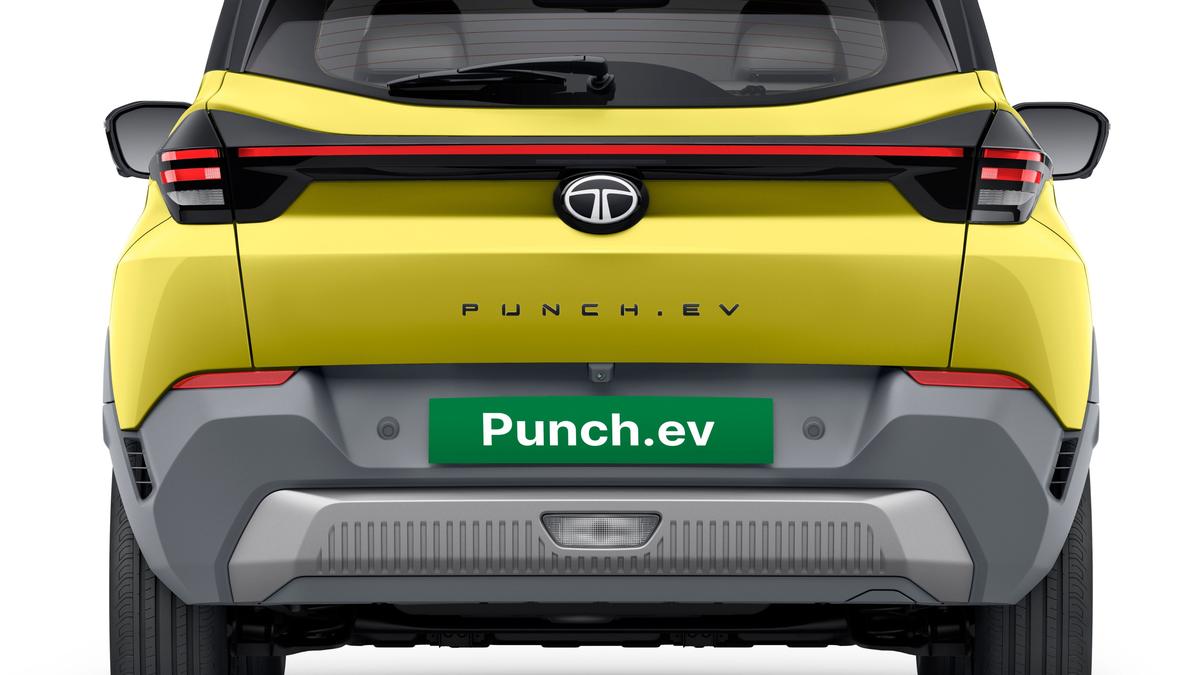
Visually, the Punch.ev is an evolution of the "Punch" brand. It retains the muscular, upright stance that made the ICE version a bestseller but adds "Electric" flair. The closed-off grille, full-width LED light bar, and aero-designed alloy wheels give it a contemporary, clean aesthetic.
Interior Sophistication
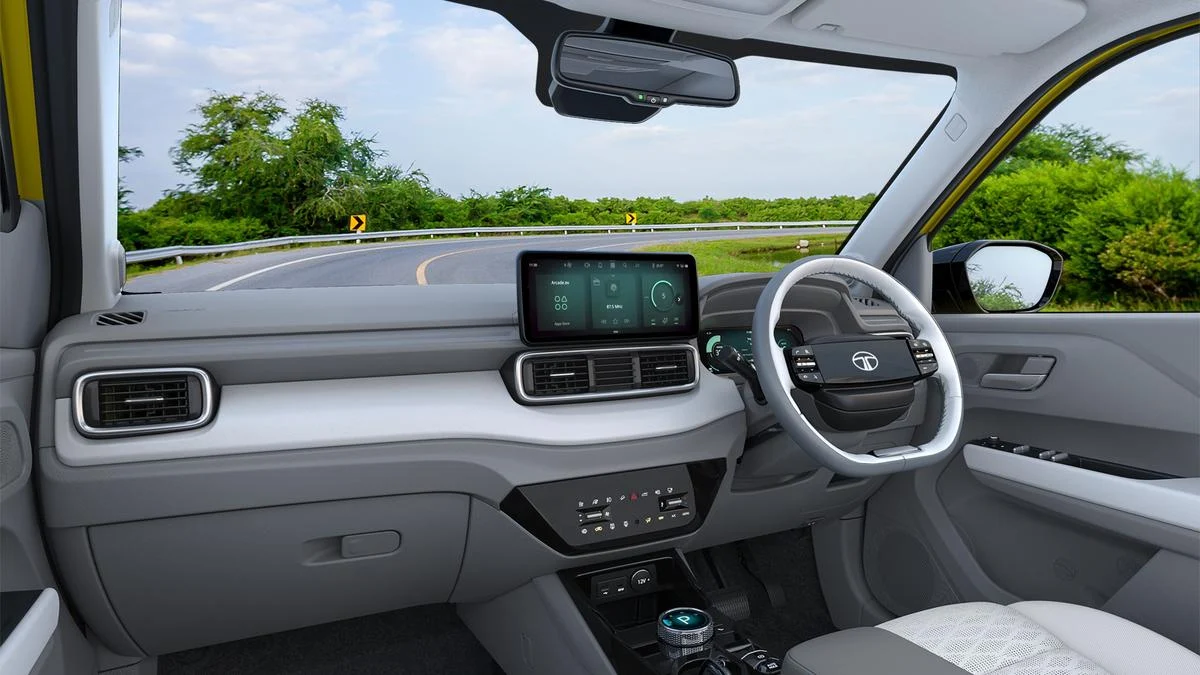
Inside, the cabin is a significant step up from the budget hatchback segment. The dual 10.25-inch screens—one for infotainment and one for the digital instrument cluster—create a high-tech cockpit feel.
- Connectivity: Wireless Android Auto and Apple CarPlay work seamlessly, reducing cable clutter.
- Comfort: The inclusion of ventilated front seats is a standout feature in this price bracket, addressing the specific needs of the Indian climate.
- Material Quality: While the design is visually rich with layered textures, there are areas where cost-cutting is evident. Hard plastics on the door pads and lower dashboard suggest that the vehicle is still built to a price point, though the overall fit and finish are notably tighter than in previous Tata models.
Market Implications: Setting the Standard for Entry-Level EVs
The arrival of the Tata Punch.ev has significant implications for the broader Indian automotive market.
1. Pressure on Competitors
The Punch.ev puts immense pressure on rivals like the Citroen eC3 and the MG Comet/Windsor. By offering a more comprehensive package—higher ground clearance, better safety tech, and a more robust charging network—Tata has set a high bar for what a sub-15 lakh EV should offer.
2. The "Second Car" Phenomenon
The Punch.ev is increasingly being viewed as the perfect "second car" for affluent households. While a large SUV or luxury sedan might be used for long-distance travel, the Punch.ev is becoming the preferred choice for school runs, office commutes, and grocery trips due to its low running costs (estimated at less than ₹1 per km).
3. Infrastructure Growth
As more Punch.ev units hit the road, the demand for charging infrastructure will grow. Tata Power’s aggressive expansion of its "EZ Charge" network ensures that Punch.ev owners have a safety net, further solidifying Tata’s ecosystem advantage.
Conclusion: A Practical Path to the Future
The Tata Punch.ev does not attempt to reinvent the wheel. It does not offer "ludicrous modes" or autonomous driving suites that are impractical for Indian roads. Instead, it offers a refined, predictable, and robust driving experience.
It succeeds because it addresses the friction points of EV ownership—range, charging speed, and safety—while maintaining the rugged charm of a sub-compact SUV. While there is room for improvement in interior material quality, the Punch.ev stands as a testament to how far electric mobility has come in India. It is a car that doesn’t just ask you to "go green"; it makes a compelling case that going green is the most sensible, comfortable, and cost-effective way to navigate the modern Indian city.
Price: ₹9.69 lakh to ₹12.59 lakh (ex-showroom)
Motorscribes, in association with The Hindu, brings you the latest in cars and bikes. Follow them on Instagram on @motorscribes for more updates on the evolving world of mobility.
