

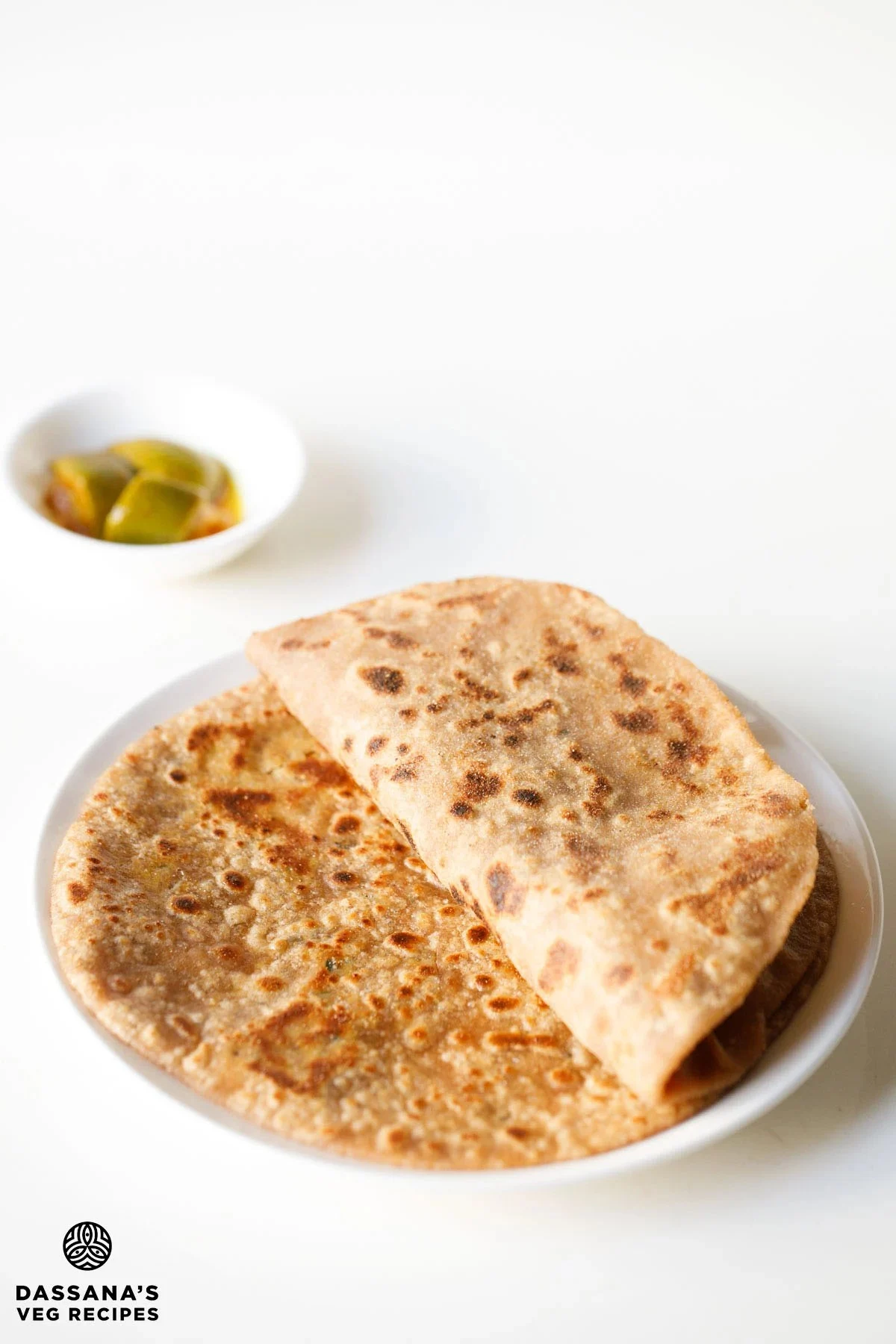
PATNA, BIHAR – In the diverse tapestry of Indian gastronomy, few ingredients possess the humble origins and extraordinary resilience of sattu. Once relegated to the kitchens of rural Bihar, Jharkhand, and Eastern Uttar Pradesh as a "poor man’s protein," the sattu paratha has undergone a significant cultural promotion. Today, this traditional stuffed flatbread is being recognized by nutritionists and culinary experts alike as a premier "superfood," blending ancient wisdom with the demands of modern, fast-paced lifestyles.

As global food trends shift toward plant-based proteins and sustainable eating, the sattu paratha stands out not just for its complex flavor profile—characterized by the pungency of mustard oil and the tang of North Indian pickles—but for its remarkable efficiency. Unlike other stuffed breads that require extensive preparation, sattu paratha offers a "no-cook" filling that serves as a testament to the ingenuity of the Indian heartland.

1. Main Facts: The Anatomy of a Regional Staple
Sattu paratha is a whole-wheat flatbread stuffed with a seasoned mixture of roasted black chickpea flour (sattu). While parathas are ubiquitous across South Asia, the sattu variant is distinct due to its unique filling and the specific aromatic agents used in its preparation.

The Core Ingredient: Sattu
Sattu is produced by dry-roasting black chickpeas (Kala Chana or Bengal gram) in sand, which are then ground into a fine flour along with their nutrient-rich skins. This roasting process is crucial; it imparts a nutty aroma and ensures the flour is "pre-cooked," making it easily digestible and ready for consumption without further heating.

The Flavor Profile
The authentic taste of a Bihari sattu paratha is derived from four non-negotiable components:

- Mustard Oil: Provides a sharp, pungent undertone.
- Pickle Masala: Specifically the oil and spices from a matured North Indian mango pickle (Aam ka Achar).
- Nigella Seeds (Kalonji): Adds a subtle onion-like aroma.
- Carom Seeds (Ajwain): Aids digestion and provides a slight herbal bitterness.
Versatility and Shelf Life
A primary reason for the sattu paratha’s enduring popularity is its stability. Because the filling is dry and the sattu itself is roasted, these parathas can withstand travel in tropical climates for up to 24 hours without spoiling, especially if onions are omitted from the recipe.

2. Chronology: From Ancient Sustenance to Modern Superfood
The history of sattu is intertwined with the socio-economic evolution of the Indo-Gangetic plains.

- Ancient Roots: Historical records suggest that roasted gram flour was a staple for travelers and monks in ancient India. Its high satiety index made it ideal for those embarking on long journeys where fresh cooking was impossible.
- The Laborer’s Fuel: For centuries, farmers and manual laborers in Bihar relied on sattu for its cooling properties. Mixed with water as a drink (Sattu Sharbat) or stuffed into dough, it provided sustained energy through grueling afternoons.
- The 20th Century Diaspora: As people from Bihar and Uttar Pradesh migrated across India and overseas for work, they took sattu with them. The sattu paratha transitioned from a rural necessity to a nostalgic comfort food found in urban lunchboxes from Delhi to Mumbai.
- The 21st Century "Superfood" Rebrand: Around 2015, as the wellness industry began seeking alternatives to processed protein powders, sattu was "rediscovered." Dietitians began praising its low glycemic index and high fiber content, leading to its inclusion in gourmet menus and health-conscious households.
3. The Culinary Process: A Masterclass in Technique
Crafting the perfect sattu paratha is a two-stage process involving the preparation of a supple dough and a vibrant, crumbly filling.

Stage I: The Dough
The foundation is a simple whole wheat dough. Two cups of flour are combined with a pinch of salt and a teaspoon of oil. Water is added gradually to create a soft, pliable texture. A critical step often overlooked is the "rest period"—letting the dough sit for 20 to 30 minutes allows the gluten to relax, ensuring the paratha doesn’t tear during the stuffing process.

Stage II: The "Soul" of the Paratha (The Filling)
The filling is where the complexity lies. One cup of sattu (approximately 130 grams) is mixed with:

- Aromatics: Finely chopped onions, ginger, garlic, and green chilies.
- Herbs: Fresh coriander leaves.
- Spices: Salt, red chili powder, and the essential ajwain and kalonji.
- The Binding Agents: This is where the recipe deviates from other parathas. Instead of a paste, the mixture is kept crumbly. A tablespoon or two of water is sprinkled in, just enough so that the mixture holds its shape when pressed between fingers. The inclusion of mango pickle masala and raw mustard oil provides the "kick" that defines the dish.
Stage III: Stuffing and Roasting
Culinary traditions offer two methods for stuffing:

- The Easy Method: Rolling a small circle, brushing it with oil, and sealing the filling inside like a parcel.
- The Traditional Method: Shaping the dough into a cup or bowl by hand, filling it, and pinching the top—a technique that requires dexterity to ensure an even distribution of the sattu.
The paratha is then rolled into an 8-inch disc and roasted on a hot tawa (griddle). High heat is essential to achieve the characteristic golden-brown spots while keeping the interior moist.

4. Supporting Data: Nutritional Profile and Variations
According to nutritional analysis, a single serving of sattu paratha (approximately one-eighth of a standard batch) contains roughly 119 calories. However, the raw numbers do not tell the full story of its health benefits.

Nutritional Breakdown (Per Serving):
- Protein: While the data shows 0.4g per small serving, when consumed as a full meal (2-3 parathas), the protein intake from the Bengal gram becomes significant for a vegetarian diet.
- Fiber: High levels of insoluble fiber aid in gut health and prevent constipation.
- Micronutrients: Sattu is rich in iron, manganese, and magnesium.
- Sodium: 350mg (primarily from the added pickle masala and salt).
Regional Variations
- The Traveler’s Version: Onions and garlic are removed to prevent fermentation and spoilage during long-haul train journeys.
- The Festival Version: Often served during Chhath Puja or other regional festivals, where the use of rock salt (sendha namak) replaces common salt.
- The Modern Twist: Health cafes are now experimenting by adding grated beetroot or spinach to the dough to further enhance the nutrient density.
5. Official and Expert Perspectives
Nutritionists emphasize that sattu is a "cooling" food. Dr. Anjali Sharma, a clinical nutritionist, notes, "Sattu has a low glycemic index, making it an excellent choice for diabetics. The roasting process breaks down complex starches, making the protein more bioavailable than in raw flour."

From a culinary standpoint, Chef Ranveer Brar and other prominent Indian chefs have frequently highlighted sattu as one of India’s most undervalued ingredients. They point to the "complexity of simplicity" in the sattu paratha—how a handful of dry ingredients can create a meal that is satisfying both palletably and biologically.

Furthermore, the Bihar state government has occasionally promoted sattu-based products in regional food festivals to support local farmers, recognizing the crop’s drought-resistant nature as a boon for sustainable agriculture in the face of climate change.

6. Implications: The Future of Sattu in Global Cuisine
The rise of the sattu paratha has broader implications for food security and the global "Clean Label" movement.

Economic Impact
As demand for sattu grows beyond Bihar, local grinding units and farmers specializing in Bengal gram are seeing increased market access. The commercialization of pre-packaged "Sattu Paratha Mix" has allowed the dish to enter the convenience food market, appealing to busy professionals who want traditional flavors without the prep time.

Environmental Sustainability
Chickpeas (the source of sattu) are nitrogen-fixing crops that require significantly less water than wheat or rice. Promoting sattu-based diets aligns with global goals to reduce the environmental footprint of our food systems.

The "Lunchbox" Revolution
For parents, the sattu paratha solves the perennial "soggy lunch" problem. Unlike Aloo Paratha (potato-stuffed), which can become soft and unappealing when cold, the sattu paratha maintains its structural integrity and flavor, making it a superior choice for school and office lunches.

Conclusion
The sattu paratha is more than just a recipe; it is a cultural artifact that has survived centuries of change. By combining the earthy, rustic flavors of roasted gram with the medicinal benefits of Indian spices, it offers a blueprint for the future of healthy eating. Whether served with a side of Baingan Chokha (mashed eggplant), a dollop of fresh curd, or a simple mango pickle, the sattu paratha remains a robust symbol of Bihari resilience and culinary brilliance. As it moves from the rural hearth to the global table, it carries with it the promise of a meal that is as kind to the body as it is to the soul.
