

PAHALGAM, JAMMU & KASHMIR — As the morning sun pierces through the lingering haze of Srinagar, the journey toward Pahalgam begins—a route that serves as both a literal passage through the heart of the Kashmir Valley and a metaphorical transition from the complexities of urban modernization to the fragile serenity of the Himalayas.
On a day where the winds of logistics and security blow in favor of the traveler, the 90-kilometer journey from the summer capital to the "Valley of Shepherds" takes approximately two and a half hours. However, as local veterans of these roads will attest, time in Kashmir is rarely a linear measurement; it is a variable dictated by traffic congestion, the movement of security convoys, and the ever-changing pulse of the region’s geopolitical climate.
Main Facts: The Intersection of Tradition and Commercialization
Pahalgam, historically a quiet retreat for nomadic shepherds and a base camp for the annual Amarnath Yatra, has transformed into a high-octane tourist hub. The current landscape of the town is characterized by a striking dichotomy: the raw, "ultramarine" beauty of the Lidder River and the increasing commercialization represented by "photo-op" attractions.
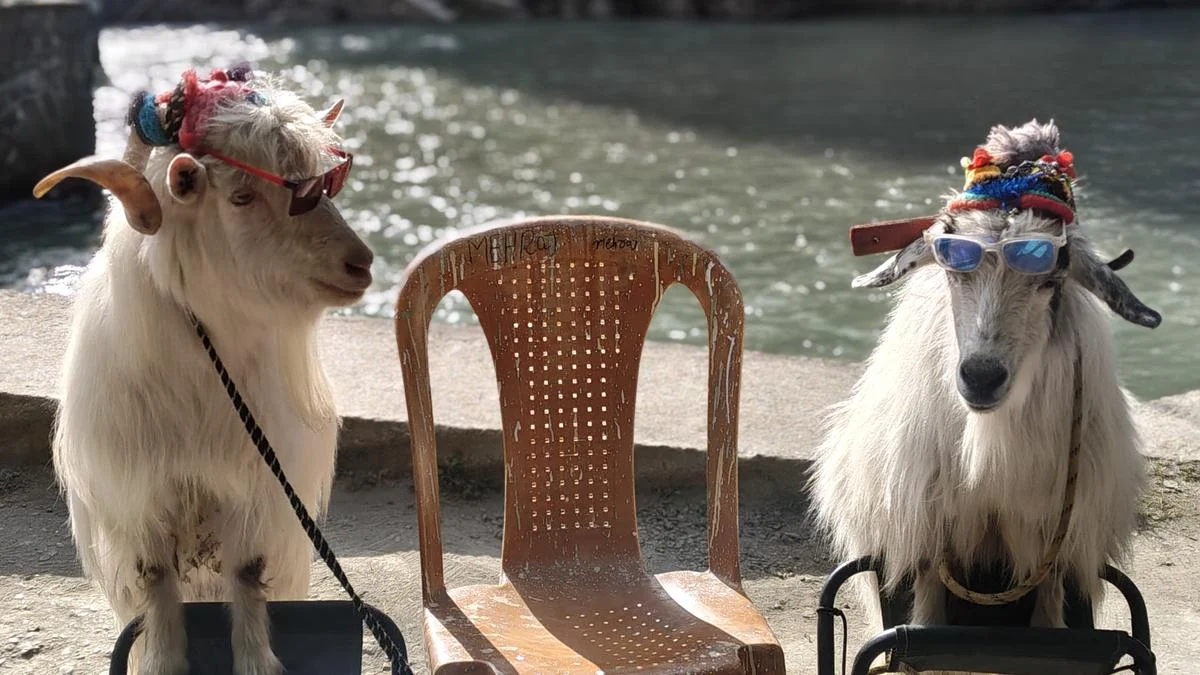
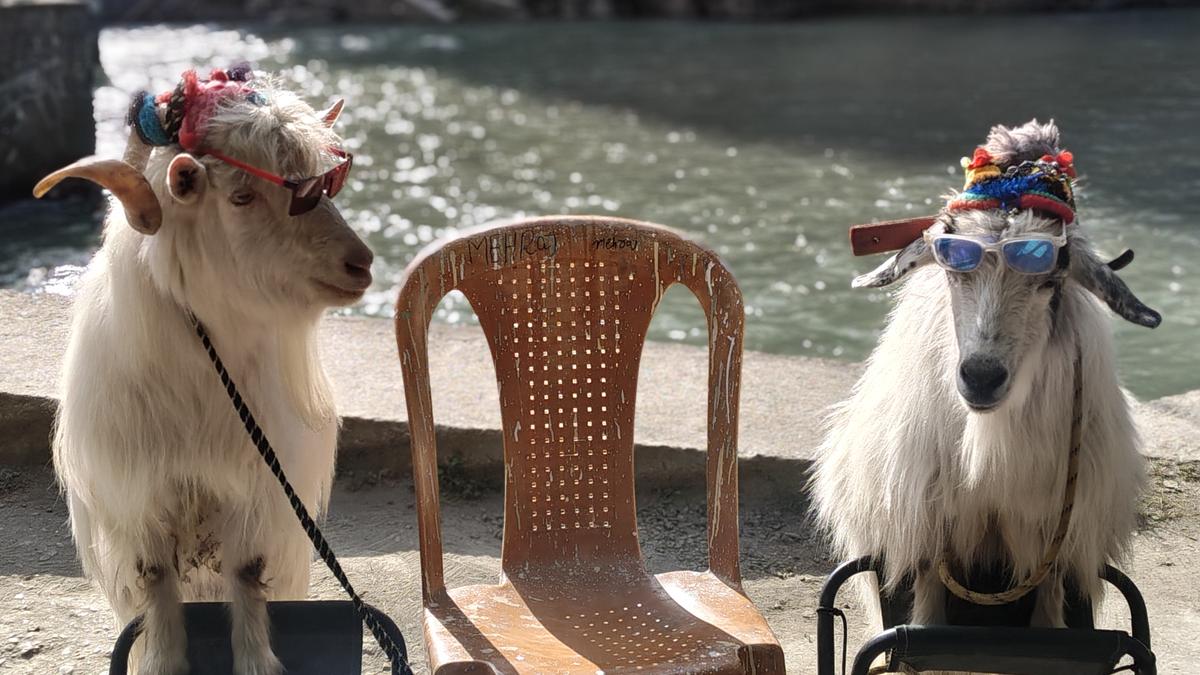
One of the most visible symbols of this shift is the presence of "dressed-up goats" at major tourist spots. These animals, adorned in colorful traditional embroidered fabrics and trinkets, have become a staple for domestic tourists seeking the perfect social media photograph. While these goats provide a niche livelihood for local handlers, they also represent the "overexposure" that modern tourism brings to ecologically sensitive zones.
The journey itself, as described by local drivers like Aishaq Hassan, remains a cornerstone of the Kashmiri experience. "Stare out the window," Hassan advises, his playlist of vintage Hindi cinema songs providing a nostalgic soundtrack to a landscape that is rapidly changing. His familiarity with the route is a testament to the thousands of drivers whose lives are inextricably linked to the highway—a lifeline that connects the polluted, bustling streets of Srinagar to the crisp, pine-scented air of the mountains.
Chronology of the Journey: From Urban Sprawl to Alpine Splendor
The transit from Srinagar to Pahalgam is a chronological study of Kashmir’s geography and history.
0–30 Minutes: The Urban Exit
Leaving Srinagar involves navigating the city’s increasingly congested arteries. The "polluted streets" mentioned by travelers are a byproduct of rapid urbanization and a surge in vehicular density over the last decade. As the city fades, the skyline shifts from concrete structures to the sprawling saffron fields of Pampore. Here, the history of the land as an agricultural powerhouse is evident, though even these fields now face the encroachment of commercial development.
60–90 Minutes: The Industrial and Agricultural Belt
Midway through the journey, the road passes through the "Apple Bowl" of India. Acres of apple orchards line the highway, their trees heavy with fruit in the late summer or skeletal and dramatic in the winter. Interspersed among these are the iconic Chinar trees, their "trunks thick as walls," standing as silent sentinels of the centuries. This segment of the trip is where the "Postcard from Kashmir" imagery, popularized by poet Agha Shahid Ali, becomes most tangible.
120–150 Minutes: The Ascent to Pahalgam
As the elevation increases, the air cools significantly. The grey mountains, speckled with perennial snow, loom closer. The final stretch follows the Lidder River, whose glacial waters provide the "ultramarine" hue that has inspired poets and painters for generations. The arrival in Pahalgam is marked by a sudden transition into a world of alpine meadows and dense fir forests, though the peace is often punctuated by the hum of tourist taxis and the calls of local vendors.
Supporting Data: Tourism and Infrastructure in Numbers
The resurgence of tourism in Jammu and Kashmir has reached unprecedented levels in the mid-2020s. According to data from the Department of Tourism, the region saw a record-breaking influx of over 20 million tourists in the previous calendar year, with Pahalgam being one of the top three most-visited destinations.
| Metric | Estimated Figure (Current Cycle) |
|---|---|
| Annual Tourist Footfall (Pahalgam) | 1.2 Million+ |
| Average Daily Vehicular Movement | 2,500 – 4,000 (Peak Season) |
| Livelihoods Dependent on Tourism | 70% of local population |
| Forest Cover Loss (Regional) | 1.5% annually due to infrastructure |
The infrastructure supporting this journey has seen significant investment. The expansion of the National Highway 44 and the development of bypasses have theoretically shortened travel times. However, the "clogging" of streets remains a persistent issue. The movement of security forces—essential for regional stability—often requires the temporary suspension of civilian traffic, adding an element of unpredictability to the two-and-a-half-hour estimate.
Furthermore, environmentalists have raised alarms regarding the water quality of the Jhelum and Lidder rivers. While the water may appear "clean" to the casual observer, rising levels of plastic waste and untreated sewage from the growing number of hotels in Pahalgam pose a long-term threat to the ecosystem.
Official Responses: Balancing Growth and Conservation
Government officials maintain that the development of the Srinagar-Pahalgam corridor is vital for the economic prosperity of the region. A senior official from the Jammu & Kashmir Tourism Development Corporation (JKTDC) commented on the current state of affairs:
"Our goal is to make Pahalgam a world-class sustainable destination. We recognize the challenges posed by traffic and the environmental footprint of millions of visitors. We are currently implementing a ‘Master Plan 2032’ which includes strict regulations on new constructions and the introduction of electric shuttle services within the main town to reduce pollution."
Regarding the "dressed-up goats" and other street-level tourist gimmicks, the official added, "While we encourage local entrepreneurship, we are working with animal welfare groups to ensure that these practices are humane and that they do not detract from the natural heritage of the region."
Local law enforcement also highlighted the logistical strain. "Managing the flow of tourists while ensuring the safety of the Amarnath Yatra and regular security movements is a delicate balancing act," stated a spokesperson for the regional traffic police. "We urge travelers to plan for delays and respect the protocols that are in place for everyone’s safety."
Implications: The "Overexposed" Beauty of the Valley
The reference to Agha Shahid Ali’s poetry in the context of modern travel highlights a profound concern: the loss of the "brilliant colours" and "clean waters" through overexposure. As Pahalgam becomes more accessible, it risks losing the very soul that made it a sanctuary.
Environmental Impact
The "crisp air" that travelers currently enjoy is under threat. The heavy reliance on diesel-powered SUVs for tourist transport contributes to a localized greenhouse effect, accelerating the melting of nearby glaciers like Kolahoi. The "ultramarine" waters are increasingly clouded by siltation from construction and waste.
Socio-Economic Shifts
The reliance on "photo-ops" like the dressed-up goats indicates a shift in the local economy. Traditional livelihoods—such as sustainable shepherding and artisanal crafts—are being overshadowed by the quick returns of the "Instagram economy." This creates a fragile economic structure that is entirely dependent on the whims of seasonal tourism and regional stability.
The Psychological Landscape
For the locals, like Aishaq Hassan, the road is more than a transit point; it is a workplace and a home. The "overfamiliarity" noted by travelers is often a coping mechanism—a way to bridge the gap between the local reality and the tourist’s fantasy. The songs he plays are a bridge to a past that felt more stable, even if that stability is viewed through the lens of nostalgia.
Conclusion
The journey to Pahalgam remains one of the most beautiful drives in the world, offering a sensory overload of sights, sounds, and scents. However, the 2026 reality of this route is one of transition. As the region grapples with the pressures of record-breaking tourism and the need for environmental preservation, the road ahead is as winding as the path along the Lidder.
For the traveler, the advice remains the same: stare out the window and take in the majesty of the Chinars and the mountains. But do so with the awareness that this "Paradise on Earth" requires more than just admiration—it requires a conscious effort to ensure that the colors remain brilliant and the waters remain clean for the generations of poets and travelers yet to come.
