

Introduction: A False Sense of Security
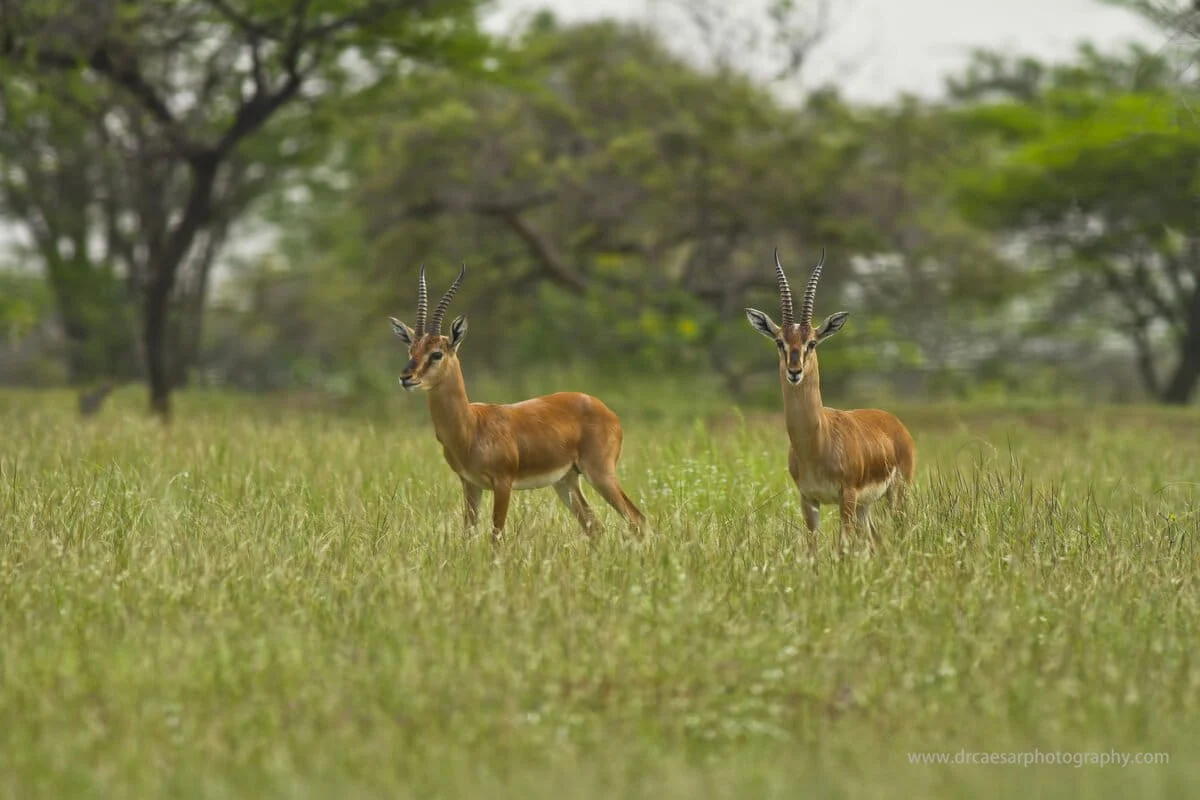
In the sprawling, sun-bleached drylands of the Indian subcontinent, the Indian gazelle, or chinkara (Gazella bennettii), has long been a symbol of resilience. With its slender frame and lyre-shaped horns, this desert-adapted ungulate is a common sight across the arid landscapes of eleven Indian states. Because it is currently listed as a species of "Least Concern" by the International Union for Conservation of Nature (IUCN) and is afforded the highest level of legal protection under Schedule I of India’s Wildlife Protection Act, a sense of quiet security has surrounded its conservation status.
However, a groundbreaking new study published in the Journal of Wildlife Management by researchers from the Zoological Survey of India (ZSI) has shattered this complacency. The research warns that the chinkara is standing on the precipice of a biodiversity emergency. According to the study’s projections, the combination of escalating global temperatures and shifting land-use patterns could result in the loss of nearly 90% of the species’ suitable habitat within the next five decades. What was once thought to be a secure population is now revealed to be highly vulnerable to the invisible, creeping hand of climate change.
Main Facts: The Scale of Projected Loss
The ZSI study utilizes sophisticated modeling to project the future of the chinkara under various climate scenarios. The most alarming findings emerge from the "worst-case" emissions pathway, known as RCP 8.5. This scenario assumes a "business-as-usual" approach to fossil fuel consumption, leading to a global temperature rise of 4°C or more by the end of the century.

Under RCP 8.5, the chinkara is projected to lose approximately 89% of its suitable habitat by the year 2070. When the researchers isolated climate change as the sole driver—removing human land-use variables from the equation—the projected habitat loss spiked to a staggering 96.5%. Even under the more optimistic RCP 2.6 scenario, which aligns with the Paris Agreement’s goal of limiting warming to 2°C, the species still faces severe habitat contraction.
"A loss of 89-96% of habitat within roughly 50 years represents a biodiversity emergency for this species in India," stated Amar Paul Singh, the study’s lead author. His warning underscores a critical shift in conservation thinking: a species does not need to be rare today to be at risk of extinction tomorrow.
Chronology and Methodology: Mapping Two Decades of Data
To reach these conclusions, the ZSI team undertook a comprehensive data-gathering mission. They compiled more than 200 verified chinkara records spanning the period between 2000 and 2022. These records were sourced from a variety of rigorous origins, including direct field surveys, peer-reviewed literature, and international biodiversity databases.
The methodology involved a multi-layered approach:
- Data Layering: The researchers took the 22 years of occurrence data and layered it against four critical variables: climate patterns, land-cover types, topographic features, and human-disturbance indices.
- Ensemble Modeling: To ensure the highest degree of accuracy and to eliminate the biases inherent in individual models, the team ran the data through an "ensemble" of seven different species-distribution models.
- Current Baseline: The models first established the current extent of suitable habitat, which totals approximately 195,733 square kilometers—an area roughly the size of the state of Gujarat.
- Future Projections: By applying the Representative Concentration Pathways (RCPs) for 2070, the researchers were able to visualize the dramatic retreat of the species’ range.
Currently, the chinkara roams across a vast swath of India, including Rajasthan, Gujarat, Maharashtra, Madhya Pradesh, Karnataka, and Andhra Pradesh. However, the chronology of the next 50 years suggests a rapid withdrawal from central and southern India, leaving the species clustered in a few remaining pockets in the northwest.

Supporting Data: Why Adaptation is Not a Shield
A common misconception in wildlife biology is that desert-adapted species are "climate-proof." Because the chinkara has evolved to survive in some of the harshest environments on Earth—capable of going weeks without drinking standing water and extracting moisture from desert plants, seeds, and fruits—it was assumed they could handle a warmer world. The ZSI study confronts this logic directly.
The Physiological Limit
The study clarifies that "desert-adapted" does not mean "limitless tolerance." Chinkaras thrive in moderately dry conditions, but extreme aridity pushes them past their physiological and ecological breaking points.
The Ecological Domino Effect
The threat is not just the heat itself, but what the heat does to the ecosystem. As aridity increases:
- Vegetation Stress: The desert plants that provide the chinkara with both food and hydration become severely stressed or die off.
- Nutritional Decline: The quality and quantity of available forage decline, leading to indirect pressure on the species.
- Water-Bearing Vegetation: For a chinkara to survive without standing water, it requires "functioning, water-bearing vegetation." Without this, the animal’s primary mechanism for survival in the desert is neutralized.
The models indicate that climate change dictates over 70% of the habitat suitability. Shifts in seasonal precipitation and rising mean temperatures are far more damaging to the chinkara than direct human development or agriculture, though the latter acts as a compounding stressor.
Official and Expert Responses: The Conflict of "Green" Interests
While the ZSI study provides the macro-view of the crisis, local experts point to immediate, ground-level threats that could accelerate the chinkara’s decline. One of the most significant ironies identified is the conflict between renewable energy goals and wildlife conservation.

The Solar Energy Dilemma
Rajasthan, identified by the study as a potential "climate refugia" where the chinkara might make its last stand, is also the heart of India’s solar energy revolution. Sumit Dookia, a wildlife researcher with over 20 years of experience in the region, notes that large-scale solar parks are being constructed directly within chinkara habitats.
"These renewable energy parks are altering the existing habitat," Dookia explained. "Such landscape-level fenced parks are going to become inaccessible to wildlife, fragmenting the very areas we expect will be their future strongholds."
The "Wasteland" Misnomer
Dookia and other conservationists have raised concerns about the Indian government’s classification of grasslands and scrub forests as "wastelands." This official designation makes it easier for these lands to be diverted for industrial or energy projects. Expert consensus suggests an urgent need for a national "Grassland Policy" that recognizes these areas as high-biodiversity refuges rather than empty space.
Irrigation and Invasive Threats
The expansion of the Indira Gandhi Canal Project has also transformed the northwestern landscape. While irrigation brings agriculture, it eliminates the fallow periods and open spaces required for chinkara movement. Additionally, the rise of free-ranging dog populations and the spread of invasive tree species like Prosopis juliflora are creating immediate pressures that climate models may not fully capture.
Implications: Beyond the Individual Species
The potential collapse of the chinkara range is not merely a tragedy for a single species; it has systemic implications for India’s broader ecological goals.

The Cheetah Connection
India’s ambitious project to reintroduce the cheetah depends heavily on the availability of a robust prey base. The chinkara is a primary prey species for large predators in arid landscapes. If chinkara populations crash due to habitat loss, the long-term viability of the cheetah reintroduction project and the health of the entire desert food web will be jeopardized.
The Role of Community Guardians
In the face of these daunting projections, the study highlights a glimmer of hope: the Bishnoi community of Rajasthan. For generations, the Bishnoi have acted as informal but highly effective guardians of the chinkara, viewing the protection of the animal as a religious and moral duty.
"Populations near Bishnoi villages are notably healthier and denser," said Amar Paul Singh. As the species’ range contracts toward the northwest, the cultural stewardship of the Bishnoi will become an "ecologically significant" buffer against extinction.
The Path Forward: Four Priorities for Conservation
The ZSI study concludes with a roadmap for policy change to prevent the projected 89-96% habitat loss from becoming a reality. The authors and independent experts outline four interconnected priorities:
- Enhanced Population Monitoring: Strengthening census and health monitoring across the current 11-state range to identify "early warning" population dips.
- Proactive Protection in Central India: Prioritizing the protection of existing habitats in Maharashtra, Madhya Pradesh, and the Deccan Plateau before they are lost to land-use change.
- Wildlife Corridors: Establishing and protecting corridors that allow chinkaras to migrate from deteriorating habitats in the south and center toward the projected climate refugia in the northwest.
- Grassland Policy Reform: Moving away from the "wasteland" classification and creating a legal framework that protects open natural ecosystems (ONEs) as critical biodiversity zones.
The chinkara has survived in the desert for millennia, but it cannot survive the disappearance of the desert itself. As the ZSI study makes clear, the "Least Concern" label is a relic of the past; the future of the Indian gazelle depends on our ability to act before the map of its existence shrinks into nothingness.
