

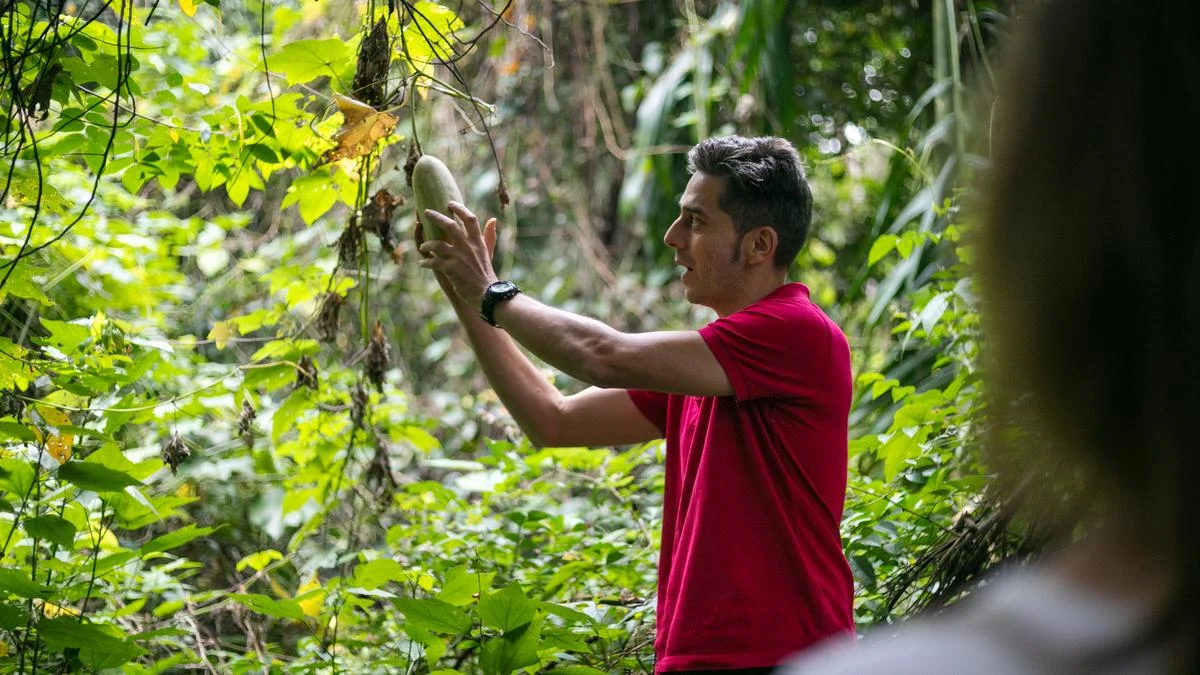
As the mercury climbs and the tropical sun bakes the laterite soil of the Konkan coast into a deep rust-red, a peculiar and fleeting ritual takes hold of Goa. It is a season defined not by the monsoon rains, but by the heady, saccharine aroma of ripening cashew apples. In the villages of South Goa—specifically within the verdant belts of Quepem and Canacona—the arrival of April and May signals the commencement of the Urrak season.
Often described as the nectar of the Goan summer, Urrak is the first distillate of fermented cashew juice. While its more potent cousin, Feni, enjoys year-round global recognition and a Geographical Indication (GI) tag, Urrak remains a local, ephemeral treasure. It is a drink that demands to be consumed fresh, often shared through the barter of re-used glass bottles and celebrated with the fervent proclamation: “This is the best Urrak you’ll taste this year.”

Main Facts: Defining the First Distillate
Urrak occupies a unique position in the world of spirits. Unlike commercial liquors that aim for consistency through industrial processes, Urrak is a product of pure terroir. It is the initial result of distilling the fermented juice of the cashew apple (Anacardium occidentale).
Technically, the production of cashew spirits in Goa is a two-stage process. The first distillation yields Urrak, which typically possesses an alcohol by volume (ABV) of 12% to 15%. Because it is only distilled once, it retains a high concentration of the fruit’s original characteristics—a cloudy appearance, a cooling effect on the palate, and a pungent, fruity bouquet. If this liquid is distilled a second time, it becomes Feni, a much stronger spirit with an ABV hovering around 40% to 45%.
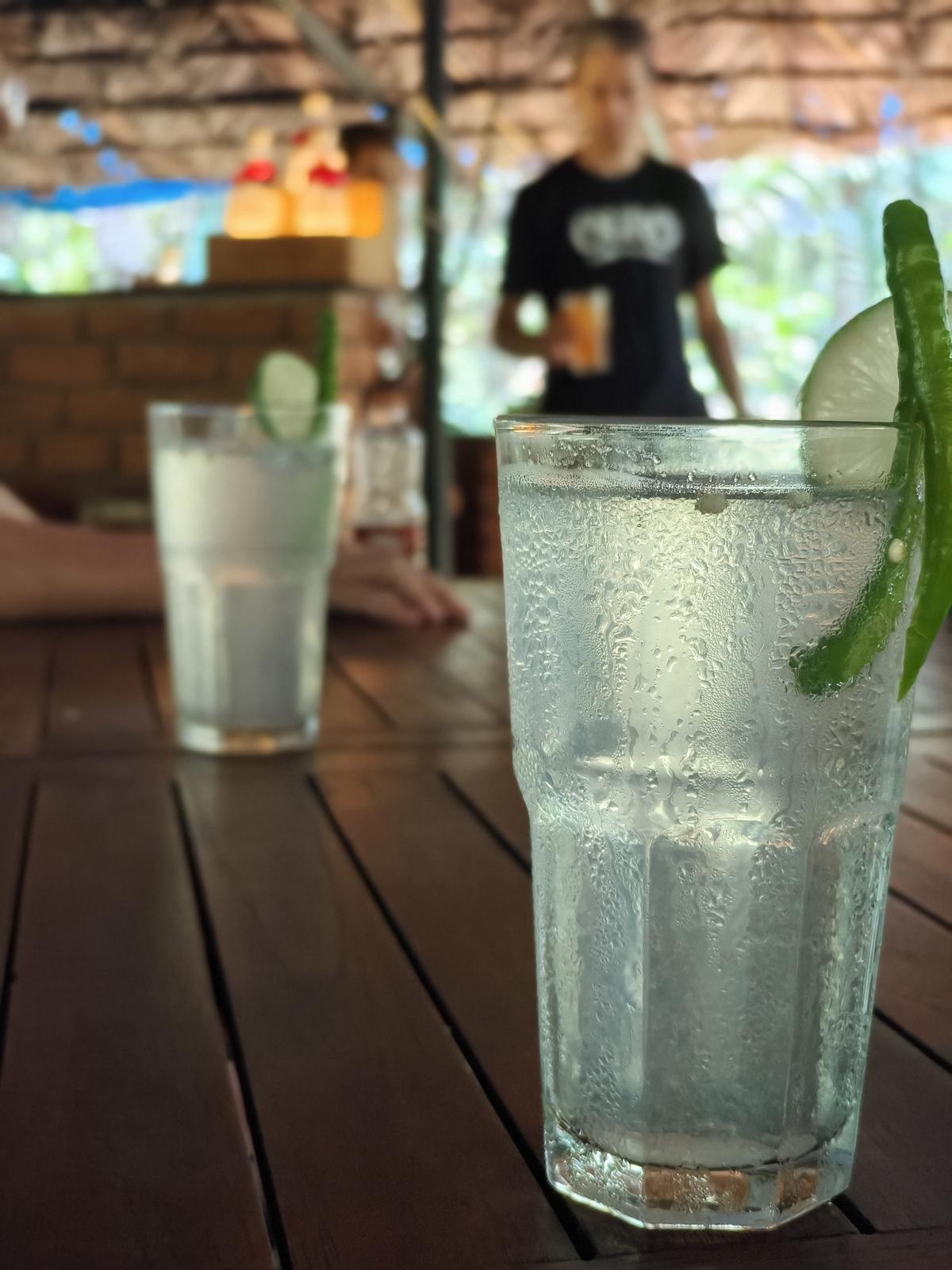
For the local population, Urrak is the quintessential "thirst quencher." It is traditionally served "done right"—diluted with lemonade or Limca, a pinch of salt, a slit green chili, and plenty of ice. This concoction is designed to combat the sweltering humidity of the Goan pre-monsoon, providing a light, spiked refreshment that locals claim is "second nature" to their summer survival.
Chronology: From the Portuguese Arrival to Modern Distilleries
The history of Urrak is inextricably linked to the arrival of the cashew tree in India. Introduced by the Portuguese in the 16th century, primarily for afforestation and to prevent soil erosion, the cashew tree found the laterite hills of Goa to be a perfect home. While the Portuguese valued the nut, it was the local Goan population that discovered the potential of the fleshy, juicy apple.
The Evolution of Distillation
- Late 1800s: Families like the Diniz clan in Cotombi began formalizing the distillation process, moving from purely domestic consumption to organized village-level production.
- 1980s: A shift toward sustainable land management began. Figures like Ajit Malkarnekar took barren, unyielding plots in Karmane village and transformed them into diverse horticultural ecosystems, proving that cashew cultivation could coexist with forest conservation.
- The Modern Era: Today, the narrative of Urrak is shifting from a rustic village secret to a sophisticated "farm-to-bottle" experience. Distillers are now balancing the preservation of 100-year-old traditions with the demands of a modern, culinary-conscious tourist demographic.
Supporting Data: The Art and Science of the ‘Bhaan’
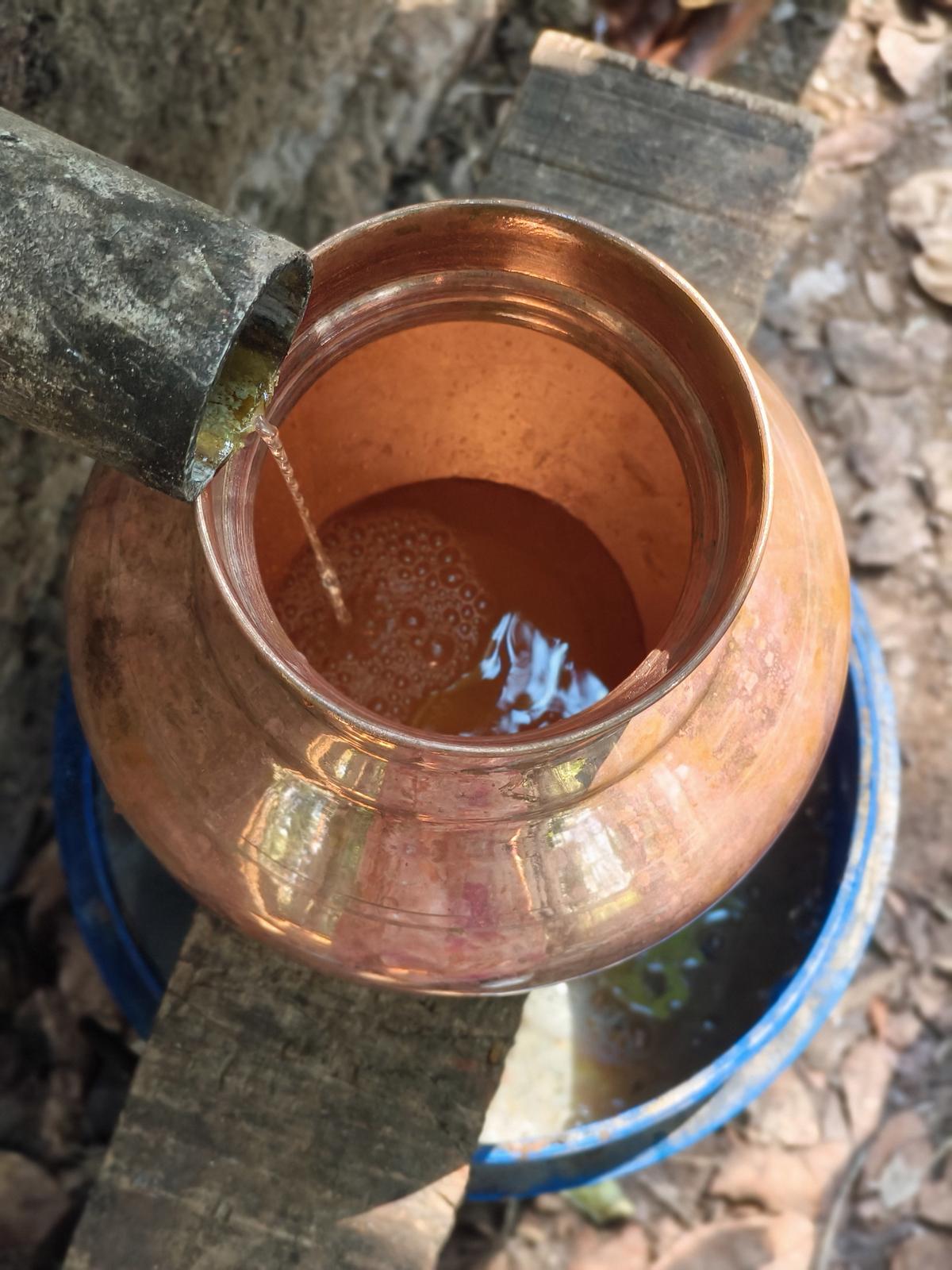
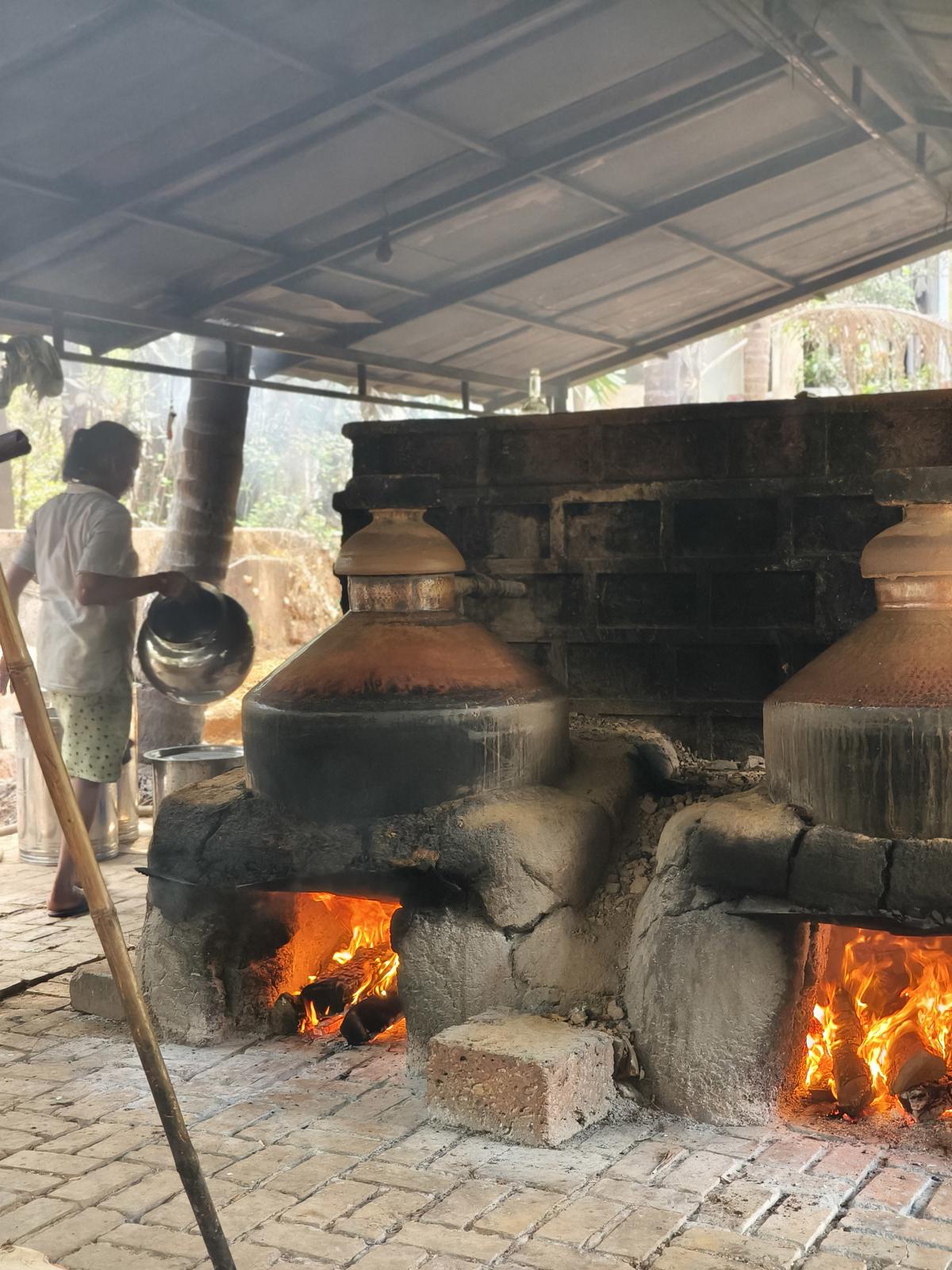
The production of Urrak is a labor-intensive process that relies on traditional equipment and an intuitive understanding of fermentation. At the heart of this process is the bhaan—a traditional copper pot still.
The Process of Creation
- Harvesting: Cashew apples are harvested only when they are fully ripe and have fallen from the tree.
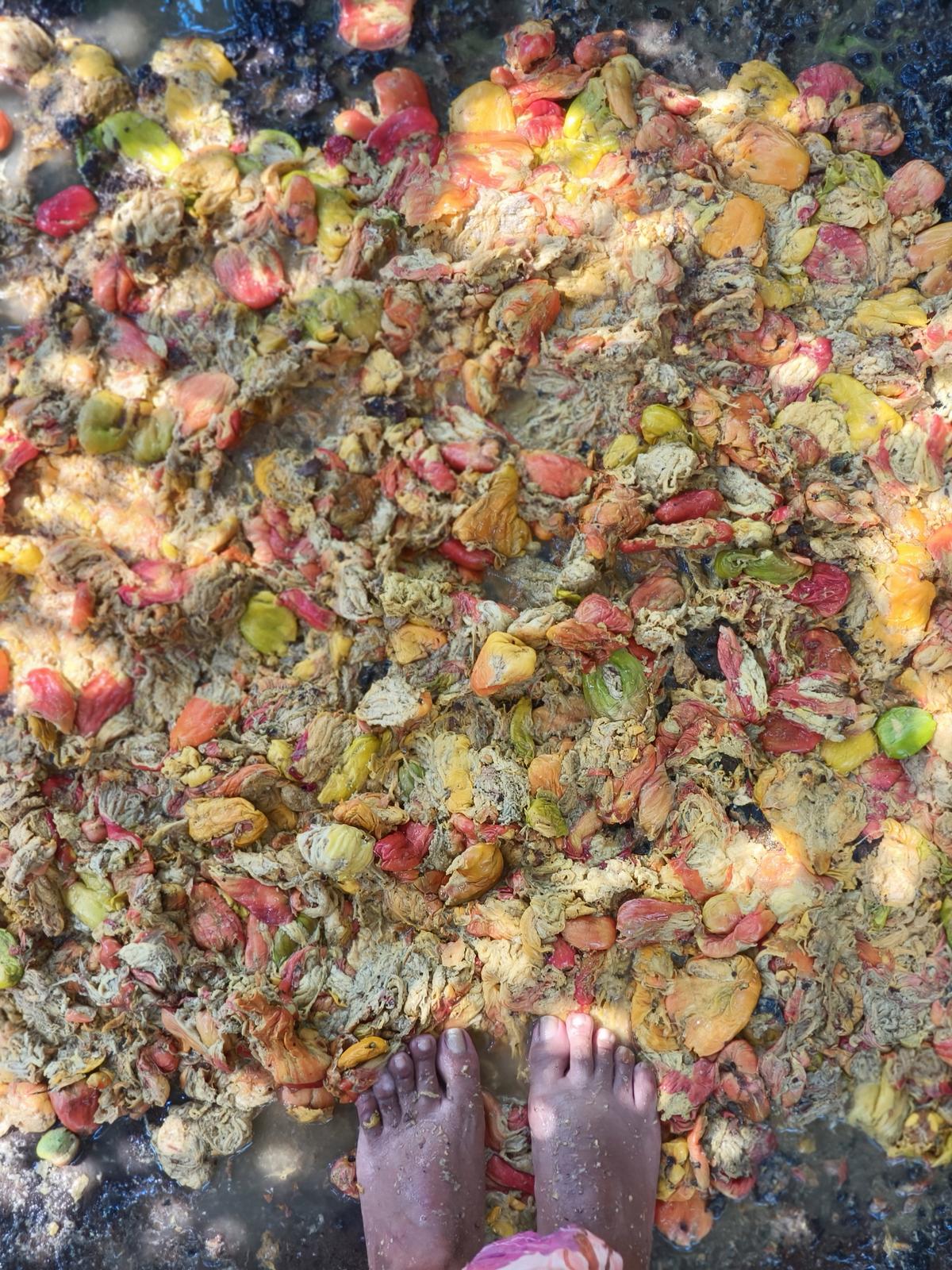
- Crushing: Traditionally, the apples were crushed underfoot in a stone basin called a colmbi. Today, many use mechanical crushers, though some boutique plantations still prefer the traditional method to prevent the crushing of the seeds, which can impart bitterness.
- Fermentation: The juice is collected in large earthen or plastic vats and left to ferment naturally for two to three days. No external yeast is added; the wild yeasts present on the fruit skins drive the process.
- Distillation: The fermented juice is poured into the bhaan. A fire is lit beneath it, and the vapors are channeled through a cooling system—traditionally a wooden or bamboo pipe submerged in water—where they condense into Urrak.
The yield is modest. It takes a significant volume of fermented juice to produce a single bottle of Urrak, making it a precious commodity during its short eight-week window of availability. This scarcity drives the local "Urrak economy," where demand often outstrips supply within days of the first batch being drawn.
Official Responses: Insights from the Gatekeepers of Heritage
To understand the contemporary landscape of Urrak, one must look to the families who have guarded these traditions for generations.
The Diniz Perspective: Market Trends and Tradition
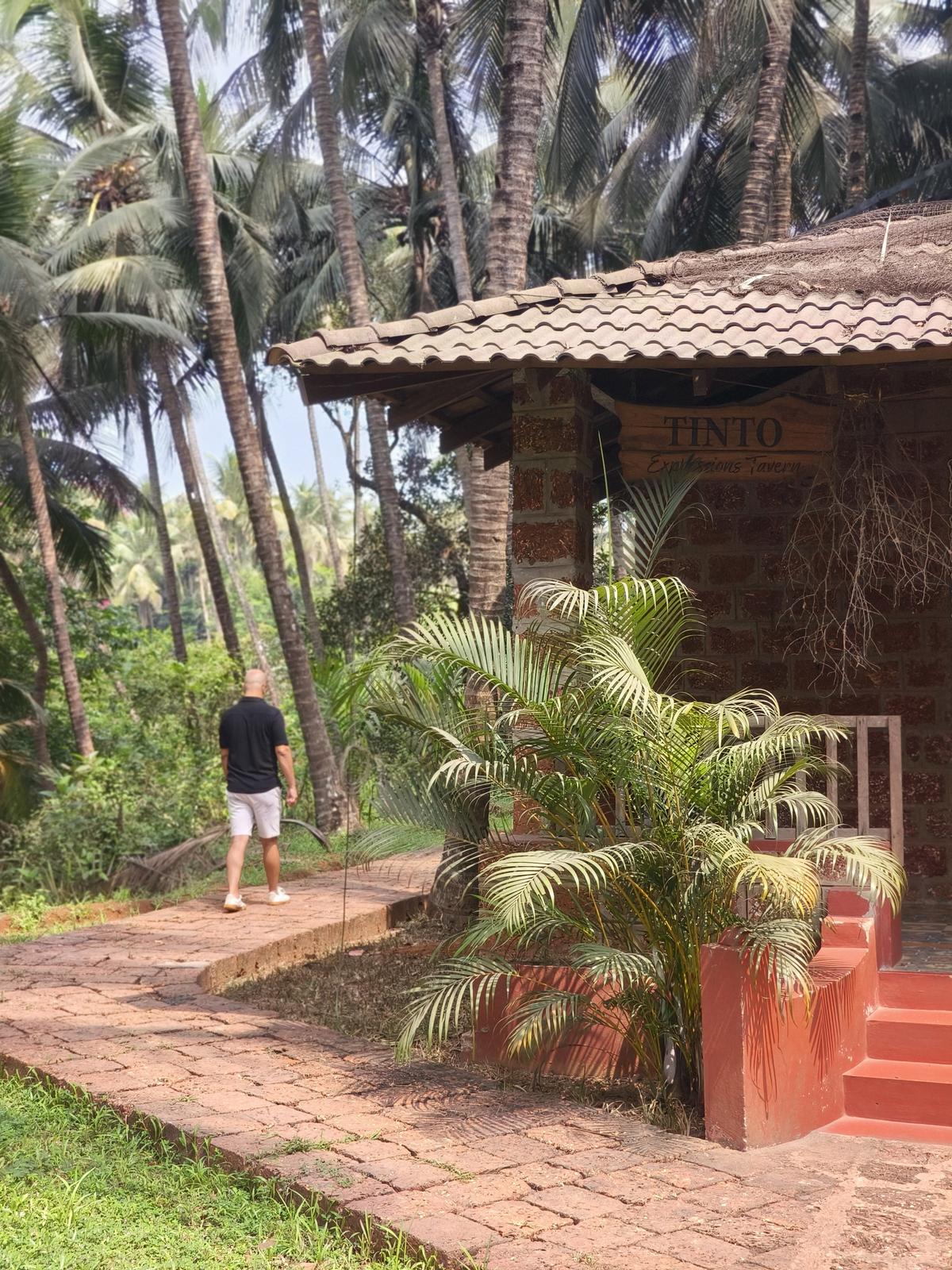
Solomon Diniz, a prominent stakeholder in South Goa’s liquor industry and the creator of Tinto Feni, highlights a curious economic phenomenon that occurs every April.
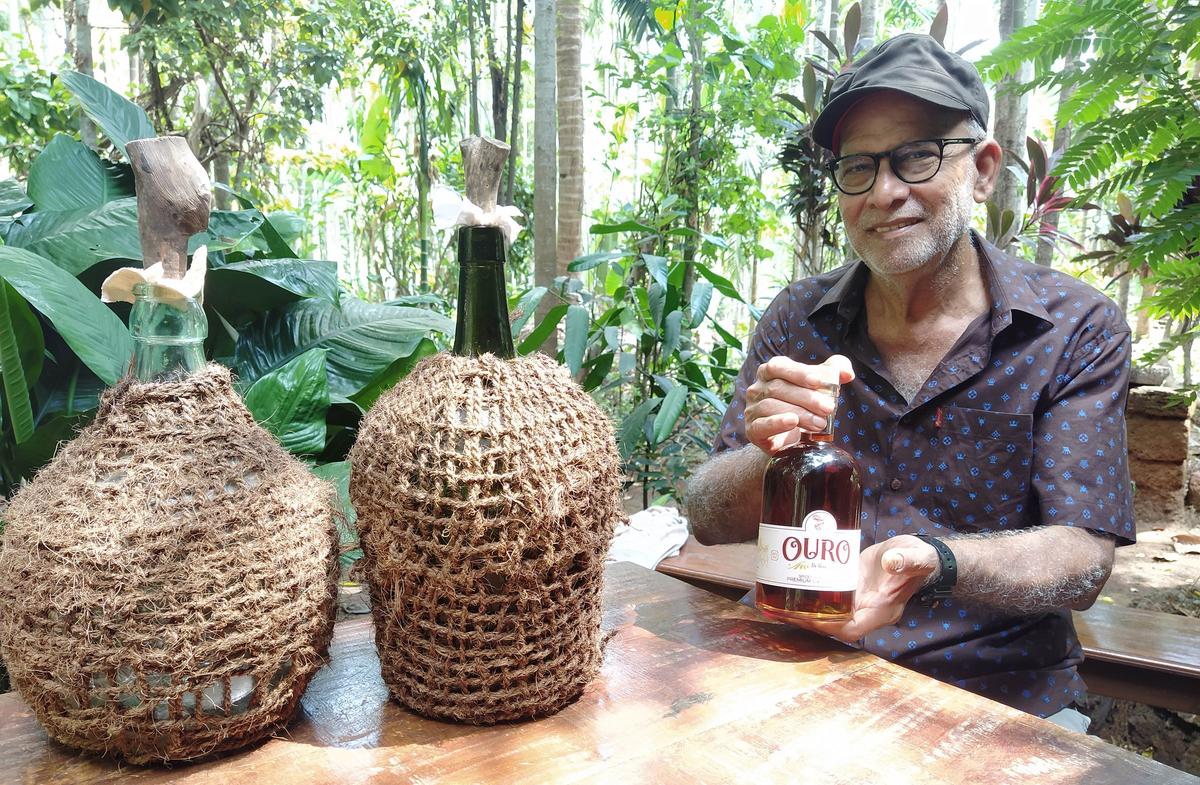
"During these two months of the year, sales of all our other premium liquors drop drastically," Diniz explains. "Everyone is only drinking freshly brewed Urrak!" This seasonal shift reflects a deep-rooted cultural preference that transcends marketing. For Diniz, the challenge lies in maintaining the integrity of the spirit. At his Tinto Expressions Tavern in Quepem, he provides a space where aficionados can test the "true taste" of Urrak, calibrated to the standards his family has maintained since the late 19th century.
The Malkarnekar Philosophy: Circular Living
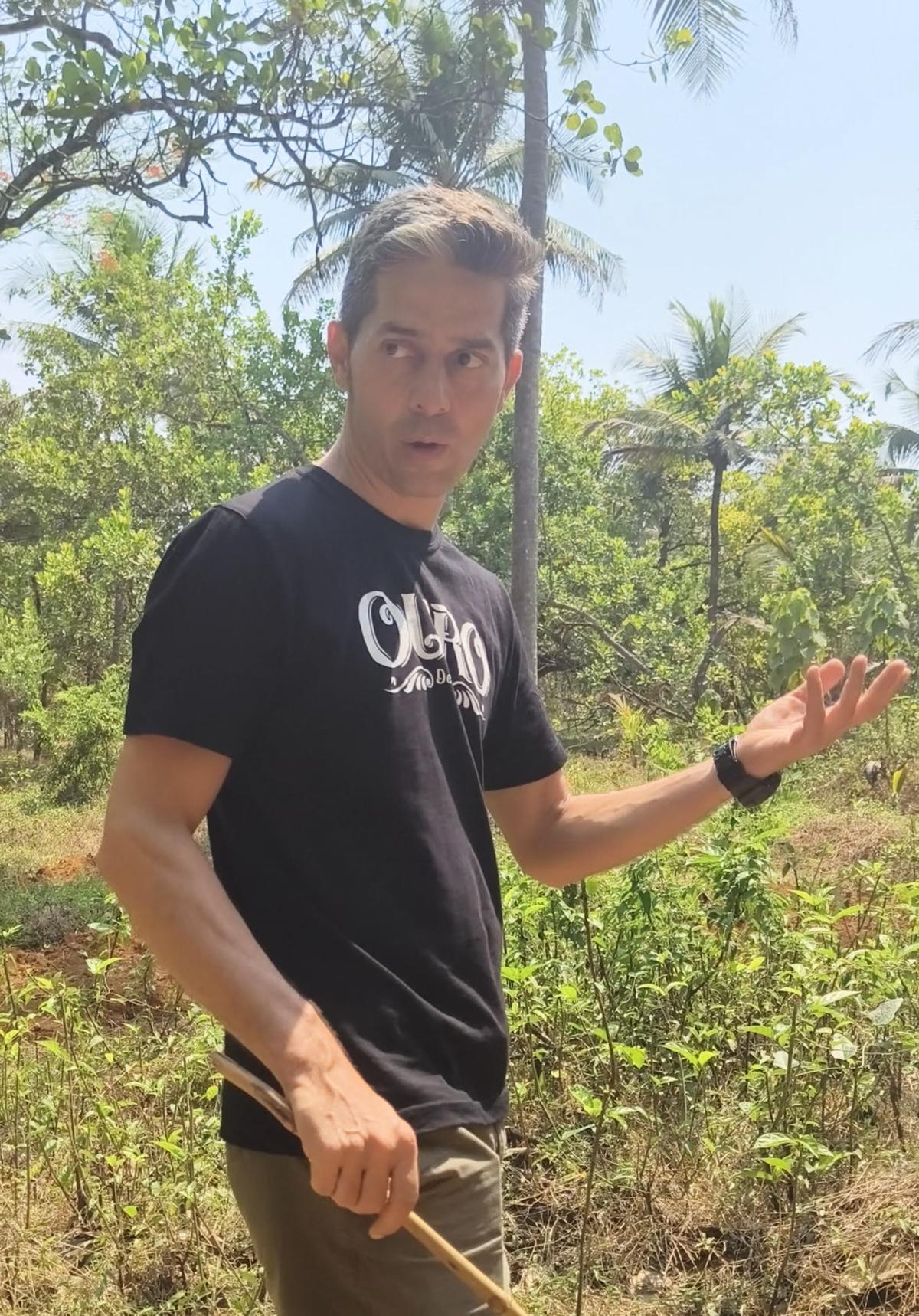
Deep in the folds of the Western Ghats, near the Mollem National Park, the Malkarnekar family at Dudhsagar Plantation views Urrak as part of a larger ecological philosophy. Ajit Malkarnekar’s son, Ashok, emphasizes that their production is not just about the drink, but about "circular living."

"Know your trees, know your fruit, don’t rush anything," Ashok suggests. At their plantation, nothing is wasted. The leftover cashew pulp (cashew bagasse) is often used as organic fertilizer or cattle feed. Their small-scale copper bhaan and cottage-style fermentation vats serve as educational tools for visitors, showcasing a lifestyle that Ashok describes as "almost radical" in an era of instant gratification.
The Etymological Inquiry: Hansel Vaz
Hansel Vaz, a well-known figure in the Goan spirit industry often referred to as a "Feni dotor" (doctor), provides a historical and linguistic context to the drink. Vaz notes that the word Urrak (or hurrak, urrac) likely has Arabic roots, connecting it to the broader family of "Arak" spirits found across Asia and the Middle East.
Vaz posits an intriguing theory: "The early references do not point to a cashew distillate at all." He suggests that the term was originally associated with coconut palm sap spirits. However, because the cashew fruit possessed such an unmistakable fragrance and a short, intense season, it essentially "hijacked" the vocabulary. The name stuck to the cashew distillate, cementing its identity in the Goan consciousness.
Implications: Tourism, Sustainability, and the Future of Goan Identity
The rising popularity of Urrak has significant implications for Goa’s socio-economic landscape.
The Rise of Agritourism
The "Urrak experience" is becoming a cornerstone of Goan agritourism. Plantation tours, starting at approximately ₹750, offer visitors a chance to see the distillation process firsthand. This shift toward experiential tourism provides a sustainable alternative to the overcrowded beach tourism that dominates the North. It encourages the preservation of inland orchards and provides seasonal employment for village communities.
Preserving the "Susegad" Lifestyle
Urrak is more than just an alcoholic beverage; it is a liquid representation of Susegad—the Goan concept of a relaxed, laid-back existence. The fact that Urrak cannot be easily bottled for long-term storage or exported without losing its character makes it a "destination drink." You have to be in Goa, in the summer, to truly experience it.
Challenges to Tradition
However, the pressure of modern commercialization remains a threat. As "farm-to-table" becomes a trendy culinary buzzword, there is a risk that the authentic, unhurried nature of village distillation could be compromised by mass production. The work of families like the Diniz and Malkarnekars is crucial in ensuring that the "philosophy of the tree" remains central to the Urrak story.
In conclusion, Urrak is a testament to the resilience of Goan heritage. It is a drink born of a specific time and place, a seasonal gift from the hardy cashew trees that define the state’s landscape. As long as the bhaans are lit in Cotombi and Karmane every April, the soul of the Goan summer remains secure, poured one glass at a time, with a slice of chili and a pinch of salt.
