By Investigative Staff
The Great Indian Bustard (Ardeotis nigriceps), a bird of such regal stature and ecological importance that it was once a leading contender to be named India’s national bird, now stands on the literal precipice of extinction. Once roaming the vast, sweeping grasslands of the Indian subcontinent in the thousands, this "flagship species" of the arid plains has seen its population plummet to fewer than 150 individuals in the wild.
The struggle to save the Great Indian Bustard (GIB) is not merely a fight for a single species; it is a battle for the survival of the Indian grassland ecosystem—a landscape often mischaracterized as "wasteland" but which holds the key to the nation’s biodiversity and climate resilience. Recent events in Gujarat, involving the tragic loss of a captive-reared chick, have underscored the immense difficulty of reversing the tide for a bird that seems to have no place left to go.
Main Facts: A Giant in Peril
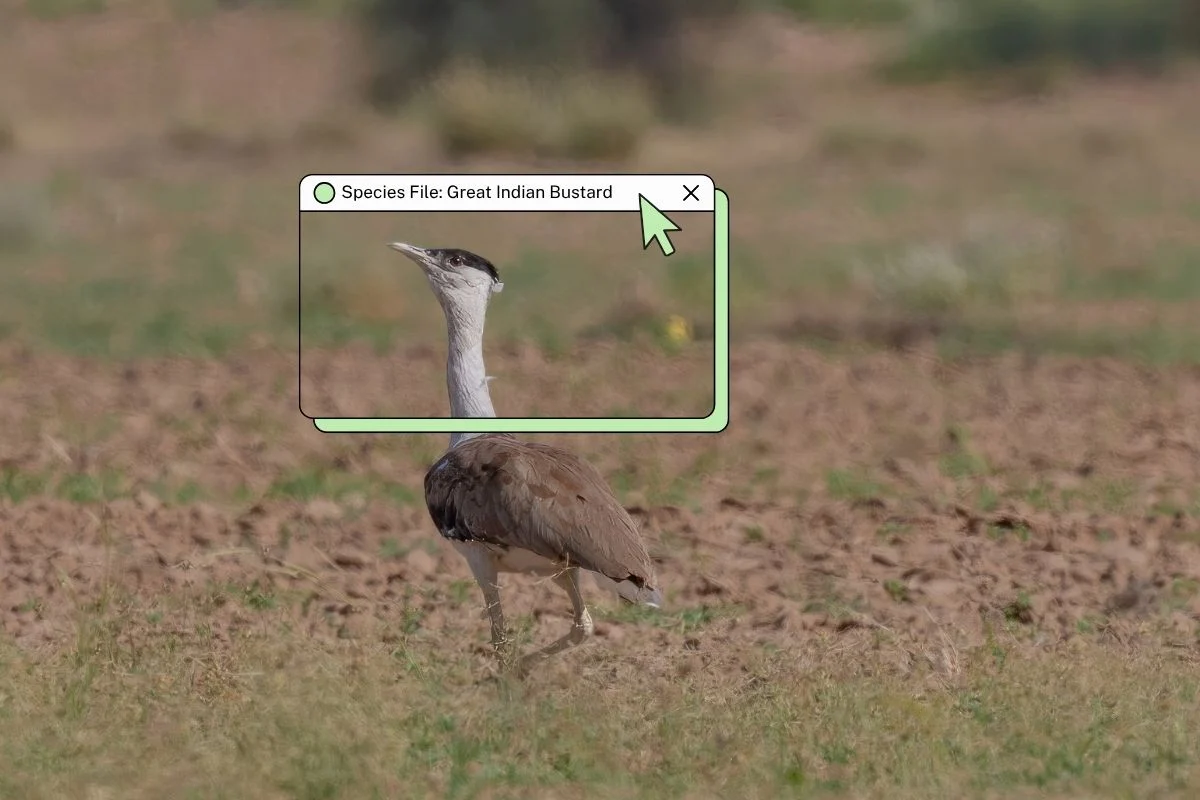
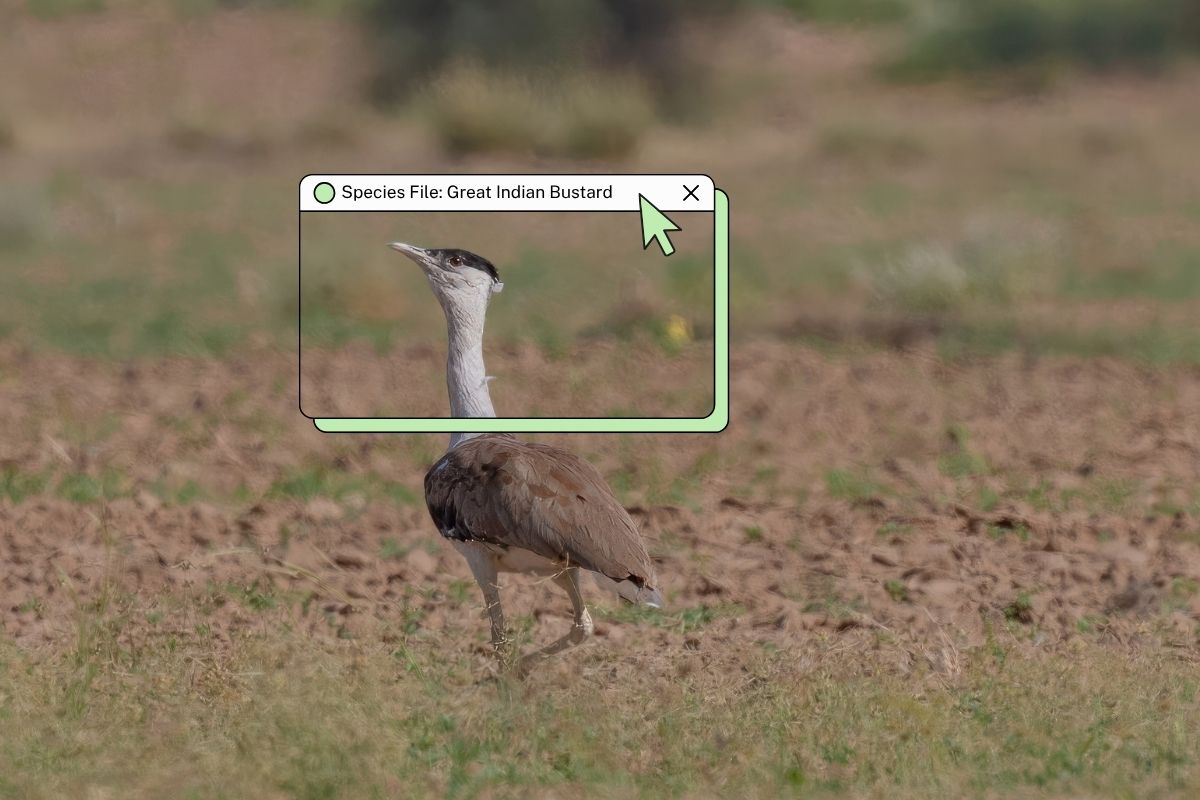
The Great Indian Bustard is one of the heaviest flying birds in the world. Adult males can stand up to a meter tall and weigh up to 15 kilograms, possessing a distinctive black cap that contrasts with their pale neck and brownish body. They are endemic to the Indian subcontinent, specifically adapted to dry, arid, and semi-arid grasslands interspersed with low-intensity agricultural lands.
Today, the GIB’s range has shrunk by over 90%. The remaining population is fragmented across five Indian states:
- Rajasthan: The primary stronghold, particularly within the Desert National Park (DNP).
- Gujarat: Primarily found in the Abdasa grasslands of Kutch.
- Maharashtra, Karnataka, and Andhra Pradesh: Home to tiny, isolated populations that are at high risk of local extinction.
Recognizing the severity of the situation, the International Union for Conservation of Nature (IUCN) has classified the GIB as Critically Endangered. In India, it receives the highest level of legal protection under Schedule I of the Wildlife Protection Act, 1972. Despite these protections, the bird faces a "triple threat" of habitat loss, infrastructure hazards, and slow reproductive cycles.
Chronology: From Recovery Hopes to a Major Setback
The timeline of GIB conservation is marked by ambitious scientific interventions and heartbreaking losses.
2016: The Bustard Recovery Programme
In 2016, the Ministry of Environment, Forest and Climate Change (MoEFCC), in collaboration with the Wildlife Institute of India (WII) and the Rajasthan Forest Department, launched the Bustard Recovery Programme. The cornerstone of this initiative was the establishment of conservation breeding centers in Sam and Ramdevra (Rajasthan). The goal was to collect eggs from the wild, hatch them in a controlled environment, and build a "founder population" for future reintroduction.
2024–2025: Incremental Success
The program saw notable success in its early years. By early 2026, the breeding centers housed 73 birds. This season alone, five new chicks were born in captivity, offering a glimmer of hope that the species could be "farmed" back from the brink.
March 26, 2026: The Kutch Milestone and Tragedy
In a bold attempt to revive the population in Gujarat, conservationists executed a complex trans-state operation. An egg was transported over 700 kilometers from a breeding center in Rajasthan to the Abdasa grasslands of Kutch.
On March 26, 2026, the egg successfully hatched. It was the first GIB chick born in Gujarat in over a decade—a milestone that was celebrated as a triumph of inter-state cooperation and veterinary science. To ensure the chick’s survival, the Gujarat Forest Department deployed a 24-hour security detail consisting of 50 forest guards to monitor the site and protect the fledgling from predators.
April 2026: The Disappearance
The celebration was short-lived. Three weeks after its birth, despite the constant surveillance, the chick reportedly vanished. While investigations are ongoing, the disappearance is viewed as a catastrophic blow to the reintroduction efforts in Gujarat. Whether the chick fell victim to a predator, a stray dog, or the harsh elements, its loss highlights the extreme vulnerability of the species even under maximum human protection.
Supporting Data: The Infrastructure Conflict
The primary driver of the GIB’s decline is the rapid transformation of its habitat. Unlike tigers, which inhabit protected forests, GIBs live in "open natural ecosystems" that are frequently targeted for industrial development.
The Green Energy Dilemma
In a cruel irony, the GIB’s survival is being threatened by the global shift toward renewable energy. The arid plains of Rajasthan and Gujarat are prime locations for solar parks and wind farms.
- Fatal Collisions: GIBs have poor frontal vision and a heavy body, making it difficult for them to maneuver quickly. When flying between foraging grounds, they frequently collide with high-voltage overhead power lines associated with renewable energy projects.
- Research Impact: Studies by the Wildlife Institute of India (WII) estimate that approximately 18 GIBs die every year due to power line collisions in the Thar desert alone. Given that the total population is under 150, this rate of mortality is unsustainable.
Biological Vulnerability
The GIB is biologically "programmed" for a slow recovery.
- Low Fecundity: Females typically lay only one egg per year.
- Nesting Risks: They nest on the open ground, making eggs and chicks highly susceptible to trampling by livestock or predation by stray dogs, foxes, and crows.
- Habitat Fragmentation: As grasslands are converted into irrigated agricultural fields or mining sites, the birds are forced into smaller, disconnected pockets of land, leading to genetic bottlenecks.
Official Responses and the Legal Battleground
The plight of the GIB has reached the highest echelons of the Indian judiciary. In a landmark case, the Supreme Court of India intervened to address the power line crisis.
The Supreme Court Mandate
In 2021, the Supreme Court ordered that all overhead power lines in "priority" and "potential" GIB habitats be moved underground. However, energy companies have argued that the cost of undergrounding high-voltage lines is prohibitively expensive and technically challenging. The court has since formed a committee to balance the needs of India’s renewable energy targets with the survival of the bird.
Expert Perspectives
Conservationists argue that the GIB has long been the "poor cousin" of the tiger in terms of funding and public attention.
Govind Sagar Bharadwaj, former Chief Conservator of Forests (Wildlife Division) in Jodhpur, emphasizes the need for a paradigm shift: “The GIB does not get as much attention to be saved as, say, the tiger, and so awareness is very important—about the bird in itself as well as its habitat, the grassland ecosystem.”
Bharadwaj and other experts suggest that until the grasslands are legally recognized as vital ecosystems rather than "wastelands," conservation efforts will continue to hit a wall of industrial expansion.
Implications: An Umbrella for the Grasslands
The extinction of the Great Indian Bustard would signify more than the loss of a single avian species; it would signal the collapse of the Indian grassland ecosystem.
The Umbrella Species Concept
The GIB acts as an "umbrella species." By protecting the vast tracts of land required for the bustard, conservationists inadvertently protect a host of other threatened species, including the Lesser Florican, the Indian Grey Wolf, the Blackbuck, and various migratory raptors. If the GIB vanishes, the legal and ecological justification for protecting these grasslands weakens, potentially opening the door to total industrial conversion.
The Path Forward
The recent failure in Kutch underscores that captive breeding is only half the battle. The long-term goal of the Bustard Recovery Programme is the "wild release" of captive-bred birds. However, as the Kutch incident proves, releasing a bird into a landscape riddled with power lines, stray dogs, and shrinking forage is a recipe for failure.
To save the Great Indian Bustard, India must reconcile its climate goals with its biodiversity obligations. This includes:
- Strict Enforcement of Undergrounding: Moving power lines underground in critical zones is non-negotiable for the species’ survival.
- Community-Led Conservation: Engaging local pastoralists and farmers to protect nests and manage stray dog populations.
- Habitat Restoration: Reclassifying grasslands to prevent their diversion for mining and non-essential industrial use.
The Great Indian Bustard is currently a ghost in its own land. The disappearance of the Kutch chick is a somber reminder that time is running out. Without a radical shift in how India values its "open natural ecosystems," the heaviest flying bird in the country may soon be nothing more than a footnote in natural history books.