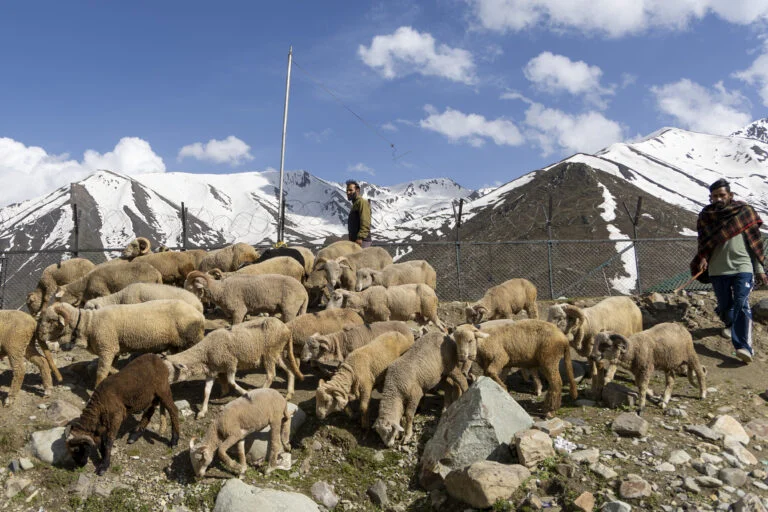
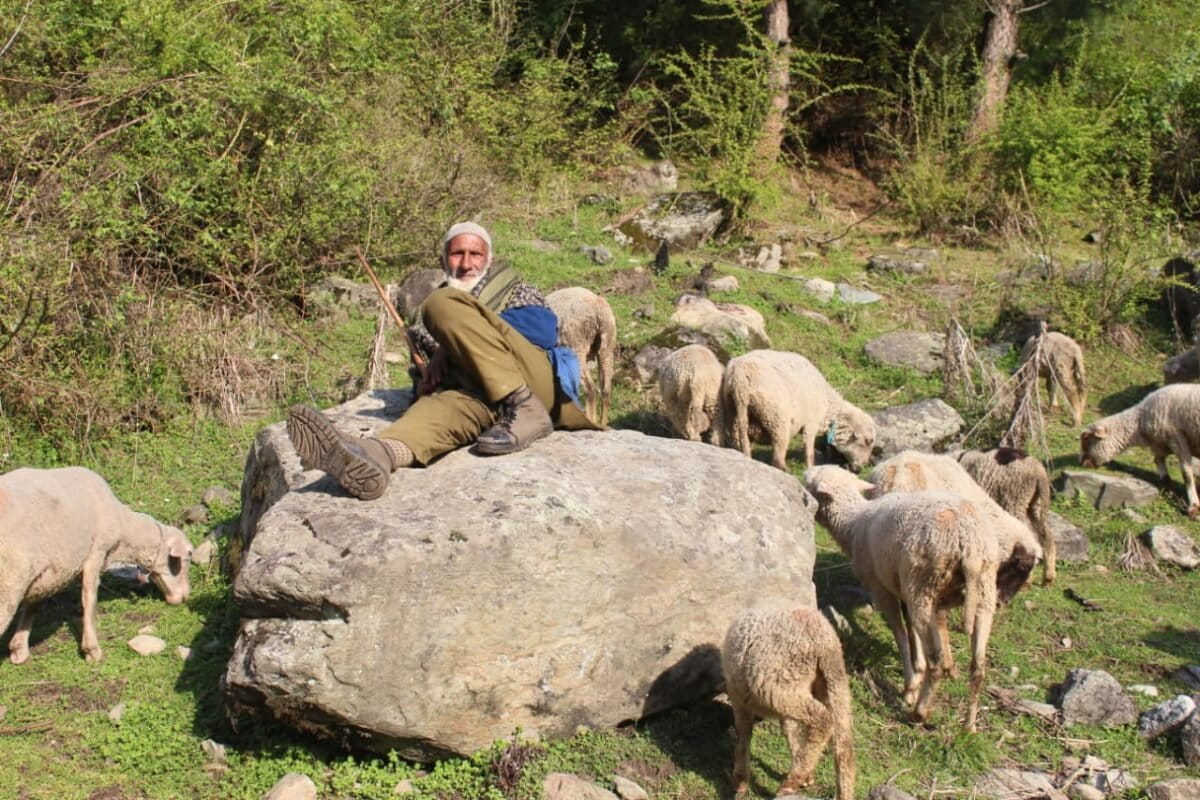
In the high-altitude reaches of the Pir Panjal range, the silence of the mountains is usually broken by the rhythmic bleating of sheep and the steady footfalls of horses. For centuries, this sound has signaled the seasonal migration of the Gujjar and Bakarwal tribes, a semi-nomadic community whose lives are dictated by the melting of snow and the blossoming of alpine pastures. However, in May 2024, that rhythm was abruptly silenced by an anomaly: a heavy, unseasonal blanket of snow that turned a journey of survival into a desperate struggle for endurance.
At Peer Ki Gali, a high mountain pass situated 50 kilometers from the destination of Shopian, a Gujjar family found themselves stranded. The Mughal Road, the vital artery connecting the lower districts of Rajouri and Poonch to the Kashmir Valley, was shut down. For days, the family huddled in the cold without permanent shelter, watching their livestock—their only source of wealth—shiver in conditions their ancestral knowledge had not prepared them for. This incident is no longer an isolated tragedy; it is the new reality for one of South Asia’s largest transhumant populations.
Main Facts: A Tradition Under Siege
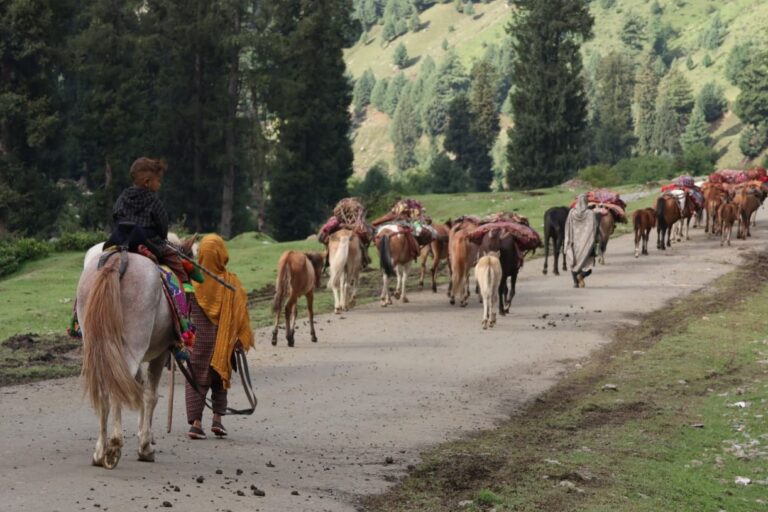
The Gujjar and Bakarwal communities represent a unique socio-ecological system in Jammu and Kashmir. Their practice of transhumance—the seasonal movement of livestock between fixed summer and winter pastures—is a finely tuned adaptation to the Himalayan environment.
The Scale of Migration
According to recent estimates, nearly 612,000 individuals in Jammu and Kashmir participate in this annual movement. This involves approximately 30,000 families who traverse treacherous routes, including National Highway-44 and the Mughal Road, to reach high-altitude grazing grounds known as Dhoks.

The Core Conflict
The survival of these tribes depends on the predictability of the seasons. Their "traditional ecological knowledge" (TEK) tells them exactly when the snow will melt and when the fodder will be at its peak. However, climate change is decoupling these environmental cues. The primary challenges now facing the community include:
- Unseasonal Snowfall: Heavy snow in late spring (May) or early autumn (September) that blocks routes and kills young livestock.
- Snow Droughts: Consecutive years of deficient winter snowfall that lead to dried-up water sources and poor pasture regeneration.
- Forced Adaptation: Families are being pushed to migrate earlier to escape heat and water scarcity in the plains, only to arrive at mountain passes that are still frozen and impassable.
Chronology: The Shifting Calendar of the Pastoralists
The migration cycle has historically followed a rigid, ancestral calendar. To understand the current crisis, one must look at how this timeline has fractured over the last decade.
The Traditional Cycle
- April – May: As temperatures rise in the Jammu plains, tribes begin their ascent toward the Kashmir Valley and the Chenab Valley. This month-long journey is timed to coincide with the opening of mountain passes.
- June – August: The summer is spent in high-altitude Dhoks, where livestock graze on nutrient-rich alpine grass.
- September – October: Before the first heavy snows of winter, the tribes descend back to the relatively warmer districts of Rajouri, Poonch, and Kathua.
The Recent Disruption (2019–2024)
The last five years have seen a radical departure from historical norms. Forecaster Faizan Arif notes that Jammu and Kashmir has recorded seven consecutive deficient winters since the 2019–2020 season.
- Winter 2025–2026: The region faced a staggering 65% deficit in precipitation. February, usually a peak month for snow, saw a 90% deficit.
- The "Late Bloom" Anomaly: Paradoxically, while winters have been dry, the late spring months of March, April, and May have increasingly seen "sudden and poorly timed" spells of heavy snow.
- The May 2024 Event: The stranding of families at Peer Ki Gali served as a flashpoint, highlighting that even in late May, the mountains are no longer predictable.
Supporting Data: The Ecological and Economic Toll
The crisis is backed by sobering scientific and socio-economic data that suggests the Himalayan ecosystem is warming at an alarming rate.
Climate Acceleration
Research indicates that warming in the Himalayas has occurred 50% faster than the global average since 1950. This rapid increase in temperature disrupts the "pasture phenology"—the timing of plant growth. When the snow melts too early or too late, the nutritional value of the grass changes, directly impacting the health of the herds.
Economic Devastation
For the Gujjars and Bakarwals, livestock is not just a profession; it is their entire capital.
- Mortality Rates: Unseasonal cold snaps lead to high mortality among newborn goats and sheep. In recent years, families have reported losing significant portions of their flocks during the transit phase.
- Landscape Decline: Research by the Himalayan Pastoral Trust (HPT) suggests that grazing landscapes in parts of the western Himalayas have declined by nearly 50% over the last two decades.
- Shift in Timing: Migration cycles have shifted by 15 to 20 days as tribes attempt to outrun the lack of water in the lower reaches.
Communication Gaps
Despite the existence of weather forecasting, a digital divide persists. Many nomadic families rely on radio broadcasts which are often delayed. In the high-altitude Dhoks, mobile connectivity is virtually non-existent, leaving thousands of people without real-time alerts when a life-threatening storm approaches.
Official Responses and Expert Perspectives
Experts across various disciplines—anthropology, ecology, and climatology—agree that the Gujjar-Bakarwal community is among the most climate-vulnerable groups in the world.
The Anthropological View
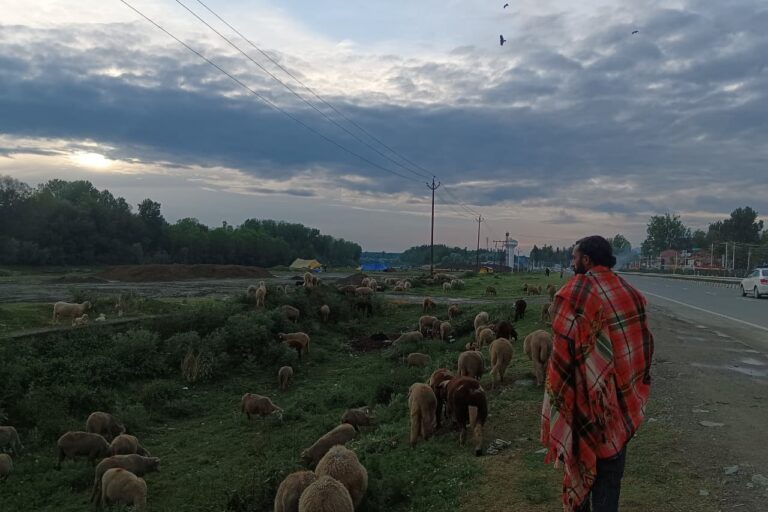
Irfan Ali Banka, an ICSSR fellow, highlights the "forced change in route." When traditional mountain paths are blocked by icebergs or treacherous streams, pastoralists are forced onto main highways. "This leaves livestock at risk of road accidents, exhaustion, and exposure to unfamiliar terrain," Banka explains. The transition from soft mountain soil to hard asphalt is physically grueling for the animals.
The Researcher’s Insight
Javaid Rahi, a tribal researcher with 30 years of experience, has observed a troubling new trend: "Reverse Migration." Families who have traveled for two weeks toward the north are sometimes forced to turn back midway because the passes are unexpectedly blocked, or the fodder has failed to grow. "What is being disrupted is not just movement, but timing itself," says Rahi.
The Botanical Perspective
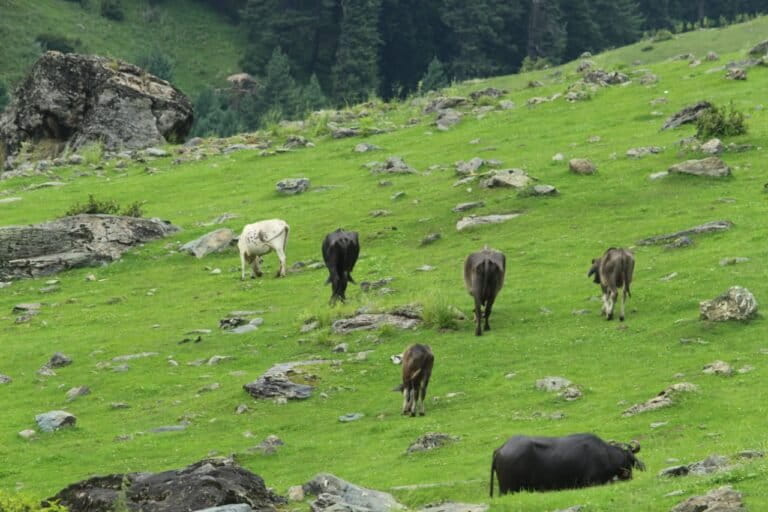
Anzar A. Khuroo of the University of Kashmir points out that alpine grasslands are highly sensitive. If moisture from snow doesn’t arrive at the right time, the "grazing window"—the period when the grass is edible and plentiful—shortens significantly. This creates a fodder crisis that institutional mechanisms are currently failing to address.
The Pastoralist Advocacy
Shahid Sulaiman, founder of the Himalayan Pastoral Trust, introduces the concept of "Ghost Pasturing." This occurs when environmental pressures force herders to abandon ancestral lands for high-risk territories, often leading to conflict with settled agricultural communities over land use.
Implications: An Existential Threat to a Way of Life
The continued disruption of the Gujjar-Bakarwal migration has deep implications for the future of Jammu and Kashmir’s economy and cultural heritage.
1. Socio-Economic Destabilization
The loss of livestock is leading to a "forced settlement" pattern. Families who lose their herds are often forced into unskilled manual labor in urban centers, leading to the erosion of their cultural identity and a loss of the specialized skills required for high-altitude animal husbandry.
2. Ecological Consequences
Pastoralism is a key component of Himalayan ecology. Controlled grazing helps maintain the health of alpine meadows and prevents the overgrowth of invasive species. As migration patterns break down, the ecological balance of these sensitive grasslands is at risk.
3. Increased Conflict
As pastures shrink and water becomes scarce, "forced adaptation" leads to trespassing on private agricultural lands. This creates social friction between the nomadic tribes and settled farmers, potentially leading to long-term communal and social instability in the region.
4. The Need for Policy Intervention
The current situation highlights a desperate need for:
- Climate-Linked Insurance: Livestock insurance that specifically covers losses due to unseasonal weather events.
- Infrastructure: The construction of emergency shelters along migration routes like the Mughal Road and NH-44.
- Communication: Extending satellite-based weather alert systems to remote grazing grounds.
- Veterinary Support: Mobile veterinary units that can move with the tribes to treat animals suffering from exhaustion or exposure.
Conclusion
The story of the Gujjar family stranded at Peer Ki Gali is a microcosm of a global crisis. In the Himalayas, climate change is not a distant threat; it is a force that is actively dismantling centuries of indigenous wisdom. For the Gujjars and Bakarwals, the mountains are no longer the reliable partners they once were. Without urgent institutional support and a concerted effort to mitigate the impacts of a warming climate, the ancient rhythm of the transhumant migration may soon fade into a whisper, leaving behind a void in the cultural and ecological landscape of the Himalayas.