

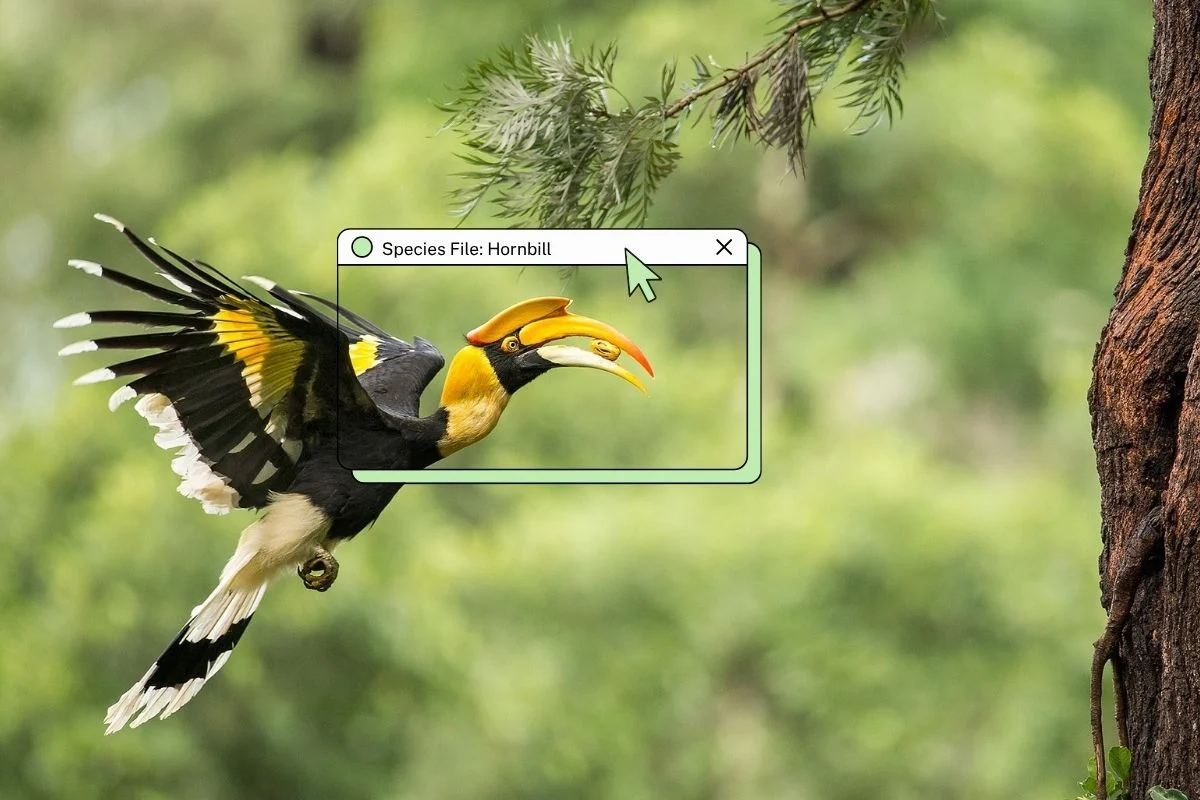
The dense, emerald canopies of India’s tropical forests are home to one of the most charismatic and ecologically significant avian families in the world: the hornbills. Often referred to as the "farmers of the forest," these birds serve as the primary architects of forest regeneration. However, recent events across the Indian subcontinent—ranging from rare sightings in agricultural landscapes to the grim reality of poaching—underscore a complex narrative of conservation triumphs and systemic threats.
As India grapples with the dual challenges of habitat loss and wildlife crime, the status of its nine hornbill species has become a barometer for the health of its most vital ecosystems. From the Western Ghats to the floodplains of Assam, the struggle to protect these "sentinels of the canopy" is reaching a critical juncture.
Main Facts: The Ecological Linchpin
Hornbills, belonging to the family Bucerotidae, are instantly recognizable by their massive, curved bills, often topped with a structure known as a casque. While the casque appears heavy, it is actually composed of light, honeycombed keratin, serving roles in resonance, sexual signaling, and occasionally aerial jousting.
In India, nine species of hornbills are found, each occupying a specific ecological niche. Their role as "farmers" is not a mere poetic descriptor; it is a biological reality. Hornbills are primarily frugivorous, consuming vast quantities of fruits from various tree species. Unlike many other birds, they have a large gape and a gentle digestive system that allows them to swallow large fruits whole and defecate or regurgitate the seeds intact. By traveling long distances between feeding and nesting sites, they disperse these seeds far from the parent tree, ensuring genetic diversity and the expansion of the forest.
However, their survival is intrinsically tied to the presence of old-growth forests. Hornbills are secondary cavity nesters, meaning they do not excavate their own holes but rely on natural hollows in ancient, high-canopy trees. This dependency makes them exceptionally vulnerable to deforestation and the removal of "senescent" or dead-standing trees, which are often the first to be cleared in commercial logging or agricultural expansion.
Chronology of Recent Events: A Study in Contrasts
The year 2024 has provided a snapshot of the polarized reality facing Indian hornbills—a mixture of surprising biological resilience and persistent human interference.
July 2024: The Kannur Marvel
In a development that stunned local ornithologists, four Malabar pied hornbills (Anthracoceros coronatus) were spotted near agricultural fields along the Muyyam river in the Kannur district of Kerala. This sighting was significant because the Malabar pied hornbill is typically a shy, forest-dwelling species. Their presence in a human-dominated landscape suggests either a potential adaptation to fragmented habitats or, more concerningly, a lack of resources within their traditional forest strongholds forcing them into the periphery.
June 2024: The Persistence of Poaching
While the sighting in Kerala offered a glimmer of hope, the situation in Northeast India served as a stark reminder of the threats these birds face. In June, the Assam Forest Department arrested three individuals in the Tinsukia district in connection with the hunting of a protected hornbill. In many parts of the Northeast, hornbills have historically been hunted for their feathers, beaks, and meat, often for use in traditional headgear and rituals. Despite increased enforcement, the illicit trade remains a persistent shadow over conservation efforts.
2021–2024: The Gir Reintroduction Success
One of the most significant long-term conservation victories has been unfolding in Gujarat’s Gir National Park. After a 60-year absence, the Indian grey hornbill (Ocyceros birostris) was reintroduced to the region. In 2021, 40 individuals were translocated to the park. By 2024, the forest department confirmed that the species has been breeding successfully for the fourth consecutive year, marking a major milestone in restoring the ecological balance of the Gir landscape.
Supporting Data: The Conservation Status of India’s Nine Species
India’s hornbill diversity is spread across various landscapes, but the Western Ghats and the Northeast are the primary hotspots. The International Union for Conservation of Nature (IUCN) Red List provides a sobering look at their current standing:
- The Great Hornbill (Buceros bicornis): Listed as Vulnerable. This is the most iconic species, known for its massive size and vibrant yellow-and-black casque. Its population is declining due to habitat loss and hunting.
- The Malabar Grey Hornbill (Ocyceros griseus): Endemic to the Western Ghats and listed as Vulnerable. Unlike its larger cousins, it lacks a prominent casque but is a vital seed disperser for the region’s rainforests.
- The Malabar Pied Hornbill (Anthracoceros coronatus): Listed as Near Threatened. Its population is in decline, primarily due to the loss of large fruiting trees and nesting sites.
- The Indian Grey Hornbill (Ocyceros birostris): Currently listed as Least Concern. This species is the most adaptable, often found in urban parks and rural orchards across the Indian plains.
- The Rufous-necked Hornbill (Aceros nipalensis): Listed as Vulnerable, found primarily in the Northeast.
- The Wreathed Hornbill (Rhyticeros undulatus): Listed as Vulnerable, also native to the Northeast and known for its remarkable soaring capabilities.
- The Narcondam Hornbill (Rhyticeros narcondami): Listed as Vulnerable and endemic to the tiny Narcondam Island in the Andamans. It has one of the smallest ranges of any bird in the world.
- The Austin’s Brown Hornbill (Anorrhinus austeni): Found in the Northeast, often in community-managed forests.
- The Oriental Pied Hornbill (Anthracoceros albirostris): Generally stable, found in the foothills of the Himalayas and parts of Central India.
Data from citizen science initiatives, such as the "Hornbill Watch" project, has become instrumental in mapping these populations. Crowdsourced data allows researchers to track migration patterns and identify "hotspots" of activity that fall outside protected areas, such as the recent sighting in Kannur.

Official Responses and Legal Protections
The Indian government has accorded the highest level of legal protection to most hornbill species. Under the Wildlife (Protection) Act of 1972, several species are listed under Schedule I, which mandates the strictest penalties for hunting or trade.
The Role of the Forest Department
State forest departments have shifted their focus toward "community-based conservation." In states like Arunachal Pradesh, the "Hornbill Nest Adoption Program" has been a revolutionary success. By incentivizing local tribes—who were once the primary hunters of the bird—to become "nest protectors," the program has seen a dramatic increase in fledgling success rates.
Infrastructure for Conservation
Recognizing the need for specialized care and research, India recently announced the establishment of its first dedicated Hornbill Conservation Centre. This facility is designed to serve as a hub for hornbill ecology studies, veterinary care for injured birds, and a genetic repository for the species.
Institutional Insights
K.H. Amitha Bachan, a prominent researcher and consultant to the Kerala Forest Department, emphasizes that hornbill conservation is not just about a single species. "A healthy population of hornbills signifies a healthy ecosystem," Bachan noted in a report for Mongabay-India. "The hornbill conservation measures in the Western Ghats are helping comprehensive protection of the environment of the entire stretch." This "umbrella species" approach means that by protecting the large trees and vast tracts of forest hornbills require, thousands of other smaller species are inadvertently saved.
Implications: The Road Ahead
The future of India’s hornbills is inextricably linked to the country’s ability to manage its remaining forest fragments. The implications of their potential decline are profound:
1. Forest Degradation
If hornbill populations continue to dwindle, the "recruitment" of new trees in tropical forests will slow down. Many large-seeded tree species rely almost exclusively on hornbills for dispersal. Without them, these forests may shift toward wind-dispersed species, fundamentally altering the carbon-sequestration capacity and biodiversity of the ecosystem.
2. The Challenge of Habitat Fragmentation
The sighting in Kannur highlights a growing trend: wildlife being forced into human-dominated landscapes. While it demonstrates resilience, it also increases the risk of human-wildlife conflict and exposure to pesticides used in agricultural fields.
3. Climate Change
As high-canopy specialists, hornbills are sensitive to changes in temperature and humidity that affect fruiting cycles (phenology). If the timing of fruit availability shifts due to climate change, it could lead to "mismatch" events where hornbills have insufficient food during the critical nesting period when the female is sealed inside the tree.
4. Cultural Evolution
In the Northeast, the transition of the Great Hornbill from a hunted trophy to a celebrated cultural icon—most notably through the Hornbill Festival in Nagaland—is a blueprint for conservation. However, the June arrests in Assam show that the transition is incomplete. Continued education and economic alternatives for forest-dependent communities remain essential.
Conclusion
The hornbill is more than just a bird; it is a symbol of the intricate connectivity of India’s natural world. Whether it is the Indian grey hornbill reclaiming its ancestral grounds in Gir or the Malabar pied hornbill exploring the riverbanks of Kannur, these birds continue to surprise and inspire. Yet, the shadows of deforestation and poaching remain long.
The success of the "farmers of the forest" will ultimately depend on a multi-pronged approach: rigorous legal enforcement, large-scale rainforest restoration, and, perhaps most importantly, the continued engagement of citizen scientists and local communities. As sentinels of the canopy, the hornbills are telling us a story about the state of our environment. The question remains whether we are listening closely enough to ensure their ancient, rhythmic wingbeats continue to echo through India’s forests for generations to come.
