

Main Facts: The Silent Disappearance of Native Biodiversity
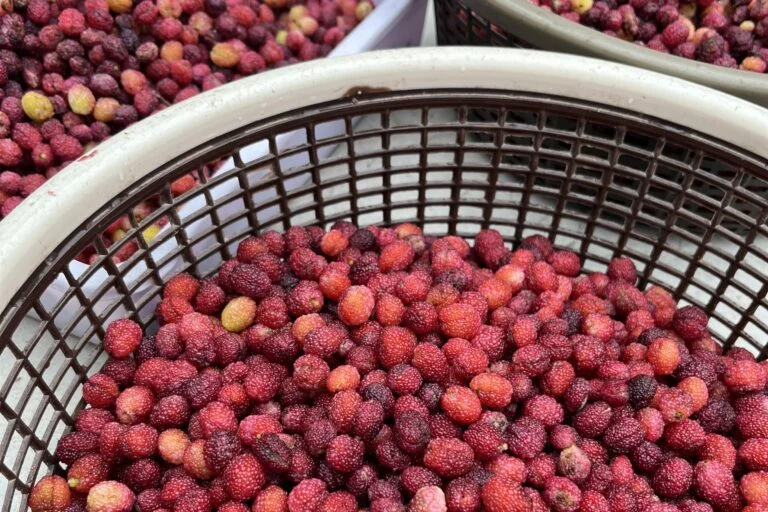
In the bustling fruit markets of Guwahati, Assam, and Shillong, Meghalaya, a subtle but profound transformation is taking place. Where once the air was thick with the scent of ripening Leteku (Burmese grape) and the tangy aroma of Poniol (water apple/plum), the stalls are now dominated by the uniform, waxen surfaces of imported kiwis, Chilean avocados, and Washington apples. This shift is not merely a change in consumer preference; it represents a systemic decline of indigenous fruit species across Northeast India and the broader Himalayan and arid regions of the country.
Indigenous fruits—often categorized by researchers as "underutilized" or "minor" crops—are those that have traditionally grown in homesteads, backyards, and semi-wild forests. Unlike commercial crops, these species are deeply integrated into the local ecology and traditional diets. However, experts warn that the availability of these fruits has plummeted. Dharindra Nath Hazarika, head of the horticulture department at B.N. College of Agriculture under Assam Agriculture University, notes a disturbing trend: while the decline is palpable to locals, a lack of systematic documentation means the exact magnitude of this biodiversity loss remains unquantified.
The crisis is characterized by several key factors:
- The Displacement of Native Species: Traditional fruits like Thekera (used for digestive health) and Sohthang are being replaced by exotic, high-market-value crops.
- The Knowledge Gap: Younger generations are losing the ability to identify, harvest, or prepare these fruits, leading to a collapse in demand.
- Logistical Fragility: Many native fruits are highly seasonal, bruise easily, and lack the "shelf-life" required for modern retail supply chains.
- Nutritional Erosion: As these "protective foods" vanish, so does a vital source of micronutrients, antioxidants, and medicinal properties that have historically sustained rural populations during lean seasons.
Chronology: From Homestead Abundance to Market Scarcity
To understand the current decline, one must look at the evolution of the Indian agricultural landscape over the last several decades. For generations, the "homestead garden" was the primary source of nutrition for families in Northeast India. These gardens were complex polycultures where fruit trees like the Leteku and Poniol grew alongside medicinal herbs and vegetables.

The Era of Subsistence and Seasonal Rhythm (Pre-1990s)
During this period, the consumption of fruit was dictated by the seasons. In the summer months of Assam, the Leteku—a sweet-tangy fruit with a brownish-yellow skin—was a staple. In Meghalaya, the Sohlong was common in every village square. These fruits were rarely "purchased" in the modern sense; they were bartered, gifted, or gathered from common lands.
The Shift Toward Market Orientation (1990s–2010s)
As India’s economy opened and urbanization accelerated, the focus of horticulture shifted toward "marketable" varieties. Government incentives and agricultural extension services began to prioritize crops that could withstand long-distance transport. The "Green Revolution" mindset, which favored monocultures and high yields, slowly trickled down into fruit cultivation. Farmers were encouraged to clear "unproductive" native trees to make room for commercial timber or cash crops like rubber, tea, and black pepper.
The Age of the "Exotic" and the Supermarket (2010s–Present)
The rise of organized retail and a globalized middle class created a demand for "superfoods" like blueberries and avocados. Paradoxically, while urban Indians began paying premium prices for imported health foods, the indigenous superfoods in their own backyards—richer in minerals and better adapted to the local climate—were being left to rot or were cut down for firewood. Today, the Leteku is rarely found in urban markets, appearing only at makeshift haats (weekly village markets) where elderly farmers sell small quantities of surplus produce.
Supporting Data: The Nutritional and Ecological Value of "Underutilized" Fruits
The term "underutilized" is a misnomer when considering the nutritional density of these species. A paper published in 2023 highlights that these fruits are regarded as "protective foods" across India due to their abundance of phytochemicals and essential minerals.

Micronutrient Profiles
Scientific research into the arid and semi-arid regions of India reveals that native fruits often outperform their commercial counterparts in specific nutrient categories:
- Iron: Pilu (Salvadora oleoides) and Chironji (Buchanania lanzan) are exceptional sources of iron, critical for combating anemia in rural populations.
- Vitamin A: Karonda (Carissa carandas), Mahua (Madhuca indica), and Khirni (Manilkara hexandra) contain high concentrations of Vitamin A, essential for vision and immune function.
- Antioxidants: Many Himalayan berries, such as Hisar (Himalayan raspberry), are packed with anthocyanins and antioxidants that help the body fight oxidative stress.
Ecological Resilience
Beyond nutrition, these fruits play a vital role in environmental stability. A study on Kerala’s home gardens, which mirrors the situation in the Northeast, found that these diverse systems are natural solutions for climate change mitigation. They maintain high soil carbon stocks and support local pollinator populations. Unlike exotic crops, indigenous trees are evolved to withstand local pests and weather extremes, requiring fewer chemical inputs.
The Genetic Risk
The decline is also a matter of genetic security. In Africa, for example, there are over 800 species of indigenous fruits, yet only a handful reach the market. India faces a similar risk; by narrowing our diet to a few commercial varieties, we lose the genetic diversity that might hold the key to breeding climate-resilient crops in the future.
Official Responses: Expert Insights and Community Advocacy
The disappearance of these fruits has sparked concern among agroecologists, chefs, and community leaders who see the loss as both a health crisis and a cultural tragedy.

Pius Ranee, Executive Director of the North East Society for Agroecology Support (NESFAS), emphasizes the economic pressure on farmers. "Farmers are encouraged to grow market-oriented and often non-native crops such as strawberries and kiwi, which offer better economic returns," Ranee explains. He notes that the lack of research and marketing support for traditional varieties makes them an "unreliable" choice for a farmer trying to survive in a modern economy.
Alethea Kordor Lyngdoh, Deputy Executive Director of NESFAS, highlights the food security aspect. "Indigenous crops often provide food during lean seasons and periods of scarcity," she says. For many forest-dependent communities, these fruits are not a luxury but a survival net.
From a culinary perspective, Chef Thomas Zacharias, founder of The Locavore, points to a "knowledge gap" as a primary driver of the decline. "If people no longer know a fruit’s name, season, taste, or uses, demand naturally weakens," Zacharias observes. He argues that heavily marketed, imported foods acquire a "social value" that indigenous fruits lack, making them less attractive to younger, aspirational consumers.
In the academic sector, Dharindra Nath Hazarika is taking practical steps by planting saplings of minor fruits in botanical gardens to ensure their survival. However, he warns that without broader public awareness, individual efforts will not be enough to stop the tide of "homestead clearing" for urban expansion.

Implications: The Path Toward Restoration and Ethical Commodification
The decline of indigenous fruits is not an irreversible trend, but reversing it requires a multi-pronged approach that balances conservation with economic viability.
Value Addition as a Lifeline
One of the most promising avenues for saving these fruits is "value addition"—processing perishable fruits into jams, jellies, powders, and squashes. This extends their shelf life and allows them to enter urban markets.
- The Baobab Model: In Africa, the baobab fruit was once overlooked until it was processed into powder and marketed globally as a superfood.
- Himalayan Haat: In India, social enterprises like Himalayan Haat are doing similar work with Hisar (Himalayan raspberry) and Kafal. By creating high-quality preserves, they create a market demand that incentivizes villagers to keep their native trees standing.
The Risk of Exoticization
However, experts caution against the "commodification trap." If a local fruit becomes too trendy or "exotic," the price may rise to a point where the local communities who originally relied on it can no longer afford it. Pius Ranee argues that any commercialization must be "ethical, community-centered, and linked to sustainable harvesting."
Policy and Research Needs
For a long-term solution, there must be:

- Systematic Documentation: Creating a comprehensive database of indigenous fruit species, their nutritional profiles, and their geographical distribution.
- Support for Gene Banks: Strengthening nurseries and germplasm collections to prevent the extinction of rare varieties.
- Market Infrastructure: Developing supply chains that can handle the unique needs of fragile, seasonal fruits.
- Educational Advocacy: Reintroducing the history and uses of these fruits into school curriculums and local food festivals to bridge the generational knowledge gap.
The loss of the Leteku, the Poniol, and the Thekera is more than the loss of a snack; it is the erosion of a biological heritage that has sustained the Indian subcontinent for millennia. Bringing these fruits back to the plate is not just an act of nostalgia—it is a necessary step toward a more resilient, nutritious, and ecologically sound food system. The future of India’s food security may very well depend on our ability to remember the flavors of our past.
