

In the complex and culturally rich landscape of the Indian real estate market, the value of a property is determined by more than just its square footage, locality, or amenities. For a significant portion of buyers, the "energy" of a home—governed by the ancient Vedic science of Vastu Shastra—is a non-negotiable factor. When a property is labeled with Vastu Dosh (architectural or directional defects), it can become a significant hurdle for sellers, often leading to prolonged vacancies, lower valuations, and aborted deals.
However, a Vastu defect does not have to be a death knell for a property sale. Through strategic remediation, psychological positioning, and market-savvy tactics, sellers can neutralize these concerns and secure a favorable deal. This report explores the mechanics of Vastu-related sales, offering a professional roadmap for homeowners navigating this unique challenge.
1. Main Facts: The Reality of Vastu in Modern Real Estate
Despite the rise of modern architecture and globalized living standards, Vastu Shastra remains deeply embedded in the Indian psyche. Market surveys consistently show that over 70% of Indian homebuyers consider Vastu compliance a priority, with many willing to pay a premium of 10% to 15% for a perfectly aligned home.
The Core Challenge
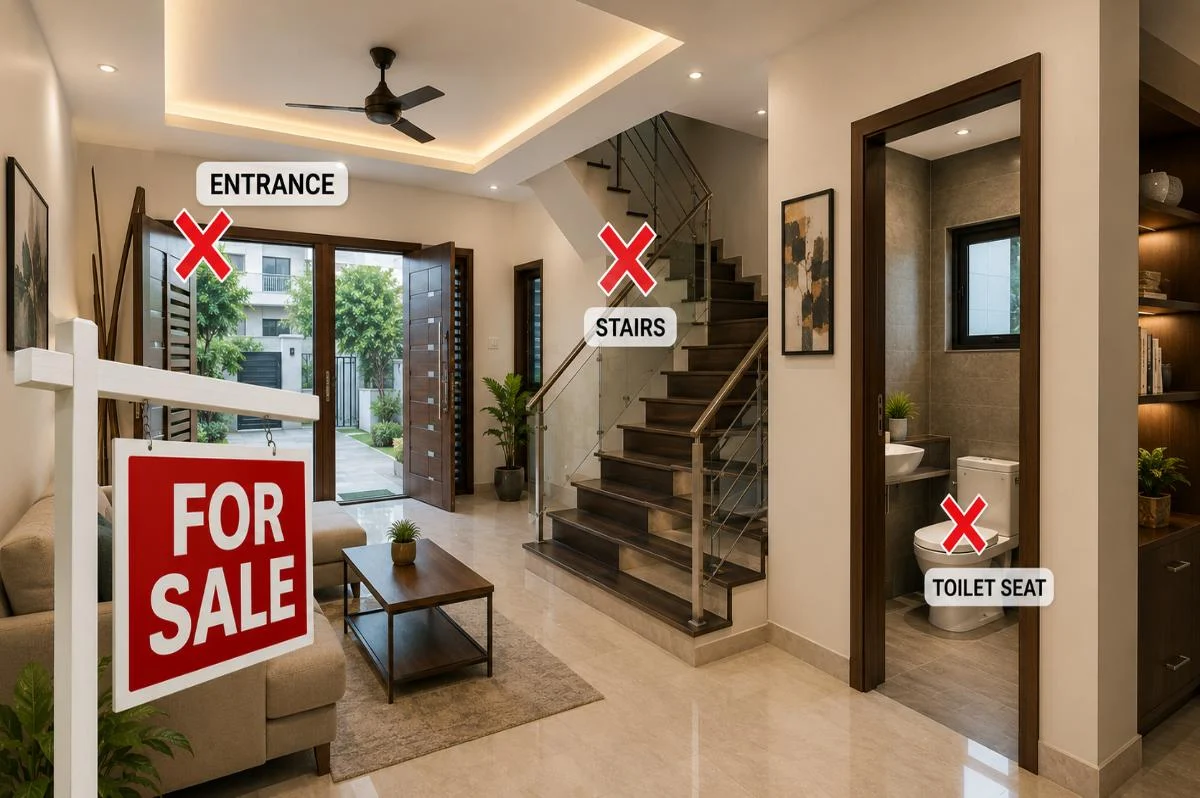
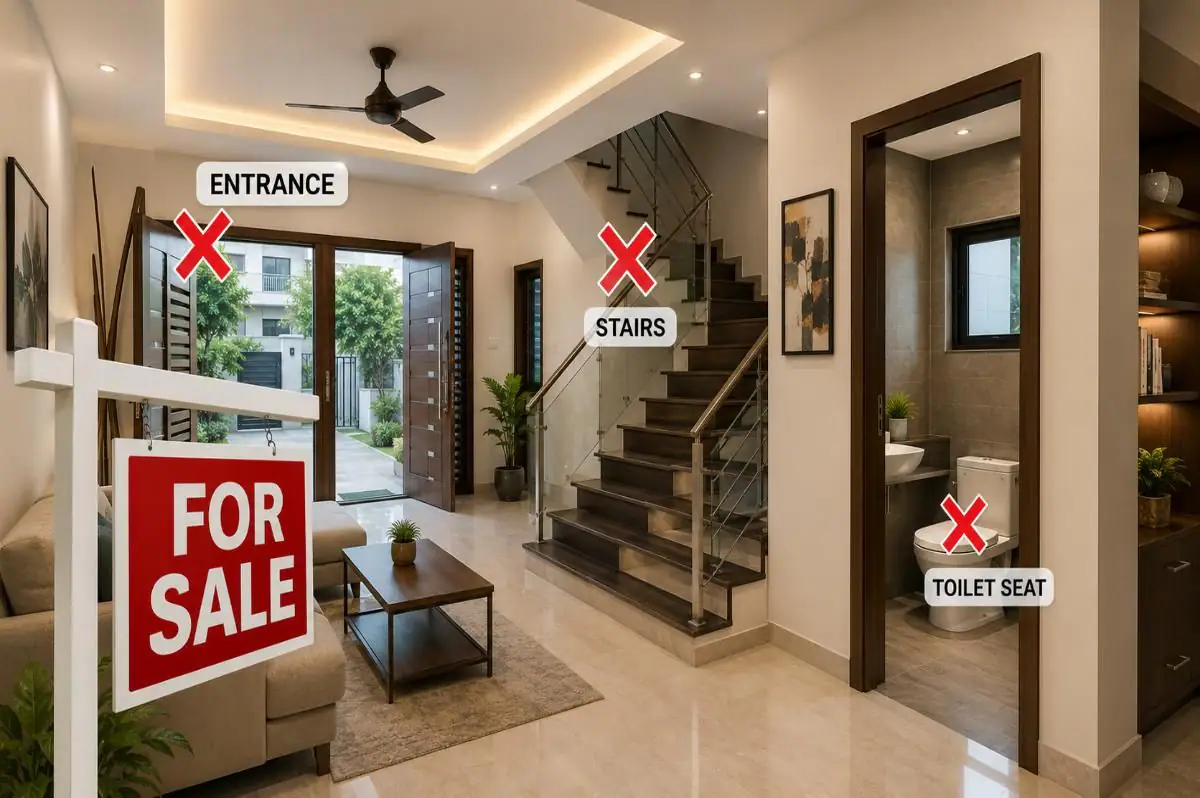
A Vastu Dosh occurs when the layout of a building conflicts with the five elements (Earth, Water, Fire, Air, and Space) or the cardinal directions. The most common "deal-breakers" include:
- South-West facing main entrances.
- Kitchens located in the North-East (the zone of water).
- Toilets situated in the North-East or South-West corners.
- Irregularly shaped plots or "cut" corners in the floor plan.
For the seller, the primary obstacle is not the physical defect itself, but the buyer’s perception of risk. In the buyer’s mind, a Vastu flaw is linked to potential financial instability, health issues, or domestic discord.
2. Chronology: The Lifecycle of a Vastu-Impacted Sale
Selling a property with Vastu defects requires a phased approach, moving from internal correction to external marketing.
Phase I: The Internal Audit (Pre-Listing)
Before the property hits the market, the seller must identify the flaws. Bringing in a Vastu consultant at this stage allows the seller to understand exactly what a prospective buyer’s consultant might point out. This "pre-emptive strike" allows for the installation of remedies before the first viewing.
Phase II: Non-Invasive Remediation
Once defects are identified, the seller applies "cures." In the modern real estate context, structural demolition is rarely an option, especially in high-rise apartments. Sellers instead turn to "elemental corrections"—using mirrors, metal strips, colors, and crystals to "reset" the energy flow.
Phase III: Strategic Listing and Staging
The property is staged to emphasize light, air, and positivity. The marketing copy shifts focus from the layout to the lifestyle, amenities, and "rectified energy" of the space.
Phase IV: The Negotiation Pivot
When a buyer raises a Vastu concern, the seller is prepared with a three-pronged response: acknowledgment of the concern, proof of remediation, and a pivot to the property’s tangible financial advantages (e.g., location, price per square foot).
3. Supporting Data: Common Defects and Their Professional Remedies
To successfully sell a "flawed" property, a seller must be able to speak the language of Vastu solutions. The following table outlines the most frequent objections and the industry-standard non-structural remedies used to appease cautious buyers.
| Common Vastu Issue | Perceived Negative Impact | Professional Remedy/Counter-Measure |
|---|---|---|
| South-West Entrance | Financial instability and "leakage" of wealth. | Installation of a lead metal strip at the threshold or a brass helix above the door to "ground" the energy. |
| North-East Bathroom | Chronic health issues and mental stress for occupants. | Placement of a glass bowl of unrefined sea salt to absorb "negative ions"; keeping the door closed at all times. |
| Kitchen in the North | Conflict between Fire and Water elements; career stagnation. | Placing a yellow marble slab under the cooktop and using specific color palettes (like light greens) to balance the elements. |
| Extension or Cut in Plot | Imbalance in family hierarchy or missed opportunities. | Use of copper Vastu pyramids buried in the corners or mirrors placed on walls to "virtually" complete the missing space. |
| Master Bedroom in SE | Increased irritability and marital friction. | Moving the bed to the South-West corner of the room and using earth-toned decor to stabilize the "Agni" (fire) zone. |
4. Strategic Marketing: Selling the "Vibe" Over the Layout
In real estate, perception is reality. If a house feels dark, damp, or cluttered, a buyer will subconsciously attribute that "bad feeling" to Vastu Dosh, even if the layout is technically compliant. Conversely, a bright, fresh, and well-maintained home can often bypass Vastu skepticism.
The Power of Sensory Staging
Sellers should focus on "Energy Clearing" techniques that have universal appeal:
- Aromatherapy: Using camphor, sandalwood, or lemongrass diffusers creates an immediate sense of "purity" and "temple-like" calm.
- Luminosity: Vastu emphasizes the flow of Prana (life force), which is closely linked to sunlight. Ensuring all windows are clean and using high-lumen, warm-white LED lights can mask directional flaws by making the space feel expansive.
- Decluttering: A cluttered house represents "blocked energy." By removing excess furniture and personal items, the seller allows the buyer to visualize a clean slate.
Targeting the Right Demographic
Not all buyers are equally Vastu-conscious. Strategic sellers categorize their leads:
- The Rationalist/Investor: Focus on rental yield, capital appreciation, and the "deal" price.
- The Modern Professional: Focus on proximity to work hubs, smart home features, and community amenities.
- The Traditionalist: For this group, have a certificate or a letter from a Vastu consultant ready, detailing the remedies already in place.
5. Official Responses and Expert Perspectives
Real estate consultants and Vastu experts suggest that the "fear" of Vastu Dosh is often disproportionate to the actual impact.
“We often see buyers walk away from a great investment because a toilet is in the wrong corner,” says a Mumbai-based luxury real estate agent. “Our job is to educate them that Vastu is about balance, not perfection. If 70% of the house is correct and the remaining 30% is remediated with pyramids or color therapy, the home is perfectly livable.”
Vastu consultants also note that in the era of high-density urban living, 100% Vastu compliance is mathematically impossible. This reality is slowly creating a more pragmatic buyer who is willing to accept "remedied" homes if the price and location are right.
6. Implications: The Financial Cost of Vastu Neglect
The implications of ignoring Vastu concerns during a sale can be quantified. Data from major Indian metros suggest:
- Time-on-Market: Properties with unaddressed Vastu flaws stay on the market 30-50% longer than compliant homes.
- Price Erosion: Sellers who refuse to acknowledge Vastu concerns often end up making "distress sales," dropping their asking price by 15-20% just to exit the asset.
- The "Remedy ROI": Spending ₹20,000 to ₹50,000 on professional Vastu remedies and a consultant’s report can protect a property value of several crores. It is one of the highest-return investments a seller can make.
7. Conclusion: Balancing Tradition with Transaction
Selling a house with Vastu Dosh is a test of a seller’s patience and strategic thinking. In the Indian context, dismissing a buyer’s Vastu concerns as "superstition" is a tactical error that leads to failed negotiations. Instead, the most successful sellers are those who treat Vastu as a technical specification—no different from plumbing or electrical wiring.
By acknowledging the cultural importance of Vastu, applying non-invasive remedies, and focusing on the property’s undeniable strengths, sellers can turn a "defective" property into a "corrected and balanced" sanctuary. In the end, a buyer is looking for a home that promises a bright future. If you can provide the visual and psychological proof that your home offers exactly that, the "Dosh" becomes a mere footnote in a successful transaction.
Disclaimer: The information provided in this article is a synthesis of market trends, traditional practices, and real estate strategies. Vastu Shastra is a traditional system of architecture; its efficacy is a matter of personal belief. Readers are advised to consult with professional real estate advisors and Vastu practitioners before making significant financial decisions.
