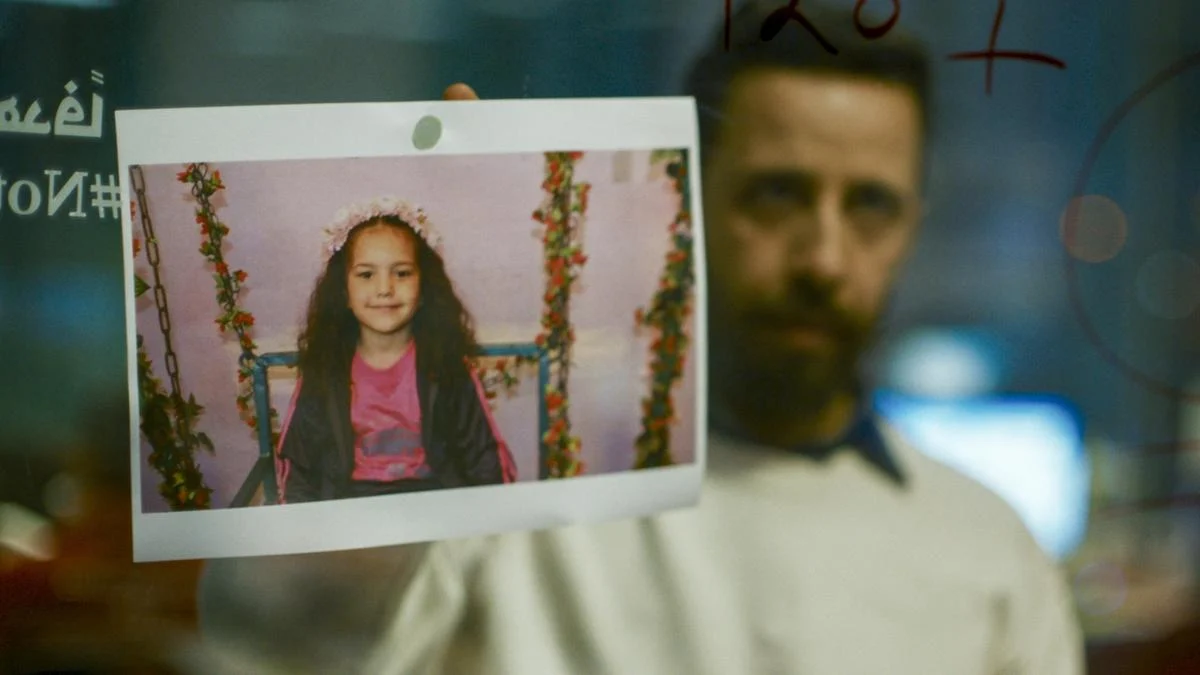
New Delhi, India – May 31, 2026 – The critically acclaimed film "The Voice of Hind Rajab," a poignant and harrowing depiction of the killing of a five-year-old Palestinian child by Israeli forces, appears to be on the cusp of receiving an ‘A’ certificate from the Central Board of Film Certification (CBFC) in India. This potential breakthrough comes after an initial rejection by an Examining Committee, a move that had sparked widespread condemnation from filmmakers, actors, activists, and political opposition, who argued it was a direct consequence of appeasing India’s diplomatic ties with Israel.
The film, directed by Kaouther Ben Hania, has garnered significant international attention and critical acclaim, including a record-breaking 23-minute standing ovation at the Venice Film Festival in 2025. The initial decision by the CBFC’s Examining Committee to deem the film "detrimental to India-Israel relations" had sent ripples through the Indian film fraternity and beyond, raising serious questions about artistic freedom and the influence of geopolitical considerations on cultural expression.
Official sources, speaking on condition of anonymity, indicated that the film is now undergoing review by a Revising Committee, a standard procedure for films that have been initially flagged by the Examining Committee. The outcome of this review is expected to lead to the issuance of the ‘A’ certificate, signifying that the film is suitable for adult audiences. This development signifies a potential shift in stance after weeks of intense scrutiny and public outcry.
A Chronology of Controversy: From Rejection to Reconsideration
The journey of "The Voice of Hind Rajab" towards an Indian release has been fraught with challenges, marked by a significant period of uncertainty and debate.
Early 2026: International Acclaim and Anticipation
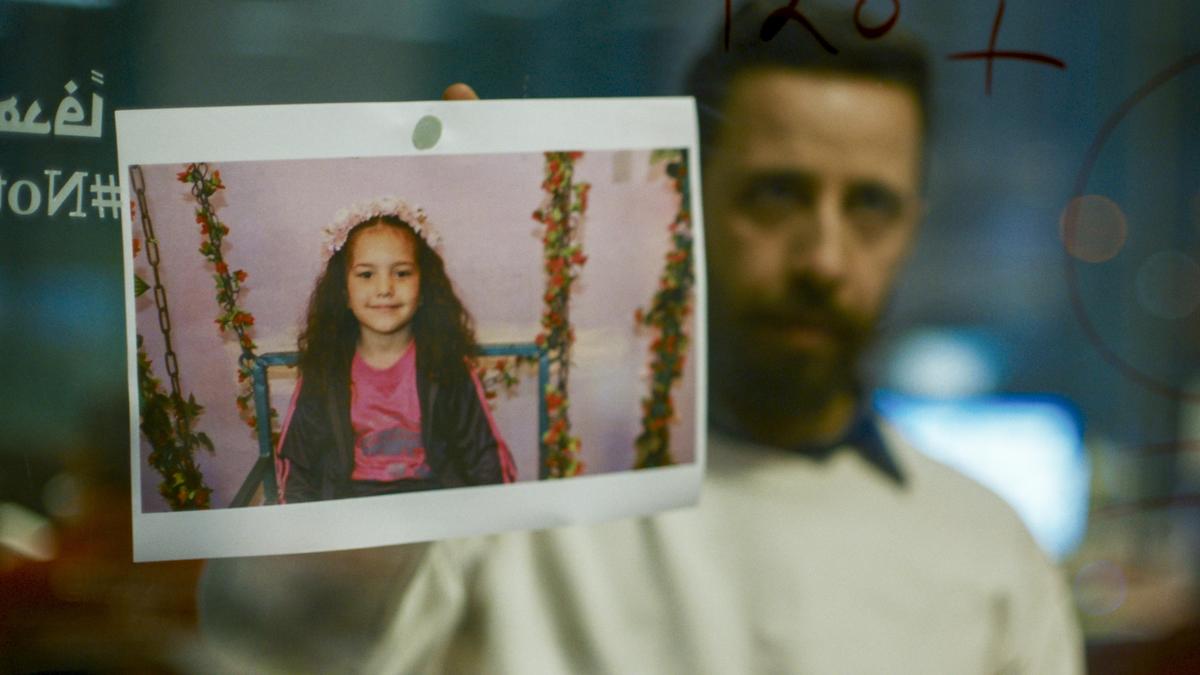
Following its powerful debut and subsequent accolades at international film festivals, anticipation for "The Voice of Hind Rajab" grew within India. The film’s subject matter, the tragic death of Hind Rajab, resonated with many who have been following the ongoing Israeli-Palestinian conflict.
March 2026: Initial Rejection and Oral Communication
Sources indicate that the film was initially rejected by the CBFC’s Examining Committee. This decision was reportedly communicated orally to Manoj Nandwana, the film’s India distributor. Mr. Nandwana, in an interview with The Hindu in March, had expressed his apprehension about the film’s certification, citing suspicions that its release might be hampered due to prior interventions by the Ministry of Information and Broadcasting (I&B) at various international film festivals where India was participating. It is important to note that the Ministry’s clearance process for films screened at Indian international film festivals operates independently of the CBFC’s certification for theatrical release.
March 2026: Political Outcry and Parliamentary Intervention
The alleged ban on the film triggered a strong reaction from a cross-section of society. Members of Parliament from prominent political parties, including the Congress, the Communist Party of India (Marxist), the Dravida Munnetra Kazhagam (DMK), and the Samajwadi Party, penned a joint letter to the Union Minister for Information and Broadcasting, Ashwini Vaishnaw. The letter unequivocally condemned the film’s ban, highlighting the perceived suppression of a narrative that shed light on human rights violations.

March 2026: Open Letter from Professionals
The controversy also galvanized the artistic community. A strongly worded open letter, signed by approximately 90 filmmakers, actors, and activists, was released, denouncing the CBFC’s stance. The letter articulated a deep concern that the Indian authorities were prioritizing diplomatic appeasement over artistic freedom, going so far as to censor films that brought to light "their most appalling crimes." This collective expression of dissent underscored the perceived threat to artistic expression and the ethical responsibilities of a certifying body.
March 2026: Director’s Public Query
Director Kaouther Ben Hania herself weighed in on the situation through a public statement on social media. Expressing her bewilderment, she questioned the fragility of the relationship between "the world’s largest democracy" and "the only democracy in the Middle East," suggesting that a film’s narrative could potentially disrupt such diplomatic bonds. Her query reflected a broader concern about how political sensitivities might impinge upon the circulation of important cinematic works.
April – May 2026: Review by Revising Committee

Following the widespread outrage and parliamentary intervention, senior officials from the Ministry of Information and Broadcasting indicated that the film would be re-examined by a Revising Committee. This committee, composed of a different set of members, undertakes a comprehensive review of films that have faced initial objections. The standard procedure dictates that if the Examining Committee recommends refusal, the applicant has the right to request a review by a Revising Committee.
Supporting Data and International Reception
"The Voice of Hind Rajab" has not only garnered critical acclaim but has also been recognized for its powerful storytelling and its unflinching portrayal of the realities of conflict.
- Venice Film Festival Success: The film’s premiere at the Venice Film Festival in 2025 was met with unprecedented applause, lasting for an extraordinary 23 minutes. This prolonged standing ovation is a rare and significant indicator of a film’s impact and resonance with its audience. Reports from the festival also indicated spontaneous chants of "Free Palestine" during the screening, underscoring the film’s potent socio-political message.
- Critical Acclaim: Beyond Venice, "The Voice of Hind Rajab" has received positive reviews from international critics for its sensitive direction, powerful performances, and its ability to humanize the victims of conflict. The film is lauded for its focus on the individual tragedy within a larger geopolitical crisis.
- Artistic Merit: The film’s narrative is understood to be deeply rooted in documented events, aiming to bring a human face to statistics and to advocate for empathy and understanding. Its artistic merit lies in its ability to evoke emotional responses and provoke thought without resorting to gratuitous sensationalism.
Official Responses and the Path Forward
While official statements from the CBFC and the Ministry of Information and Broadcasting have been largely measured, the actions taken in response to the controversy speak volumes.
- CBFC’s Role: The Central Board of Film Certification is an autonomous statutory body that certifies films for public exhibition in India under the Cinematograph Act, 1952. Its mandate includes ensuring that films are suitable for exhibition and do not violate any provisions of the Act, which prohibits content that is against the interests of the sovereignty and integrity of India, security of the State, friendly relations with foreign States, public order, decency or morality.
- Ministry’s Intervention: The Ministry of Information and Broadcasting, while not directly involved in the day-to-day certification process, can influence policy and review decisions, particularly in cases involving diplomatic sensitivities. The Ministry’s prior actions at international film festivals, as alluded to by the distributor, suggest a proactive approach to managing India’s international image.
- Revising Committee’s Mandate: The Revising Committee’s role is to provide a fresh perspective and re-evaluate the film based on the same guidelines. Their decision will ultimately determine whether the film receives certification.
- Distributor’s Decision: Even if the CBFC issues an ‘A’ certificate, the final decision on whether to distribute the film to cinemas rests with Mr. Nandwana. His earlier apprehensions, coupled with the potential for continued scrutiny, mean that the release is not entirely guaranteed until he officially decides to proceed.
Implications and Wider Ramifications
The saga of "The Voice of Hind Rajab" in India holds significant implications for artistic freedom, international relations, and the role of cinema as a medium for social commentary.
- Artistic Freedom vs. Geopolitical Concerns: The case highlights the perennial tension between artistic expression and the demands of foreign policy. The initial rejection of the film by the Examining Committee suggests a strong inclination to avoid any potential diplomatic friction with Israel. The subsequent reconsideration, however, points towards a recognition of the importance of allowing diverse narratives to be shared, even if they are politically sensitive.
- The Power of Public Discourse: The widespread condemnation from filmmakers, activists, and the political opposition played a crucial role in prompting the reconsideration of the CBFC’s decision. This underscores the power of an engaged civil society and a free press in holding institutions accountable and advocating for principles of artistic freedom.
- India’s Soft Power and Cultural Diplomacy: India’s stance on such films can impact its image as a vibrant democracy that upholds freedom of expression. Censorship, even if driven by diplomatic considerations, can be perceived as a sign of intolerance and a departure from democratic values, potentially affecting its cultural diplomacy efforts.
- The Role of Cinema in Conflict Narratives: "The Voice of Hind Rajab" is not merely a film; it is a testament to the power of cinema to humanize victims, foster empathy, and bring attention to human rights issues that might otherwise be overlooked or politicized. Its potential release in India could contribute to a more nuanced understanding of the complexities of the Israeli-Palestinian conflict among the Indian public.
- Future of Film Censorship in India: This case sets a precedent for how the CBFC and the government will navigate future instances where films touch upon politically sensitive international issues. It raises questions about the criteria for certification and the extent to which external political considerations should influence internal regulatory processes.
As the final certification process unfolds, the Indian public and the global film community will be closely watching. The potential release of "The Voice of Hind Rajab" could mark a significant moment, affirming the principle that art can, and should, engage with difficult truths, even when they challenge established political narratives.