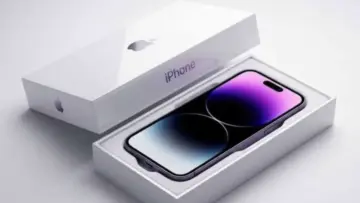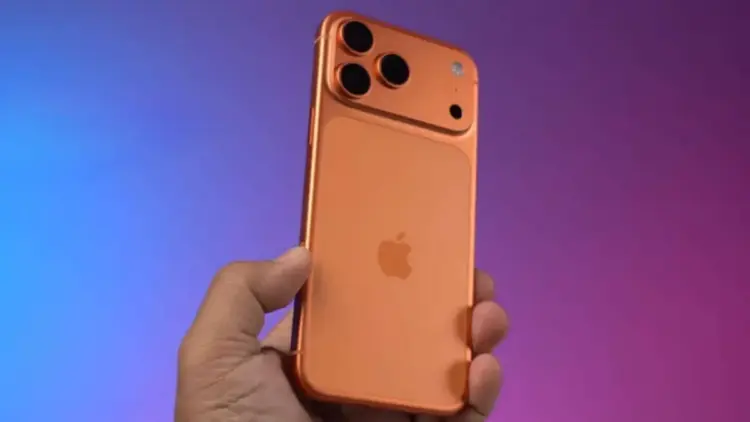
NEW DELHI, [Date] – The latest flagship from Cupertino, the iPhone 17 Pro, carries a formidable sticker price of Rs 1,34,900 in India, placing it squarely in the premium segment and often beyond the immediate reach of many aspirational consumers. However, an increasingly sophisticated ecosystem of festive sales, aggressive exchange programs, and strategic bank offers is transforming this perception, allowing savvy buyers to acquire the device for an astonishingly lower effective price, potentially ranging from Rs 57,000 to Rs 70,000. This remarkable price reduction, often highlighted during India’s peak shopping seasons, underscores a significant shift in how high-end technology is marketed and consumed in one of the world’s fastest-growing smartphone markets.
The allure of Apple’s Pro series, with its cutting-edge camera technology, robust performance, and seamless ecosystem, remains undeniable. Yet, for many years, the direct retail price presented a formidable barrier. The current market dynamics, however, illustrate a calculated strategy by Apple’s retail partners and financial institutions to democratize access to premium devices, albeit under specific conditions and during limited periods. This comprehensive analysis delves into the mechanisms behind these unprecedented discounts, their historical context, the meticulous calculations involved, and the broader implications for consumers, retailers, and the competitive landscape of the Indian smartphone market.
The Core Proposition: Main Facts Behind the Unbeatable Deal
At its heart, the opportunity to acquire an iPhone 17 Pro at a fraction of its official cost hinges on a multi-layered discount strategy. The base price of the iPhone 17 Pro, set at Rs 1,34,900 for its entry-level storage variant, represents Apple’s premium positioning. However, during major festive sales events, a combination of three primary levers is pulled to dramatically reduce the effective cost:
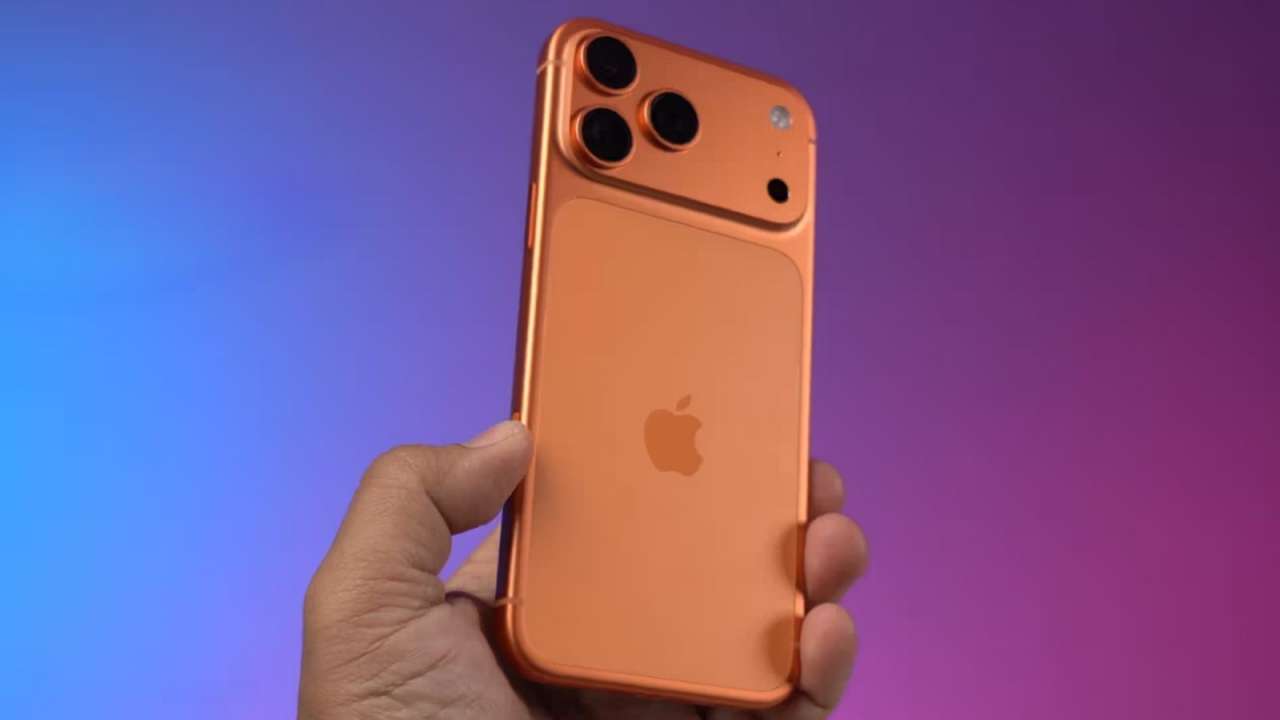
- Generous Exchange Value: Retailers offer substantial trade-in values for older smartphones, particularly recent premium models. This is often the single largest component of the discount.
- Additional Exchange Bonus: Beyond the base exchange value, retailers frequently sweeten the deal with a fixed bonus amount, further incentivizing upgrades.
- Bank Offers: Partnerships with leading banks provide instant discounts or cashback on credit and debit card transactions, often coupled with attractive No-Cost EMI options.
The convergence of these offers can collectively reduce the initial price by more than 50%, pushing the effective price down to the Rs 57,000 to Rs 70,000 bracket. This calculation is highly contingent on the model and condition of the smartphone being exchanged, the specific bank offers available, and the chosen retailer. The strategy is not merely about clearing inventory but about driving upgrades, expanding Apple’s user base in a critical market, and stimulating consumer spending during festive periods. For consumers, it presents an unprecedented window to step into the premium smartphone segment without the full financial burden.
A Legacy of Aspiration: The Chronology of Apple Pricing and Discounting in India
Apple’s journey in India has been distinct, characterized by a gradual but persistent effort to capture a larger share of a market traditionally dominated by budget and mid-range Android devices. For many years, Apple products were perceived as ultimate luxury items, largely inaccessible to the mass market.
The Early Years: Premium Positioning and Limited Reach
In its initial foray into the Indian market, Apple maintained a strict premium pricing strategy. iPhones were typically launched at prices significantly higher than comparable flagships from other brands, and discounts were rare. This strategy cultivated an aura of exclusivity and aspirational value. However, it also meant that Apple’s market share remained relatively niche, confined primarily to affluent urban consumers and early adopters. The focus was on brand building and establishing a distinct identity rather than volume sales.
The Shift: The Rise of Festive Sales and Strategic Partnerships (2015-Present)
A pivotal shift began to occur around the mid-2010s. As India’s smartphone market matured and disposable incomes grew, Apple recognized the immense potential for expansion. This period saw the emergence of major online retailers like Flipkart and Amazon, alongside established offline chains such as Reliance Digital and Croma. These platforms, driven by aggressive sales targets and a desire to attract high-value customers, began experimenting with innovative pricing strategies.
- 2015-2017: Initial attempts at discounting were modest, often involving small cashback offers or EMI schemes. The concept of "effective price" started gaining traction.
- 2018-2020: The introduction of aggressive exchange programs became a game-changer. Retailers started offering significant trade-in values, especially for older iPhones, making upgrades more appealing. Bank partnerships also became more robust, with instant discounts becoming a common feature during sales events like Diwali, Dussehra, and the Republic Day/Independence Day sales.
- 2021-Present: The strategy has fully matured into the multi-layered discounting model seen today. Festive sales, particularly the "Big Billion Days" (Flipkart) and "Great Indian Festival" (Amazon), along with store-specific sales from Reliance Digital and Croma, have become synonymous with major iPhone deals. The focus shifted from merely offering discounts to orchestrating complex financial arrangements that make high-value purchases seem more attainable. The concept of an "exchange bonus" was introduced to further incentivize consumers to trade in their old devices, reducing e-waste and stimulating faster upgrade cycles.
This chronological evolution reflects a strategic adaptation by Apple and its partners to the unique dynamics of the Indian market. While Apple maintains its global pricing strategy to preserve brand equity, it empowers its retail channels to employ localized, aggressive discounting tactics during key purchasing windows. This allows Apple to capture a broader segment of the market without officially lowering its list prices, thereby maintaining its premium image while significantly expanding its user base. The "effective price" has thus become a crucial metric, reflecting the actual out-of-pocket expense for consumers who skillfully navigate these complex offers.
The Calculus of Savings: Supporting Data and Detailed Mechanisms
Understanding how the iPhone 17 Pro’s price plummets from Rs 1,34,900 to potentially Rs 57,000 requires a granular look at each component of the discount.

1. The Base Price: iPhone 17 Pro
The iPhone 17 Pro is launched with a starting price of Rs 1,34,900 for its base storage variant (e.g., 128GB or 256GB). This is the benchmark against which all discounts are applied.
2. Exchange Value: The Primary Discount Driver
The exchange program is the cornerstone of these deals. The value offered for an old smartphone is dynamic and depends on several critical factors:
- Brand and Model: Newer, premium smartphones, especially previous generation iPhones (e.g., iPhone 15 Pro, iPhone 16 Pro, iPhone 16), command the highest exchange values. Flagship Android devices from brands like Samsung (Galaxy S series), Google (Pixel Pro series), and OnePlus (Pro series) also fetch good prices. Older or mid-range devices will yield significantly less.
- Age: Newer phones naturally get better values. A phone that is 1-2 years old will be valued higher than one that is 3-4 years old.
- Storage Variant: Higher storage variants of the old phone might get a slightly better exchange value.
- Condition: This is paramount. The device must be in good working order, free from major physical damage (cracks, dents), with all components functional (camera, display, ports). A fully functional device with minor cosmetic wear will get the best value. Devices with screen damage, dead pixels, or significant functional issues will either be rejected or receive a drastically reduced value. Battery health also plays a role, with higher health percentages yielding better offers.
Typical Exchange Value Range: For a well-maintained, recent premium smartphone (e.g., an iPhone 16 in good condition, or a Samsung Galaxy S24 Ultra), retailers like Reliance Digital, Croma, and Flipkart might offer Rs 44,500 to Rs 55,000. In optimal scenarios, exchanging a very recent Pro Max model from the previous year (e.g., iPhone 16 Pro Max) could even push this value higher, potentially up to Rs 60,000 – Rs 65,000.

3. Exchange Bonus: The Extra Incentive
To further sweeten the deal and encourage upgrades, retailers often provide an "exchange bonus." This is a fixed additional amount credited on top of the regular exchange value.
Typical Exchange Bonus Range: During major festive sales, this bonus can range from Rs 10,000 to Rs 12,000. This bonus is usually time-sensitive and might be applicable only to specific models or brands being exchanged. For instance, exchanging an iPhone for another iPhone might unlock a higher bonus than exchanging an Android phone.
4. Bank Offers: The Final Polish
Bank partnerships are crucial for making these high-value purchases more accessible. These offers typically come in two forms:

- Instant Discount: A direct reduction in price when using specific bank credit or debit cards (e.g., HDFC Bank, ICICI Bank, SBI, Axis Bank).
- Cashback: The discount amount is credited back to the customer’s account a few days or weeks after the purchase.
Typical Bank Offer Range: These offers usually provide an additional saving of Rs 3,000 to Rs 4,000. Many banks also offer "No-Cost EMI" options, allowing consumers to pay for the device in interest-free installments over 3, 6, 9, or even 12 months, making the purchase more manageable financially. It is imperative for consumers to verify the eligible cards and the terms and conditions before making the payment.
Calculation Scenarios for the iPhone 17 Pro (Rs 1,34,900)
Let’s illustrate with different scenarios to understand how the effective price is achieved:
Scenario 1: The Optimal Deal (Targeting ~Rs 58,900 – Rs 63,900)

- Old Phone: iPhone 16 Pro Max (in excellent condition)
- Base Price of iPhone 17 Pro: Rs 1,34,900
- Exchange Value (High): – Rs 60,000 (for iPhone 16 Pro Max)
- Exchange Bonus (High): – Rs 12,000
- Bank Offer (High): – Rs 4,000
- Effective Price: Rs 1,34,900 – Rs 60,000 – Rs 12,000 – Rs 4,000 = Rs 58,900
Scenario 2: The Good Deal (Targeting ~Rs 70,000 – Rs 76,900)
- Old Phone: iPhone 15 (good condition) or Samsung Galaxy S23 Ultra (excellent condition)
- Base Price of iPhone 17 Pro: Rs 1,34,900
- Exchange Value (Mid): – Rs 45,000
- Exchange Bonus (Mid): – Rs 10,000
- Bank Offer (Mid): – Rs 3,000
- Effective Price: Rs 1,34,900 – Rs 45,000 – Rs 10,000 – Rs 3,000 = Rs 76,900
Scenario 3: The Reasonable Deal (Targeting ~Rs 80,000 – Rs 88,900)
- Old Phone: iPhone 14 (good condition) or a 2-year-old flagship Android (e.g., OnePlus 10 Pro, Pixel 7 Pro)
- Base Price of iPhone 17 Pro: Rs 1,34,900
- Exchange Value (Lower End): – Rs 35,000
- Exchange Bonus (Lower End): – Rs 8,000
- Bank Offer (Standard): – Rs 3,000
- Effective Price: Rs 1,34,900 – Rs 35,000 – Rs 8,000 – Rs 3,000 = Rs 88,900
These scenarios highlight that the advertised "Rs 57,000" price is achievable under the most optimal conditions, typically involving the exchange of a very recent, high-value smartphone in pristine condition, combined with the maximum available bank and exchange bonus offers. The average consumer, trading in a slightly older or less premium device, will likely fall into the Rs 70,000 to Rs 90,000 range, which is still a significant saving.

Retailer Strategies: Where to Find the Best Deals
The competitive landscape among major retailers is what fuels these aggressive offers.
- Reliance Digital: Often cited for offering some of the best combined deals, particularly strong exchange values and bonuses, likely due to their extensive network and strategic partnerships. They frequently lead with attractive bundled offers.
- Croma: Another strong contender in the offline retail space, Croma consistently runs similar stacked offers during festive periods, often matching or slightly varying from competitors.
- Flipkart: Dominant in the online space, Flipkart’s "Big Billion Days" sale is legendary for its deep discounts across categories, including premium smartphones. Their exchange program and bank tie-ups are robust.
- Amazon: While not explicitly mentioned in the original snippet, Amazon’s "Great Indian Festival" is another major player offering similar exchange and bank discount schemes.
Consumers are strongly advised to compare offers across these platforms, as prices and specific terms can vary, even within the same festive period. Checking the real-time exchange value for their specific device on each retailer’s website or app is crucial before making a decision.
Market Share and Sales Data
These aggressive pricing strategies have had a tangible impact on Apple’s trajectory in India. While still a premium player, Apple’s market share in the overall smartphone segment has been steadily increasing, particularly in the premium and ultra-premium categories. Reports from market research firms often attribute this growth to the accessibility created by festive sales and effective pricing strategies. These sales not only drive unit volumes but also introduce a new segment of users to the Apple ecosystem, potentially leading to future purchases of other Apple products and services.

The Silent Architect: Official Responses and Industry Commentary
Direct "official responses" from Apple regarding these specific retail discounts are rare. Apple meticulously maintains its brand image as a premium technology innovator globally. However, their strategy in India can be inferred from their actions and the consistent patterns observed in the market.
Apple’s Implicit Strategy: Ecosystem Expansion
Apple’s silence on retailer-specific discounts is a calculated move. By allowing its retail partners to devise these complex offers, Apple achieves several objectives without diluting its global pricing integrity:
- Market Penetration: It enables Apple to penetrate a wider segment of the Indian market, which is highly price-sensitive despite its growing affluence.
- Ecosystem Lock-in: Each new iPhone user represents an entry point into the Apple ecosystem, potentially leading to sales of AirPods, Apple Watch, and subscriptions to services like Apple Music and iCloud.
- Maintaining Premium Image: The official price remains high, preserving the brand’s aspirational value, while the "effective price" makes it accessible.
- Channel Partner Empowerment: It empowers retailers to drive sales and manage inventory, fostering strong relationships with key distribution channels.
An industry analyst might comment, "Apple has mastered the art of playing both sides of the fence in India. They project an aspirational, premium image globally, but locally, they facilitate aggressive pricing strategies through their partners. This allows them to capture the high-growth Indian market without compromising their global brand positioning. The ‘effective price’ is a brilliant marketing construct for this purpose."

Retailer Perspectives: Driving Volume and Loyalty
Retailers are candid about the importance of these sales. A hypothetical spokesperson for a major electronics retailer might state, "Festive sales are critical for us. They not only boost our quarterly sales figures but also allow us to attract new customers into the premium segment. The exchange programs are particularly effective as they address a key pain point for consumers – what to do with their old devices – while simultaneously driving upgrades to the latest models. Bank tie-ups are essential for making high-value purchases financially viable for a larger customer base, especially with the popularity of No-Cost EMIs."
Bank Perspectives: Customer Acquisition and Portfolio Growth
Financial institutions view these collaborations as strategic opportunities. A representative from a leading private bank could remark, "Our partnerships with major retailers during festive seasons are win-win. They significantly increase our credit and debit card usage, encourage new card applications, and expand our consumer finance portfolio through EMI schemes. For consumers, it’s about making premium products accessible, and for us, it’s about deepening customer relationships and driving transaction volumes."
Consumer Advocacy: Vigilance is Key
While these deals are enticing, consumer advocacy groups often stress the importance of due diligence. A consumer rights expert might advise, "While the offers are genuinely attractive, consumers must read the terms and conditions meticulously. Check the exact exchange value for your specific phone model, understand the fine print of bank offers, and compare across multiple retailers. Don’t get swayed by the headline figure alone; calculate your actual out-of-pocket expense carefully to avoid any surprises." This highlights the responsibility of the consumer in navigating these complex, multi-faceted discounts.

Beyond the Price Tag: Implications for the Market and Consumers
The phenomenon of deeply discounted premium smartphones like the iPhone 17 Pro carries far-reaching implications for various stakeholders within the Indian technology landscape and beyond.
For Consumers: Accessibility vs. Financial Prudence
The most immediate implication for consumers is enhanced accessibility to cutting-edge technology. What was once an aspirational dream for many now becomes a tangible reality. This democratizes access to Apple’s ecosystem, bringing its renowned user experience, security features, and robust app environment to a wider audience. However, this accessibility comes with a caveat. The reliance on exchange offers means consumers are constantly incentivized to upgrade, potentially shortening device lifecycles. Furthermore, the prevalence of No-Cost EMI options, while making purchases manageable, still represents a significant financial commitment that requires careful budgeting. There’s also the risk of "FOMO" (Fear Of Missing Out), pushing consumers to make impulsive decisions during limited-time sales, sometimes without fully evaluating their needs or financial capacity.
For Apple: Sustained Growth and Brand Perception Management
For Apple, these strategies are crucial for sustaining its impressive growth trajectory in India, a market vital for its long-term global ambitions. By expanding its user base, Apple strengthens its ecosystem, ensuring a steady stream of revenue from services and accessories. The challenge, however, lies in managing brand perception. While maintaining a high list price preserves its premium image, the aggressive discounting by retailers could, over time, subtly dilute the perception of exclusivity if not carefully managed. The balance between aspiration and accessibility is a delicate one that Apple must continually fine-tune.

For Retailers: Competitive Dynamics and Margin Management
For major retailers like Reliance Digital, Croma, Flipkart, and Amazon, these sales are a battlefield. They are critical for driving traffic, generating revenue, and maintaining market share. The competitive pressure to offer the "best deal" can be intense, often leading to razor-thin margins on the devices themselves. Their profitability increasingly relies on the volume of sales, the sale of accessories, extended warranties, and the strategic support from brands and banks. The ability to manage complex logistics for trade-ins and deliver seamless customer service during high-volume sales periods becomes a key differentiator.
For the Indian Smartphone Market: Acceleration of Premium Segment and Upgrade Cycles
The aggressive pricing of premium devices is rapidly accelerating the growth of India’s premium smartphone segment. Consumers who might have previously opted for high-end Androids are now finding iPhones within their reach. This also stimulates faster upgrade cycles, as consumers are incentivized to trade in their devices more frequently to maximize exchange values. This trend benefits the overall market by driving innovation, increasing demand for accessories, and fostering a more dynamic competitive environment among smartphone manufacturers.
Economic Impact: Boost to Retail and Consumer Finance
These festive sales contribute significantly to the broader economy. They inject dynamism into the retail sector, create temporary employment opportunities, and boost consumer confidence. The widespread adoption of consumer finance options, particularly No-Cost EMIs, also signals a maturing financial landscape, enabling more people to access high-value goods while spreading out their payments. This contributes to the growth of consumer credit and strengthens the banking sector’s retail portfolio.

Future Outlook: Evolution of Discounting and Consumer Behavior
The trend of multi-layered discounting for premium smartphones is likely to continue and perhaps even evolve further. As the Indian market becomes more mature and competitive, retailers and brands will continue to innovate with their pricing strategies. We might see more personalized offers, loyalty-based discounts, or even subscription models for premium devices. Consumers, in turn, will become more astute at navigating these complex offers, actively seeking out the best deals and timing their purchases strategically. The "effective price" will remain a dominant metric, shaping purchasing decisions and redefining what "affordable luxury" means in the context of high-end technology. The journey of the iPhone 17 Pro, from a luxury item to an attainable premium device for thousands of consumers, is a testament to the dynamic and innovative spirit of the Indian market.
Find your daily dose of All Latest News including Sports News, Entertainment News, Lifestyle News, explainers & more. Stay updated, Stay informed- Follow DNA on WhatsApp.