

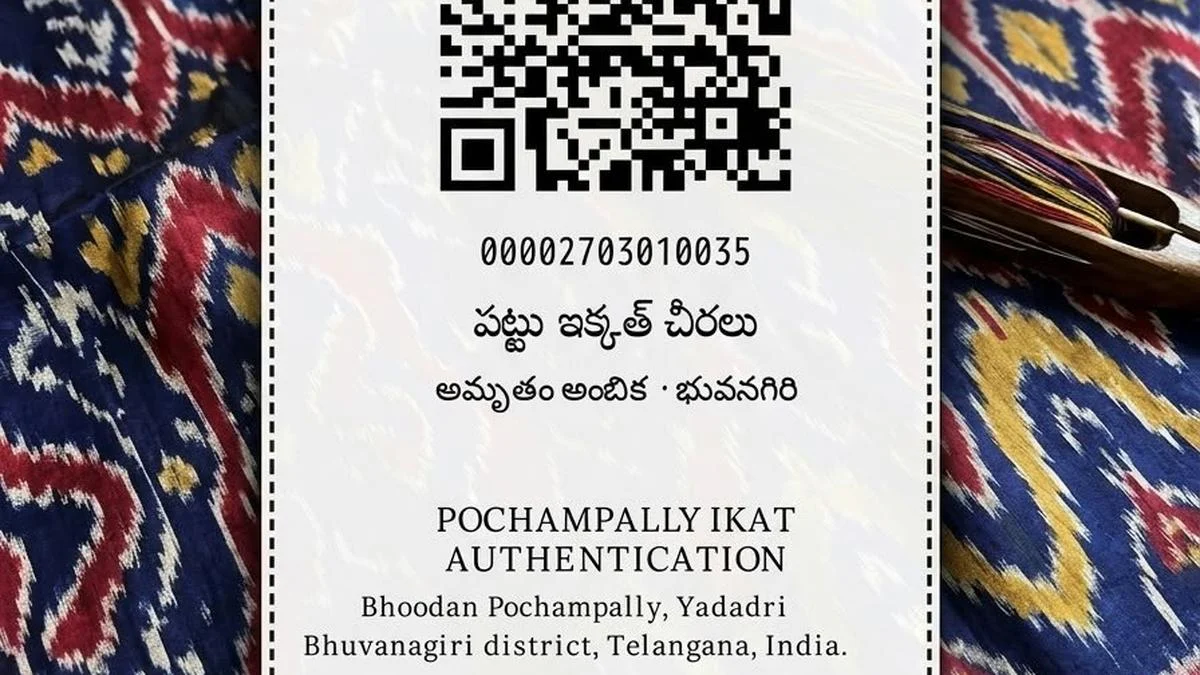
Bhongir, Telangana – August 7, 2026 – In a significant stride towards empowering local artisans and assuring consumers of genuine craftsmanship, the Yadadri Bhuvanagiri district administration has launched an innovative QR code-based authentication system for handloom products. This pioneering initiative, unveiled during the National Handloom Day 2026 celebrations in Bhongir, promises to bridge the gap between the weaver and the wearer, offering an unprecedented level of transparency and recognition for the skilled hands behind each thread.
The system, developed in collaboration with Jupitex AI, allows consumers to scan a unique QR code embedded on handloom products. This scan unlocks a digital gateway, revealing a wealth of information that goes far beyond mere product identification. Purchasers can now access details such as the weaver’s name, their address, the specific geo-tag number of the product’s origin, and even insights into the warp and weft techniques employed in its creation. This move is poised to not only solidify the authenticity of handloom goods but also to bestow greater visibility and appreciation upon the individual weavers who are the custodians of this ancient art form.
The Genesis of Transparency: A Digital Passport for Handloom
The introduction of the QR code system is a direct response to the persistent challenge of counterfeit products and the often-unseen labor of handloom weavers. For generations, the intricate patterns and vibrant textures of Indian handlooms have been cherished, yet the story of the artisan who painstakingly brought them to life has frequently remained untold. This initiative seeks to rectify that, transforming each handloom piece into a narrative, a tangible link to the weaver’s skill, dedication, and cultural heritage.
"This is more than just a technological upgrade; it’s a revolution in how we perceive and value handloom," stated a district official at the launch event. "We want consumers to feel a personal connection to the products they buy, to understand the immense effort and artistry involved. By providing this direct line of information, we are not only ensuring authenticity but also giving our weavers the recognition they so richly deserve."
The QR code acts as a digital passport, verifying the product’s origin and the legitimacy of its creation. This is particularly crucial in a market where machine-made imitations can often undercut and devalue the efforts of genuine handloom weavers. The system is designed to be user-friendly, ensuring that both seasoned handloom enthusiasts and new patrons can easily access the information.

A Multi-faceted Approach: Beyond Authentication
The QR code initiative is not an isolated effort but a cornerstone of a broader strategy to revitalize the handloom sector in Yadadri Bhuvanagiri. Alongside the digital authentication, the district is investing in the future of design and weaver welfare through several other significant programs.
One of the most anticipated developments is the establishment of a Design Resource Centre in Pochampally, a region renowned for its exquisite Ikat weaving. This centre is envisioned as a dynamic hub where traditional weaving techniques can synergize with contemporary design sensibilities and evolving market demands. A Memorandum of Understanding (MoU) has been inked between United Way Hyderabad and the Handlooms and Textiles Department of Yadadri Bhuvanagiri district, formalizing their collaboration in nurturing Pochampally’s design landscape.
The Pochampally Design Resource Centre: A Crucible of Innovation
The Design Resource Centre will serve as a vital platform for weavers, offering them access to crucial resources and support. Under the mentorship of the distinguished Padma Shri awardee, Chintakindi Mallesham, the center will provide:
- Contemporary Design Inputs: Weavers will receive guidance on current design trends, color palettes, and aesthetic preferences that resonate with modern consumers.
- Trend Forecasting: Access to market intelligence and future trend predictions will enable weavers to adapt their creations proactively.
- Archives of Traditional Patterns: The center will maintain a comprehensive repository of ancestral designs, safeguarding and promoting the rich legacy of Pochampally Ikat.
- Institutional Market Linkages: Facilitating connections with larger retailers, export houses, and government initiatives will open up new avenues for sales and distribution.
The center will be equipped with the necessary software and hardware, and will be staffed by skilled designers and human resources. Its strategic location within the district will ensure easy accessibility for local weavers, minimizing travel time and maximizing their engagement.
Skill Enhancement and Welfare Initiatives
The commitment to the handloom community extends to practical training and welfare programs. The initiatives planned go beyond design, encompassing the entire spectrum of the weaving process:

- Pre-Loom and Loom Training: Programs will focus on crucial aspects such as design marking, dyeing techniques (including natural dyeing), and double Ikat weaving. Specialized training on operating looms and jacquards will also be provided.
- Support for Weavers with Disabilities: Recognizing the unique challenges faced by some artisans, the district is planning to provide training on Modha pedal machines and facilitate the provision of these machines. This will enable greater inclusivity and independence for weavers with physical disabilities.
- Health and Well-being: Understanding the importance of a healthy workforce, eye health camps will be organized for the weaving community, addressing potential occupational hazards and promoting overall well-being.
Official Responses and Vision for the Future
The launch of these initiatives was marked by enthusiastic endorsements from government officials, who emphasized their commitment to the long-term sustainability and growth of the handloom sector.
Minister Komati Reddy Venkat Reddy, who has been a vocal advocate for the handloom community, expressed his optimism. "Our handloom weavers are the pride of Telangana. This QR code system and the Design Resource Centre are not just about technology or infrastructure; they are about dignity, recognition, and economic empowerment," he stated. "We are committed to ensuring that their skills are celebrated, their livelihoods are secure, and their artistry continues to flourish for generations to come."
The district administration views these programs as crucial steps in preserving Telangana’s rich textile heritage while integrating it into the modern economy. The vision is to transform Yadadri Bhuvanagiri into a model district for handloom development, where technological innovation and traditional craftsmanship coexist harmoniously.
Implications for the Handloom Ecosystem
The ripple effects of this comprehensive approach are expected to be far-reaching:
- Enhanced Consumer Trust: The QR code system will build significant trust among consumers, assuring them of the authenticity and ethical sourcing of their purchases. This can lead to increased demand and a willingness to pay a premium for genuine handloom products.
- Economic Upliftment of Weavers: By providing greater visibility, market access, and opportunities for skill enhancement, these initiatives aim to improve the economic standing of individual weavers. The Design Resource Centre, in particular, can help them adapt to market trends and command better prices for their creations.
- Preservation of Traditional Craftsmanship: The focus on design, archival resources, and specialized training will play a vital role in preserving and evolving traditional weaving techniques that might otherwise be at risk of fading away.
- Promoting Sustainable Practices: The emphasis on natural dyeing and traditional techniques, coupled with the support for Modha pedal machines, aligns with a broader movement towards sustainable and eco-friendly production methods.
- A Model for Other Districts: The success of Yadadri Bhuvanagiri’s integrated approach could serve as a blueprint for other handloom-producing regions across India, inspiring similar technological and developmental interventions.
As the QR codes begin to adorn the exquisite weaves of Yadadri Bhuvanagiri, they carry with them more than just product information; they carry the stories, the skills, and the aspirations of the weavers who pour their lives into each creation. This technological leap forward is a testament to the district’s commitment to honoring its artisanal heritage and weaving a brighter future for its craftspeople.
