

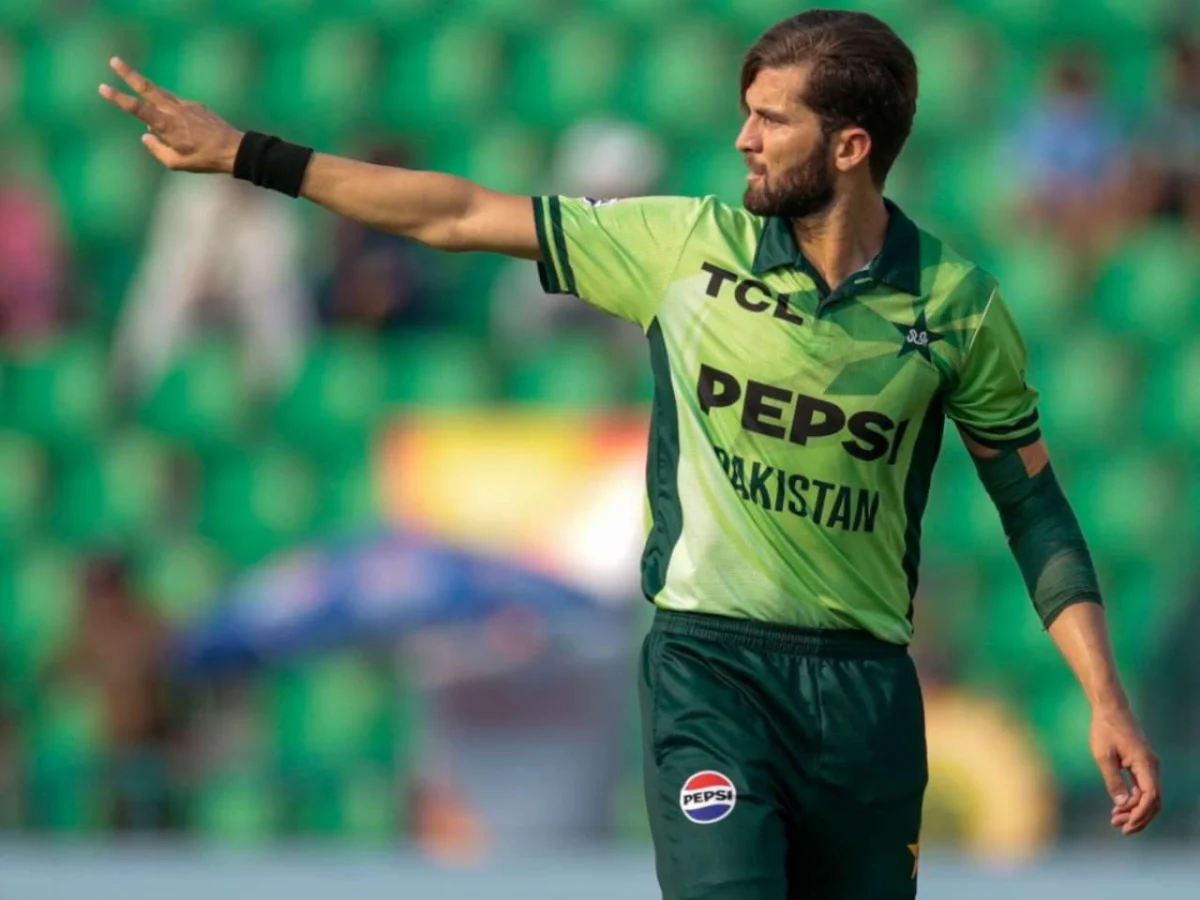
Lahore, Pakistan – In a moment that resonated deeply with the rich cricketing heritage of Pakistan, Shaheen Shah Afridi, the burgeoning left-arm fast bowler and newly appointed One-Day International (ODI) captain, created history by taking a wicket with the very first ball of the second ODI against Australia. This remarkable feat, achieved at the iconic Gaddafi Stadium in Lahore, not only provided Pakistan with an electrifying start but also placed Afridi in an exclusive pantheon alongside legendary pacers Wasim Akram and Waqar Younis, becoming only the third Pakistani captain to achieve such a distinction. The dismissal of Australian opener Alex Carey on Tuesday brought an end to a 25-year drought for Pakistan captains, marking a significant milestone in Afridi’s burgeoning leadership journey.
The significance of Afridi’s achievement extends far beyond the immediate impact on the match. It underscores his exceptional skill, his knack for delivering crucial breakthroughs, and his burgeoning leadership qualities that promise to define a new era for Pakistani cricket. As the cricketing world watched, Shaheen Afridi delivered a moment of pure magic, reminding everyone of the exhilarating unpredictability and sheer talent that Pakistan’s fast-bowling factory consistently produces.
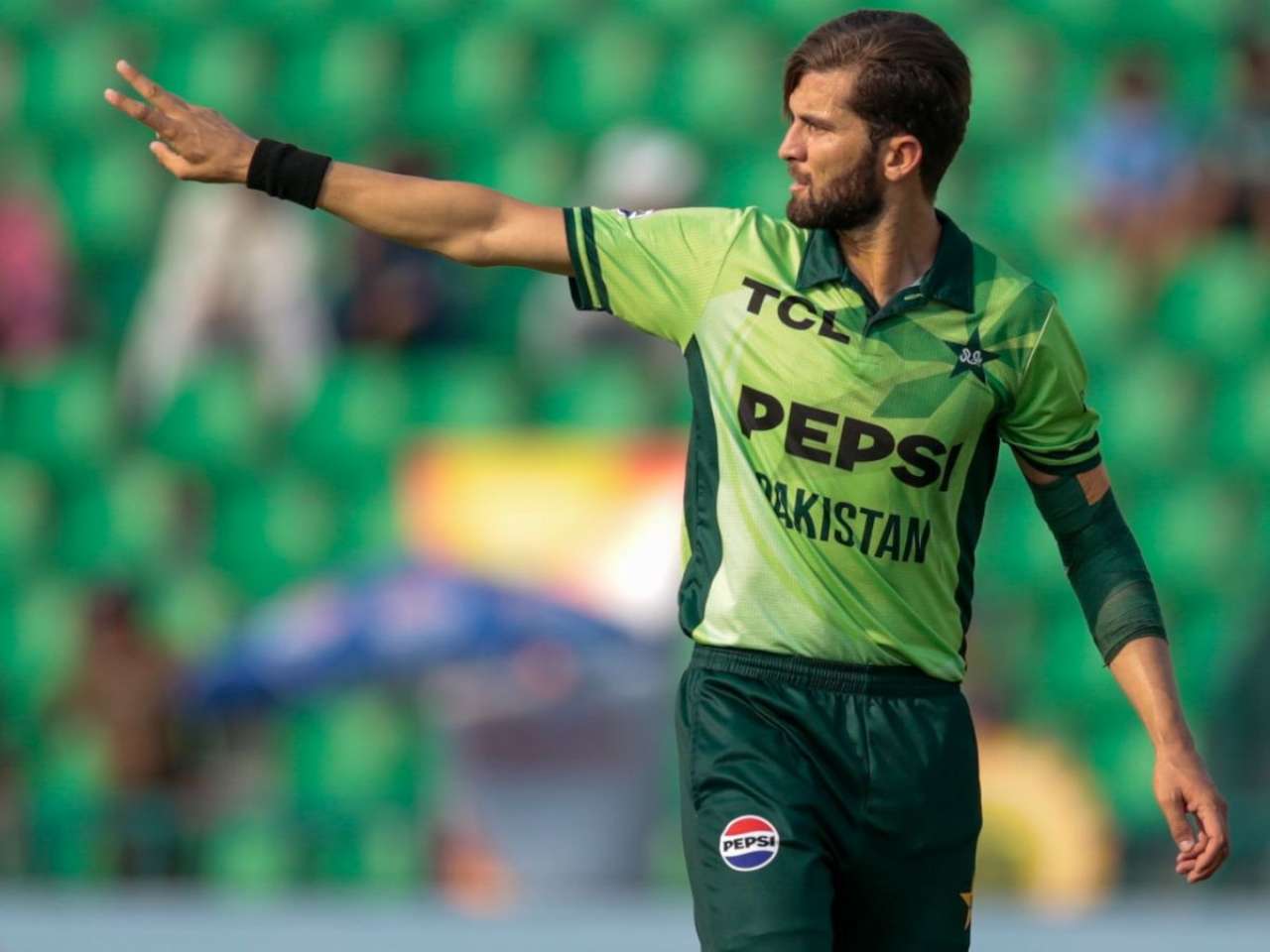
Main Facts: A Captain’s Instant Impact
Shaheen Shah Afridi’s historic first-ball wicket against Australia on Tuesday, June 2nd, 2026, was a moment steeped in both individual brilliance and national cricketing pride. Leading Pakistan in the second ODI of the series against a formidable Australian side at the Gaddafi Stadium in Lahore, Afridi wasted no time in making his mark, literally with the very first delivery of the match.
The victim of this sensational start was Australian wicketkeeper-batsman Alex Carey, who, facing the opening ball of the innings, could only manage a tentative edge that ricocheted onto his stumps. The delivery, bowled with typical Shaheen precision and pace, landed just outside the off-stump, inviting Carey into a drive that proved to be his undoing. The immediate breakthrough sent a wave of euphoria through the stadium and provided the ‘Men in Green’ with an absolutely dream start to what was a crucial encounter.
)
This achievement is particularly noteworthy because it places Afridi in an incredibly exclusive club. He became only the third Pakistani captain in the history of ODI cricket to claim a wicket with the first ball of an innings. The other two luminaries are none other than the "Sultans of Swing," Wasim Akram and Waqar Younis, both considered among the greatest fast bowlers to have ever graced the game. For Afridi, still relatively new to the captaincy role, to emulate such legends so early in his tenure speaks volumes about his character, skill, and ability to perform under pressure.
Furthermore, this particular feat carries an added layer of historical weight: it ended a 25-year wait for a Pakistani captain to achieve a first-ball wicket in an ODI. The previous instance dated back to 2001, highlighting the rarity and difficulty of such an accomplishment. Afridi’s ability to set the tone from the very outset, not just as a bowler but as a captain leading from the front, immediately instilled confidence within his team and resonated powerfully with the passionate Pakistani cricketing faithful. This singular act of brilliance was a powerful statement of intent, signaling Afridi’s determination to lead his side with both his exceptional bowling and his inspirational leadership.

Chronology of a Historic Delivery
The build-up to Shaheen Shah Afridi’s historic first-ball wicket was underpinned by a clear strategic intent and a palpable atmosphere of anticipation. The second ODI against Australia at the Gaddafi Stadium was not just another match; it was an opportunity for Pakistan to assert dominance and for Afridi to stamp his authority as captain.
Pre-match Strategy and Intent:
The day began with Shaheen Afridi winning the toss, a crucial decision-making moment for any captain. Opting to field first, Afridi articulated his strategy with remarkable clarity during the toss interview. "We will bowl first. We want to try and get wickets and restrict them," he stated, his words hinting at an aggressive approach. More tellingly, he added, "Absolutely, my aim is the same, to get an early wicket. If not early, then come on in the middle overs, take one or two wickets, and help the team." This declaration of intent, particularly the focus on an early breakthrough, set the stage for the drama that was about to unfold. He had publicly committed to making an immediate impact, and the cricketing gods seemed to be listening.
)
The Atmosphere at Gaddafi Stadium:
As the players took to the field, the Gaddafi Stadium buzzed with energy. Pakistani crowds are renowned for their passionate support, and the sight of their captain, Shaheen Afridi, marking his run-up with the new ball in hand, always generates an extra layer of excitement. The fresh pitch, the gleaming new white ball, and the prospect of a high-stakes encounter against Australia created a perfect cauldron for a memorable moment. All eyes were on Afridi, the spearhead of Pakistan’s bowling attack and now their leader.
The Build-up to the Delivery:
Australia’s openers, David Warner and Alex Carey, walked out with the usual pre-match jitters and focus. Warner, the seasoned veteran, took strike, but it was Carey, the left-handed wicketkeeper-batsman, who would face Afridi’s first ball. Afridi, known for his long, graceful run-up and powerful action, went through his routine. The tension was palpable as he measured his steps, his gaze fixed on the batsman.
)
The Delivery Itself:
With a powerful leap and a high arm, Shaheen Afridi unleashed the first delivery of the match. It was a classic left-arm fast bowler’s inswinger, delivered at a searing pace. The ball pitched just outside Alex Carey’s off-stump, on a good length, threatening to swing back in. It was designed to force the batsman to play, offering just enough width to tempt a drive while maintaining a line that could exploit any movement. The pace was brisk, the seam upright, and the trajectory perfect.
The Dismissal:
Carey, perhaps a little eager or caught off guard by the pace and slight movement, pushed at the ball. The angle and swing proved too much, and the ball took a faint but decisive edge off his bat. For a split second, there was a collective intake of breath from the crowd. Then, the sickening sound of timber as the ball, after deflecting off the bat, crashed into the stumps, dislodging the bails. The stumps were rattled, and the bails flew, signifying an immediate and emphatic end to Carey’s innings.
)
Immediate Aftermath and Celebration:
A roar erupted from the Gaddafi Stadium as the umpire’s finger went up. Shaheen Afridi, typically reserved in his celebrations, allowed a rare smile of satisfaction to spread across his face, a fist pump acknowledging the magnitude of the moment. His teammates swarmed him, ecstatic at the early breakthrough. The Australian dugout looked on in disbelief, their opening batsman dismissed before a single run had been scored. The entire stadium was galvanized, the early wicket setting an incredibly positive and aggressive tone for Pakistan’s bowling effort. It was a moment of individual brilliance that provided an immediate and significant psychological advantage to the home side.
Supporting Data and Historical Context
Shaheen Shah Afridi’s first-ball wicket is not merely a highlight reel moment; it is a profound statistical anomaly, especially when achieved by a captain. Its rarity is amplified by the illustrious company it places him in, reinforcing his status as a modern-day legend in the making.
)
The Elite Club of Captains:
Before Afridi, only two Pakistani captains had ever achieved the distinction of taking a wicket with the first ball of an ODI innings. Both are towering figures in the annals of fast bowling, whose legacies continue to inspire generations:
-
Wasim Akram (December 1993): The legendary ‘Sultan of Swing’ was the first to achieve this feat. Leading Pakistan against Zimbabwe in Karachi, Akram dismissed opener Andy Flower with the very first delivery of the match. Flower, a prolific batsman, was caught plumb in front, setting the tone for a dominant Pakistani performance. Akram, known for his unparalleled ability to swing the new ball both ways, epitomized the aggressive, wicket-taking mentality that Pakistan fast bowlers are renowned for. His achievement in 1993 was a testament to his unmatched skill and leadership from the front.
)
-
Waqar Younis (June 2001): Eight years after Akram, Waqar Younis, the ‘Burewala Express,’ repeated the feat. Captaining Pakistan against England at Headingley, Younis sent shivers down the spine of the English batting lineup by trapping opener Marcus Trescothick LBW with his first ball. Waqar’s inswinging yorkers and reverse swing were his trademarks, and this dismissal showcased his ability to relentlessly attack the stumps from the very first ball. His feat in 2001 was another moment of individual brilliance by a fast-bowling captain, reinforcing Pakistan’s reputation as a nursery for world-class pace.
For Shaheen Afridi to now join these two titans is a powerful affirmation of his own extraordinary talent and potential. Both Akram and Younis went on to become two of the most successful captains in Pakistan’s history, leading their side to numerous victories with their bowling prowess and astute leadership. Afridi, still in the nascent stages of his captaincy, now carries this torch, inheriting a legacy of aggressive, wicket-taking leadership.
)
Statistical Rarity and the 25-Year Drought:
The fact that this particular milestone has only been achieved three times by Pakistani captains in the entire history of ODI cricket underscores its extreme rarity. For a captain, who carries the additional burden of strategy, field placements, and motivating the team, to deliver such a decisive blow with the very first ball, is truly exceptional. It requires immense concentration, skill, and the ability to execute under pressure.
The "25-year drought" specifically refers to the period between Waqar Younis’s achievement in 2001 and Shaheen Afridi’s in 2026. Over two and a half decades, despite numerous talented fast bowlers and capable captains, no Pakistani leader had managed to replicate this specific feat. This hiatus highlights not just the difficulty, but also the unique confluence of circumstances, skill, and perhaps a touch of destiny, that converge to create such a moment. Afridi’s breakthrough thus becomes a significant marker, closing a long chapter and opening a new one.
)
Shaheen’s Established Impact with the New Ball:
Shaheen Afridi is not a stranger to making an impact with the new ball. From his earliest days in international cricket, he has consistently proven to be one of the most dangerous bowlers in the powerplay. His height, express pace, ability to generate prodigious swing, and relentless accuracy have made him a nightmare for opening batsmen across formats.
- Swing and Seam: Afridi consistently extracts movement both in the air and off the pitch, making him lethal in conditions conducive to swing.
- Pace and Bounce: His natural pace, often touching 145 km/h, coupled with his height, allows him to generate awkward bounce, particularly on responsive pitches.
- Accuracy: Despite his aggression, Afridi maintains excellent control over line and length, often targeting the stumps or just outside the off-stump, forcing batsmen to play.
This first-ball wicket against Australia serves as a powerful reminder and reinforcement of his established reputation as a genuine strike bowler who thrives on early breakthroughs. It’s a testament to his consistency and his unwavering commitment to delivering for his team from the very first ball.
)
Captaincy and Performance:
The additional pressure of captaincy can sometimes weigh heavily on a player’s individual performance. However, in Afridi’s case, it appears to have ignited an even greater sense of purpose. His ability to lead by example, delivering a match-defining moment at the earliest possible opportunity, speaks volumes about his temperament. It suggests a captain who embraces responsibility and thrives under the spotlight, using his primary skill – fast bowling – as a potent weapon to inspire and lead his team. This blend of individual brilliance and leadership is a rare commodity in international cricket.
Official Responses and Expert Commentary
While specific post-match quotes from Shaheen Afridi or his coaching staff were not available in the original report, the immediate impact and the historical significance of his first-ball wicket undoubtedly generated widespread acclaim and discussion within the cricketing fraternity. We can infer the likely official responses and expert commentary based on the magnitude of the achievement.
)
Shaheen Afridi’s Pre-match Statement and Fulfillment:
Crucially, Shaheen Afridi himself set the expectation at the toss. His statement, "Absolutely, my aim is the same, to get an early wicket," wasn’t just a casual remark; it was a promise. The fact that he delivered on this promise with the very first ball of the match speaks volumes about his focus, determination, and self-belief. His actions spoke louder than any words could post-match. This kind of immediate execution of a stated strategy is a dream scenario for any captain and coach, validating their faith in the leader.
Coaching Staff and Team Reactions (Inferred):
The coaching staff, led by head coach (if one was named or inferred), would have undoubtedly been ecstatic. An early wicket, especially against a top team like Australia, immediately shifts momentum and boosts morale. For a captain to deliver this, especially one who is a bowler himself, is an ideal start. The message to the team would be clear: "Our captain leads from the front." This kind of performance can be infectious, inspiring other bowlers to raise their game and fielders to be sharper. Teammates would likely have expressed immense pride and admiration, seeing their leader set such a high standard from the outset.
)
Cricket Pundits and Experts:
Cricket analysts and commentators would have immediately highlighted the rarity of the feat. Comparisons to Wasim Akram and Waqar Younis would have been inevitable, given their legendary status and the unique nature of the "first-ball wicket by a captain" club.
- Praise for Afridi’s Temperament: Experts would have lauded Afridi’s ability to handle the pressure of captaincy while maintaining his lethal bowling form. They would have pointed out that many players struggle to balance the two, making Afridi’s achievement even more impressive.
- Emphasis on Strategic Impact: Commentators would have dissected the tactical implications – how an early wicket immediately puts the opposition on the back foot, forcing them to rebuild and potentially alter their game plan.
- Historical Significance: The 25-year drought would be a key talking point, underscoring the statistical uniqueness of the moment and how it connects Afridi to a rich lineage of Pakistani fast-bowling captains.
- Future Leadership Potential: Pundits would likely discuss what this means for Afridi’s long-term captaincy. Such an impactful start builds immense credibility and confidence, suggesting he has the mettle to lead Pakistan successfully.
Fan and Social Media Reactions:
The Pakistani cricketing fanbase is notoriously passionate, and a moment like this would have exploded across social media platforms. Hashtags praising Shaheen Afridi would trend, with fans celebrating his individual brilliance and the pride he brought to the nation. Comparisons to the legends, expressions of hope for Pakistan’s future under his leadership, and general jubilation would be the dominant themes. The imagery of the stumps being rattled by the first ball would become an instant classic, shared widely and celebrated as a symbol of Pakistani cricketing might.
)
In essence, while direct quotes from the match might not be available, the impact of Shaheen Afridi’s first-ball wicket would have generated an overwhelmingly positive wave of commentary, celebrating not just a single delivery, but a moment of historical significance delivered by a captain leading with unparalleled distinction.
Implications and Future Outlook
Shaheen Shah Afridi’s historic first-ball wicket is more than just a fleeting moment of individual brilliance; it carries profound implications for his captaincy, for Pakistan cricket, and potentially for the broader landscape of ODI cricket. It signals a shift, a statement of intent, and a new benchmark for leadership from the front.
)
For Shaheen’s Captaincy and Personal Journey:
- Boosted Confidence and Credibility: This achievement will undoubtedly provide an immense boost to Afridi’s confidence as a captain. To deliver on a stated intention ("get an early wicket") with the very first ball is a powerful validation of his strategic thinking and his ability to execute under pressure. It establishes his credibility not just as a world-class bowler, but as a leader who can inspire and perform.
- Setting a High Standard: By emulating legends like Akram and Younis, Afridi has immediately set a very high standard for his captaincy. He has demonstrated that he is not afraid to lead from the front with his primary skill. This aggressive, wicket-taking approach will likely become a hallmark of his leadership style.
- Inspiration for the Team: Nothing motivates a team more than seeing their captain lead by example, especially in such a dramatic fashion. This early breakthrough would have injected immense energy and belief into the Pakistani squad, fostering a sense of collective purpose and encouraging others to rise to the occasion.
- Psychological Edge: For upcoming series and tournaments, this feat gives Afridi and Pakistan a psychological edge. Opposition teams will be acutely aware of his ability to strike immediately, adding an extra layer of pressure on their opening batsmen.
For Pakistan Cricket:
)
- A New Era of Captaincy: Afridi’s ascendancy to captaincy, marked by such a historic moment, heralds a new era for Pakistan cricket. The tradition of fast-bowling captains in Pakistan, exemplified by Imran Khan, Akram, and Younis, is being revitalized. This could lead to a more aggressive, front-foot approach in Pakistan’s cricketing philosophy, especially in the white-ball formats.
- Renewed Hope and Optimism: The end of a 25-year drought for this specific achievement brings a renewed sense of hope and optimism among fans and stakeholders. It symbolizes a break from past struggles and a step towards a brighter, more dominant future. It reinforces the idea that Pakistan continues to produce exceptional fast-bowling talent capable of leading the nation.
- Strategic Impact on Team Composition: Having a captain who is also the primary strike bowler might influence team selection and strategy. It allows for greater flexibility in terms of bowling combinations and provides an inherent advantage of having the most impactful bowler also making on-field decisions.
- Building a Legacy: This moment is a foundational block in Afridi’s legacy. If he continues to lead with similar impact and success, this first-ball wicket will be remembered as the iconic beginning of a significant captaincy tenure.
Broader Impact on ODI Cricket:
- Emphasis on Early Breakthroughs: In modern ODI cricket, with its emphasis on powerplays and rapid scoring, early breakthroughs are more crucial than ever. Afridi’s feat underscores the immense value of a genuine strike bowler who can deliver immediate damage, disrupting opposition plans and putting them under pressure from the first ball.
- The Value of All-Round Captaincy: While Afridi is primarily a bowler, his ability to deliver such a pivotal moment as captain highlights the increasing value of leaders who can influence the game directly through their primary skill, rather than solely through tactical acumen.
Upcoming Challenges and Sustaining Momentum:
While this achievement is monumental, the true test for Shaheen Afridi will be to build on this momentum. He will face several challenges:
)
- Consistency: Maintaining his individual bowling performance while managing the pressures of captaincy across various formats and conditions will be key.
- Team Performance: Ultimately, a captain is judged by his team’s results. Afridi will need to translate individual brilliance into consistent team victories, especially in major tournaments like upcoming World Cups.
- Handling Adversity: Every captain faces lean patches and tough losses. How Afridi navigates these challenges, learns from them, and keeps his team motivated will define his long-term success.
Shaheen Shah Afridi’s first-ball wicket against Australia is far more than just a statistic; it is a powerful narrative of a young captain embracing his role, delivering on his promise, and etching his name into the illustrious history of Pakistani cricket. It sets a thrilling precedent for what promises to be an exciting and impactful tenure for one of the game’s most dynamic talents. The journey has just begun, and the cricketing world watches with keen interest to see how this historic moment shapes the future of Pakistan cricket under its new, pace-bowling commander.
