

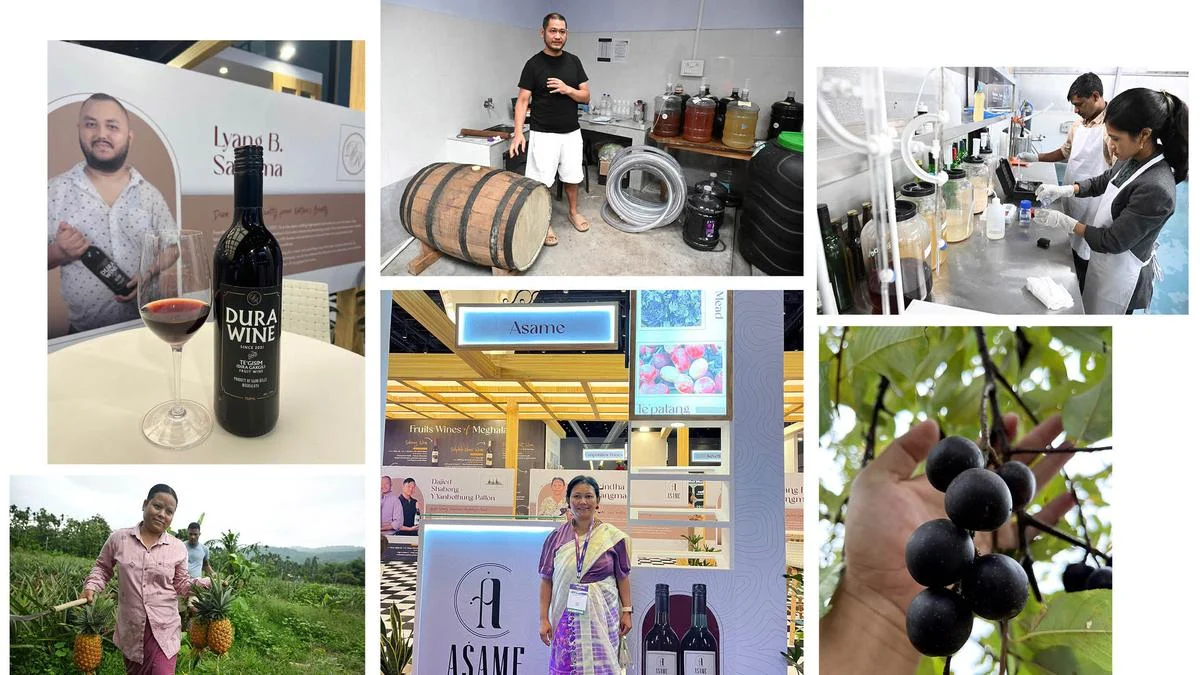
In the mist-shrouded jungles of Meghalaya’s Garo Hills grows a fruit with a peculiar name and an even more distinctive profile: the te.gism. Known to botanists as Prunus jenkinsii or the Himalayan cherry, this "fruit with a dot in its name" was a scientific mystery until less than a decade ago. Today, it serves as the vanguard of a burgeoning fruit wine industry that is transforming the socio-economic landscape of Northeast India.
What began as a tradition of home-brewed elixirs in the Khasi, Jaintia, and Garo Hills is now a sophisticated commercial enterprise. Supported by proactive government policies and a drive to reduce post-harvest waste, Meghalaya is positioning itself as a rival to India’s established wine hubs, offering a "beyond the grape" experience that captures the untamed essence of the Himalayan foothills.
Main Facts: The Rise of Exotic Non-Grape Elixirs
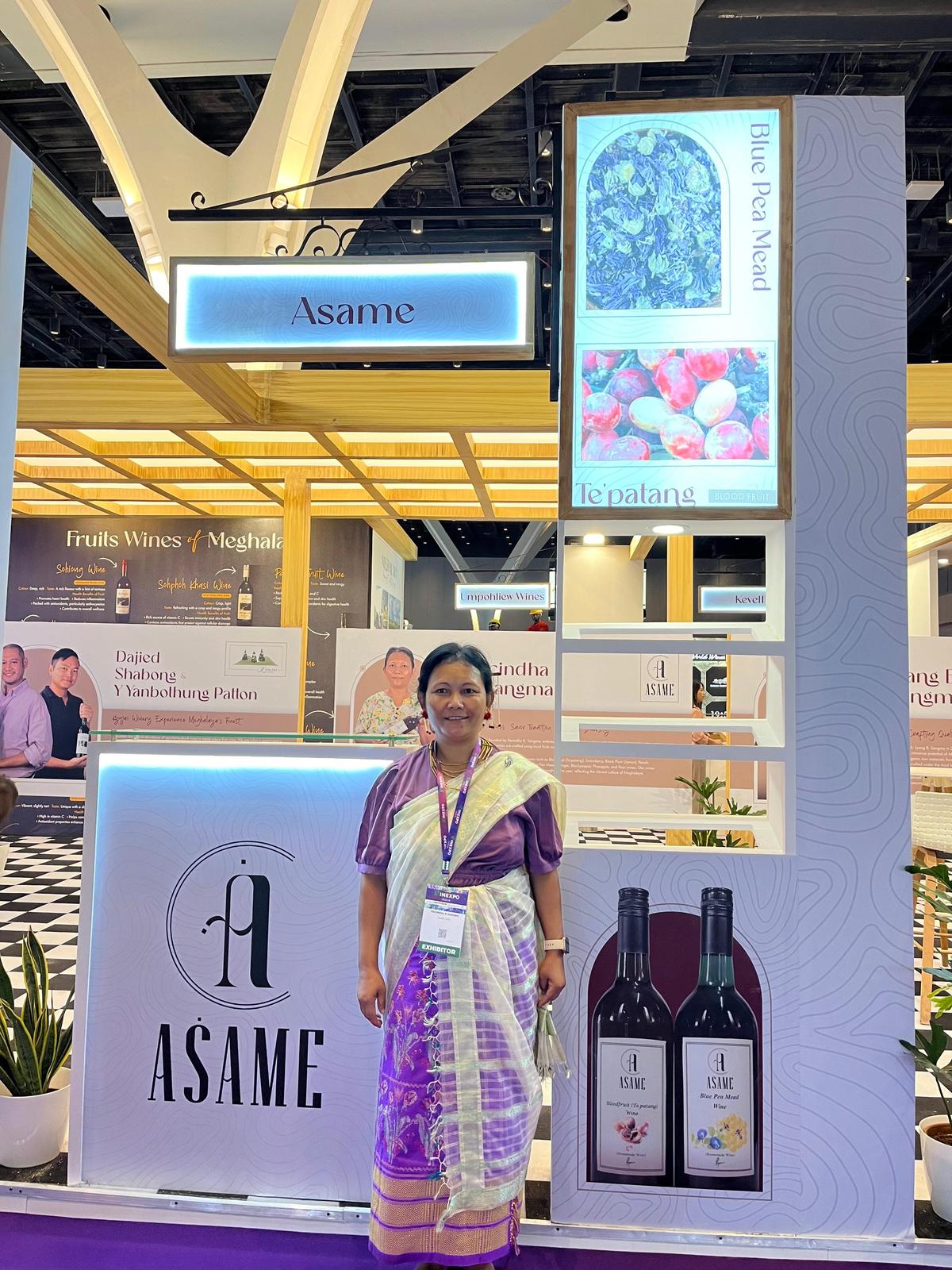
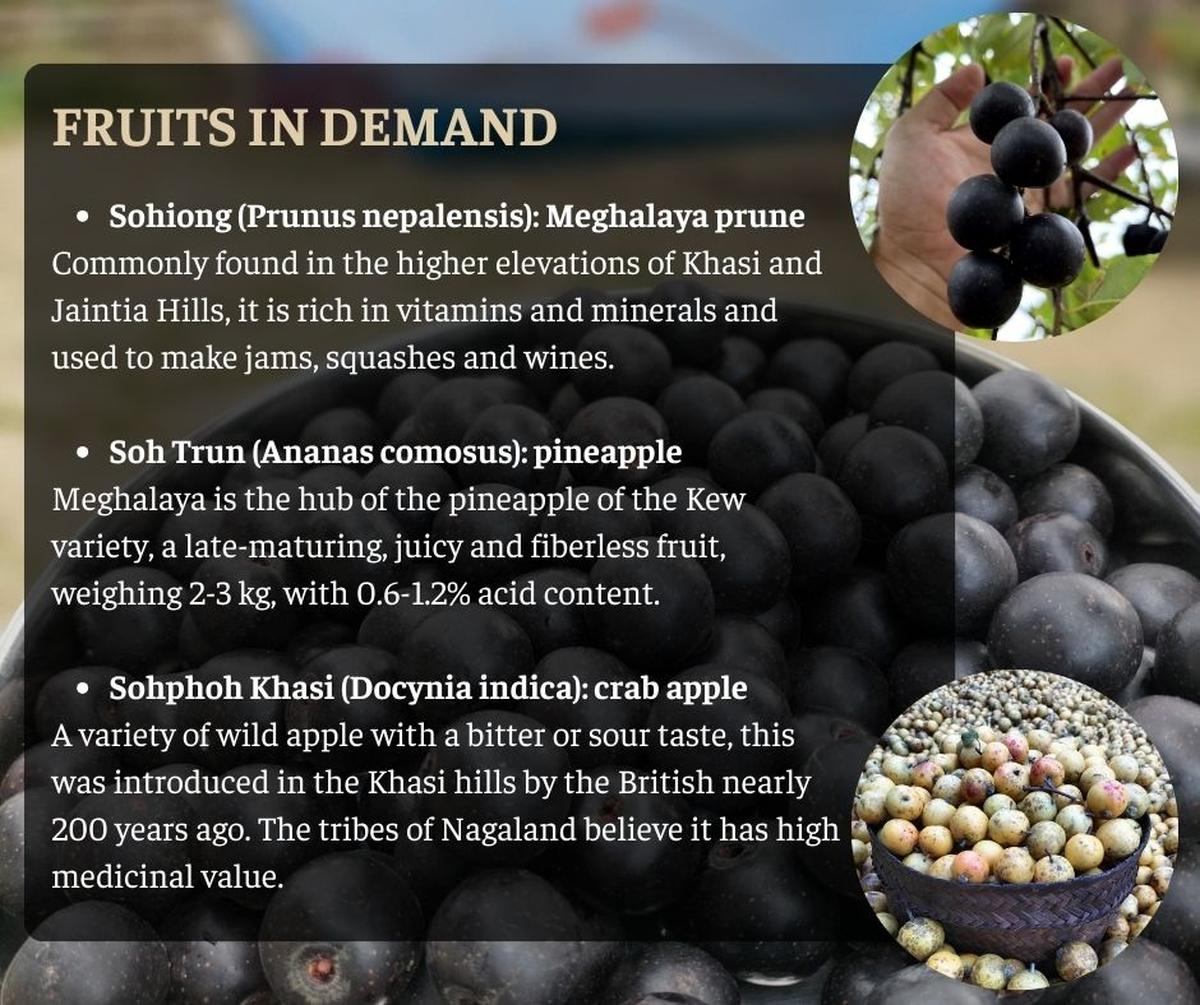
The contemporary Meghalayan wine scene is defined by its departure from the traditional Vitis vinifera (grape). Instead, local winemakers are harnessing a cornucopia of indigenous wild fruits. Leading this charge is the te.gism, a dark red fruit that produces a wine of deep complexity. Alongside it is the te.patang (Haematocarpus validus), or blood fruit, which yields a vibrant, sweet-and-sour crimson pour.
The industry’s recent "coming out party" occurred in September 2024 at Vinexpo India in Mumbai. There, the Meghalaya Farmers Empowerment Commission (MFEC) showcased six exotic fruit wines and meads (honey-based ferments) to international acclaim. Among the entrepreneurs was Lyang B. Sangma of Dura Wines, whose te.gism wine caught the attention of global connoisseurs.

Currently, the state boasts approximately 30 fruit winemakers, with 17 having fully transitioned to commercial-scale production using modern, scientific equipment. These wineries produce a diverse portfolio, including:
- Sohiong (Prunus nepalensis): Often called the Meghalaya prune, it produces a deep purple, tannin-rich wine.
- Sohphie (Myrica esculenta): A bayberry that offers a sweet, aromatic note.
- Jackfruit: A pungent, acquired taste that challenges the palate.
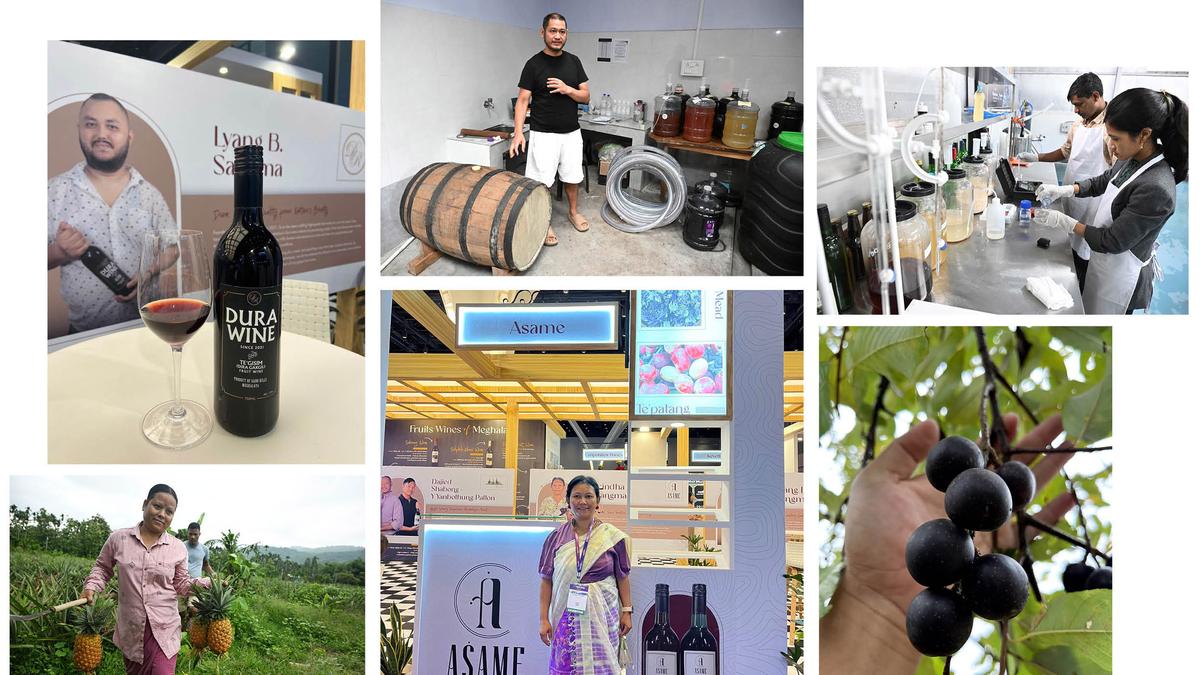
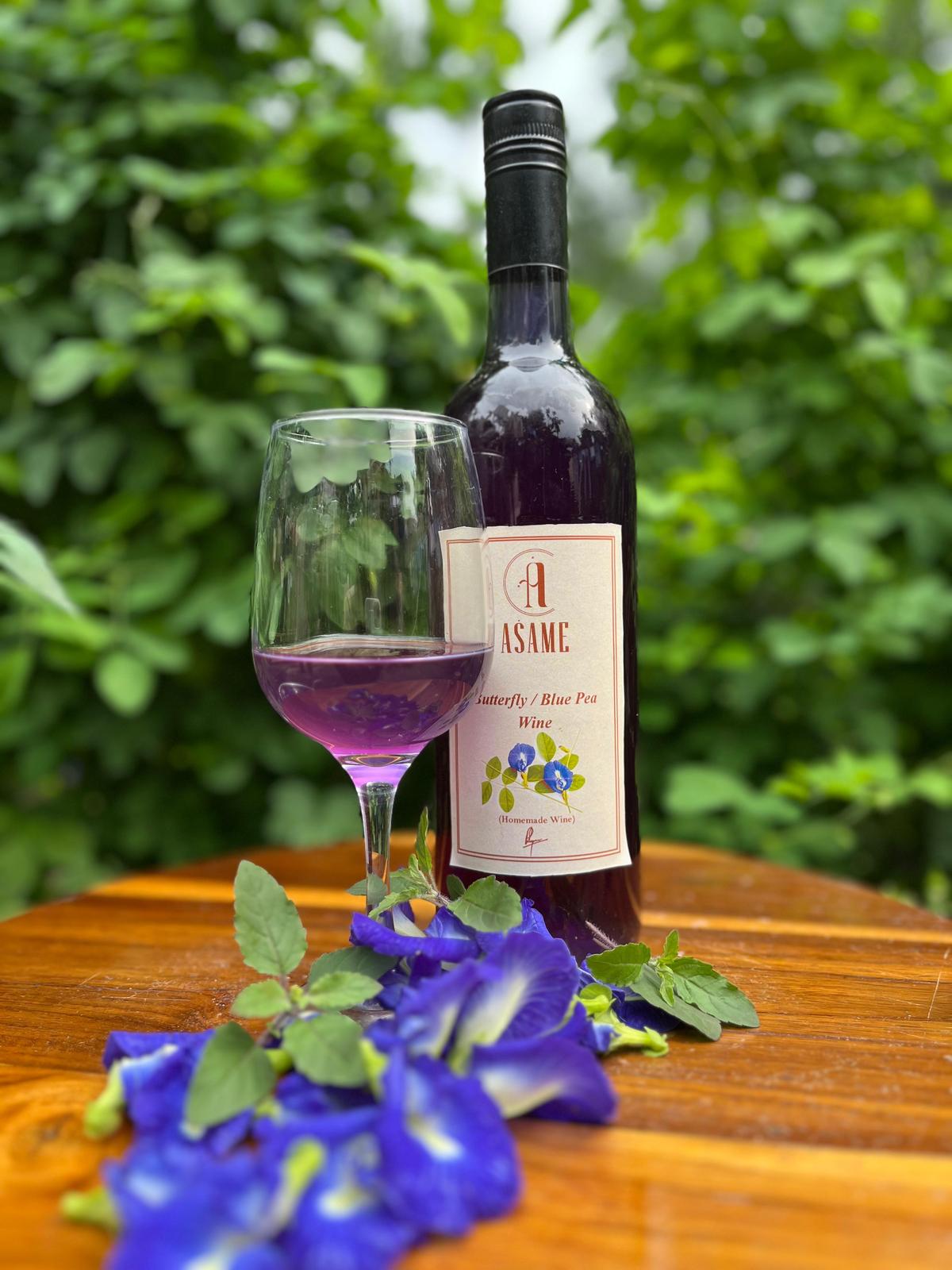
- Butterfly Pea Flower: An infusion resulting in a striking blue wine, often balanced with honey mead.
- Traditional Bitchi: A bottled and carbonated version of the smoky Garo rice beer.
Chronology: From Colonial Roots to Modern Legislation
The history of winemaking in Meghalaya is a tapestry of colonial influence, indigenous tradition, and modern legislative reform.

The Hunt Legacy (1947–1980s)
The formal origins of the industry can be traced back to Captain Harold Douglas Hunt. A British army officer who chose to stay in India after Independence, Hunt settled in the village of Mawphlang. In 1947, he established the state’s first licensed winery, producing the legendary "Mawphlang cherry wine" from wild sohiong. Hunt created a localized ecosystem, employing villagers to forage for fruit beyond the village’s sacred groves. His winery remained a household name until his death in the 1980s, after which the facility fell into disrepair.
The Festival Spark (2004–2018)
For decades, winemaking retreated to the kitchen. It was Michael Syiem of the Shillong-based Forever Young Club who reignited public interest. In 2004, he organized the city’s first wine festival. This annual event served as a critical platform for hobbyists to showcase their ferments to millennials, who began to view exotic fruit wines as a "cooler," more localized alternative to expensive imported grape wines.
The Policy Shift (2019–Present)
The true catalyst for commercialization arrived in 2019 with the establishment of the Meghalaya Farmers Empowerment Commission (MFEC). Recognizing the economic potential of the craft, the state government amended the Meghalaya Excise Rules in September 2020. This landmark decision legalized homemade wines and provided a streamlined pathway for local brewers to obtain commercial licenses. By 2024, the state had reached 17 licensed wineries, the second-highest in India after Himachal Pradesh.
Supporting Data: The Economics of the Bottle
The transition from a cottage industry to a commercial sector is backed by significant financial investment and strategic tax incentives.
Investment and Infrastructure
Setting up a modern winery with a 5,000-litre capacity requires an average investment of ₹50 lakh (excluding land and buildings). To bridge this gap, many entrepreneurs have benefited from government-backed grants. Lyang B. Sangma’s Dura Wine, for instance, was established with a ₹25 lakh machinery grant from the North East Centre for Technology Application and Reach (NECTAR).
Taxation and Incentives
To ensure the industry’s competitiveness, the Meghalaya government has implemented an aggressive tax structure. While other Indian states impose Value Added Tax (VAT) ranging from 4% to 53% on alcohol, Meghalaya imposes zero VAT on fruit wines. The only levies are a nominal ad valorem fee of ₹100 per case (12 bottles) and a retailer’s lifting fee of ₹10 per case. This allows a 750 ml bottle of premium fruit wine to retail at an accessible average price of ₹600.
Social Impact
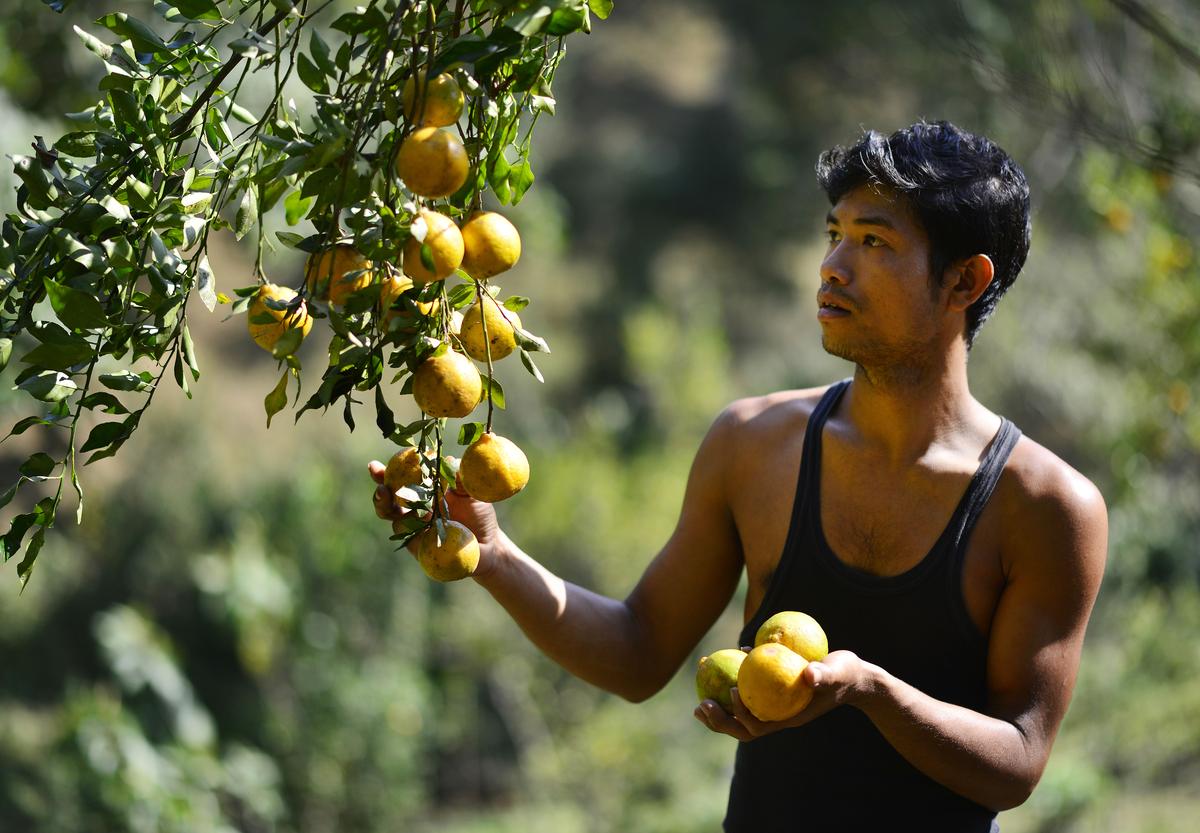
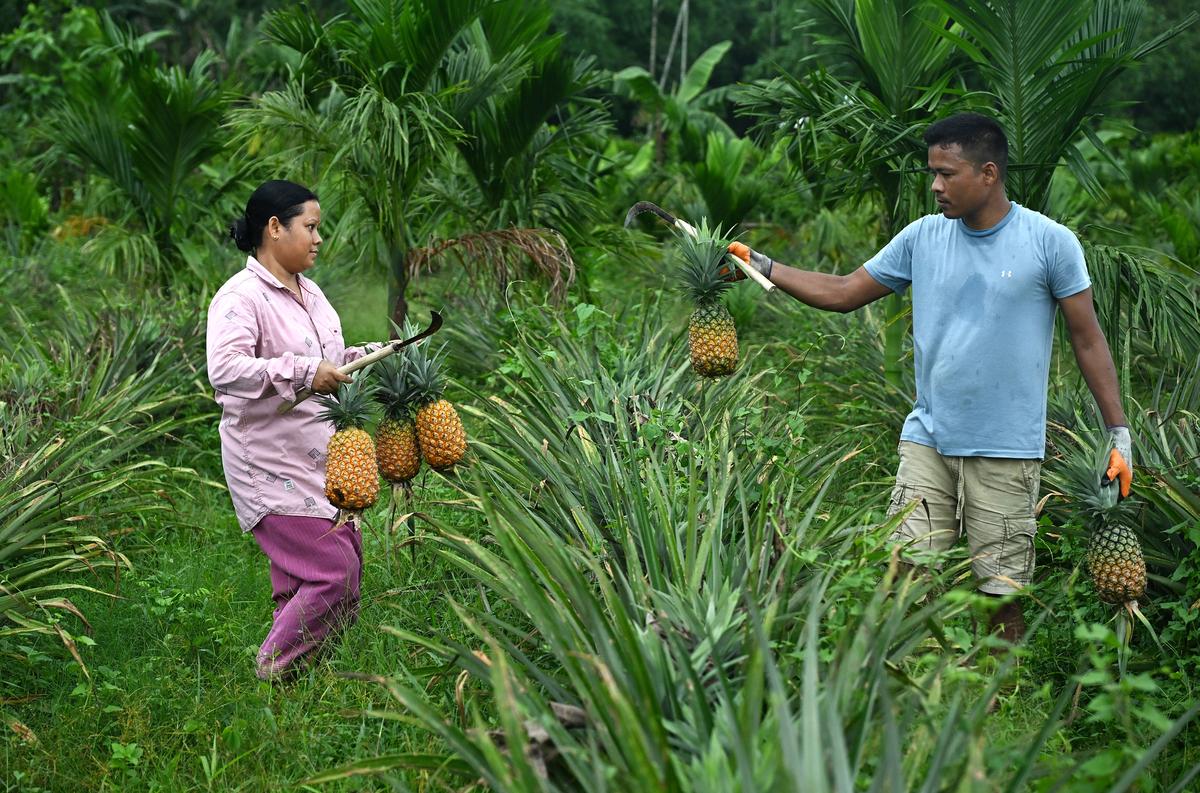
The industry now supports approximately 400 families directly and indirectly. This includes winemakers, specialized farm workers, and foragers. The economic ripple effect is most visible in the pricing of raw materials. Previously, a sohiong tree might earn a farmer ₹3,000 per season; with winemakers booking harvests in advance, that same tree now generates up to ₹15,000. For high-demand crops like kiwi, orange, and pineapple, seasonal incomes have surged from ₹30,000 to over ₹3 lakh.
Official Responses: A Strategic Vision for Agriculture
Government officials view the winemaking industry not merely as a luxury sector, but as a critical tool for agricultural stability.
B.K. Sohliya, Chairman of the MFEC, emphasizes that the primary driver for the "winemaking renaissance" was the need to combat post-harvest loss. "Meghalaya’s rugged terrain makes large-scale farming difficult. Farmers often cannot get their produce to market before it rots, leading to a wastage rate of nearly 40%," Sohliya notes. "By converting this surplus into wine, we are effectively ‘bottling’ the harvest and preserving its value."
The state has also focused on technical education. The MFEC established the North East Fruit Wine Incubation Centre at the Institute of Hotel Management (IHM) in Shillong. This facility, the first of its kind in the region, offers certification courses that teach the "science of the art." Since 2023, the center has trained 137 individuals in modern fermentation techniques, hygiene standards, and branding.
Rajesh Swarnakar, a professional wine and spirit taster, observes that the quality of Meghalaya’s wines has improved dramatically due to these training initiatives. "The texture and balance between sugar and alcohol (typically 10% ABV) are now reaching international standards. While Himachal Pradesh has a head start with apple-based wines, Meghalaya’s diversity of wild fruits gives it a unique edge in the global market."
Implications: Sustainability, Tourism, and the Path Ahead
The rise of the fruit wine industry carries profound implications for Meghalaya’s future, touching upon environmental conservation, cultural preservation, and tourism.

From Foraging to Farming
One of the most significant shifts is the transition from wild gathering to systematic cultivation. As demand for te.gism and sohiong grows, farmers are beginning to plant these indigenous species in organized orchards. This not only ensures a steady supply for winemakers but also helps in the conservation of local flora that was previously at risk of being overlooked.
Cultural Continuity
The revival of the Hunt winery by his grandson, Andrew Nongdhar, represents a bridge between Meghalaya’s colonial past and its entrepreneurial future. By "new-bottling" the old popular wines, the younger generation is reclaiming a piece of their heritage while adapting it to modern tastes. Similarly, the commercialization of bitchi (rice beer) by brands like 7 United ensures that traditional Garo brewing techniques are not lost to time.
The Tourism Link
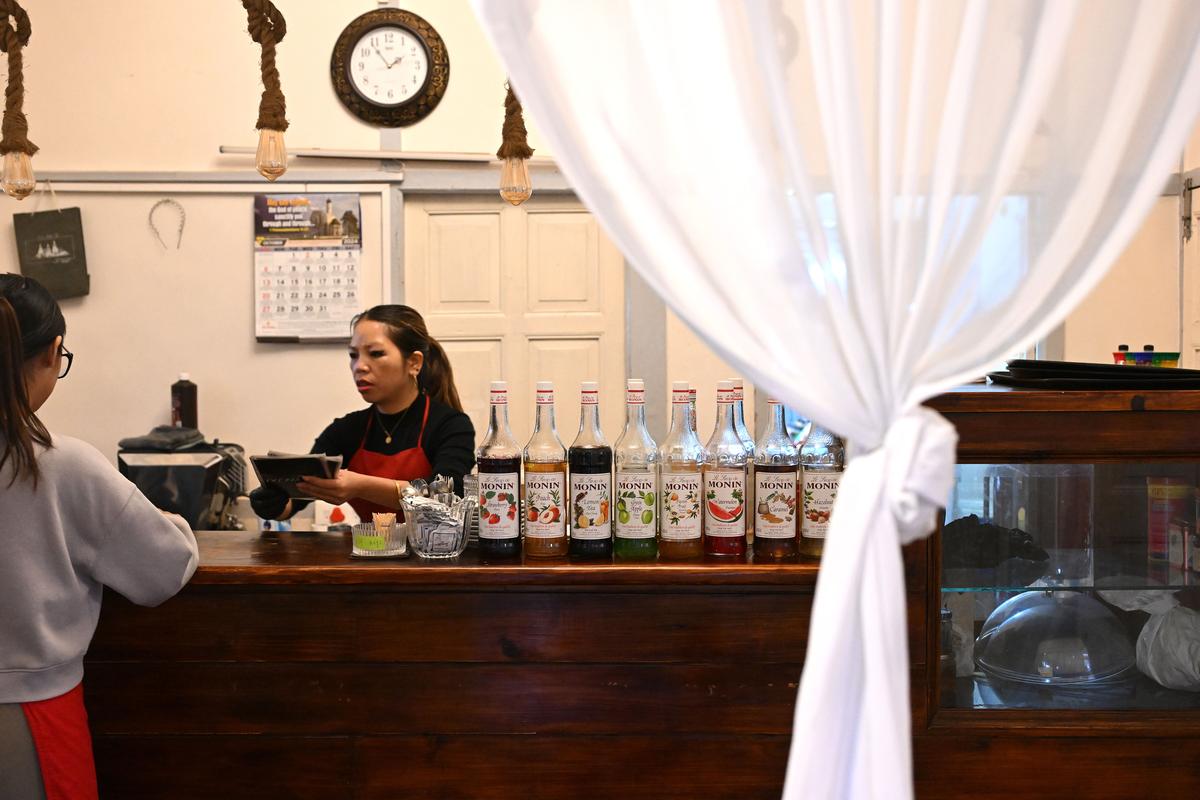
Fruit wine is increasingly becoming a core component of Meghalaya’s tourism appeal. Visitors to the sacred groves of Mawphlang or the hills of Tura now seek out local wine tastings as part of their cultural experience. This "oenotourism" potential offers a sustainable alternative to mass tourism, encouraging travelers to visit rural wineries and engage directly with the land and its people.
Future Challenges
Despite the rapid growth, challenges remain. Supply chain logistics in the hilly terrain continue to be difficult, and winemakers must still import glass bottles from as far away as Mumbai. Furthermore, while the quality is rising, the industry must maintain consistency to compete with established grape wines from Nashik or fruit wines from Himachal Pradesh.

As the industry matures, the goal for Meghalaya’s winemakers is to move beyond regional stores and reach national and international shelves. With a unique product, a supportive government, and a rich cultural narrative, the "fruit with a dot in its name" may soon be a staple in wine cellars across the globe.
