

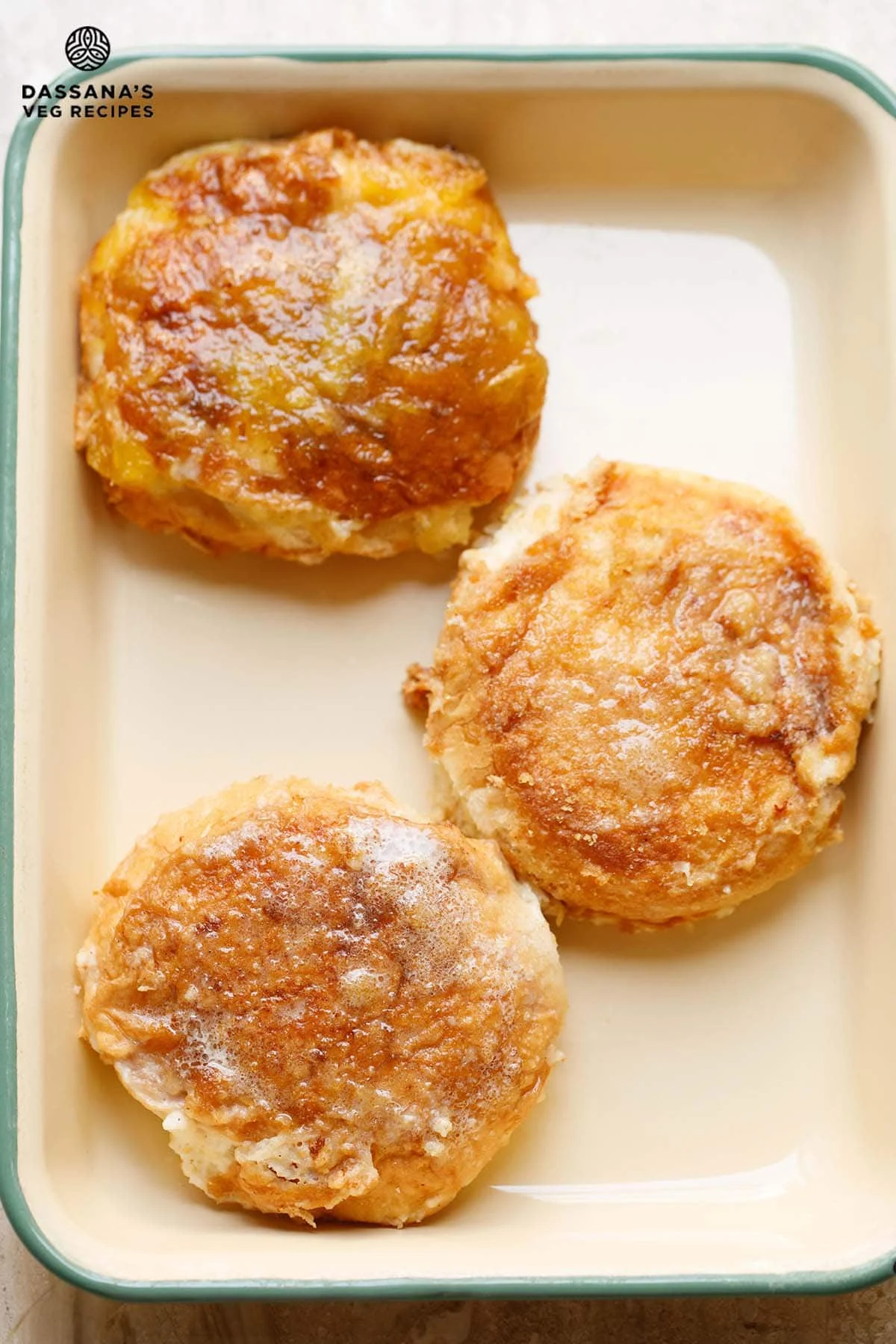
MADURAI, TAMIL NADU – In the bustling labyrinth of streets surrounding the historic Meenakshi Amman Temple, a sensory symphony unfolds daily. Amidst the ringing of temple bells and the rhythmic clanging of parotta cleavers, there is a quieter, sweeter sound: the gentle sizzle of milk hitting a hot iron tawa. This is the sound of the Madurai Butter Bun, a deceptively simple yet culturally significant snack that has evolved from a humble tea-stall staple into a viral culinary sensation.
While the "Athens of the East" is globally renowned for its architectural marvels and ancient history, its street food culture—specifically the Butter Bun—is increasingly becoming a primary draw for domestic and international gastronomic tourists. This article explores the anatomy of this iconic snack, its historical roots, and the socio-economic implications of its rising popularity.
Main Facts: The Anatomy of a Street-Side Icon
The Madurai Butter Bun is a masterclass in culinary minimalism. At its core, it consists of four basic components: a soft sweet bun, high-quality butter, granulated sugar, and milk. However, its identity lies not in its ingredients, but in its unique "tawa-toasted" preparation method.
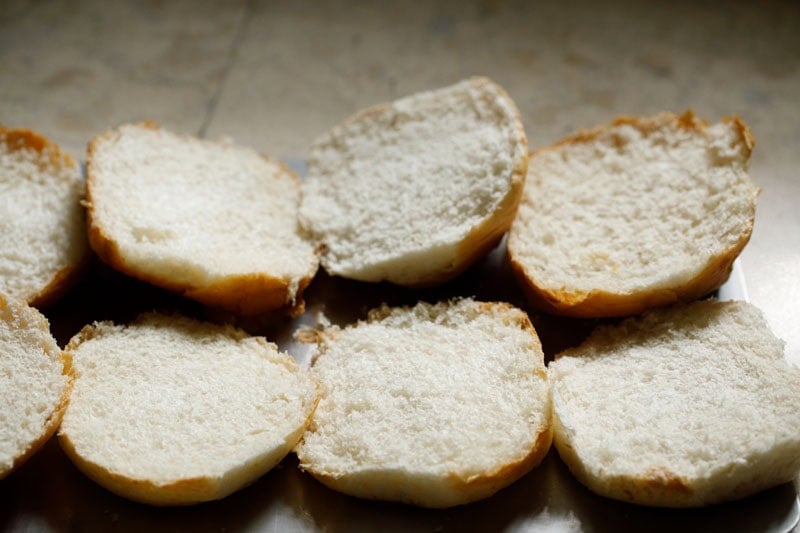
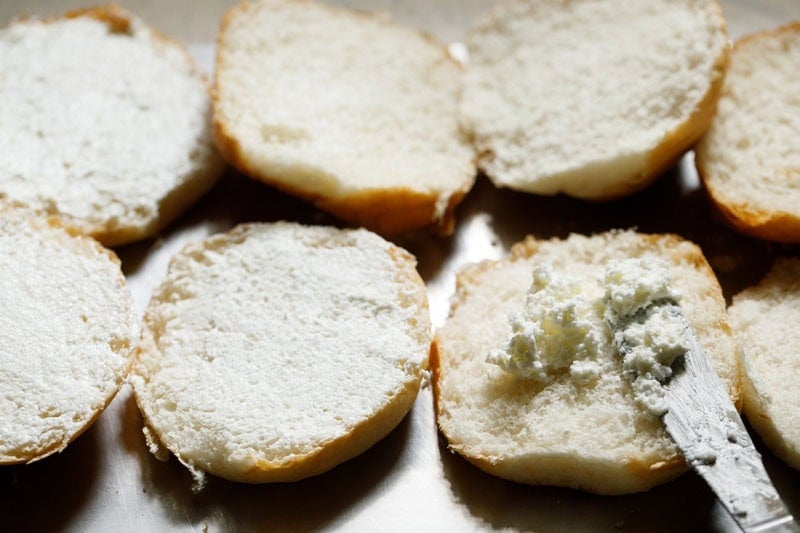
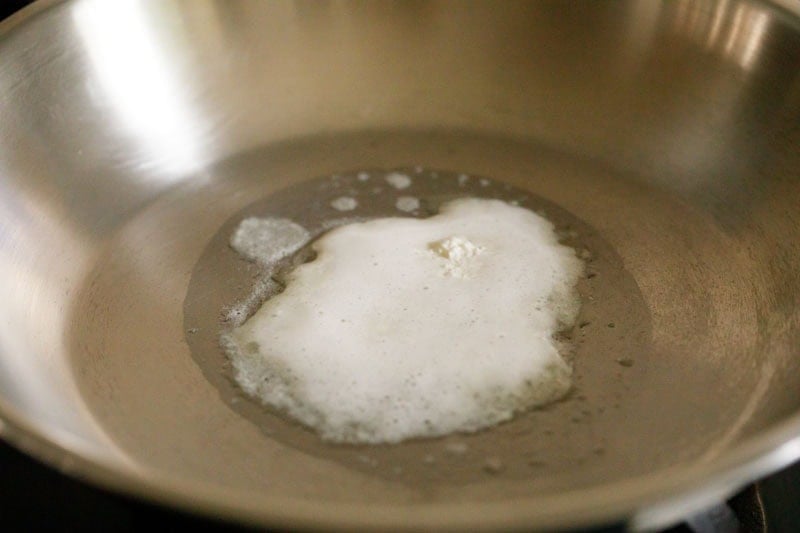
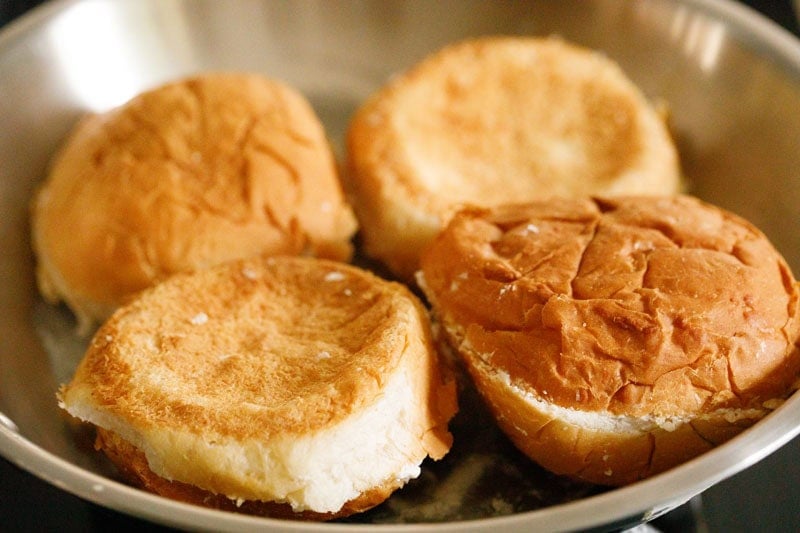
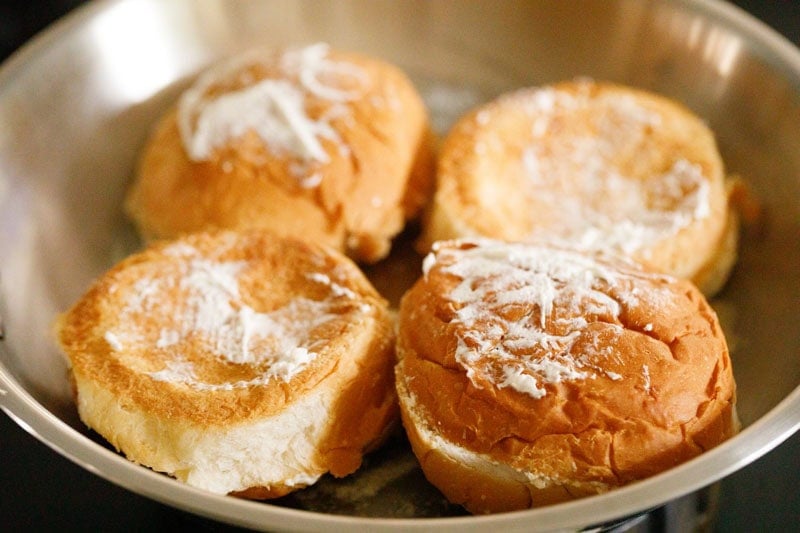
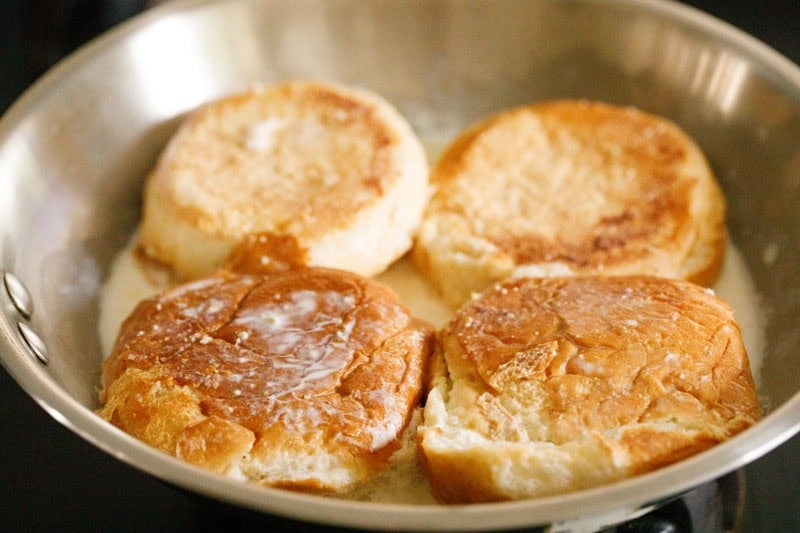
Unlike the Bun Maska of Mumbai’s Irani cafés, which typically features cold whipped butter or cream slathered between a sliced bun, the Madurai version is a hot, cooked dish. The process involves slicing a sweet bun (often studded with tutti-frutti) and applying generous amounts of butter—up to eight tablespoons per serving. The bun is then toasted on a heavy iron tawa. The defining characteristic of the Madurai technique is the addition of milk and cardamom powder directly onto the pan and over the bun during the toasting process.
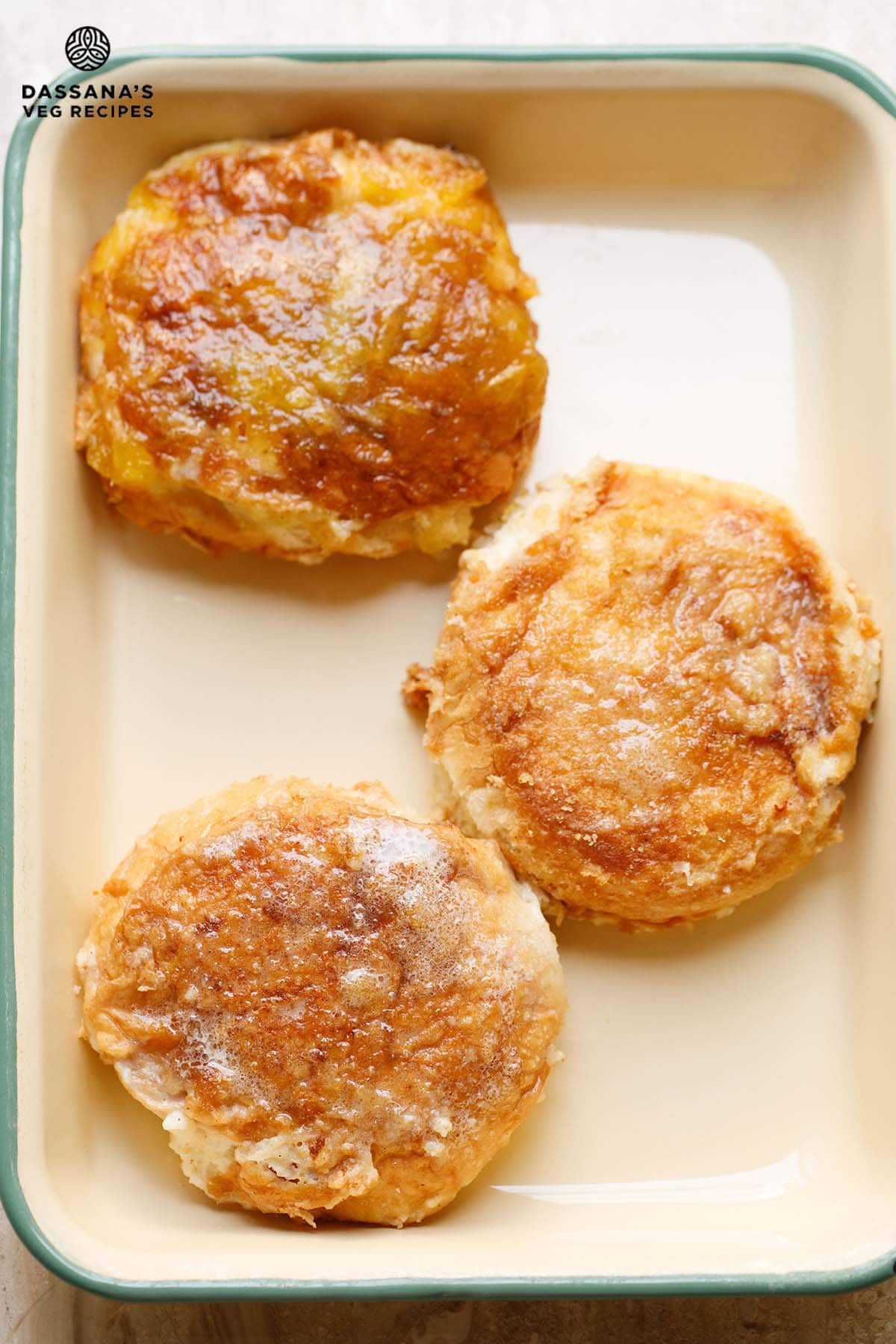
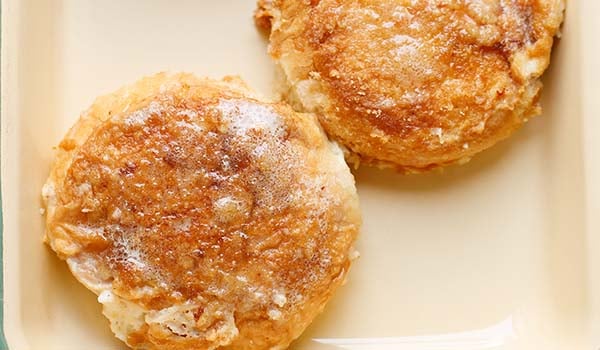
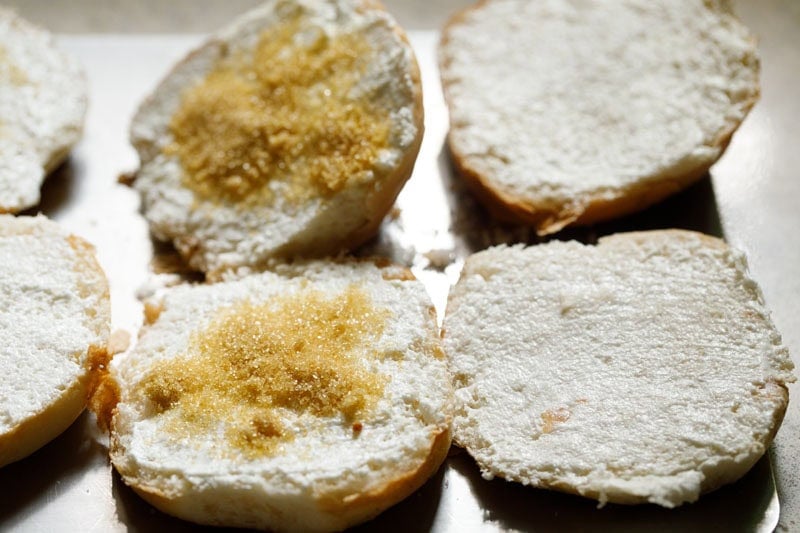
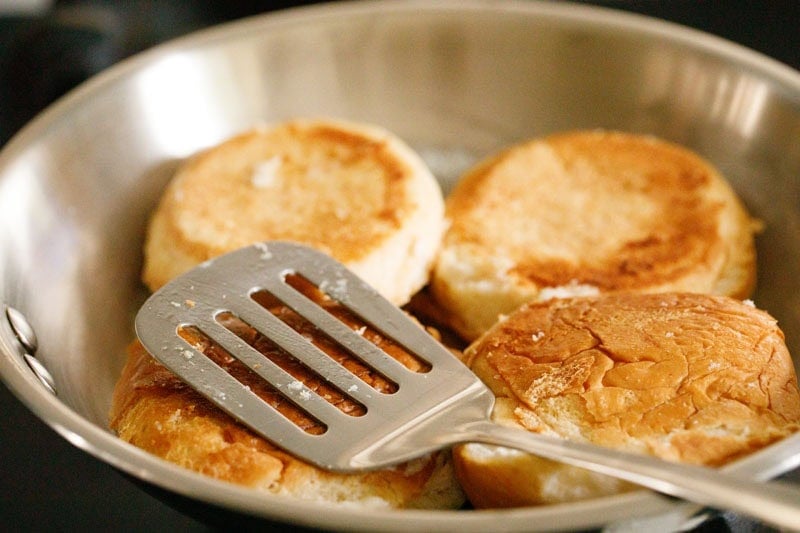
The milk serves a dual purpose: it creates steam that softens the inner crumb to a pudding-like consistency, while the sugar on the exterior undergoes a Maillard reaction, caramelizing into a golden, crisp crust. The result is a textural contrast—crisp on the outside, moist and buttery on the inside—that has made it a quintessential accompaniment to the city’s strong filter coffee and masala chai.
Chronology: From Temple Offerings to Tea Stall Staples
To understand the Butter Bun, one must understand the evolution of Madurai’s food landscape. For centuries, the city’s culinary identity was tethered to the Meenakshi Amman Temple, with prasadam (temple offerings) defining the local palate. However, the 20th century saw the rise of the "Night Kadai" (night shops) and tea stall culture, driven by the city’s status as a commercial hub that never sleeps.
The Post-Independence Era: As the textile industry and trade grew, laborers and merchants required quick, high-calorie snacks. The tea stalls began experimenting with bakery items. The "Sweet Bun," a legacy of British colonial influence on local bakeries, became the canvas.
The 1980s and 90s: The specific "Butter Bun" technique began to solidify in the small tea shops tucked into the city’s narrow lanes. It was a "poor man’s dessert"—affordable, filling, and luxurious in its use of fats. During this period, the snack was largely localized, known only to the residents of Madurai and surrounding districts.
The Digital Renaissance (2015–Present): The advent of social media and food vlogging transformed the Butter Bun from a local secret into a national trend. Travel influencers began documenting the mesmerizing sight of tea stall owners expertly flipping buns on massive tawas, leading to a surge in "food pilgrimages" to the city. Today, the snack is featured on the menus of high-end South Indian restaurants in cities like Chennai, Bengaluru, and even London and New York.
Supporting Data: The Science and Economics of the Bun
The appeal of the Madurai Butter Bun is backed by both its nutritional profile and its accessibility. According to culinary data, a standard serving of this snack (one large bun) contains approximately 340 calories.
Nutritional Breakdown:
- Total Fat: 25g (with 15g of Saturated Fat)
- Carbohydrates: 26g
- Sugars: 12g
- Protein: 4g
- Micronutrients: Significant traces of Calcium (70mg) and Vitamin A (749 IU), primarily derived from the dairy components.
The high fat and carbohydrate content explain its historical popularity among the working class as a source of quick energy.
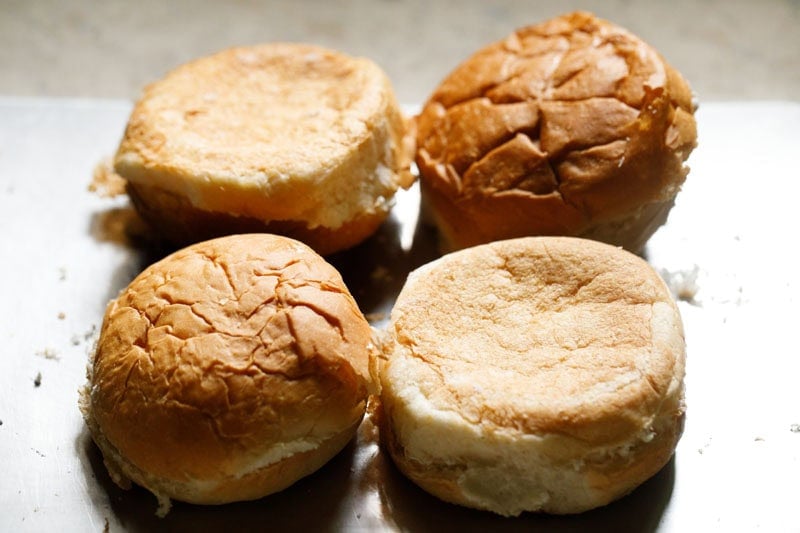
From a technical standpoint, the choice of bread is critical. While traditionalists insist on the "Sweet Bun" or "Tutti-Frutti Bun," modern adaptations have successfully used Pav (Indian slider buns), burger buns, or even fruit bread. The inclusion of cardamom powder or rose water in the milk adds a layer of aromatic complexity that elevates the dish from a simple snack to a sophisticated dessert.
Furthermore, the versatility of the recipe allows for variations such as the "Jam Butter Bun," where fruit preserves (pineapple or strawberry) are added to provide acidity, balancing the richness of the butter.
Official Responses: Perspectives from the Frontlines
The rise of Madurai’s street food has caught the attention of both local authorities and culinary historians.
A representative from the Tamil Nadu Tourism Development Corporation (TTDC) noted, "Madurai’s food culture is a vital pillar of our tourism strategy. We are seeing a shift where tourists are not just coming for the Meenakshi Temple, but for the ‘Jigarthanda’ and the ‘Butter Bun.’ We are working to ensure that street food vendors receive proper hygiene training to cater to this growing international audience."
Local Bakery Owners in Madurai have also seen a shift in demand. "Earlier, we sold buns primarily for home consumption," says S. Rathinam, a third-generation baker. "Now, we have dedicated sections of our production line just for ‘Tawa-ready’ sweet buns. The consistency must be perfect—not too airy, not too dense—so they can absorb the milk without falling apart."
Culinary Historians argue that the Butter Bun represents the "democratization of luxury." By using basic ingredients like sugar and butter in a high-heat environment, street vendors created a gourmet experience accessible to the common man, reflecting the egalitarian spirit of Madurai’s street food scene.
Implications: Cultural Identity and Global Trends
The global success of the Madurai Butter Bun carries several significant implications for the future of regional Indian cuisine.
1. Preservation of Regional Identity
As global fast-food chains expand across India, the resilience of the Butter Bun demonstrates the enduring power of hyper-local flavors. It serves as a reminder that regional snacks can compete with global franchises if they offer a unique sensory experience that cannot be replicated by an automated assembly line.
2. The "Veganization" and Adaptation Trend
The snack’s transition to the global stage has necessitated adaptations. The emergence of vegan versions—using plant-based butters and almond or oat milk—shows how traditional recipes can be modified to suit modern dietary preferences without losing their soul. This adaptability ensures the longevity of the dish in international markets.
3. Economic Empowerment
The "Butter Bun Boom" has provided a stable livelihood for thousands of small-scale vendors. In Madurai, a successful tea stall can sell hundreds of buns a day, supporting a micro-economy of dairy farmers, local bakeries, and sugar suppliers.
4. Gastronomic Tourism
Madurai is increasingly being positioned as a "Culinary Capital." The Butter Bun, along with other local specialties like Bun Parotta and Kari Dosa, forms a "food circuit" that encourages longer stays and higher spending by tourists, directly benefiting the local economy.
Conclusion: More Than Just a Snack
The Madurai Butter Bun is more than just a combination of bread and dairy; it is a toasted testament to the city’s ingenuity. It represents a bridge between the ancient and the modern, the humble and the decadent. Whether enjoyed at a rickety wooden bench in a Madurai alleyway or recreated in a modern kitchen in a distant country, the Butter Bun remains a comforting, caramelized symbol of South Indian hospitality.
As the world continues to look toward regional India for the "next big thing" in food, the Madurai Butter Bun stands ready—hot, sweet, and perfectly sizzled on a tawa that has been seasoned by decades of history.
Step-by-Step Summary of the Authentic Preparation
For those seeking to replicate the experience, the process is precise:
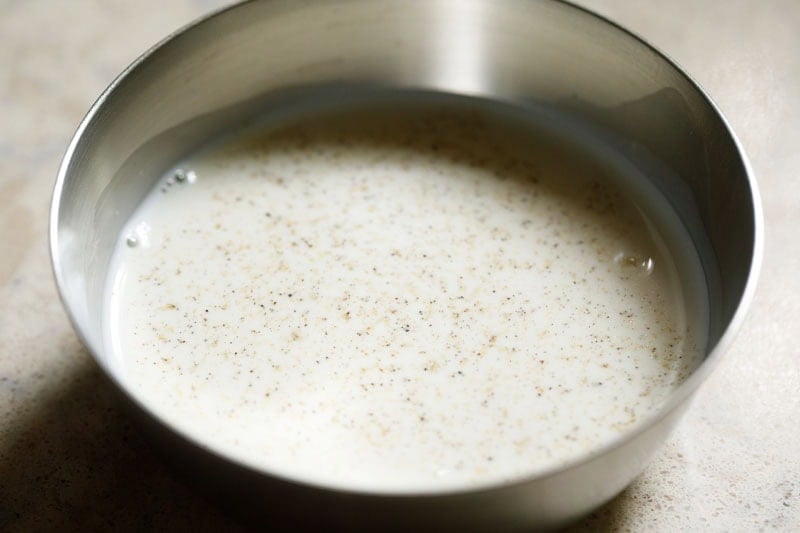
- Preparation: Milk is infused with cardamom powder.
- Slicing: Sweet buns are halved horizontally.
- Buttering: A generous layer of white or yellow butter is applied to both sides.
- Sugaring: Granulated sugar is sprinkled on the inner faces.
- The First Toast: The bun is placed on a low-heat tawa with additional butter.
- The Steaming: Milk is poured around and over the bun, then pressed with a spatula.
- Caramelization: The bun is flipped until the exterior reaches a golden-brown, crisp finish while the interior remains custardy.
- Service: Best served hot, immediately from the tawa, often with a side of strong tea.
