

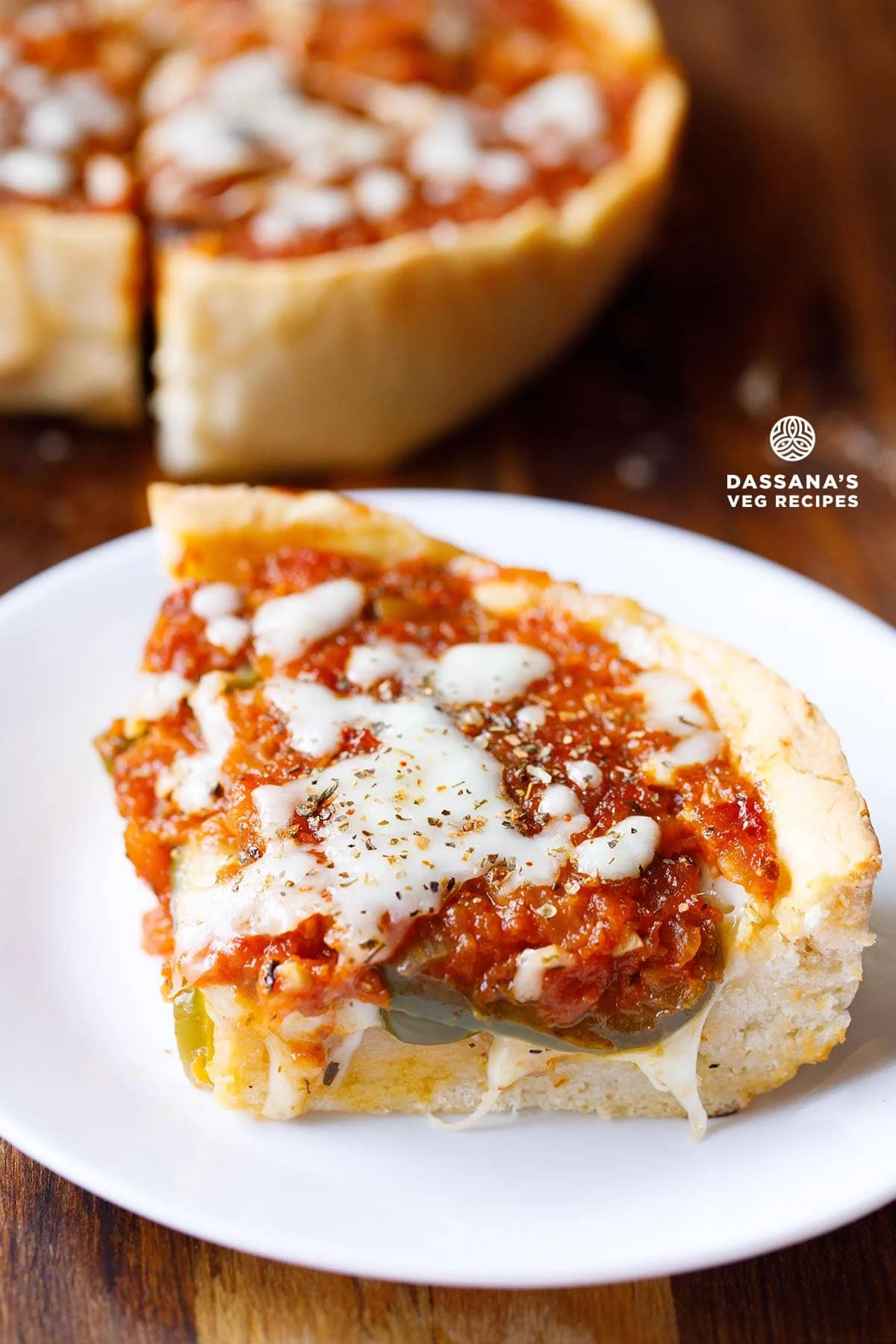
In the landscape of American regional cuisine, few items are as polarizing, celebrated, or structurally significant as the Chicago-style deep dish pizza. Often described by culinary historians as a "savory pie" rather than a traditional flatbread, this dish represents a radical departure from its Neapolitan ancestors. Emerging from the heart of the Midwest in the mid-20th century, the deep dish pizza has evolved from a local specialty into a global symbol of indulgent, slow-cooked comfort.
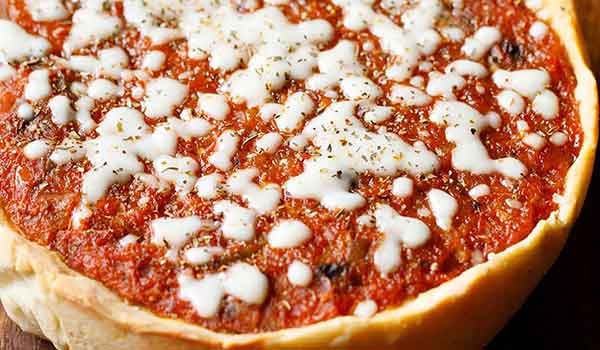
This report explores the technical composition, historical lineage, and nutritional implications of a modern vegetarian iteration of this classic. By examining the synergy between a buttery, semolina-enriched crust and a reverse-layered assembly, we uncover why this specific preparation remains a staple of the home kitchen and a marvel of culinary engineering.
Main Facts: Defining the Chicago-Style Identity
The Chicago deep dish is defined by three primary characteristics: its massive, high-edged crust, its inverted layering system, and its extended baking time. Unlike the "New York Style" or "Thin Crust," which prioritize a quick char and foldable portability, the deep dish is designed for endurance and depth.
The Reverse-Assembly Logic
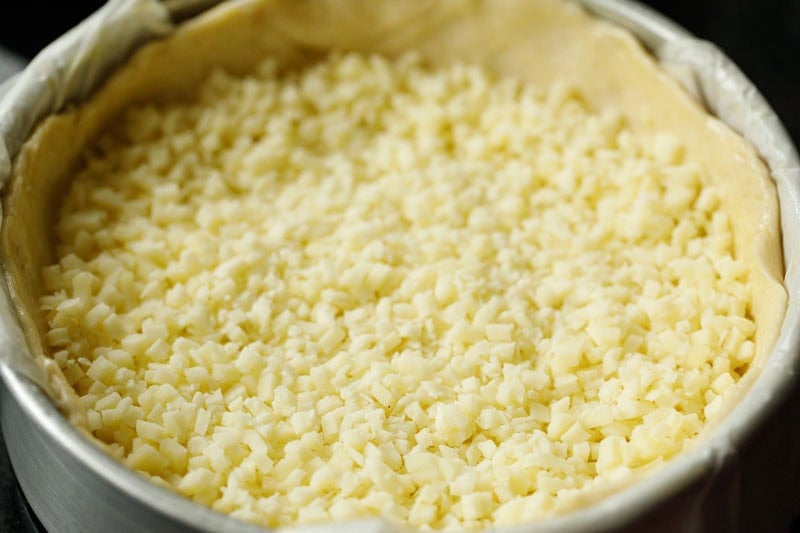
One of the most striking technical facts about the Chicago style is its assembly. In a standard pizza, the sauce is applied to the raw dough, followed by cheese and toppings. In the deep dish method, the order is reversed:
- The Cheese Layer: Slices or thick shreds of mozzarella are placed directly onto the dough.
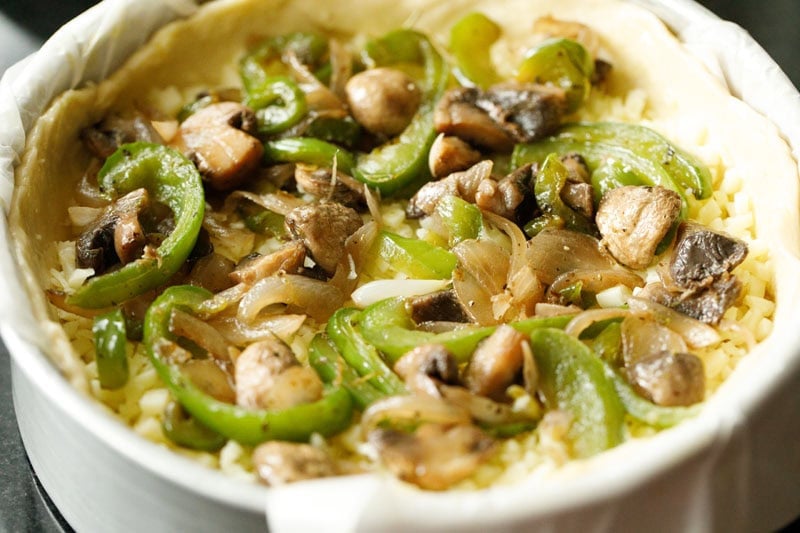
- The Fillings: Sautéed vegetables or meats are layered over the cheese.
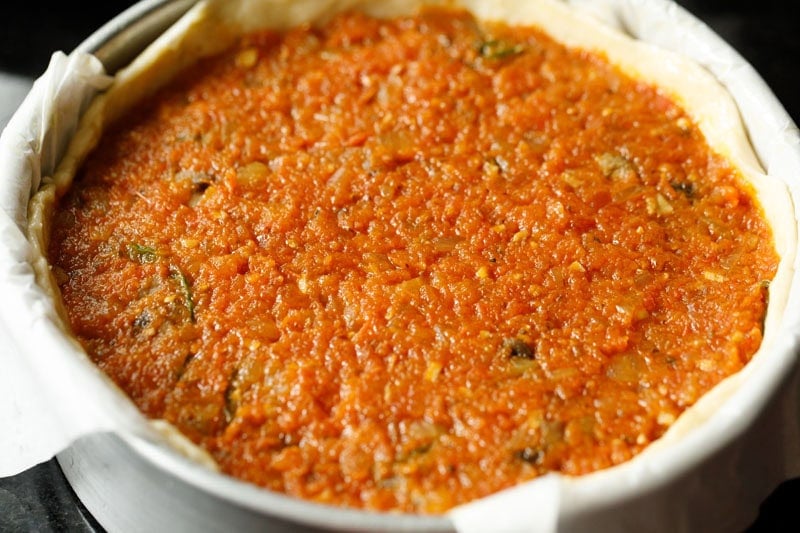
- The Sauce: A thick, tangy marinara is spread across the top as the final layer.
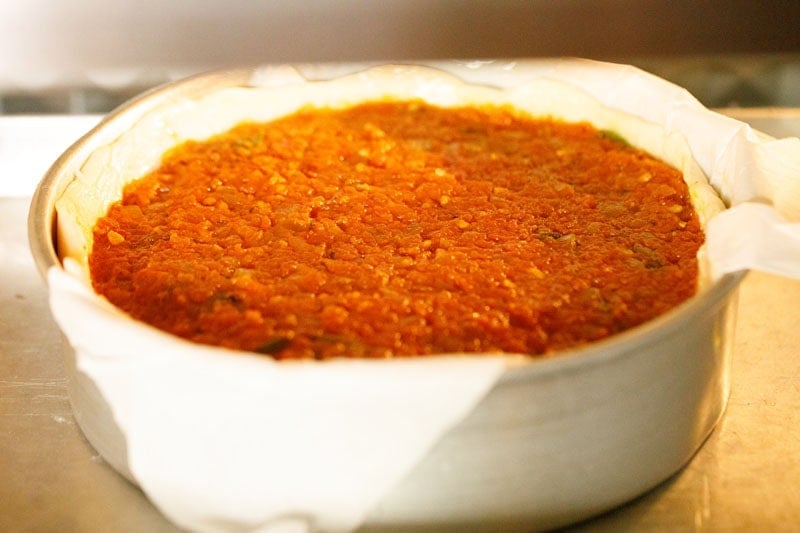
This "upside-down" construction is not merely aesthetic; it is a functional necessity. Because a deep dish pizza requires 25 to 30 minutes in a high-heat oven (approximately 230°C or 450°F), placing the cheese on top would result in severe over-browning or burning before the thick dough is fully baked. The sauce acts as a thermal shield, moisture barrier, and flavor infuser.
The Crust as a Foundation
The crust of a Chicago deep dish must be "sturdy" enough to support pounds of ingredients without becoming soggy. This is achieved through a specific fat-to-flour ratio, often incorporating both olive oil and melted butter. The inclusion of semolina flour or cornmeal provides a "rustic texture and light crunch," distinguishing it from the airy, bready crumb of a focaccia or a traditional pizza.
Chronology: The Lifecycle of a Deep Dish Pizza
The creation of a Chicago-style pizza is a multi-stage process that rewards patience and precision. From the initial hydration of yeast to the final resting period, the chronology of the bake is essential to achieving the desired "crisp yet chewy" profile.
Phase I: The Fermentation and Dough Development
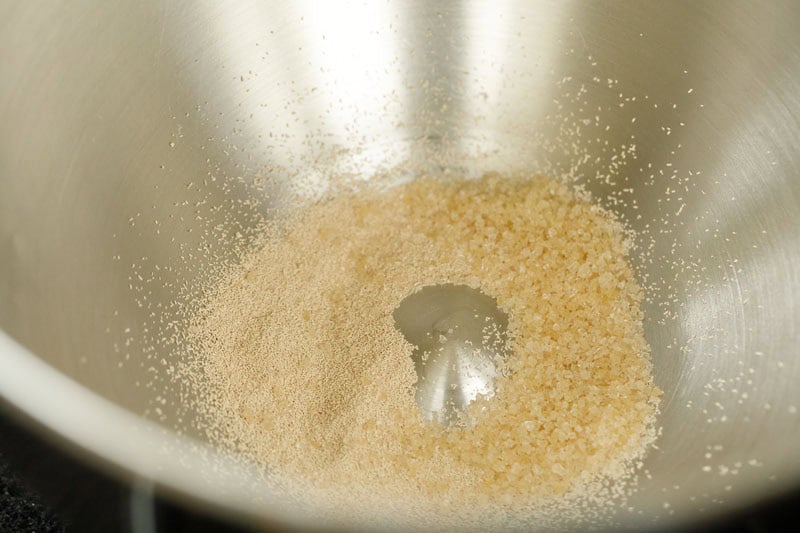
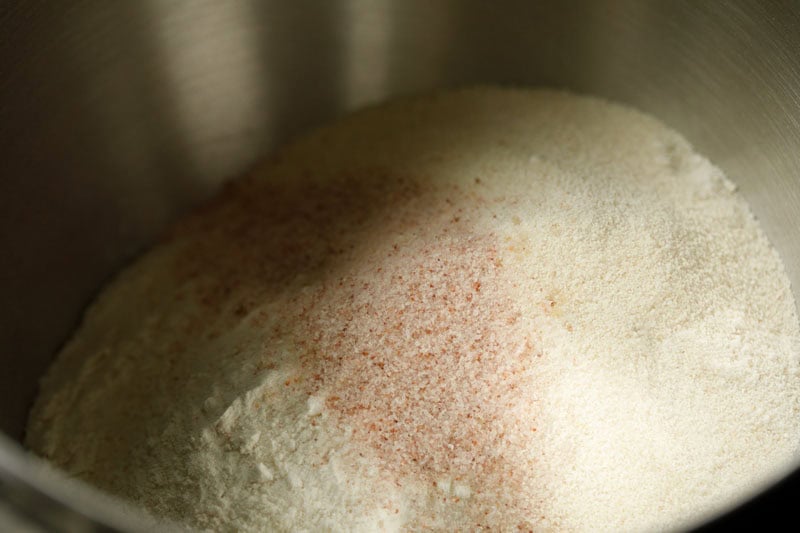
The process begins with the activation of Saccharomyces cerevisiae (instant yeast) in a medium of sugar and water. Once the yeast is viable, all-purpose flour is combined with semolina.
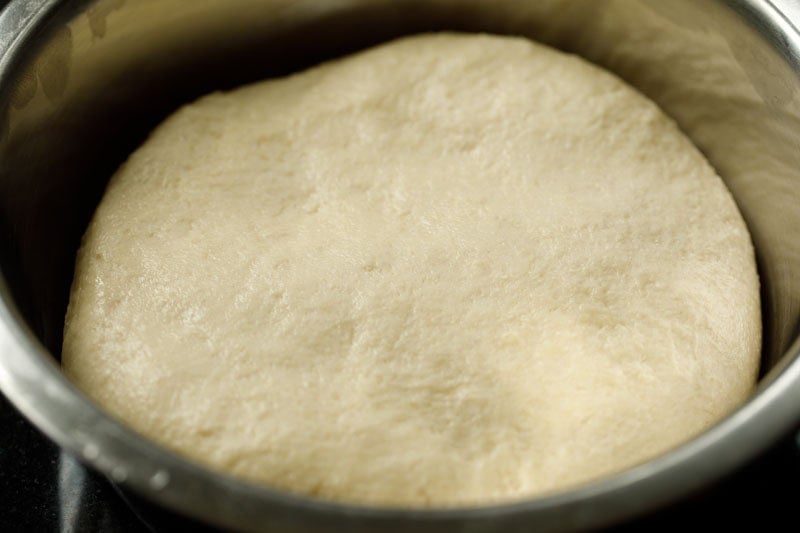
- The Inclusion of Semolina: This step is crucial for the "Chicago bite." Semolina, derived from durum wheat, has a higher protein content and a coarser grind, which contributes to the crust’s golden hue and structural integrity.
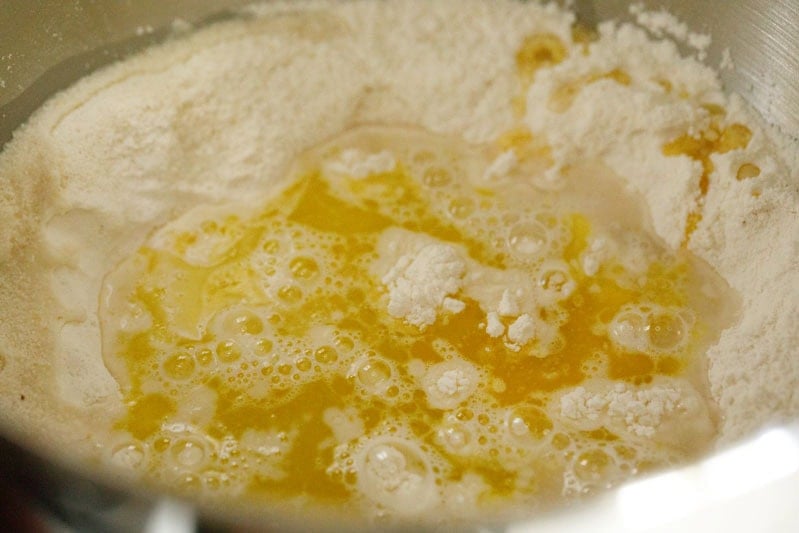
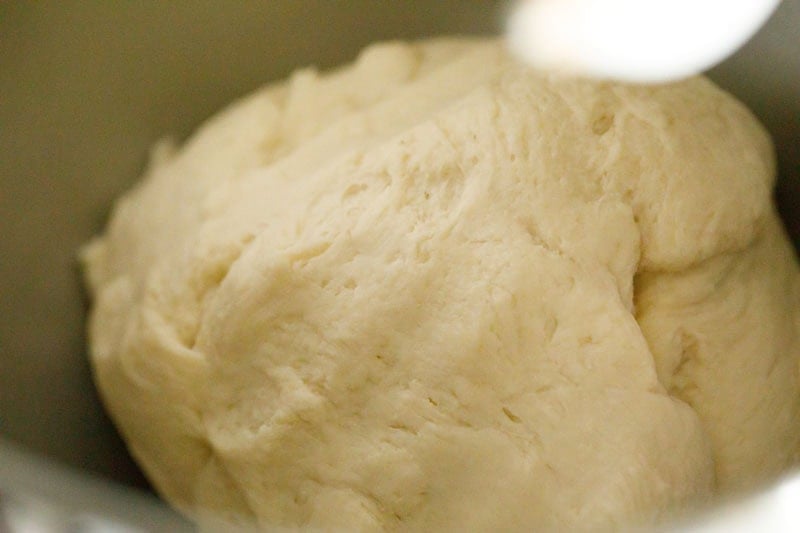
- The Fat Integration: Melted butter and olive oil are kneaded into the dough for 10 to 12 minutes. This high fat content inhibits long gluten strands, resulting in a texture that is more "short" and flaky—reminiscent of a pie crust—rather than purely elastic.
Phase II: The Dual-Proofing Cycle
Proofing occurs in two distinct stages to ensure flavor development and proper rise:
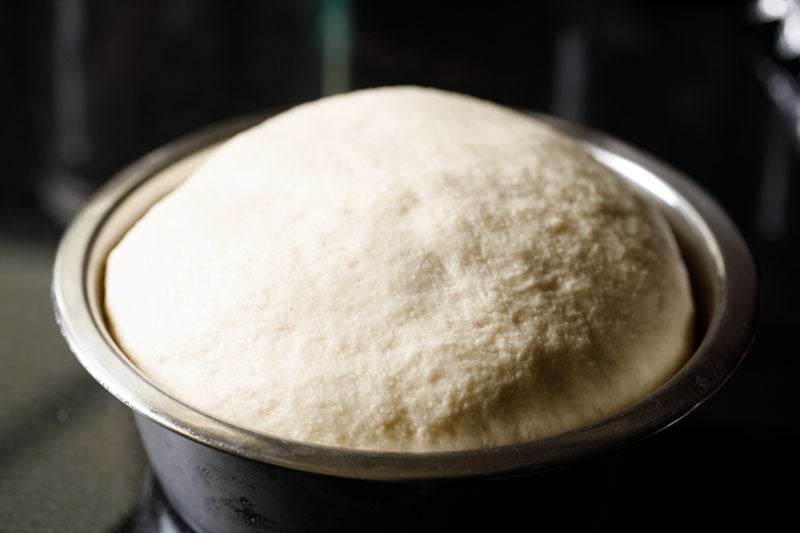
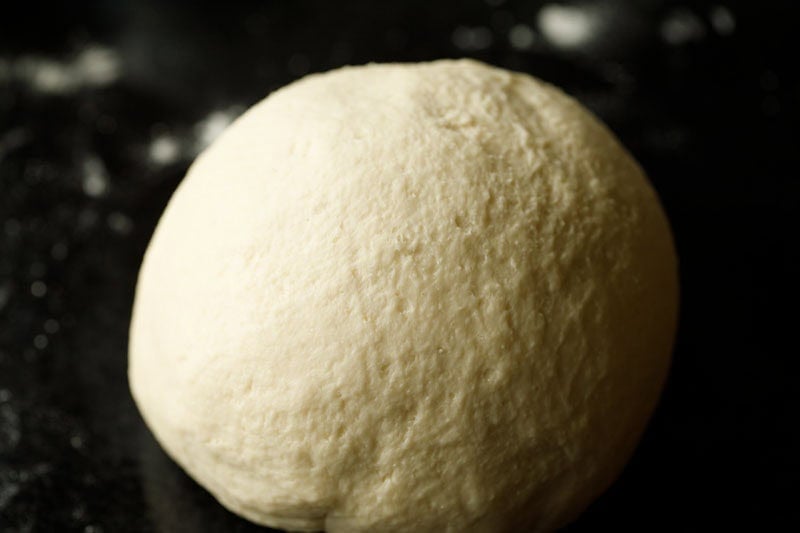
- Primary Proof: The dough is left to double in volume (approximately 30 to 45 minutes). This allows the yeast to produce carbon dioxide, creating the "soft and chewy" interior.
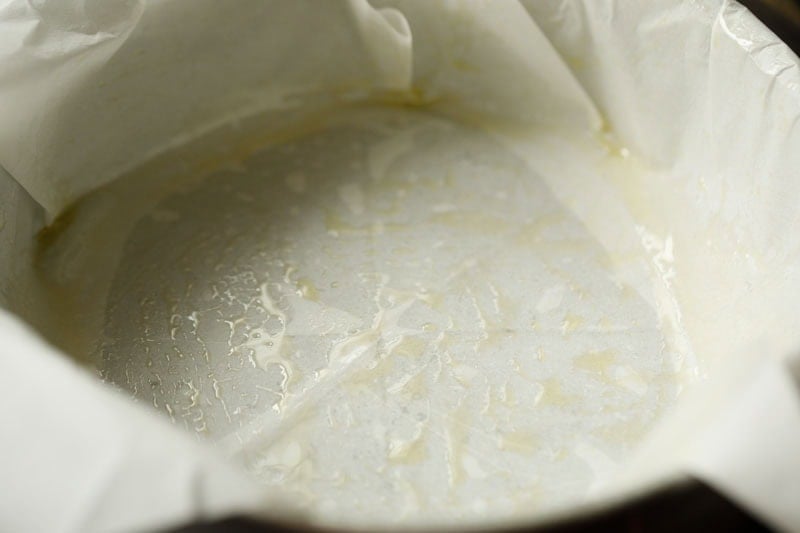
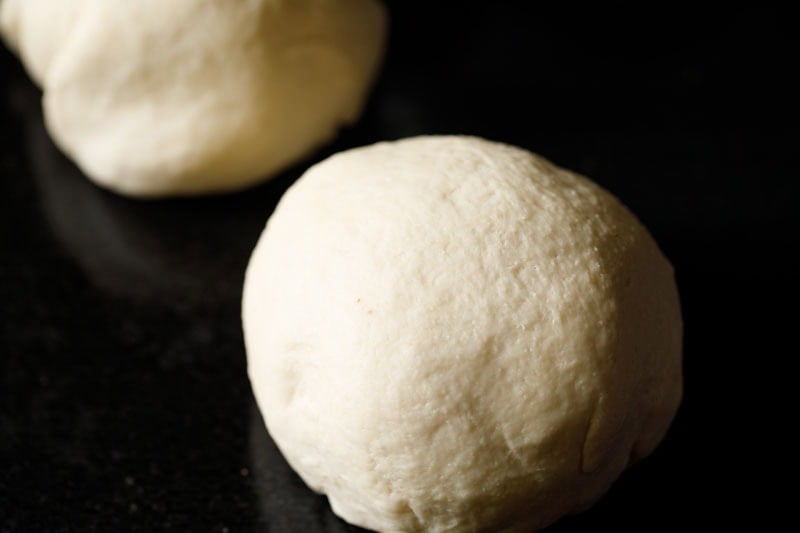
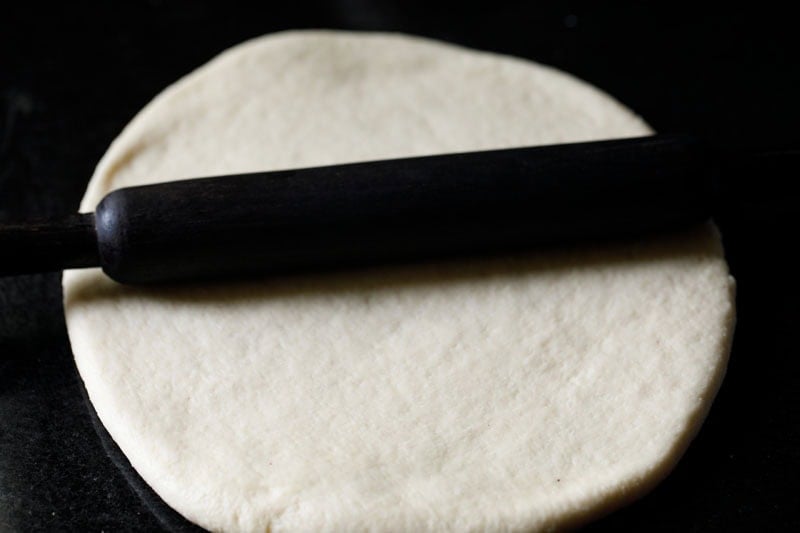
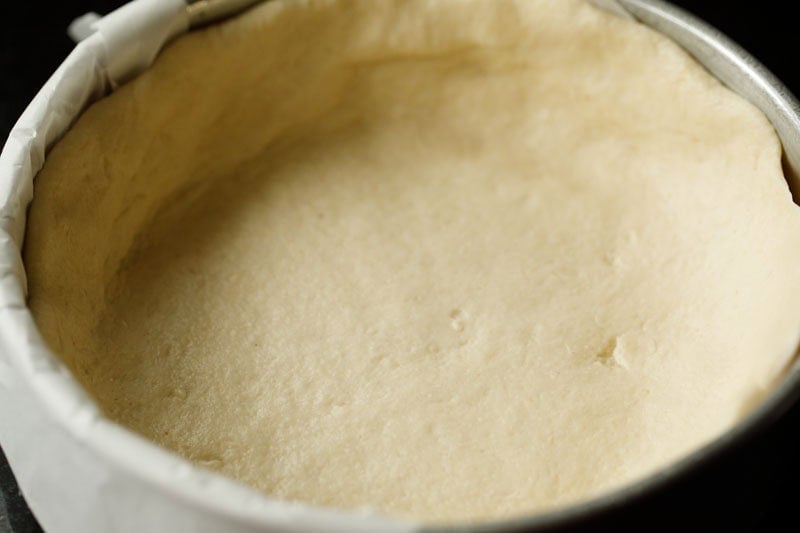
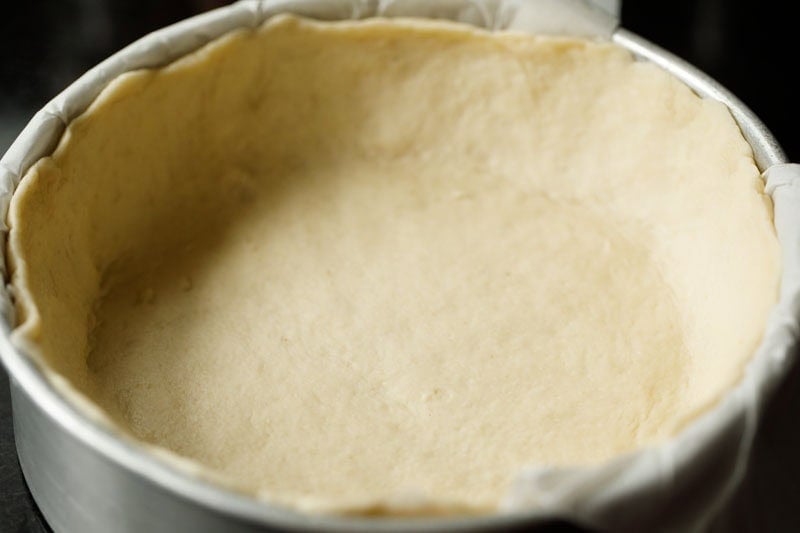
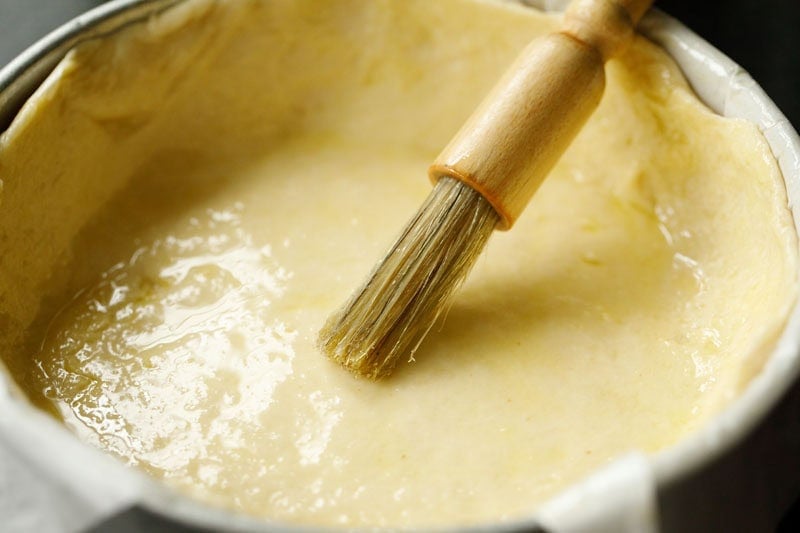
- Secondary Proof: After being rolled and fitted into a deep, oiled pan (such as a 7-inch cake pan or cast-iron skillet), the dough rests for another 25 to 30 minutes. This second rise ensures that the crust doesn’t become overly dense during the high-heat bake.
Phase III: Moisture Management through Sautéing
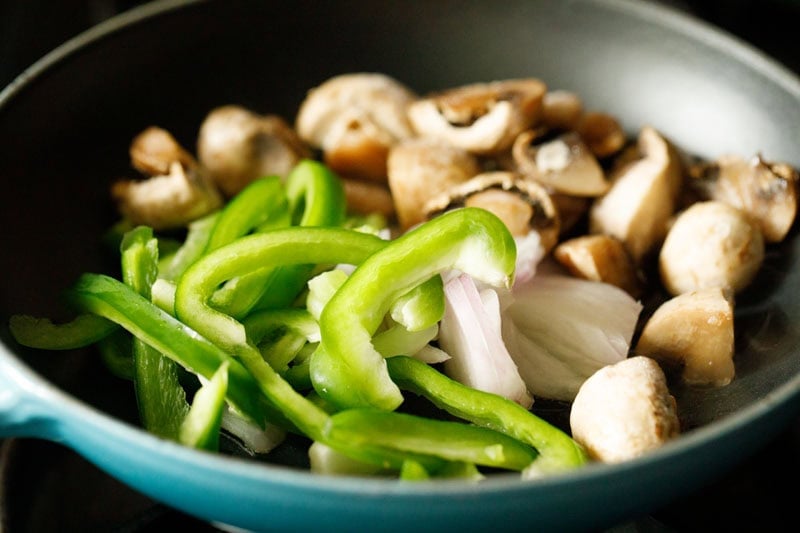
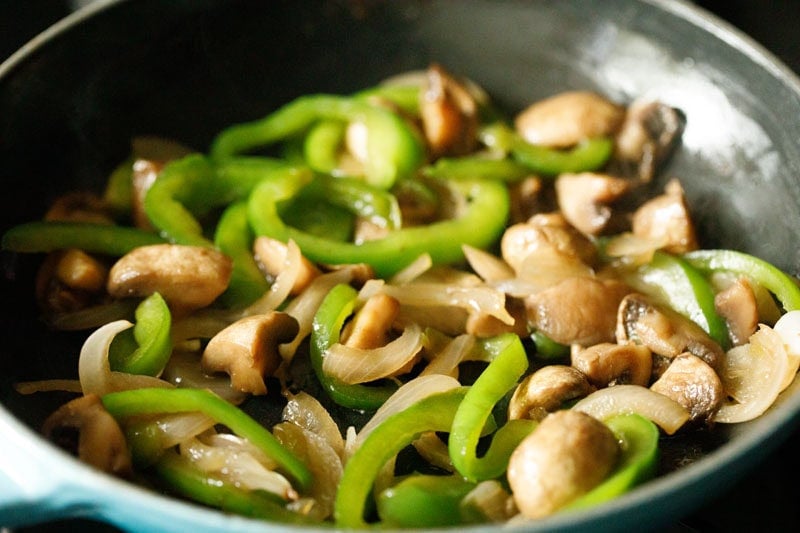
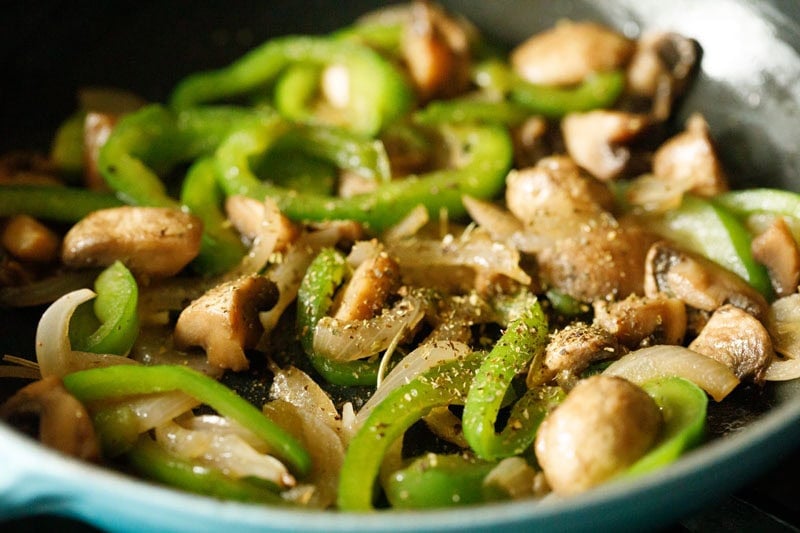
A common failure in homemade deep dish pizza is the "soggy bottom," often caused by the release of water from raw vegetables. To mitigate this, the chronology includes a mandatory sautéing phase. Mushrooms, onions, and bell peppers are cooked over medium-high heat for nearly ten minutes. This evaporates excess moisture and caramelizes the sugars in the vegetables, intensifying the flavor before they ever enter the oven.
Phase IV: The High-Heat Transformation
The final stage involves a 30-minute bake at 230°C (450°F). During this time, the "buttery crust" undergoes the Maillard reaction, turning golden and crisp against the oiled parchment paper. A final addition of mozzarella or vegetarian parmesan in the last two minutes of baking provides a fresh, melted finish to the top of the marinara.
Supporting Data: Nutritional and Technical Analysis
The Chicago deep dish is a calorie-dense meal designed for satiety. Analysis of the vegetarian recipe reveals significant data points regarding its nutritional profile and physical properties.
Nutritional Breakdown (Per 2-Pizza Batch)
According to standardized nutritional data, a full preparation of this deep dish pizza yields the following:
- Total Calories: 2,352 kcal.
- Macronutrients: 203g of Carbohydrates, 142g of Fat, and 70g of Protein.
- Sodium Content: 4,334 mg (indicating a high salt profile necessary for flavor balance in the thick crust).
- Micronutrients: The inclusion of bell peppers and marinara provides a significant boost in Vitamin A (2,754 IU) and Vitamin C (65 mg).
Structural Data
The "deep dish" moniker is supported by the physical dimensions of the bake. Using a 7-inch pan allows for a crust height of approximately 1.5 to 2 inches. This depth allows for a cheese-to-crust ratio that is nearly 3:1 compared to thin-crust varieties. The data suggests that one or two slices are sufficient to meet the caloric requirements of an adult meal, a testament to the "hearty and filling" nature of the dish.
Official Responses: Culinary and Historical Perspectives
While the deep dish pizza does not have a single "governing body," its status is protected by culinary tradition and the "official" history of the city of Chicago.
Historical Origins
Most food historians agree that the deep dish originated in the 1940s, specifically at Pizzeria Uno in Chicago. While the exact creator is debated—some credit founder Ike Sewell, others credit chef Rudy Malnati—the consensus is that the dish was a response to the American desire for more substantial, meat-and-potato style portions during the post-war era.
Culinary Expert Commentary
Professional chefs often highlight the "pie-like" qualities of the dish. "The Chicago deep dish is an exercise in heat management," says one culinary analyst. "By putting the sauce on top, you are essentially braising the fillings and the cheese inside a bread bowl. It is a completely different chemical process than the flash-baking used in wood-fired Neapolitan pizzas."
Vegetarian advocates have also praised the adaptability of the deep dish. By replacing traditional sausage with a "hearty" blend of mushrooms and peppers, the dish retains its savory "umami" profile without the need for meat, making it a "perfect option for homemade pizza nights" that cater to diverse dietary preferences.
Implications: The Home Kitchen Revolution
The rise of detailed, professional-grade recipes for Chicago-style pizza has significant implications for the "slow food" movement and the home-baking industry.
The Shift from Commercial to Homemade
Historically, the deep dish was a "destination food," something only available in specific metropolitan pizzerias. However, the accessibility of specialized ingredients like semolina and the use of common household tools like springform pans or cast-iron skillets have democratized the dish. This shift allows for "bakery-style pizza without ordering from outside," giving consumers control over ingredient quality and nutritional content.
Customization and Dietary Flexibility
The implications of the "Vegetarian Deep Dish" are particularly noteworthy. The ability to customize toppings—ranging from olives and jalapeños to cottage cheese or roasted vegetables—suggests that the Chicago style is no longer a rigid, meat-heavy monolith. It has become a canvas for seasonal produce and artisanal experimentation.
Storage and Sustainability
Unlike thin-crust pizzas, which often lose their textural appeal within hours, the structural integrity of the deep dish makes it ideal for refrigeration and reheating. The "sturdy crust" prevents the "sogginess" typical of leftovers. Furthermore, the ability to freeze the dough for "a few weeks" supports a sustainable, "make-ahead" kitchen culture, reducing food waste and providing convenient meal solutions for busy households.
Final Assessment
The Chicago-style deep dish pizza is more than a meal; it is a testament to mid-century American culinary innovation. Through a meticulous process of dual-proofing, moisture control, and inverted layering, it achieves a balance of textures—crisp, chewy, and molten—that few other dishes can replicate. Whether viewed as a historical artifact of the 1940s or a modern vegetarian staple, the deep dish remains a towering achievement in the world of gastronomy.
