

Introduction: The Global Resonance of a Seasonal Classic
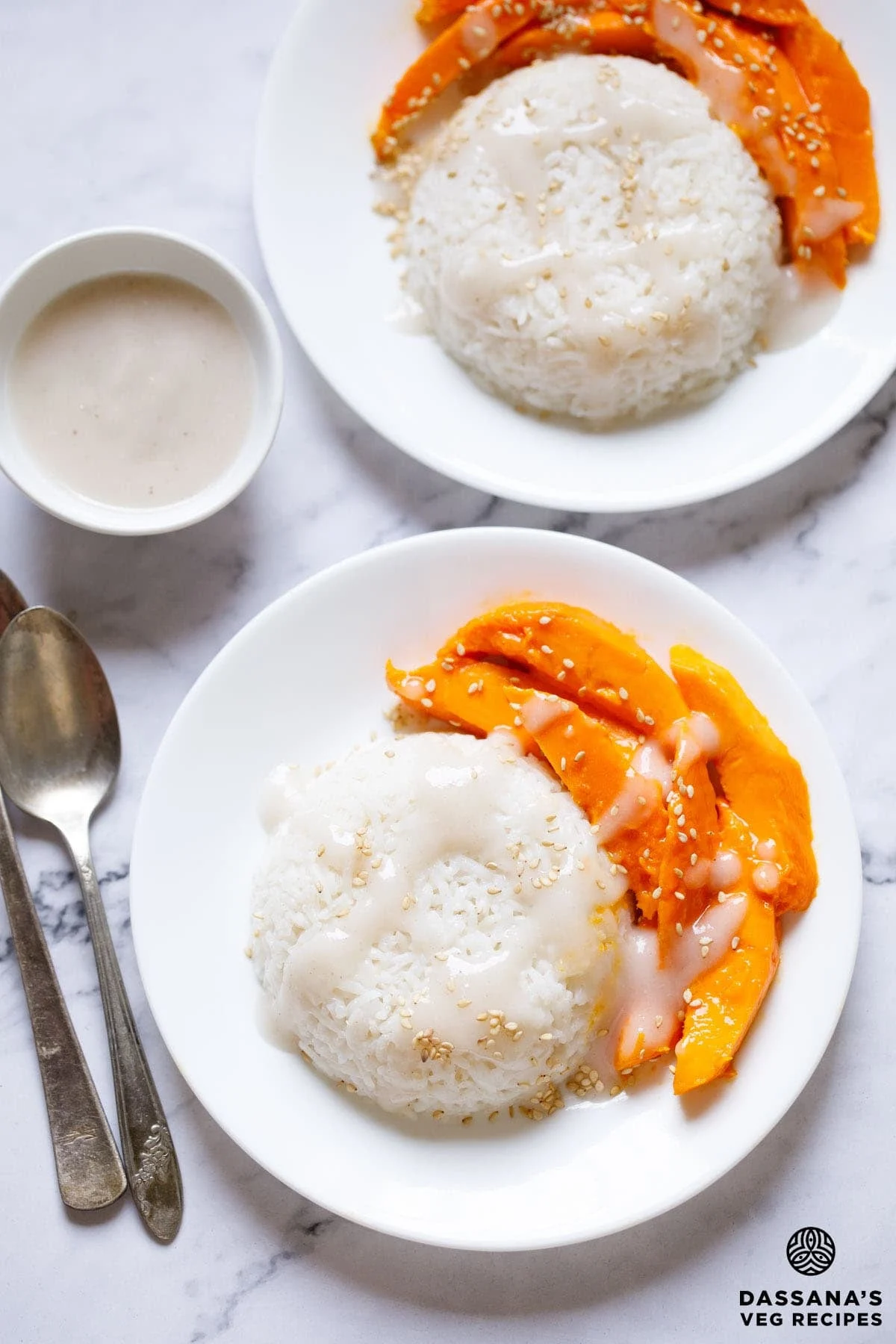
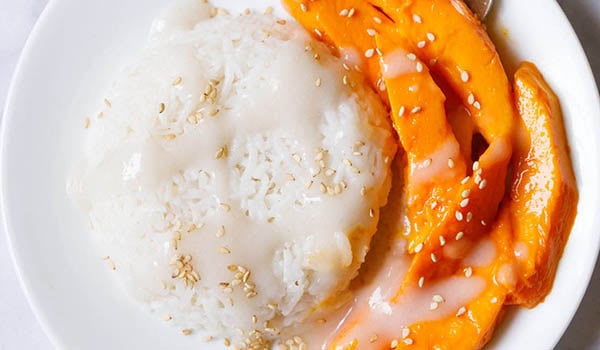
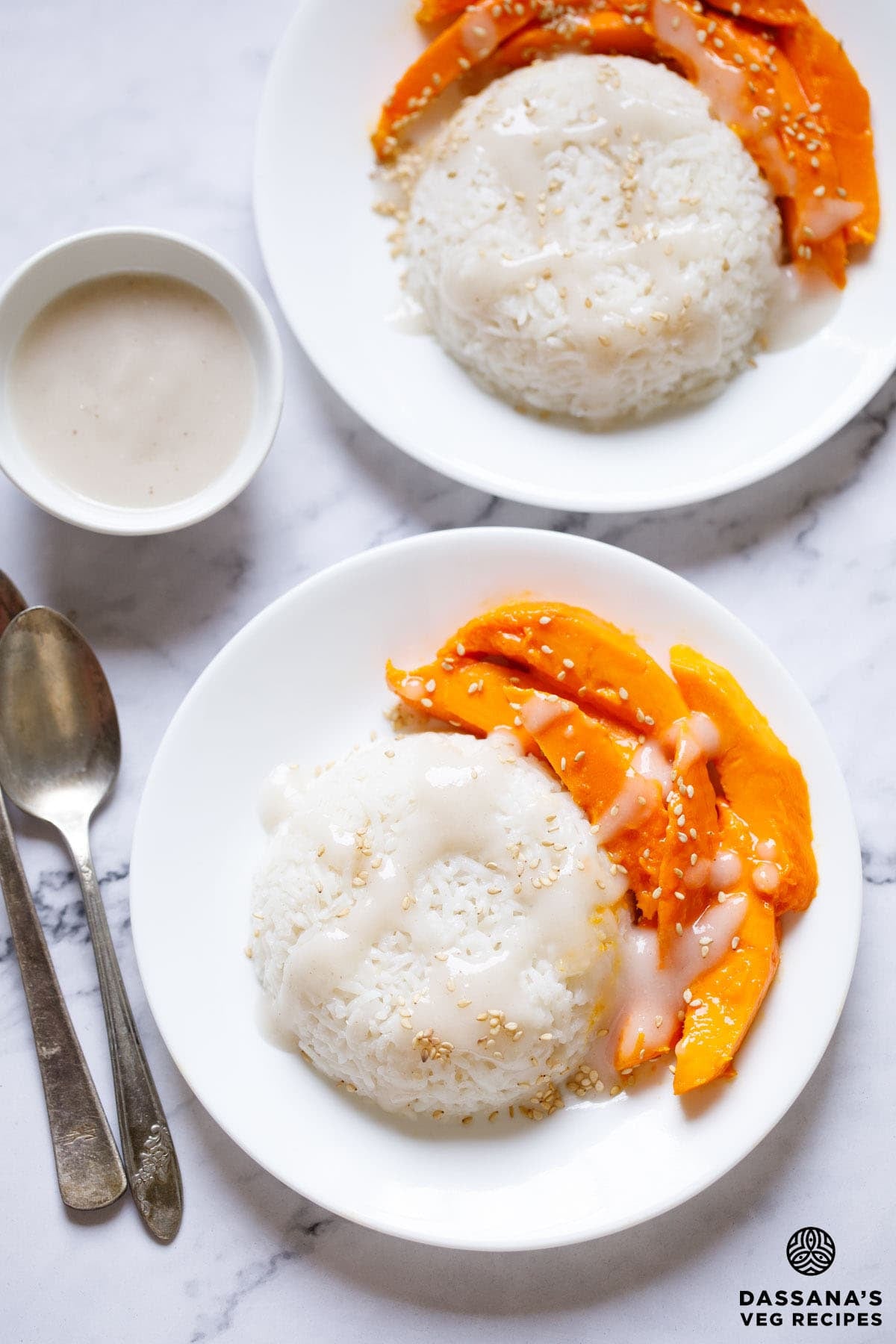
In the pantheon of global desserts, few dishes achieve the harmonious balance of texture, temperature, and taste quite like Thailand’s Khao Niao Mamuang, known internationally as Mango Sticky Rice. While often categorized as a simple street food staple, the dish is a sophisticated assembly of botanical science and culinary tradition. Comprising glutinous rice, coconut milk, and ripe mangoes, it serves as a cultural ambassador for Thai cuisine, particularly during the peak of the mango harvest. As Southeast Asian culinary influences continue to permeate Western markets, understanding the technical rigor and cultural history behind this dessert becomes essential for both gastronomes and casual diners alike.
I. Main Facts: Defining the Components of Excellence
Mango Sticky Rice is not merely a combination of ingredients but a study in specific agricultural products. At its core, the dish relies on three primary pillars: Thai glutinous rice, high-fat coconut milk, and non-fibrous mangoes.
The Foundation: Glutinous Rice
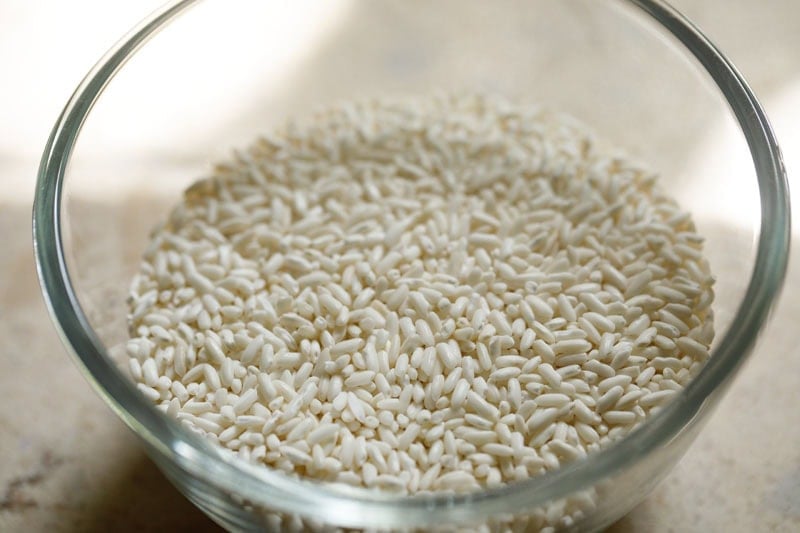
Contrary to its name, "glutinous" rice contains no gluten. The term refers to the rice’s "glue-like" or sticky quality, a result of its unique starch composition. While standard long-grain rice (like Basmati) is high in amylose, Thai sticky rice is nearly 100% amylopectin. This branched starch molecule is responsible for the chewy, translucent texture that characterizes the dish once it is properly steamed.
The Infusion: Coconut Milk and the Salty-Sweet Paradigm
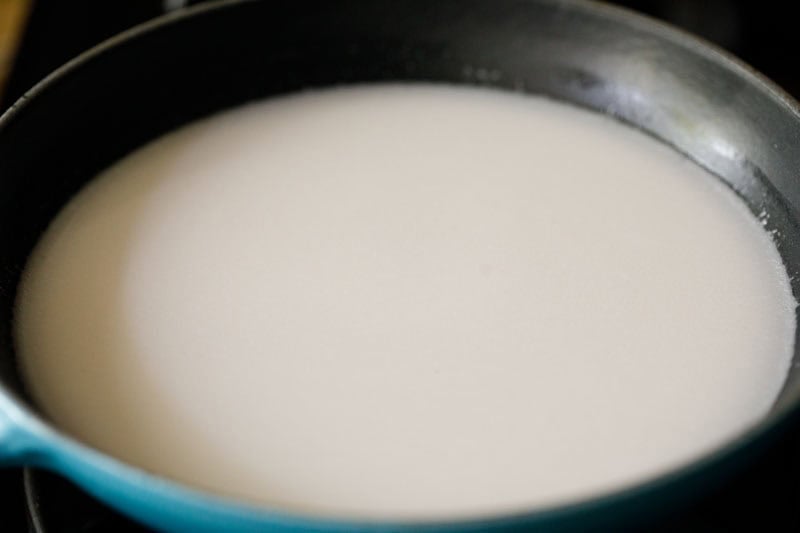
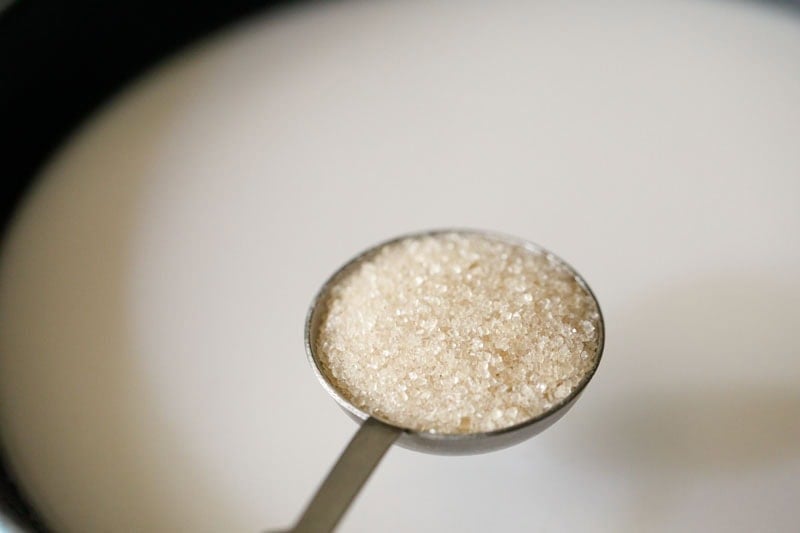
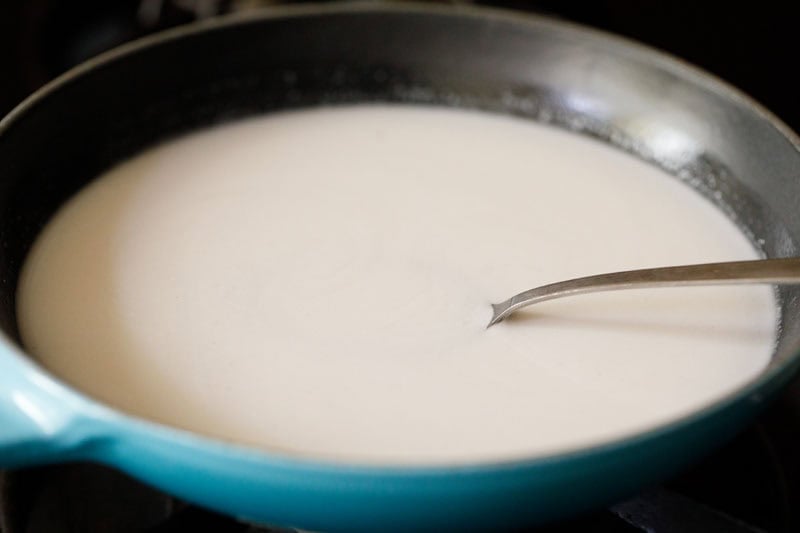
The sauce used in Khao Niao Mamuang is a dual-purpose element. Initially, a sweetened, salted coconut milk is used to soak the cooked rice. Later, a thickened version of the same liquid—often referred to as the "salty cream"—is drizzled over the top. This interplay of salt and sugar is a hallmark of Thai dessert philosophy, where salt is used not to make the dish savory, but to heighten the perception of sweetness and provide a counterpoint to the richness of the coconut fats.
The Fruit: Selecting the Cultivar
The success of the dish is heavily dependent on the quality of the mango. In Thailand, the Nam Dok Mai (flower water) and Ok Rong varieties are the gold standard due to their high sugar content and lack of fibrous "strings." Internationally, chefs often substitute these with Alphonso or Ataulfo mangoes to maintain the necessary buttery consistency.
II. Chronology: The Lifecycle of Preparation
The preparation of Mango Sticky Rice is a time-sensitive process that demands patience and precision. It cannot be rushed, as each stage requires specific chemical transitions.
Phase 1: Hydration and Purification
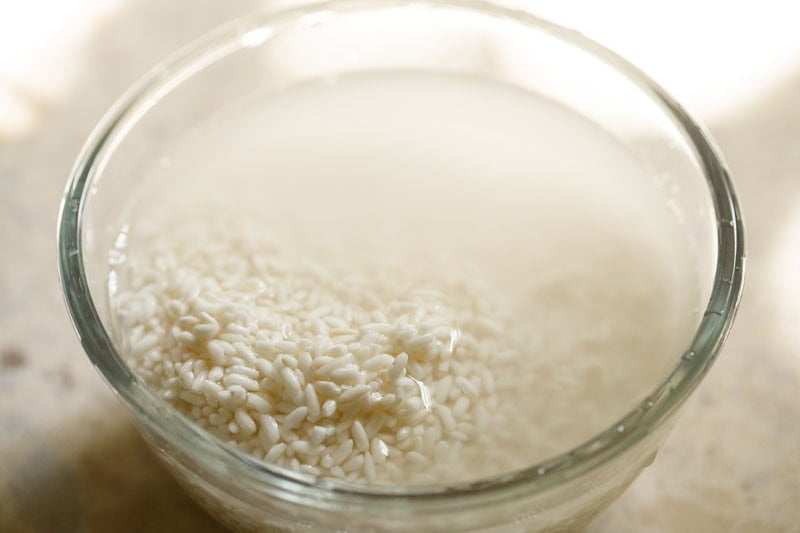
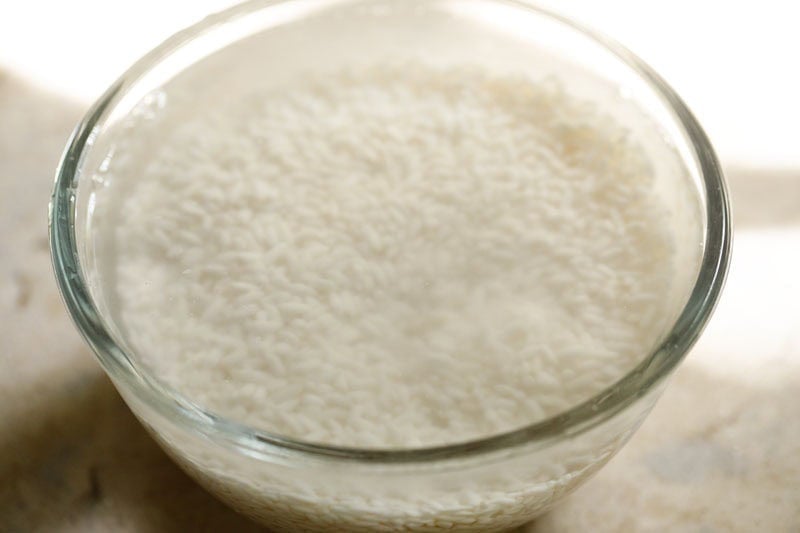
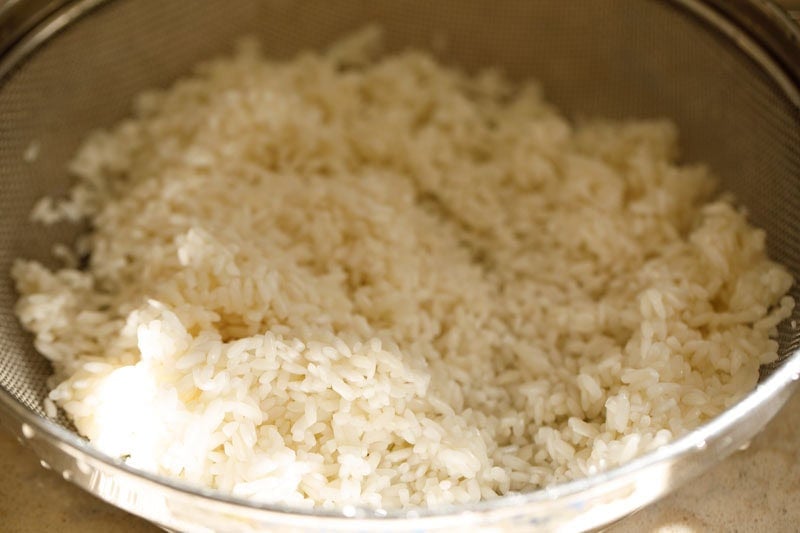
The process begins with the thorough rinsing of the Thai glutinous rice. This is not merely for hygiene; it is a critical step to remove excess surface starch that would otherwise result in a gummy, unappealing mass. Following the rinse, the rice must undergo a significant soaking period. While a one-hour soak in hot water is a viable shortcut for home cooks, traditional methods dictate a four-to-six-hour soak in room-temperature water. This ensures that the moisture penetrates to the core of each grain, allowing for even gelatinization during the steaming process.
Phase 2: The Steaming Ritual
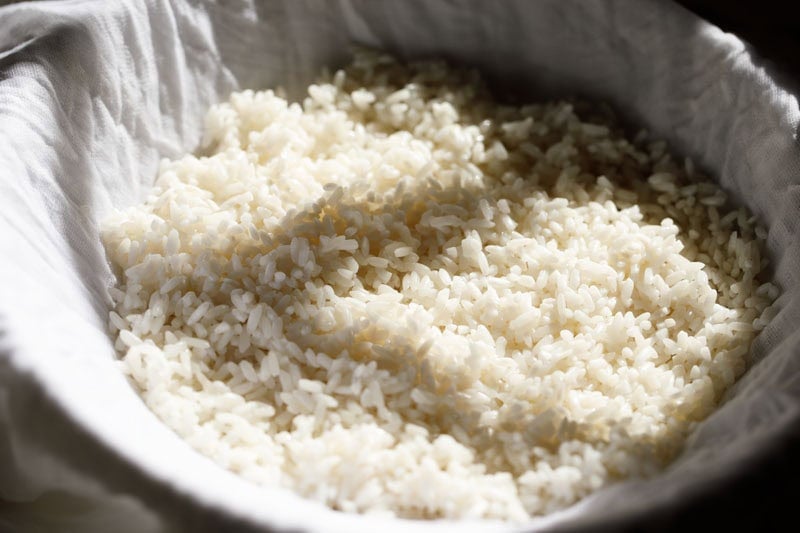
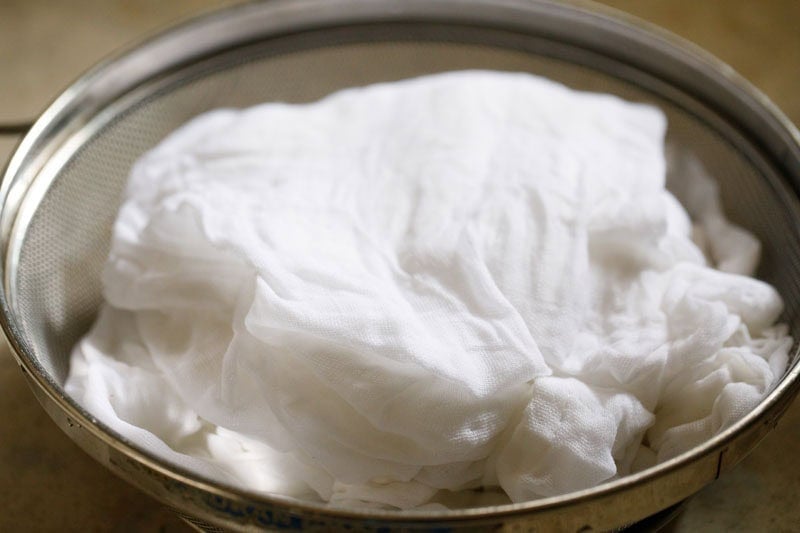
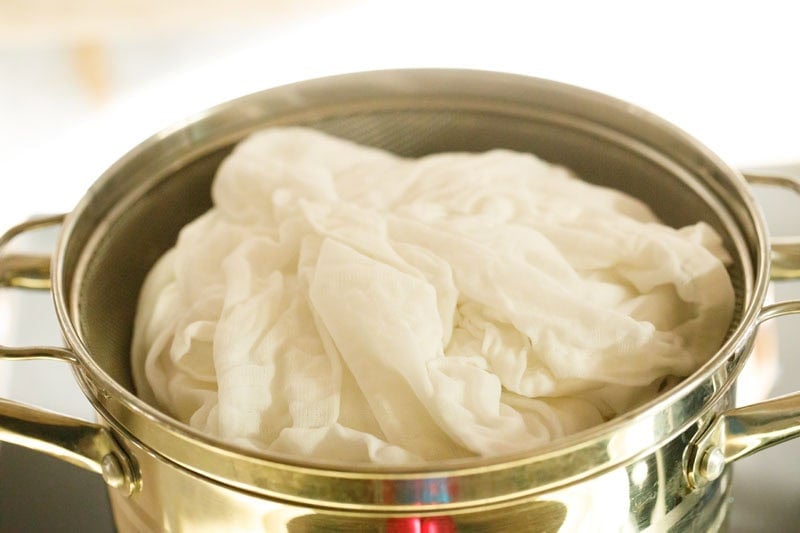
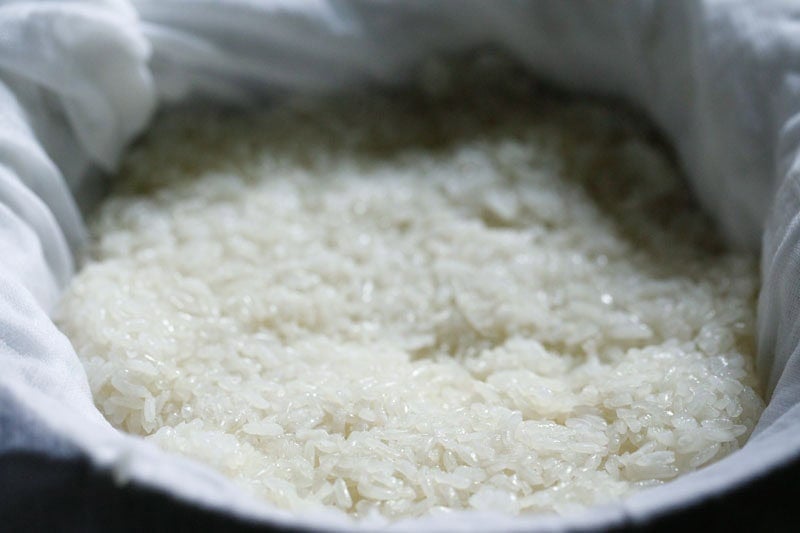
Unlike most rice varieties, glutinous rice is never boiled. Boiling would destroy the structural integrity of the high-amylopectin grains. Instead, the rice is placed in a muslin-lined steamer basket. Over the course of 20 to 22 minutes, the steam gently cooks the rice, transforming it from opaque white to a glossy, translucent state. The resulting texture should be "al dente"—chewy but soft, with each grain distinct.
Phase 3: The Infusion Window
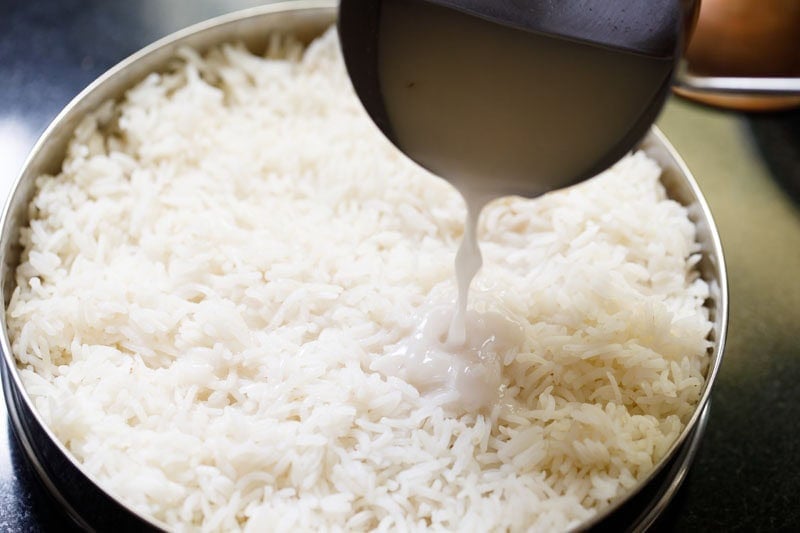
The most critical chronological step is the "hot-on-hot" infusion. As soon as the rice is removed from the steamer, it is combined with warm, sweetened coconut milk. Because the rice is still hot, its pores are open, allowing it to absorb the coconut fats and sugars into the center of the grain. The mixture is then allowed to rest for 15 to 20 minutes. This resting period is essential for the "setting" of the flavors and the final textural development.
Phase 4: Sauce Reduction and Assembly
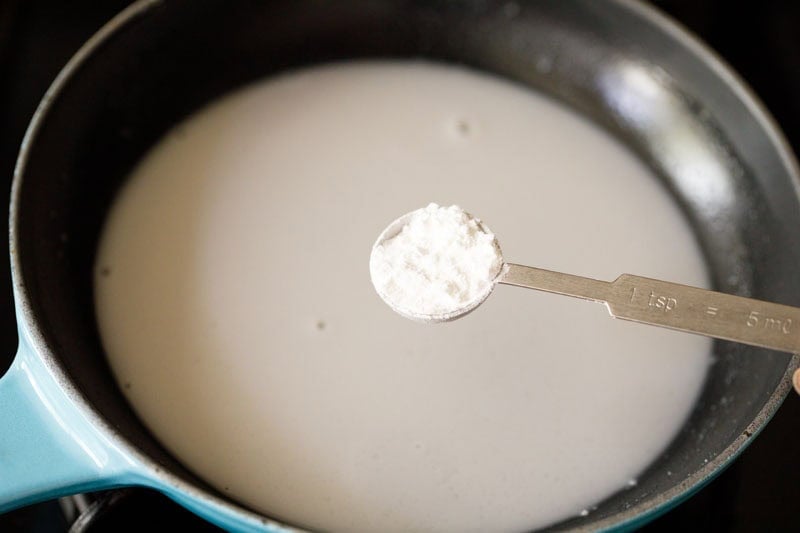
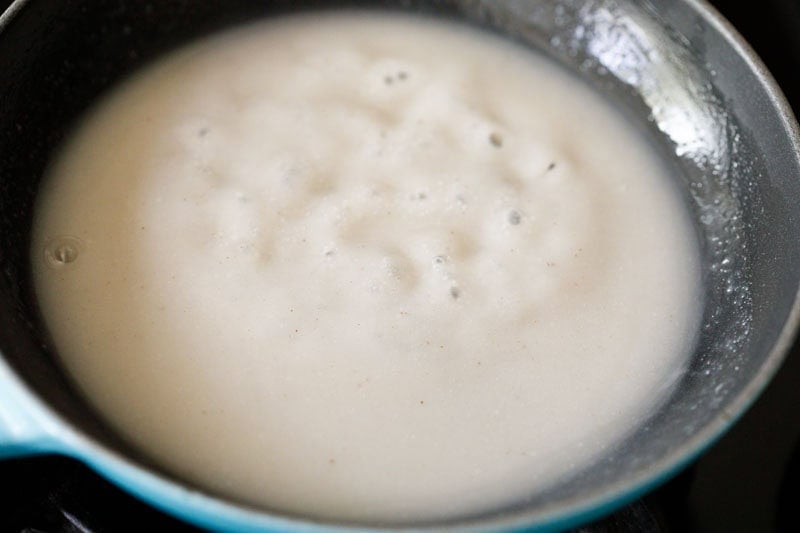
While the rice rests, a secondary coconut sauce is prepared. By adding a thickening agent—traditionally tapioca starch or cornstarch—to the remaining coconut milk and heating it gently, the chef creates a velvet-like topping. The final assembly occurs just before serving: the rice is molded, the mangoes are freshly sliced to prevent oxidation, and the thickened sauce is applied.
III. Supporting Data: Nutritional and Technical Specifications
An analysis of the nutritional profile of Mango Sticky Rice reveals it to be a calorie-dense, energy-providing dessert, reflective of its origins as a substantial treat for agricultural workers.
Nutritional Breakdown (Per Serving)
- Calories: Approximately 398 kcal
- Carbohydrates: 67g (Primarily from the rice and mango sugars)
- Fats: 13g (Saturated fats from coconut milk)
- Fiber: 3g
- Vitamins: Significant levels of Vitamin A (1120 IU) and Vitamin C (38 mg) provided by the fresh mango.
The Role of Starch Substitutes
Data from culinary testing indicates that while Jasmine rice can be used as a substitute in regions where glutinous rice is unavailable, the structural results differ significantly. Jasmine rice, which contains roughly 15-20% amylose, will never achieve the specific "rebound" chewiness of traditional Thai sticky rice. This technical distinction is why professional Thai kitchens prioritize the sourcing of authentic "long-grain glutinous rice" from Northern Thailand.
IV. Expert Perspectives and Culinary Standards
Culinary experts and traditional Thai chefs emphasize that the "soul" of the dish lies in the aromatics.
The Pandan Influence
A key "secret" ingredient often cited by experts is the Pandan leaf (Pandanus amaryllifolius). Often described as the "vanilla of the East," Pandan leaves are knotted and steeped in the coconut milk during the heating process. The leaves contribute a subtle, nutty, and grassy aroma that bridges the gap between the tropical fruit and the earthy rice.
The Texture Gradient
According to Thai culinary standards, a perfect plate of Khao Niao Mamuang must present a gradient of textures. There is the "firm-soft" of the rice, the "buttery-smooth" of the mango, the "creamy-liquid" of the sauce, and finally, a "crunch." This crunch is traditionally provided by toasted mung beans (thua thong) or toasted sesame seeds. These garnishes are not merely decorative; they provide a necessary olfactory and tactile break from the softness of the other components.
V. Implications: Cultural Soft Power and Global Adaptability
The rise of Mango Sticky Rice from a regional Thai specialty to a global dessert phenomenon has several significant implications for the food industry and international relations.
Cultural Soft Power
The Royal Thai Government has long recognized the power of "Gastro-diplomacy." By promoting dishes like Mango Sticky Rice, Thailand enhances its national brand and encourages tourism. The dish gained renewed global attention in 2022 when Thai rapper Milli performed at the Coachella Valley Music and Arts Festival and ate a bowl of Mango Sticky Rice on stage, causing a documented surge in demand for the dessert across Thailand and internationally.
Dietary Trends and Inclusivity
In a modern market increasingly focused on dietary restrictions, Mango Sticky Rice holds a unique advantage. It is naturally:
- Vegan: Utilizing coconut milk instead of dairy.
- Gluten-Free: Despite the "glutinous" label, it is safe for those with celiac disease.
- Whole-Food Based: It relies on minimally processed ingredients compared to Western pastries.
The Challenges of Commercialization
The primary implication for the food service industry is the challenge of "shelf-life." Because the rice hardens when refrigerated (due to starch retrogradation) and the mangoes degrade quickly once sliced, Mango Sticky Rice remains a "made-to-order" luxury. This inherent resistance to industrial mass production preserves the artisanal nature of the dish, ensuring that the best versions continue to be found in kitchens and street stalls that respect the traditional chronology of preparation.
Conclusion
Mango Sticky Rice stands as a testament to the sophistication of Thai culinary arts. It is a dish that requires a deep understanding of agricultural science—specifically the properties of amylopectin-rich rice—and a mastery of the balance between salt, sugar, and fat. As it continues to delight palates from Bangkok to New York, its success serves as a reminder that the most enduring "trends" are often those rooted in centuries of seasonal tradition and uncompromising technique. For the home cook or the professional chef, the journey of making Khao Niao Mamuang is a lesson in patience, proving that the finest results are those that allow time for the rice to soak, the steam to rise, and the flavors to meld.
