

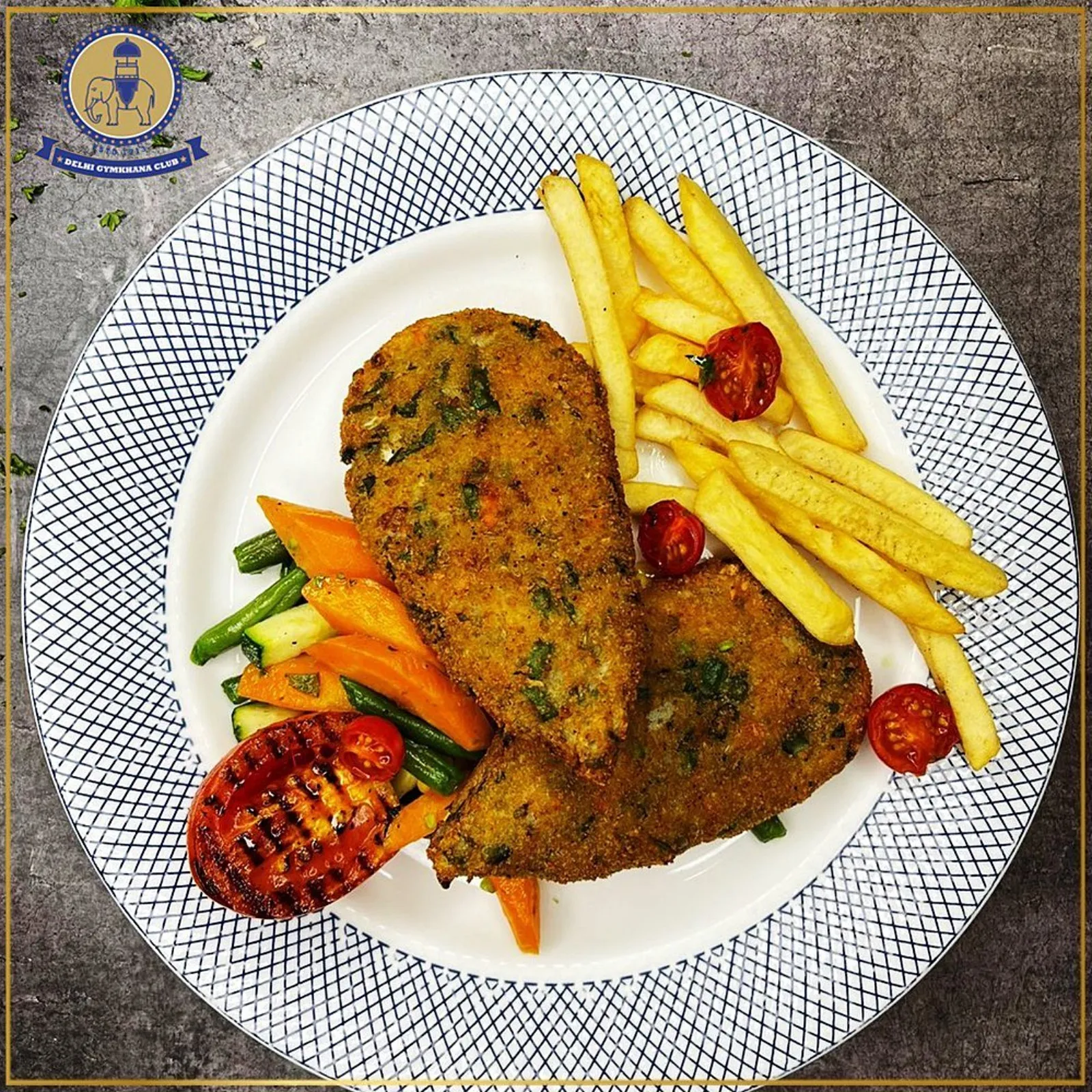
In the landscape of modern Indian urbanity, the private members’ club remains one of the most polarizing institutions. To some, they are archaic remnants of a colonial past—bastions of elitism that should be dismantled or democratized. To others, they are vital repositories of social history, offering a sanctuary of "old-world charm" in a rapidly digitizing and often impersonal world. However, beyond the debates over membership fees and exclusionary policies lies a more sensory-driven reason for their survival: a unique, steadfast culinary tradition that defies modern gastronomic trends.
While fine-dining establishments across Delhi, Mumbai, and Kolkata pivot toward "Omakase" menus, molecular gastronomy, and Instagram-optimized interiors, the dining rooms of India’s elite clubs continue to serve Lobster Thermidor, Mixed Grills, and Cheese Toast. This culinary preservation has become so influential that it has spawned a successful commercial counterpart, where the "club experience" is sold to the general public at a significant premium.
The Institutional Anchor: A Chronology of Club Culture
The history of the Indian country club is inextricably linked to the British Raj, established originally as "homes away from home" for colonial officers. Post-1947, these institutions were inherited by the Indian elite—civil servants, military officers, and business scions—who maintained many of the British traditions, including the dress codes, the sports-centric social life, and, most importantly, the "Continental" menus.
Over the decades, these menus underwent a fascinating evolution. They didn’t just preserve British staples; they hybridized them with local flavors to create a distinct "Club Cuisine." By the 1970s and 80s, these clubs were the primary venues for high-society gatherings. While the outside world saw the rise of global fast food and the eventual explosion of modern Indian fusion, the clubs remained frozen in time.
In the 21st century, the relevance of these clubs has been challenged by new-age "social clubs" and high-end restaurants. Yet, the demand for club-style food has never been higher. This is evidenced by the success of restaurants like the Delhi Club House, which curates its entire menu from the disparate kitchens of the Gorkha Rifle Mess, the Oudh Club, and the Coimbatore Club. This commercial success highlights a paradox: while the institutions themselves are often criticized, their kitchens are revered.
A Gastronomic Time Capsule: Supporting Data and Culinary Staples
The allure of club food lies in its refusal to change. In a world of "disruptive" dining, the club offers the comfort of the predictable. The menu is typically divided into three distinct categories: Anglo-Indian "Continental," the localized "Club Snack," and the traditional Indian "Tandoori" or "Mughlai" fare.
The Continental Legacy
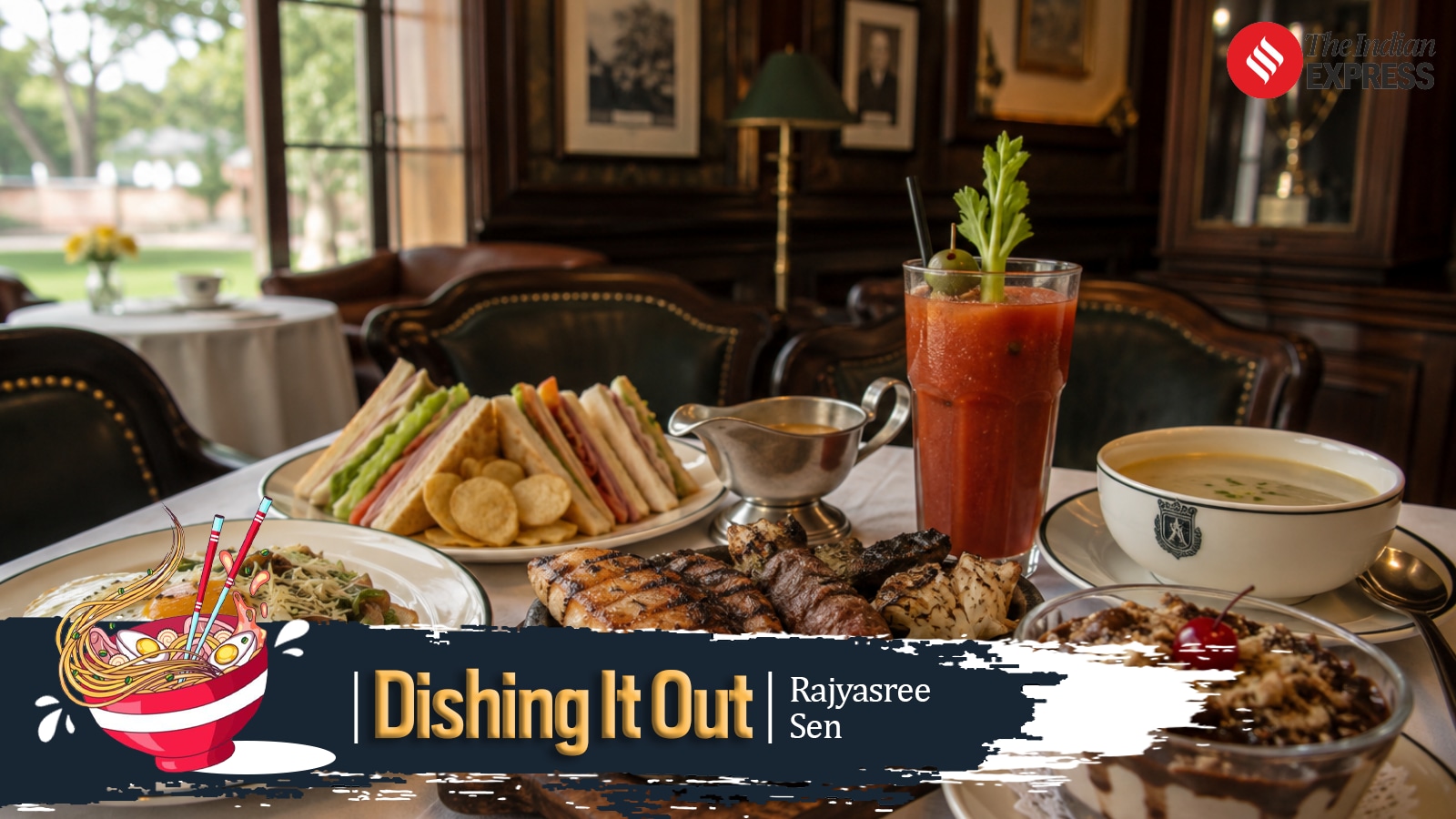
Clubs remain among the few places in India where 20th-century European classics are served without irony. Dishes that have disappeared from commercial menus—such as Potato and Leek Soup, Almond Soufflé, and Baked Alaska—are staples here. The "Mixed Grill," served on a scorching stone slab with charred meats and cabbage, remains a rite of passage for many members.
The beverage program is equally traditional. While modern bars focus on artisanal gins and craft beers, clubs are the last refuge of the "Shandy," the "Tom Collins," the "Screwdriver," and the "Bloody Mary." These drinks are served not by "mixologists" but by "Aabdars" (bartenders), many of whom have held their positions for forty years and possess an encyclopedic knowledge of their members’ preferences.
The Legend of Eggs Kejriwal
Perhaps the most famous contribution of club culture to the mainstream Indian palate is "Eggs Kejriwal." Originating at the Willingdon Club in Mumbai, the dish was named after a regular member, Mr. Kejriwal. Because his family followed a strict vegetarian diet at home, he satisfied his craving for eggs at the club. His specific request—a sunny-side-up egg on toast slathered with spicy green chutney, topped with sautéed mushrooms and chillies, and finished with a layer of melted Amul cheese—became a sensation. Today, Eggs Kejriwal is a staple on brunch menus from London to New York, yet its soul remains in the quiet dining room of the Willingdon.
Regional Variations: From Kolkata to Chennai
The culinary map of Indian clubs is diverse:
- Kolkata: The Bengal Club is renowned for its "fall-off-the-bone" pork ribs in the Chinese Room. The Saturday Club is widely considered to serve the city’s best Chilli Chicken, while the Calcutta Swimming Club is famous for its "masala chips" and massive jalebis enjoyed by the poolside.
- Chennai: The Madras Boat Club is a destination for its "Chilli Beef," a dish perfectly seasoned and cooked to a tenderness rarely found in commercial kitchens.
- Mumbai: Beyond the Willingdon, the Cricket Club of India (CCI) is celebrated for its Akuri (spicy Parsi scrambled eggs) served with Melba Toast, and the Bombay Presidency Golf Club is noted for its Tawa Fry Fish and "Golfer’s Salad."
The Commercialization of Nostalgia
The rise of "club-inspired" restaurants marks a shift in how the Indian public views these exclusive spaces. The Delhi Club House, for instance, replicates the aesthetics of a fancier club dining room—minus the decades-long waiting list for membership.
The economic data behind this trend is telling. A dish that costs ₹200 at an actual club, subsidized by membership dues, can command ₹2,000 at a high-end commercial restaurant. Patrons are willing to pay this tenfold increase not just for the food, but for the "sentiment" and the "old-world" atmosphere that the club aesthetic provides. This suggests that "Club Food" has become a culinary genre in its own right, defined by its simplicity and historical weight rather than by technical complexity.
The Human Element: Dignity of Labor and Social Connection
A critical component of the club experience is the service. Unlike the high-turnover staff at modern trendy eateries, club waiters and stewards often serve for decades. This longevity fosters a "dignity of labor" and a level of familiarity that is increasingly rare.
Furthermore, the social dynamic within a club differs significantly from a commercial restaurant. In a club setting, there is a notable absence of digital distraction. Members, ranging from youngsters to families and athletes fresh from the courts, engage in actual conversation. The club is not an "in" place to be seen; it is a place to belong. This environment enhances the perceived quality of the food; the "side order of sentiment" makes a simple egg sandwich or a cup of strong club cold coffee taste better than their gourmet counterparts.
Official Responses and Sociological Perspectives
Sociologists argue that the love for club food is a form of "culinary nostalgia." As India’s urban landscape changes, these menus offer a link to a perceived simpler past. Critics, however, point out that the low prices in these clubs are often the result of land subsidies and historical privileges that are no longer justifiable in a modern democracy.
In response to these criticisms, some clubs have attempted to modernize, but they often face stiff resistance from their own members. The "ire" of those denied membership—as seen in high-profile Twitter spats involving political figures—often stems from a desire to access this specific lifestyle and its culinary perks. The consensus among club aficionados is that the food is not "average," as critics claim, but "comforting." It represents the recipes that were once common in domestic kitchens (like blancmange or fish fingers) but have been crowded out by the "Omakase dosa platters" of the modern era.
Implications: The Future of the Club Kitchen
As the debate over the existence of private clubs continues, the survival of their unique culinary heritage hangs in the balance. The "Continental" and Anglo-Indian recipes preserved in these kitchens are at risk of disappearing if the institutions themselves are forced to change or close.
However, the trend of mainstream restaurants adopting club-style menus suggests that even if the clubs were to vanish, their food would live on. The "Monte Carlo" dessert—an ice cream pudding layered with chocolate sponge, biscuits, and pralines—remains a "true gourmet fare" in the eyes of those who value tradition over trend.
Ultimately, the enduring popularity of club food serves as a reminder that in the world of gastronomy, innovation is not always the goal. Sometimes, the most valuable thing a kitchen can offer is a "right-priced" meal, a familiar face, and a taste that hasn’t changed in fifty years. Whether it is the Reshmi Tikkas of the Punjab Club or the thick pancakes of the Tollygunge Club, these dishes represent a cultural continuity that remains, for many, the ultimate luxury.
Coming next: An exploration into the reinvention of the cutlet, from the Kolkata Fish Cutlet to the Goan Croquette and the Nargisi Chop.
