

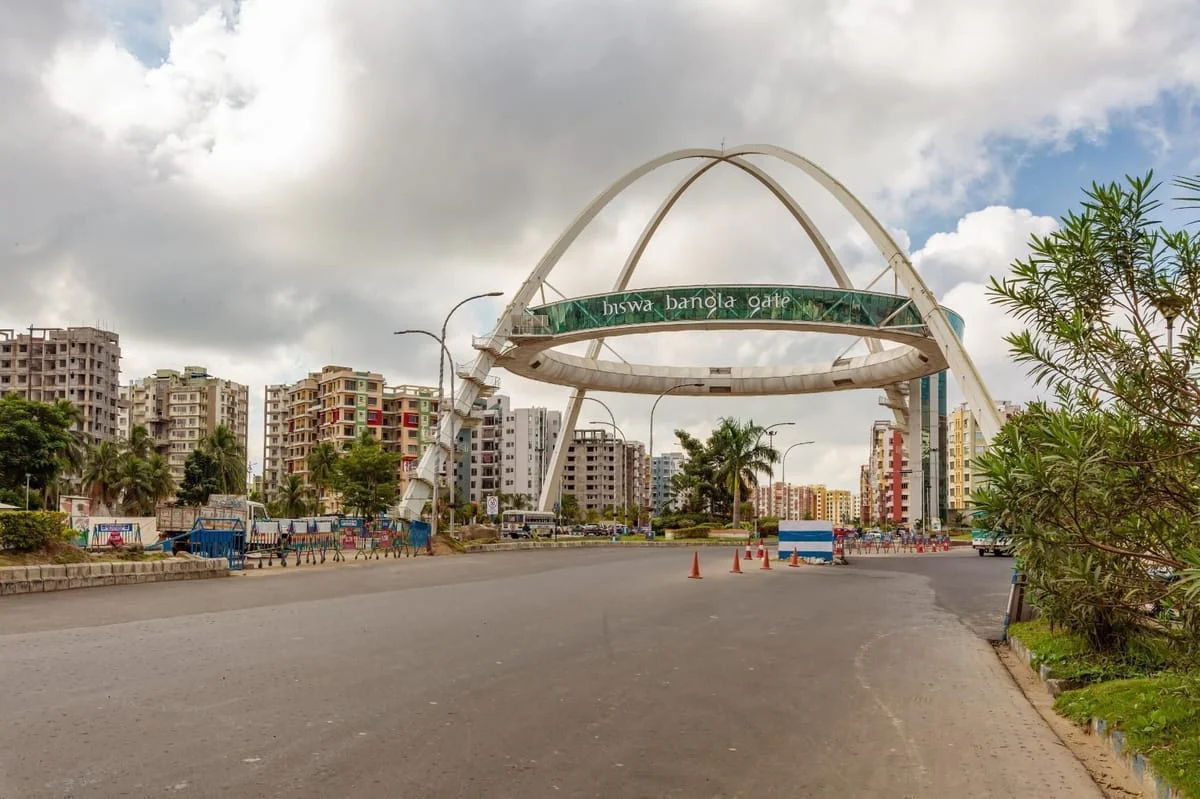
KOLKATA – Once characterized primarily by its colonial-era architecture and slow-paced lifestyle, Kolkata is undergoing a profound demographic and architectural transformation. As the "City of Joy" strengthens its position as a burgeoning IT and financial hub in Eastern India, a new wave of millennial professionals is redefining the local real estate market.
For the modern professional, the choice of a residential area is no longer dictated solely by proximity to family. Instead, a complex matrix of affordability, "Instagrammable" social infrastructure, high-speed connectivity, and the flexibility of hybrid work models now drives the market. This report explores the premier residential localities in Kolkata tailored for the millennial cohort, analyzing the economic and infrastructural shifts making this evolution possible.
Main Facts: The New Criteria for Urban Living
The millennial approach to housing in Kolkata is marked by a shift from "ownership at all costs" to "quality of life and mobility." According to recent market trends, several key factors have emerged as non-negotiables for young adults aged 25 to 40:
- The 15-Minute Neighborhood: Millennials prioritize localities where workplaces, grocery stores, gyms, and transit points are within a 15-minute radius.
- Tech-Enabled Infrastructure: With hybrid work becoming a permanent fixture, high-speed fiber-optic availability and the presence of nearby coworking spaces are top priorities.
- Rental Flexibility: There is a growing demand for "plug-and-play" homes—fully or semi-furnished 1BHKs and studio apartments that allow for easy relocation.
- Social Capital: Proximity to third spaces—cafes, microbreweries, and cultural hubs—is a significant driver for rental premiums in areas like Ballygunge and Salt Lake.
Chronology: The Evolution of Kolkata’s Residential Hubs
To understand the current state of Kolkata’s real estate, one must look at the chronological expansion of the city’s boundaries:
- The Pre-2000s Era (The Traditional Core): Residential life was centered around North and Central Kolkata. Neighborhoods like Baghbazar and Esplanade were the heart of the city, but they offered limited modern amenities for the rising corporate class.
- 2000–2010 (The Rise of Salt Lake & Sector V): The establishment of Bidhannagar (Salt Lake) as an IT destination shifted the focus eastward. This decade saw the first major influx of young professionals from outside the state, leading to the development of planned blocks and the first wave of modern apartment complexes.
- 2010–2020 (The New Town Expansion): As Salt Lake reached saturation, the West Bengal Housing Infrastructure Development Corporation (HIDCO) spearheaded New Town. This era introduced "Smart City" concepts, gated communities, and massive commercial malls, catering specifically to the globalized millennial aesthetic.
- 2020–Present (The Connectivity Revolution): The post-pandemic era has seen a "peripheral explosion." With the expansion of the Kolkata Metro (East-West and Joka-Esplanade lines), previously overlooked areas like Joka and Howrah’s riverfront are being rebranded as affordable millennial hubs.
Supporting Data: Top Residential Localities for Millennials
The following table provides a comparative analysis of the most sought-after areas based on average rental yields and proximity to transit:
| Locality | Avg. Monthly Rent (INR) | Nearest Metro Access | Primary Demographic |
|---|---|---|---|
| Salt Lake | 15,000 – 25,000 | Sector V (Green Line) | IT Pros & Entrepreneurs |
| New Town | 12,000 – 20,000 | New Town (Upcoming) | Techies & Budget Seekers |
| Ballygunge | 18,000 – 30,000 | Ballygunge Phari (Rail) | Affluent Creatives |
| Tollygunge | 12,000 – 22,000 | Mahanayak Uttam Kumar | Media & Film Professionals |
| Alipore | 20,000 – 35,000 | Rabindra Sadan | High-Net-Worth Individuals |
| Joka | 10,000 – 18,000 | Joka (Purple Line) | Remote Workers |
| Howrah | 9,000 – 16,000 | Howrah Station | Budget-conscious Commuters |
Deep Dive: Neighborhood Profiles
- Salt Lake (Bidhannagar): The gold standard for IT professionals. Divided into sectors, it offers a rare mix of lush greenery and corporate proximity. The "Block" culture provides a sense of community, while Sector V serves as the epicenter of nightlife and coworking.
- New Town: Often referred to as the "Futuristic Face of Kolkata," New Town offers large gated communities with swimming pools and gyms—amenities that are often unaffordable in South Kolkata. Its proximity to the airport and the presence of Eco Park make it a weekend favorite.
- Tollygunge: The "Tollywood" of the East. It appeals to millennials in the creative arts. It offers a unique blend of old-world charm (The Tollygunge Club) and modern high-rises.
- Joka: Once considered the outskirts, the Diamond Harbour Road corridor is now a hotspot for those seeking "more space for less money," particularly attractive to those working in the education sector (IIM Calcutta) or remote tech roles.
Official Responses and Expert Perspectives
Real estate analysts suggest that Kolkata’s market remains one of the most resilient and affordable among Indian metros.
"We are seeing a definitive pivot toward ‘Lifestyle Housing’," says a senior consultant at a leading property firm. "Millennials in Kolkata are not just buying or renting four walls; they are purchasing a lifestyle that includes a short commute and a vibrant social scene. The government’s push for the East-West Metro has been the single biggest catalyst for this shift."
HIDCO officials have also noted that New Town’s design was intentionally curated to attract a younger workforce. "With dedicated cycle tracks, smart street lighting, and integrated commercial-residential zones, we are building a city that speaks the language of the digital native," an official stated during a recent urban planning seminar.
Furthermore, safety remains a cornerstone of Kolkata’s appeal. National Crime Records Bureau (NCRB) data consistently ranks Kolkata as one of India’s safest cities, a factor that real estate experts say is pivotal for young women and bachelors moving to the city for the first time.
Infrastructure and Connectivity: The Transit Backbone
The viability of these residential areas is inextricably linked to Kolkata’s massive transport overhaul.
- The Green Line (East-West Metro): This line has revolutionized the Salt Lake-Sector V corridor, eventually connecting it to the Howrah side under the Hooghly River. This makes cross-city commuting feasible for the first time in history.
- The Purple Line: The Joka-Esplanade stretch is opening up the Southern fringes, allowing affordable housing hubs to thrive without isolating residents from the city center.
- The New Town-Airport Link: Enhanced road connectivity and the upcoming metro link to the Netaji Subhash Chandra Bose International Airport are positioning New Town as a global transit hub.
Implications: The Future of the Kolkata Real Estate Market
The rise of millennial-centric neighborhoods has several long-term implications for the city’s urban fabric:
- Gentrification of the Periphery: As demand rises in areas like Joka and Rajarhat, local infrastructure—hospitals, schools, and retail—is seeing rapid private investment, narrowing the gap between "core" and "fringe" areas.
- Rise of the Rental Economy: With a mobile workforce, the rental market is becoming more organized. Professional property management services and co-living startups are likely to find a foothold in Salt Lake and New Town.
- Sustainability Focus: Millennials are more environmentally conscious. Future developments are likely to emphasize "Green Building" certifications, solar energy, and rainwater harvesting to attract this demographic.
- Economic Diversification: By providing high-quality, affordable living spaces, Kolkata is successfully retaining talent that might otherwise migrate to Bangalore or Hyderabad. This "Brain Gain" is essential for the city’s goal of becoming a premier FinTech and Data Center hub.
Final Words for the Moving Professional
For the millennial moving to Kolkata, the city offers a rare proposition: the ability to maintain a high standard of living without the prohibitive costs found in other Tier-1 Indian cities. Whether it is the manicured streets of Salt Lake, the high-rise luxury of Alipore, or the budget-friendly promise of Joka, the city has evolved to meet the demands of the 21st-century professional.
As the metro lines continue to expand and the IT sector matures, these residential areas will likely see significant capital appreciation, making today’s rental hubs tomorrow’s prime real estate investments. Kolkata is no longer just a city of history; it is rapidly becoming a city of the future.
Disclaimer: Rental rates and property values are subject to market fluctuations. Prospective residents are advised to conduct independent site visits and verify legal clearances before entering into rental or purchase agreements.
