

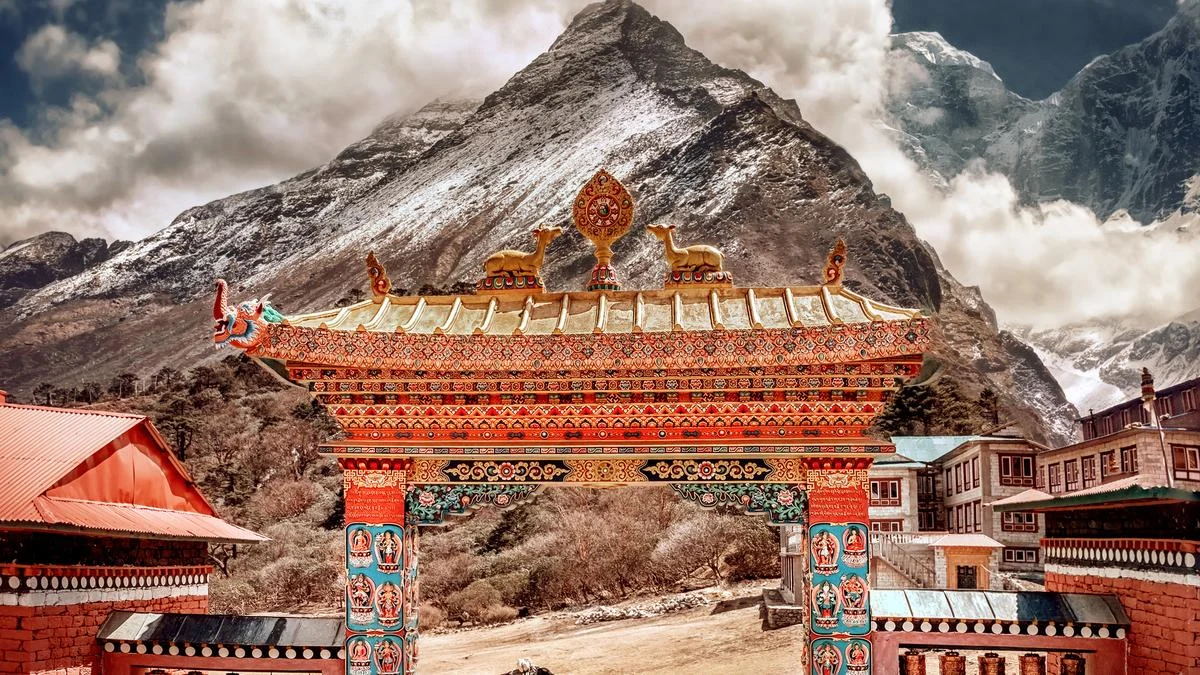
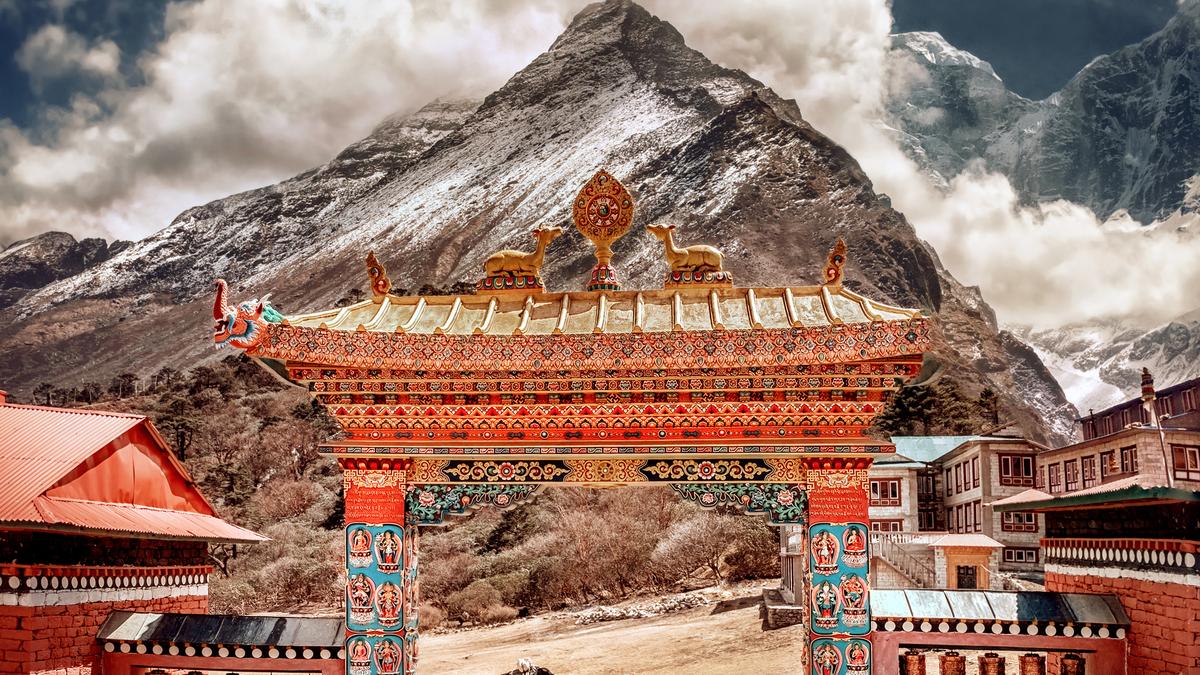
KATHMANDU — For decades, the global narrative of Nepal has been tethered to the staggering heights of Mount Everest. Every May 29, on Everest Day, the world commemorates the 1953 ascent by Sir Edmund Hillary and Tenzing Norgay. Yet, as the mountain groans under the weight of record-breaking crowds and environmental degradation, a different story is unfolding 10,000 feet below in the Kathmandu Valley. It is a story of a nation in transition, where ancient rituals meet Gen Z activism, and where the "Living Goddess" shares the stage with rapper-politicians.
Main Facts: A Valley Reimagined
While the "Death Zone" of Everest captures headlines with tales of overcrowding and commercialization, Kathmandu is asserting itself as more than just a logistical pitstop for climbers. The city is currently navigating a complex socio-political and cultural shift, characterized by a burgeoning youth-led movement and a modernized tourism infrastructure.
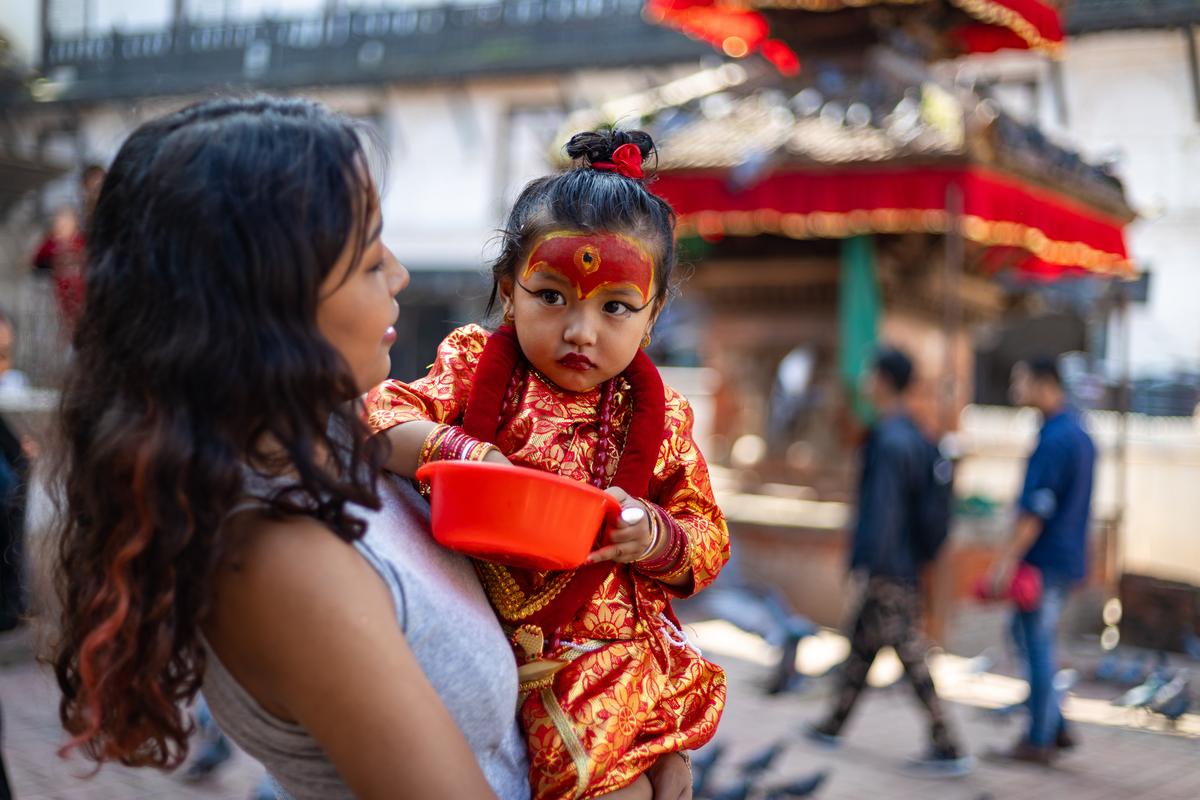
The core of this transformation lies in the duality of the city. In the historic Durbar Square, the Kumari—a young girl worshipped as a living goddess—appears at her carved wooden window to a silent, prayerful crowd. Moments later, the silence is punctured by the rhythmic tapping of influencers filming TikTok reels, despite ubiquitous "No TikTok" signs. This friction between the sacred and the digital defines the modern Nepali experience.
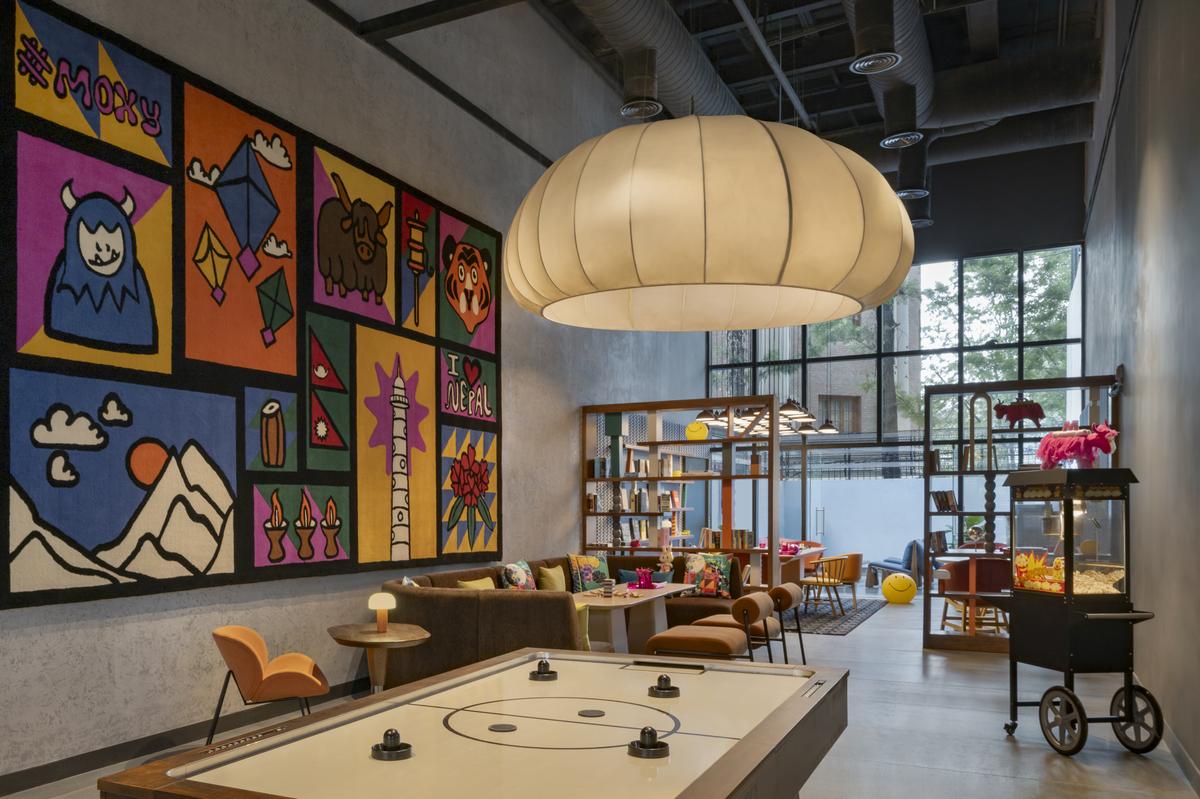
Furthermore, the hospitality sector is pivoting to reflect this new identity. The recent launch of Marriott’s Moxy Kathmandu signifies a shift toward "luxe-hostel" environments designed to connect travelers with the city’s pulse rather than isolating them in traditional luxury. This mirrors a broader national trend: an attempt to diversify the tourism portfolio beyond high-altitude trekking to include wellness, weddings, and deep cultural immersion.

Chronology: From Freak Street to the "Balen Effect"
To understand Nepal’s current trajectory, one must view it through the lens of its historical iterations.
The 1960s–70s: The Hippie Trail
During this era, Kathmandu was the ultimate destination on the "Hippie Trail." "Freak Street" became a global synonymous for counterculture, spirituality, and exploration. This period established Nepal as a bastion of bohemian freedom, a reputation that still lingers in the smoke-filled cafes of Thamel.
2024: The Gen Z Protests and Political Pivot
The most significant recent shift occurred in September 2024. Youth-led protests, driven by a desire for systemic change and an end to old-guard corruption, reshaped the political landscape. These protests initially slowed tourism, with hotel occupancies plummeting. However, they paved the way for the "Balen Effect."
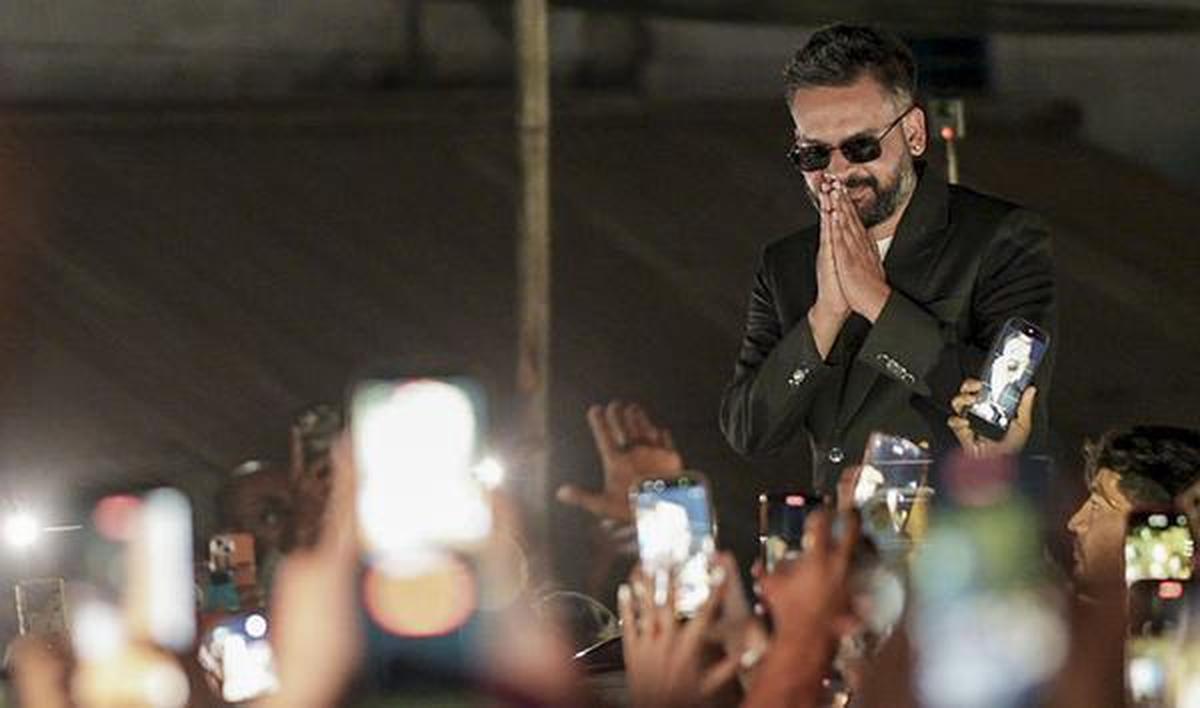
Balendra Shah, popularly known as "Balen"—a former structural engineer and rapper—ascended from the Mayoralty of Kathmandu to become the country’s youngest Prime Minister. His rise represents a generational handover. For the first time, the Nepali youth see a leader who reflects their aesthetic and digital fluency, often listening to his tracks like Balidan (on systemic corruption) as they navigate the city’s streets.
Late 2024–Present: The Recovery
Following the political stabilization, the tourism sector has seen a steady rebound. From a soft launch in December with 22% occupancy, major hotels like the Moxy reported a surge to 55% by April 2025. This recovery is fueled by a sense of domestic optimism and a renewed interest from regional markets, particularly India and Southeast Asia.
Supporting Data: The Cultural and Economic Tapestry
Nepal’s appeal is increasingly rooted in its "harmony in chaos," a sentiment echoed by local entrepreneurs and cultural historians alike.
The Newari Heritage
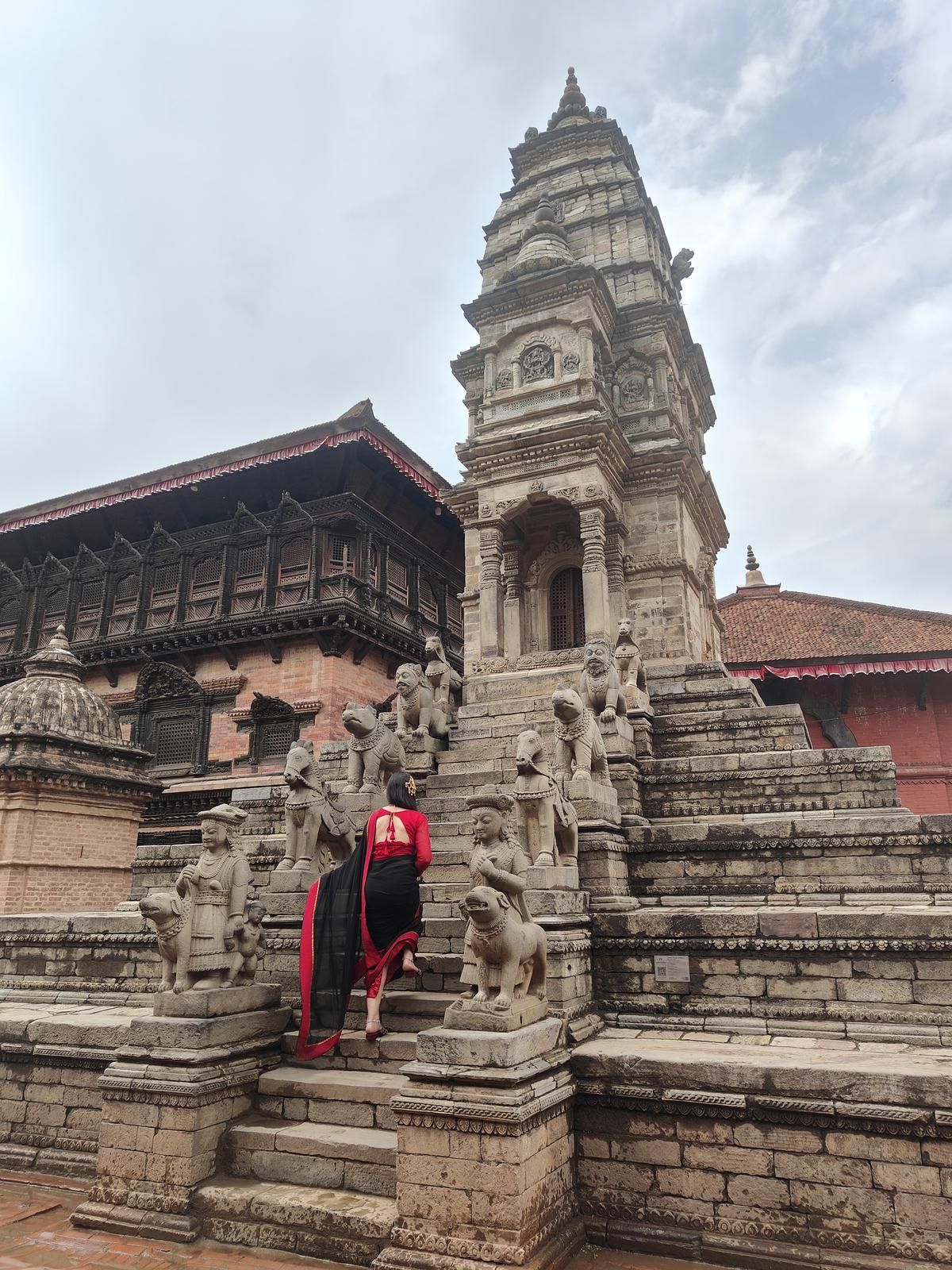
The Kathmandu Valley, comprising Kathmandu, Patan, and Bhaktapur, remains an architectural palimpsest. In Bhaktapur, the city plan is drawn as a mandala, a sacred geometric map that guides the placement of temples and communal spaces.
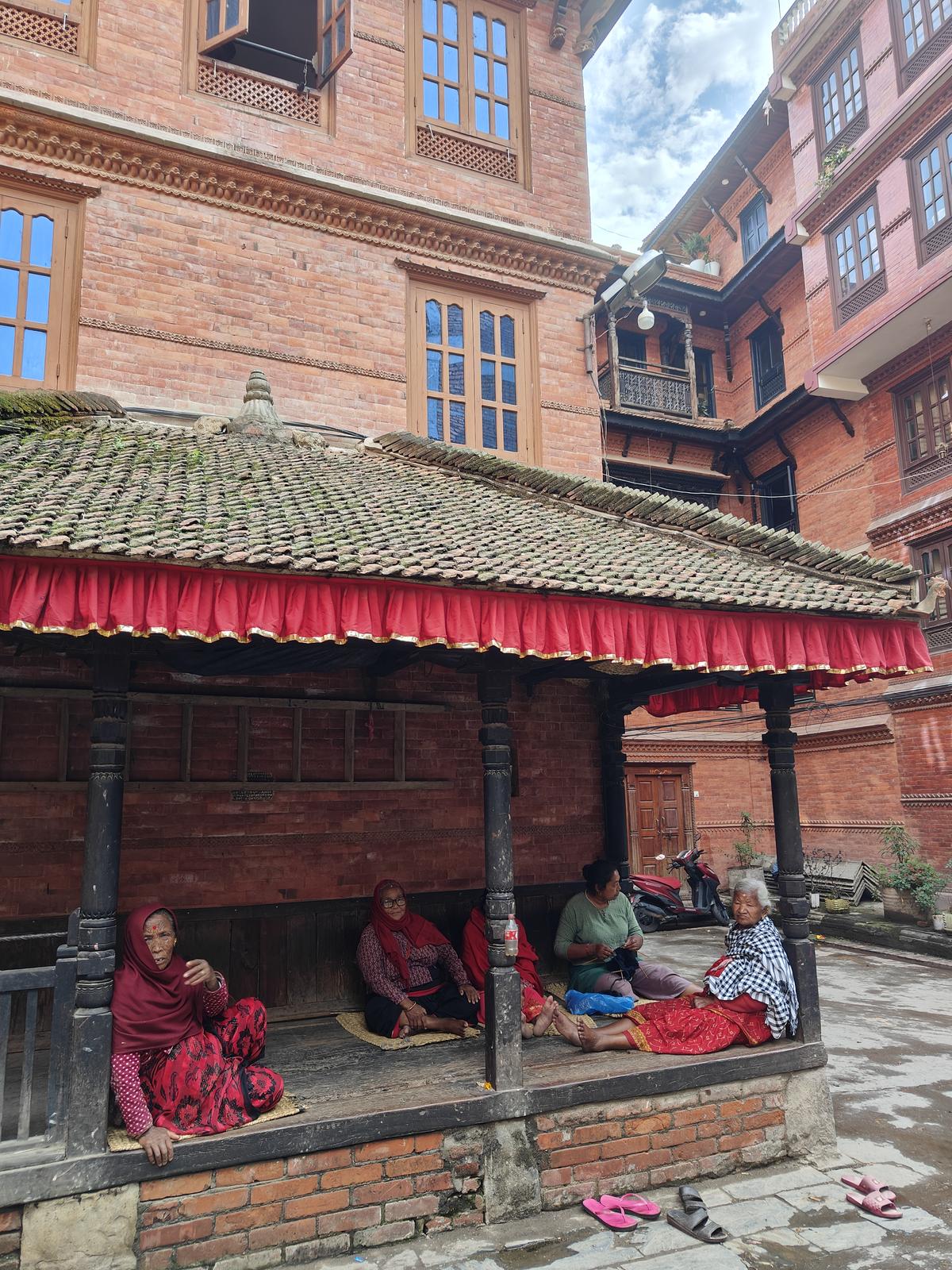
- The Falcha: Central to this are the falchas—century-old communal rest platforms. Once used by weary travelers, they are now hubs for the elderly to knit and for the youth to escape the rain.
- Culinary Identity: The economy of the valley is also supported by its unique culinary heritage. Juju dhau (the "King of Yogurts"), made from rich buffalo milk in clay pots, remains a staple of the Bhaktapur economy, while the spicy choila (tempered buff) serves as the quintessential Newari snack in modern rooftop bars.
Tourism Diversification
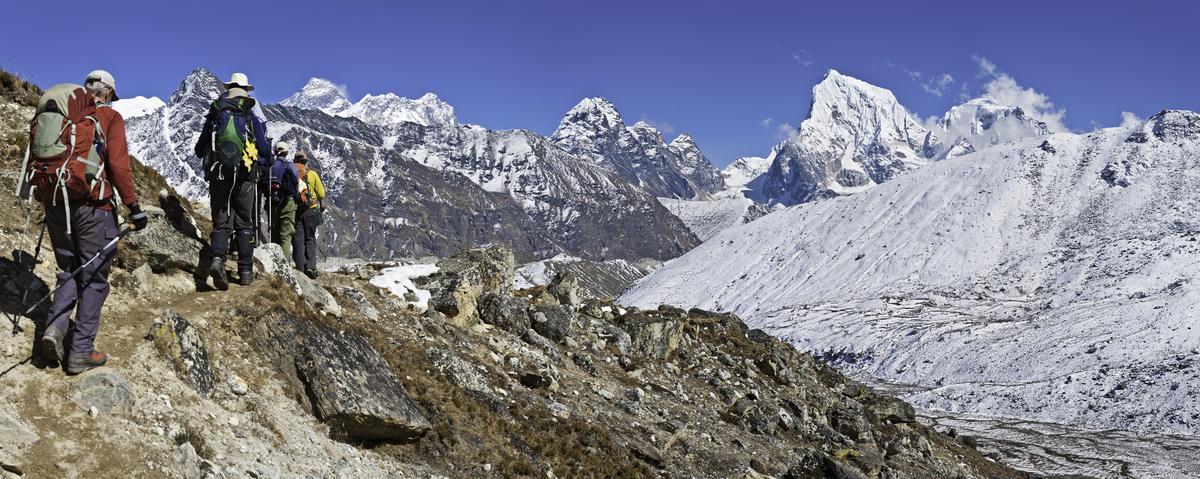
According to the Nepal Tourism Board, the strategy is shifting. While Everest remains the "crown jewel," the environmental strain is undeniable.
- Flight Alternatives: For those seeking the mountain without the climb, Buddha Air’s "Everest Experience" flights offer a 60-minute glimpse of 20 peaks, including Langtang Lirung and Everest, significantly reducing the physical footprint on the trails.
- Regional Growth: Infrastructure improvements along the border towns of West Bengal have led to a surge in hotel developments, catering to a new demographic of "wellness" and "wedding" tourists.
Official Responses: A Vision of "Young Thinking"
The institutional perspective on Nepal’s future is one of cautious but firm optimism.
Sunil Sharma, Officiating Director of the Nepal Tourism Board, emphasizes that Nepal’s potential extends far beyond the Himalayas. "We have the potential to be a premier destination for safaris in Chitwan, as well as a global hub for wellness retreats," Sharma stated. He noted that the influx of global brands like Moxy and the expansion of infrastructure are key indicators of a maturing market.
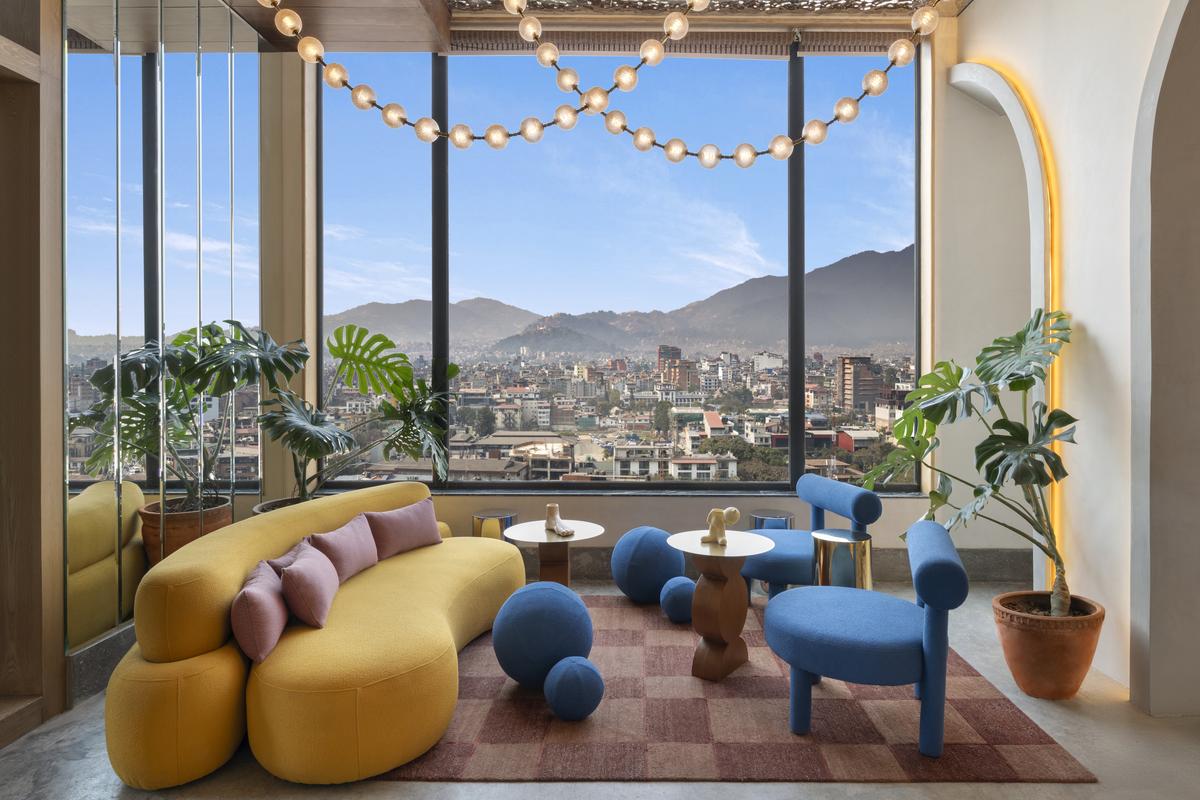
Subarna Thapa, known as "The Captain" at Moxy Kathmandu, reflects on the resilience of the industry. "We launched during a period of intense political transition. To see occupancy jump from 22% to 55% in a few months speaks to the world’s enduring fascination with Kathmandu and the new energy brought in by the current administration."
From the creative sector, digital influencer Parakram Rana notes that the political awareness of the youth is at an all-time high. "Young people are no longer passive observers. We are participants. The ‘Balen Effect’ isn’t just about a person; it’s about a shift in the collective psyche of the country."
Implications: The Future of the Himalayan Republic
The "metamorphosis" of Nepal has several long-term implications for the region and the global travel industry.
1. The De-Everestification of Travel
As environmental concerns mount, Nepal is successfully rebranding itself. By highlighting the "sacred woven into the everyday," the country is attracting a more conscious traveler—one interested in the 12th-century Hiranya Varna Mahavihar in Patan or the feminist history of the Barahi Ajima Shakti Peeth, rather than just a summit selfie.
2. A Digital-Traditional Synthesis
The coexistence of ancient rituals and digital culture is no longer seen as a contradiction but as a unique selling point. The "No TikTok" signs in temples represent a nation grappling with its identity in the 21st century, eventually finding a middle ground where traditional wood carvings are framed by "Labubu-rimmed" mirrors for the modern traveler.
3. Political Stability as a Tourism Catalyst
The rise of Balen Shah has provided a sense of stability that is attractive to foreign investors. With a Prime Minister who "thinks young," the country is better positioned to modernize its digital infrastructure, streamline visa processes, and promote its creative industries—from high-energy local rock bands in Thamel’s "Purple Haze" to sophisticated mixology bars like Bitters & Co.

4. Regional Economic Integration
The improvement of road and air links with India and China suggests that Nepal is positioning itself as a central hub for South Asian cultural exchange. The "homecoming" of Nepali professionals from hubs like Hong Kong and Dubai to start local businesses indicates a "brain gain" that will likely fuel innovation in the hospitality and tech sectors.
In conclusion, while the world will always look up to Everest, the true heart of Nepal is currently beating in its valleys. It is a heart that pulsates with the rhythm of ancient chants and modern rap, sustained by a generation that refuses to let their country be defined solely by its altitude. As Rabin Gurung of Bitters & Co aptly puts it: "If you want to see harmony in chaos, come to Nepal. There is magic here." And now, for the first time in a long time, there is a clear path forward.
