

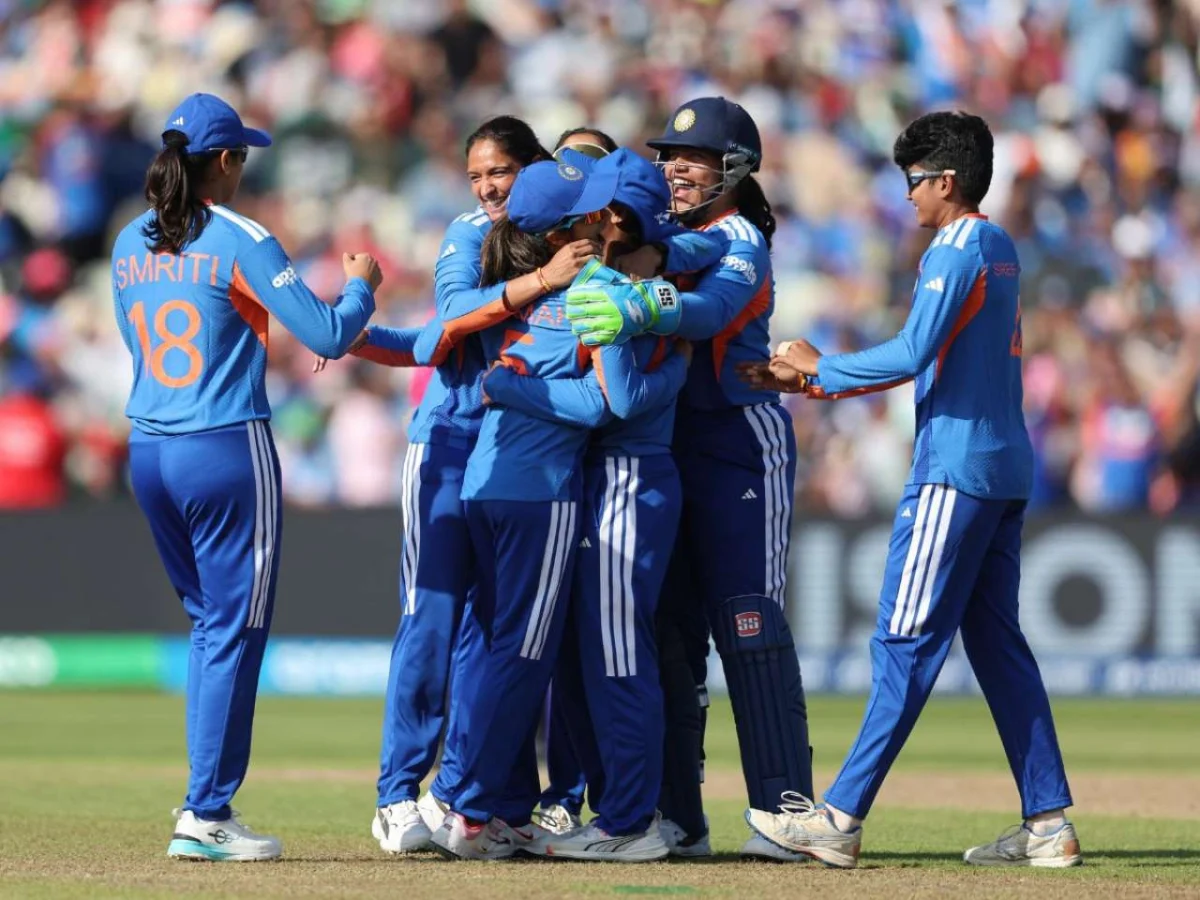
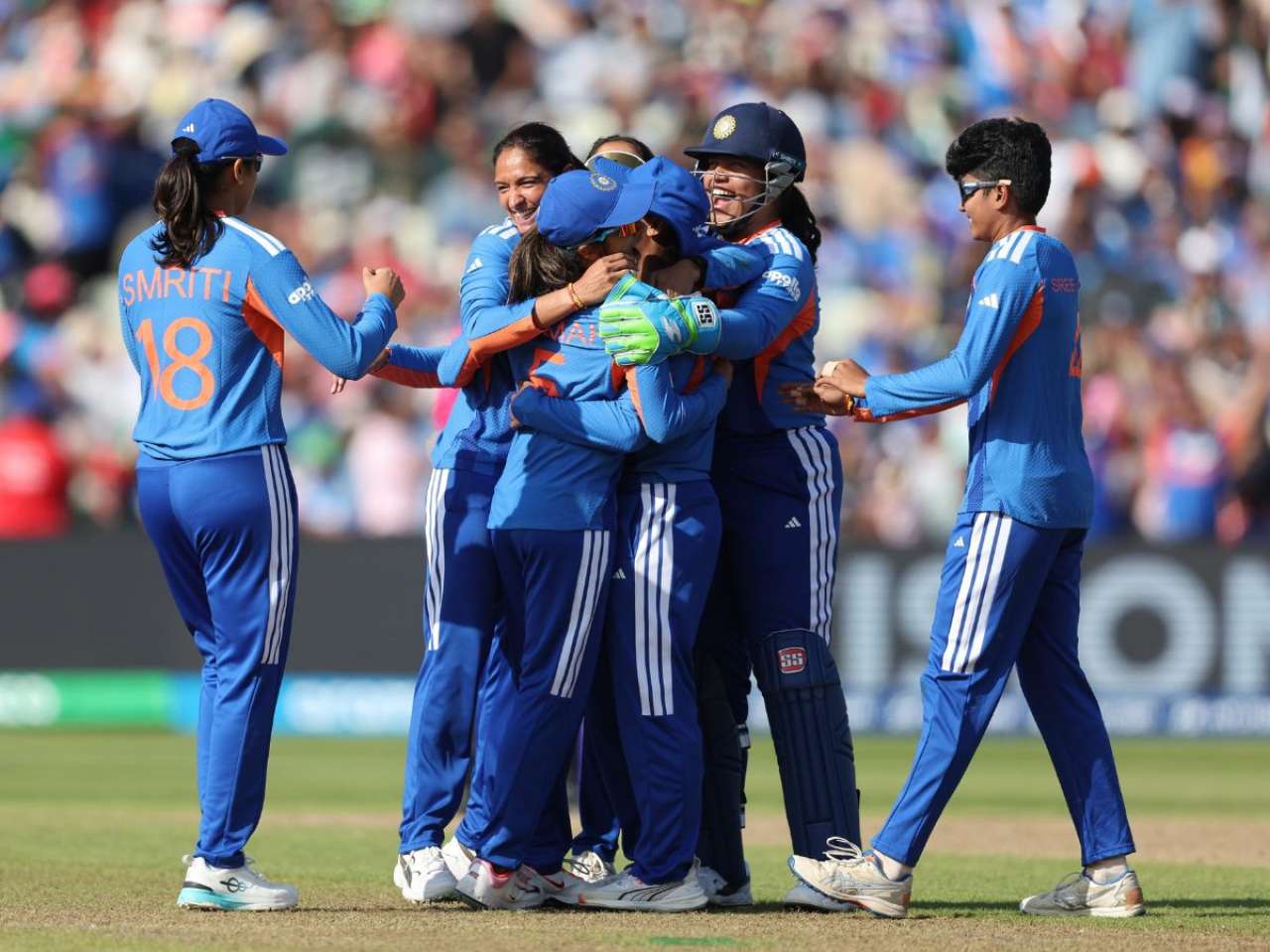
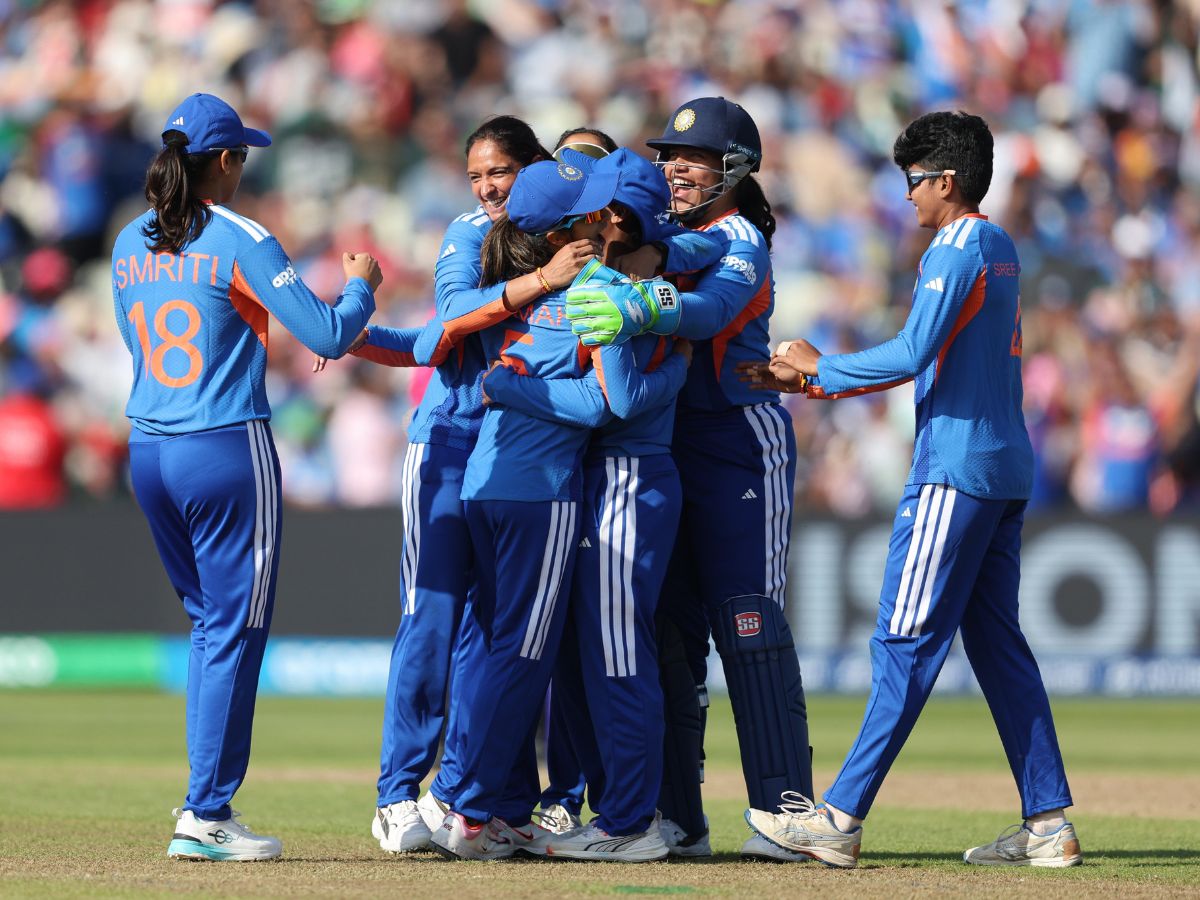
Cape Town, South Africa – India launched their Women’s T20 World Cup 2026 campaign with an emphatic statement, dismantling arch-rivals Pakistan by a commanding 64 runs in a highly anticipated group stage clash. The victory, secured on a vibrant evening at Newlands Cricket Ground, underscored India’s formidable intent for the tournament, propelled by a stellar all-round performance that left Pakistan struggling to find answers.
The architects of India’s triumph were undoubtedly the dynamic duo of Smriti Mandhana and Deepti Sharma. Mandhana, with her characteristic elegance and power, anchored the Indian innings with a fluent 68 off just 44 deliveries, setting a challenging target of 171. In response, Deepti Sharma delivered a masterclass in spin bowling, ripping through the Pakistani batting line-up with a match-winning five-wicket haul, ultimately bowling them out for a mere 106 in 17 overs. This comprehensive victory not only awarded India crucial early points but also sent a strong message to their competitors about their title aspirations.
India’s Batting Masterclass: Resilience and Explosive Power
The stage was set for a classic encounter, and India, batting first, rose to the occasion, albeit with a few early jitters. The innings was a testament to their batting depth and ability to recover from early setbacks, culminating in a formidable total that proved insurmountable for their opponents.
Mandhana’s Commanding Performance Sets the Tone
Opening the innings, Smriti Mandhana, a veteran of numerous high-pressure encounters, showcased why she is considered one of the most destructive batters in women’s cricket. Her innings of 68 was a blend of grace and aggression, featuring nine exquisite fours and two towering sixes that peppered the boundary ropes. Mandhana’s stroke play was captivating, finding gaps with precision and dispatching anything loose with authority. She demonstrated exceptional control, rotating the strike effectively while punishing bad balls, ensuring India maintained a healthy scoring rate despite early challenges. Her ability to accelerate seamlessly from a solid foundation was key to India’s imposing total.
)
Early Jitters and Kaur’s Steadying Influence
India’s start, however, was not without its moments of tension. The opening pair faced immediate pressure as Jemimah Rodrigues fell cheaply to Tasmia Rubab. More critically, Shafali Verma, known for her explosive starts, managed to hit a first-ball six but was dismissed just four balls later in the very first over by Sadia Iqbal, leaving India in a precarious position at 12 for 2.
It was at this critical juncture that captain Harmanpreet Kaur joined Mandhana. Kaur, a pillar of strength and experience, brought a calming influence to the crease. Her steady 36 off 35 balls was not as flamboyant as Mandhana’s but was equally vital. The partnership between Mandhana and Kaur was instrumental in stabilizing the innings, weathering the early storm, and building a platform for the middle order. They meticulously rotated the strike, punished loose deliveries, and ensured that the scoreboard kept ticking, preventing Pakistan from gaining further inroads. This crucial stand not only absorbed pressure but also laid the groundwork for a late surge. Mandhana eventually fell in the 14th over, brilliantly caught by Pakistan’s skipper Fatima Sana, but by then, the damage had largely been done.

Ghosh’s Explosive Finish Propels India to a Daunting Total
With Mandhana back in the pavilion, the onus fell on the incoming batters to maintain the momentum and maximize the final overs. Richa Ghosh stepped up to the challenge with an electrifying cameo that left Pakistan reeling. Walking in with clear intent, Ghosh unleashed a flurry of boundaries, smashing 34 runs off just 17 deliveries, including five crisp fours and a powerful six. Her aggressive approach provided the late fireworks India needed, pushing the scoring rate significantly and ensuring that Pakistan would be chasing a daunting total. Every run she scored chipped away at Pakistan’s morale, making the target seem increasingly out of reach. She eventually lost her wicket in the last over, bowled out by Fatima Sana, but her contribution had already swung the game decisively in India’s favour. Deepti Sharma also chipped in with an unbeaten 12 at the very end, further adding valuable runs and demonstrating India’s batting depth.
Conversely, Bharti Fulmali struggled to make an impact, contributing just a single run off three balls, highlighting that even in a dominant performance, not every batter can shine. The collective effort, however, ensured India finished strong, setting Pakistan an imposing target of 171.
)
Pakistan’s Bowling Effort: Moments of Promise Undone
While India’s batters shone, Pakistan’s bowlers had moments of promise that were ultimately overshadowed. Sadia Iqbal’s early wicket of Shafali Verma and Tasmia Rubab’s dismissal of Jemimah Rodrigues provided glimpses of potential, creating early pressure. Captain Fatima Sana also contributed with the ball, picking up Richa Ghosh’s wicket, and her spectacular catch to dismiss Mandhana was a highlight of Pakistan’s fielding effort. However, they struggled to contain Mandhana and later Ghosh, conceding too many boundaries and failing to build consistent pressure throughout the middle overs. The overall economy rate suggested that while they took wickets, they couldn’t stem the flow of runs, which proved costly.
Pakistan’s Chase: Deepti Sharma’s Unplayable Spell and Batting Collapse
Chasing 171 against a formidable Indian bowling attack, especially in an India-Pakistan World Cup opener, was always going to be a monumental task for Pakistan. The pressure mounted quickly, and they ultimately crumbled, unable to forge meaningful partnerships or counter India’s relentless bowling, spearheaded by an exceptional Deepti Sharma.
)
The Daunting Target and Early Pressure
From the outset, Pakistan faced an uphill battle. A target of 171 in a T20 World Cup match requires a strong start, aggressive intent, and sustained partnerships. However, the psychological weight of the occasion, combined with India’s disciplined bowling, proved too much. Pakistan’s batters struggled to find their rhythm, with the required run rate steadily climbing and adding to the pressure.
Sharma’s Five-Wicket Haul: A Masterclass in Spin
Deepti Sharma’s performance with the ball was nothing short of spectacular, earning her the Player of the Match award and sealing India’s victory. Her five-wicket haul was a display of control, guile, and tactical brilliance, dismantling Pakistan’s batting order piece by piece.
)
Sharma initiated the collapse by sending Gull Feroza and Ayesha Zafar back to the pavilion, both caught for 12 runs. These early blows were crucial, cutting short any nascent hopes Pakistan had for a steady start and immediately putting them on the back foot. Her ability to extract turn and deceive batters in the air made her almost unplayable. As the innings progressed, Sharma returned to polish off the tail with authority. She dismissed Nashra Sandhu, Aliya Riaz, and Tasmia Rubab, sealing her five-wicket haul and ensuring Pakistan’s chase ended prematurely. Her figures were not just about the wickets but also about the miserly economy, suffocating Pakistan’s scoring opportunities.
Supporting Bowlers and Collective Effort
Deepti Sharma’s heroics were magnificently supported by the rest of the Indian bowling unit, showcasing a collective effort to suffocate the Pakistani chase. Shree Charani, in particular, played a crucial supporting role. She struck in the eighth over, getting rid of Saira Jabeen for just 2, breaking a developing partnership. Charani kept up the intensity, taking two more crucial wickets later in the innings: Natalia Pervaiz and Rameen Shamim, both unable to push past single digits. Her three wickets complemented Sharma’s spell perfectly, ensuring that Pakistan never found a foothold in the game.
)
The Indian bowlers maintained tight lines and lengths, not allowing Pakistan’s batters any easy runs. The field placements were astute, and the catching was sharp, reflecting the team’s overall intensity and preparedness. Pakistan’s batters, in contrast, struggled to forge any significant partnerships, with the highest stand being a mere 25 runs. This inability to combine effectively against India’s disciplined attack meant they were constantly losing wickets and falling further behind the required run rate, ultimately folding for just 106 runs in 17 overs.
Tactical Overview and Player Performances
India’s victory was a result of a well-executed game plan, combining aggressive batting with disciplined and incisive bowling. Pakistan, on the other hand, will need to reassess their strategy and execution moving forward in the tournament.
)
India’s Strategic Brilliance
India’s strategy was clear: bat aggressively to set a formidable total, then unleash their potent spin attack. The decision to back their batters to score big paid off, with Mandhana, Kaur, and Ghosh all contributing significantly. Harmanpreet Kaur’s captaincy was also commendable; she rotated her bowlers effectively, bringing Deepti Sharma on at crucial junctures to exploit the conditions and pressure Pakistan’s batters. The team displayed excellent fielding and catching, adding another layer of pressure. Their balanced approach ensured that they were dominant in both phases of the game.
Pakistan’s Missed Opportunities
For Pakistan, this match will be a learning curve. While they managed to pick up early wickets, they failed to capitalize on those moments by containing the flow of runs. Their batters struggled to build partnerships, a critical component of successful T20 chases. The pressure of a high target in an India-Pakistan clash seemed to get the better of them, leading to rash shots and a lack of composure. While there were individual moments, such as Fatima Sana’s fielding and some tight overs, the overall team performance lacked the cohesion required to challenge a top-tier side like India. They will need to work on their batting depth and resilience under pressure.
)
Voices from the Dressing Room
Post-match, reflections from both camps highlighted the significance of the win for India and the lessons for Pakistan.
Harmanpreet Kaur’s Perspective
Indian captain Harmanpreet Kaur lauded her team’s collective effort, emphasizing the importance of starting the tournament on a high note. "We knew the importance of starting strong, especially against Pakistan in a World Cup opener," Kaur stated, a satisfied smile gracing her face. "The girls showed incredible character today, first with Smriti and Harmanpreet building that crucial partnership, and then Richa finishing it off. Deepti was just phenomenal with the ball; she really turned the game on its head. This win gives us immense confidence for the rest of the tournament."
)
Smriti Mandhana’s Reflections
Player of the Match contender Smriti Mandhana expressed her satisfaction with her innings and the team’s overall performance. "It’s always special to perform in these big games, and even more so against Pakistan," Mandhana commented. "The pitch was good for batting once you got set, and our aim was always to set a challenging total. I’m happy I could contribute to that. But honestly, the credit goes to our bowlers, especially Deepti, for defending it so clinically."
Deepti Sharma on Her Spell
A visibly elated Deepti Sharma, whose five-wicket haul stole the show, spoke about sticking to her plans. "My focus was on hitting good lengths and letting the pitch do the rest," Sharma explained. "I tried to vary my pace and use the angles effectively. It feels incredible to contribute to such a crucial win, especially with a five-wicket haul. The team’s energy was fantastic, and we backed each other throughout."
)
Pakistan Captain’s Outlook
Pakistan captain Fatima Sana acknowledged India’s superior performance while emphasizing the need for her team to learn and regroup. "Credit to India, they played exceptional cricket today, in all departments," Sana conceded. "We had moments, particularly with the early wickets, but couldn’t capitalize on them. Their batters built crucial partnerships, and then Deepti Sharma bowled a fantastic spell. We need to analyze our performance, learn from our mistakes, especially in building partnerships and handling pressure, and come back stronger in the next matches. The tournament is long, and we are determined to improve."
Implications and The Road Ahead
This commanding victory carries significant implications for both teams as they navigate the challenging path of the Women’s T20 World Cup 2026.
)
For India: A Confident Launchpad
For India, this triumph serves as a powerful launchpad for their World Cup campaign. Starting with a dominant win over arch-rivals not only provides a massive boost to team morale and confidence but also establishes them as strong contenders for the title. The comprehensive nature of the victory, with contributions from both batters and bowlers, indicates a well-balanced and cohesive unit. This early momentum is invaluable in a tournament format, setting a benchmark for other teams and potentially easing pressure in subsequent group stage matches. India will now look to build on this performance, refining their strategies and maintaining their intensity as they face other formidable opponents.
For Pakistan: Early Setback, Lessons to Learn
For Pakistan, this early loss in a high-profile fixture is a significant setback. It places them under immediate pressure in a competitive group and necessitates a swift and thorough review of their strategies. The batting frailties, particularly the inability to forge substantial partnerships and convert starts into big scores, will be a key area of concern. They will need to regroup quickly, address these issues, and refine their bowling and fielding plans to ensure they remain competitive. The tournament offers opportunities for redemption, but Pakistan must demonstrate resilience and adaptability to bounce back from this comprehensive defeat and keep their hopes of progression alive.
)
The Enduring Rivalry
The India-Pakistan rivalry in cricket is legendary, transcending the sport itself and capturing the imagination of millions globally. This match, despite its one-sided nature, added another chapter to this storied contest. The intensity, the passion, and the sheer scale of viewership underscore the unique significance of these encounters. While India celebrated a decisive victory, the rivalry itself continues to thrive, promising more enthralling contests in the future as both nations strive for cricketing supremacy. This World Cup opener merely intensified the narrative, setting the stage for potential future clashes if both teams progress deep into the tournament.
Conclusion
India’s dominant 64-run victory over Pakistan in the Women’s T20 World Cup 2026 opener was a statement of intent. Powered by Smriti Mandhana’s fluent half-century and Deepti Sharma’s sensational five-wicket haul, India showcased a complete team performance, marking a confident start to their quest for the coveted trophy. While Pakistan faces the challenge of regrouping after a significant defeat, India will carry this momentum forward, brimming with confidence and poised for a deep run in the tournament. The stage is now set for a thrilling World Cup, with India having emphatically announced their arrival.
