

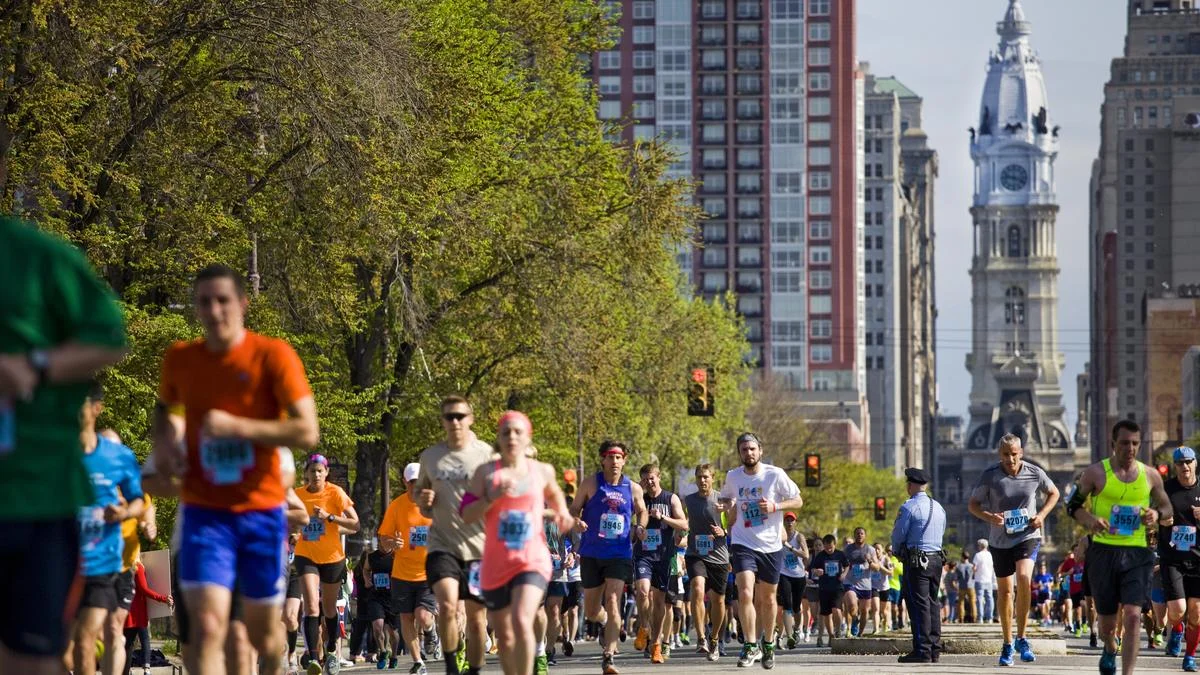
The Rise of the "Race-cation": Indian Runners Redefine Travel Through Endurance
Bengaluru, India – Long before the city awakens to its notorious traffic jams and the aroma of freshly brewed coffee, Sunil Lade, an ad-film producer by profession, is already miles into his daily run. His life typically revolves around conceptualizing frames, orchestrating shots, and meeting tight deadlines. However, his current focus is on a different kind of deadline: the London Marathon on April 26th, followed by the Chicago Marathon on October 11th. These aren’t just races; they are the cornerstones of his burgeoning trend of "race-cations" – a sophisticated fusion of international travel and athletic ambition that is captivating a growing segment of Indian runners.
For Lade, these upcoming trips are more than just a solo vacation for some much-needed personal time. While the London Marathon is the primary driver, he plans to immerse himself in the breathtaking landscapes of the Scottish Highlands for five days before or after the race. This approach signifies a profound shift in how many Indians are choosing to explore the world. Instead of merely ticking off tourist attractions, they are actively engaging with destinations through the lens of their athletic pursuits, experiencing cities and countries on a more intimate and authentic level.
"I’ve visited cities for work and for leisure," Lade shares, his voice resonating with enthusiasm. "But what you witness when you’re running is fundamentally different. You notice nuances and details that would be utterly missed when you’re confined to a car or a train." This perspective highlights the unique observational power that running grants, transforming a simple vacation into an immersive ethnographic experience.
The Global Phenomenon of Race-cations
This burgeoning trend, affectionately termed "race-cations," is not confined to individual enthusiasts like Lade. It has evolved into a recognized travel segment, prompting a ripple effect across the hospitality and tourism industries. Hotels are now strategically advertising their proximity to popular running routes, and travel agencies are meticulously curating itineraries that revolve around major race weekends.
Tanya Gupta, a Delhi-based entrepreneur and the founder of The Reckless Collective, a platform that curates sports-led retreats globally since its inception in 2025, exemplifies this evolution. Her upcoming guided running retreat from June 19th to 24th is set in the lush rainforests of Borneo. This program, led by experienced ultra-marathoner Kieren D’Souza, is designed to help runners adapt to unpredictable and challenging terrains.
"Participants receive a meticulously crafted pre-retreat training plan, alongside focused skill work, endurance sessions, and detailed technique breakdowns," Gupta explains. "On the day of the run, they are guided by an expert athlete, ensuring a safe and rewarding experience." The Reckless Collective’s offerings extend beyond running, encompassing a diverse range of athletic adventures such as trail running, kitesurfing, snowboarding, and free diving. Past retreats have taken participants to Sri Lanka and Kazakhstan, with future expeditions planned for Malaysia, Portugal, Egypt, and Japan, underscoring the global appeal and growing demand for such specialized travel experiences.
The Runner-Tourist: A New Breed of Explorer
Social media influencer and long-distance runner Sahirah Oshidar from Bengaluru firmly believes that traveling specifically for fitness is the next significant wave in the travel industry. "Why simply travel when you can simultaneously work on your fitness and achieve new milestones during the same vacation?" she poses, articulating a sentiment shared by many in this new cohort of travelers.
Oshidar, a relative newcomer to the international running circuit, recounts the electrifying energy of her first international race, the Bangkok Marathon, in November last year. This year, her sights are set on the picturesque landscapes of Portugal for a race on October 2nd-3rd, 2026, followed by an adventure in Abu Dhabi on December 12th, 2026. Her choices reflect a strategic approach to combining athletic goals with cultural exploration.
The broader impact of this trend is being recognized by major industry players. Accor, a global hospitality giant, in collaboration with travel trend forecasting agency Globetrender, published a comprehensive study in January 2026. This research, based on a survey of 4,300 travelers across India, the UK, and the US, revealed that the "endorphin economy" is experiencing significant growth. Crucially, 89% of the surveyed travelers affirmed that live events, such as marathons, are a compelling enough reason to travel.
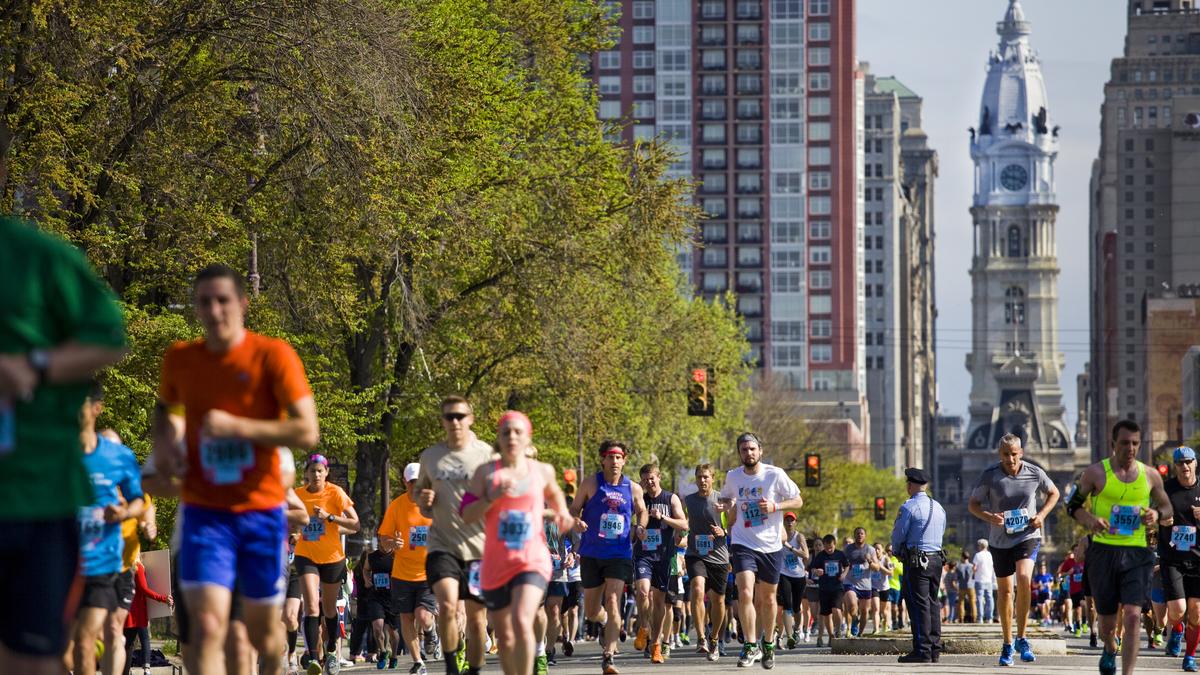
This shift is not going unnoticed by the travel ecosystem. Airports are also becoming more attuned to this growing demographic. The Hyderabad Airport Run, held annually in January at the Rajiv Gandhi International Airport, features 5K and 10K races, bringing together both novice and seasoned athletes. Similarly, the annual 5K race on the runway at Philadelphia International Airport offers a unique and thrilling experience of racing amidst the operational buzz of aircraft.
Within India, a diverse array of races cater to this burgeoning interest. February brings the stripped-down, community-focused marathon in Auroville and the Jaisalmer Half Marathon, set against the dramatic backdrop of sand dunes, historic forts, and the vibrant desert festival. In June, Coorg hosts the Bison Ultra, a challenging race through steep coffee estates, while for the truly adventurous, the Ladakh High-Altitude Marathon in Leh presents an unparalleled test of endurance in an extreme environment.

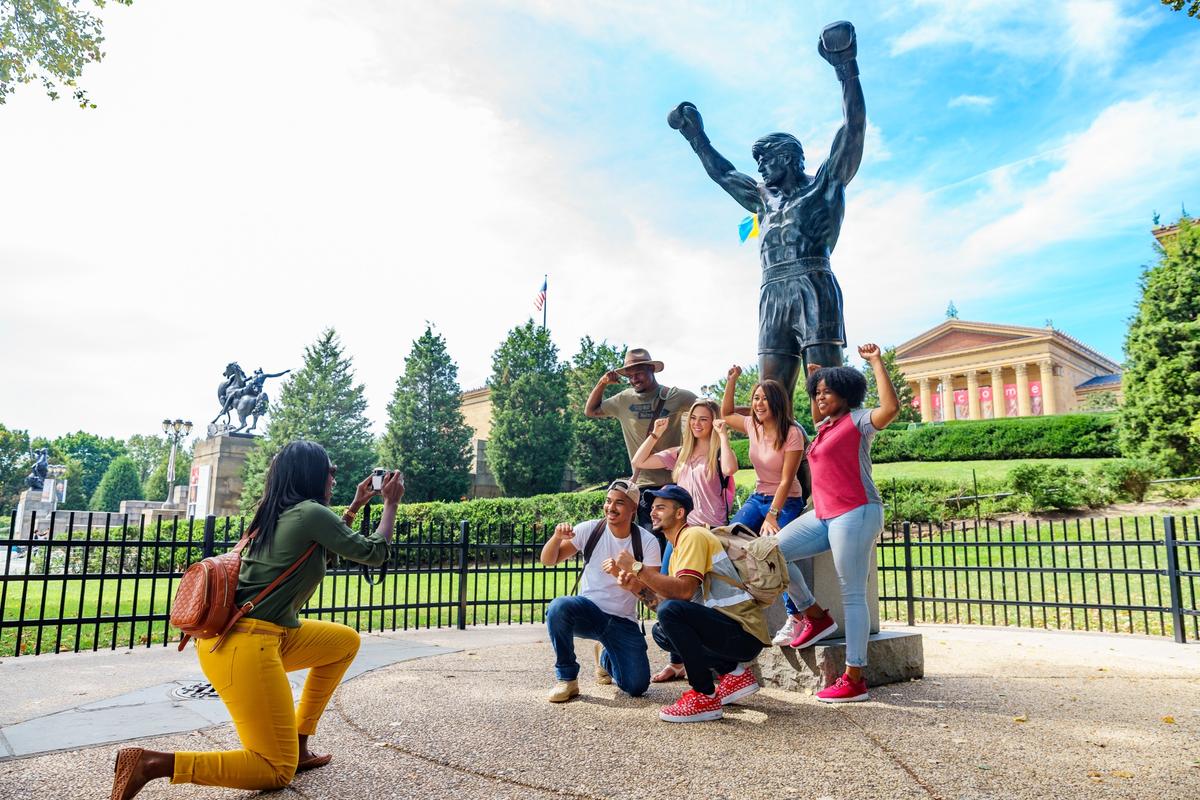
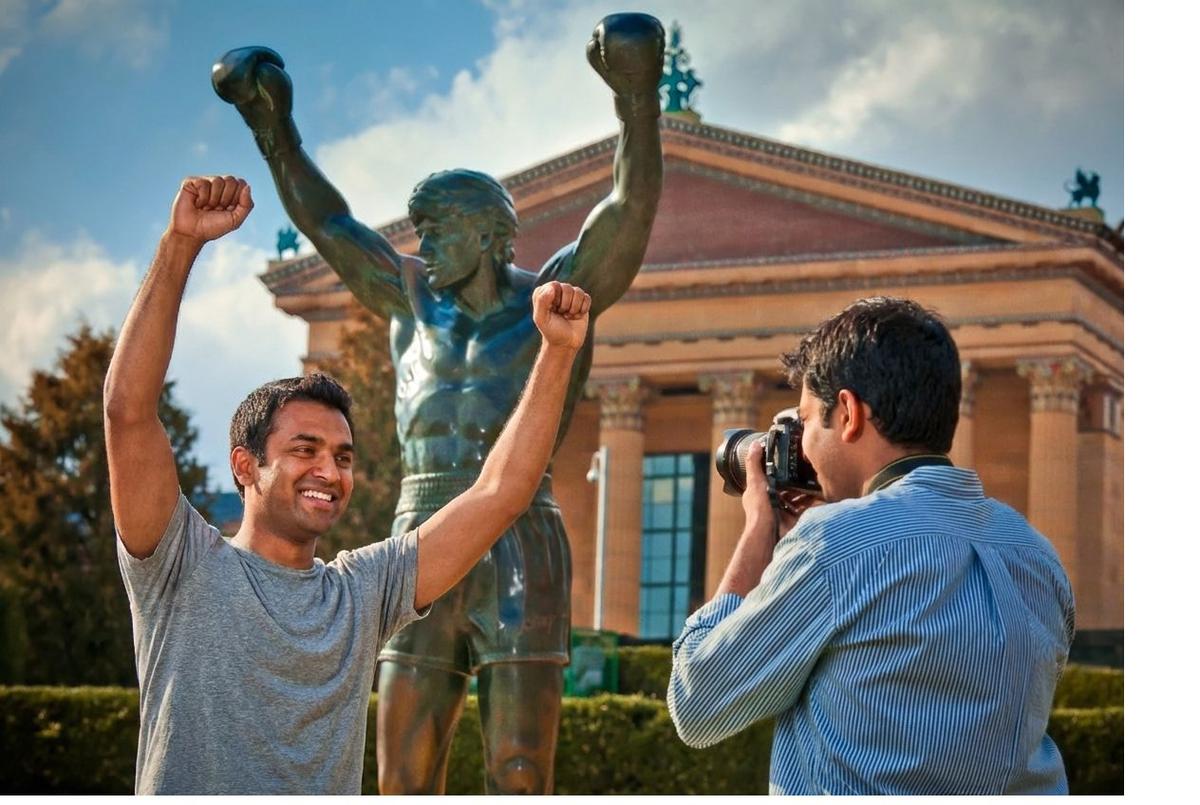
Daivik Rai, captain of the Indian indoor cricket team, epitomizes the aspirational aspect of these race-cations. He participated in the Philadelphia Marathon last year, driven by the desire to "run in Rocky’s footsteps" – a pilgrimage to the iconic 72 stone steps leading to the Philadelphia Museum of Art’s East entrance, immortalized in cinematic history. As the city prepares to celebrate America’s 250th Independence Day, which coincides with the 50th anniversary of Rocky, Philadelphia is gearing up for a marathon that promises to be an iconic event, imbued with historical and cultural significance.
Post-race, a common sight is athletes heading to the tranquil green spaces of Benjamin Franklin Parkway for cooldowns or recovery stretching. Sports physiotherapy clinics report a surge in bookings during marathon weeks, with many offering specialized recovery packages. These often include ice baths, compression therapy, and gait analysis, meticulously scheduled to align with race weekends, showcasing a holistic approach to the runner’s journey.
The Race to Train: Dedication Beyond the Finish Line
Unlike conventional vacations, race-cations are inherently structured and demand significant commitment. Months of rigorous training, meticulous planning, and a delicate balance between professional responsibilities and financial prudence are prerequisites. The preparatory phase can commence anywhere from one to three months before the actual race, depending on the individual’s fitness level and the race’s demands.
Mohammed Suhail, founder of Fit District in Bengaluru, trains a diverse clientele, ranging from amateur enthusiasts to professional endurance athletes, including celebrities like Varun Dhawan and Yash. He emphasizes the disciplined approach required for race-cations. "I advise my runners to forgo late-night bar hopping and the temptation of elaborate buffet spreads while on a running vacation," Suhail states. "They are encouraged to pack their suitcases with essential electrolytes and protein shakes. Remarkably, they don’t perceive this as restrictive; rather, it’s an integral part of their commitment."
Pushing Boundaries: Extreme Environments and Mental Fortitude
While city marathons dominate the race-cation discourse, a segment of Indian runners is pushing the boundaries further, venturing into extreme environments where the lines between travel, endurance, and survival blur into a single, transformative experience.
Kieren D’Souza, an ultramarathon runner based in Manali, renowned for competing in sub-zero conditions, represents this extreme edge of the running spectrum. Participating in races where temperatures can plummet to -10°C and even -15°C necessitates local acclimatization, often involving practice runs in regions like Jammu or Kashmir.
D’Souza is currently in Ladakh, undergoing rigorous training for the upcoming marathon season. "In races that extend to 100 kilometers or span over 48 hours, it’s as much a mental challenge as it is a physical one," he explains. For D’Souza, competing in foreign territories is a profound method of self-discovery, a way to ascertain his own limits. Among his most challenging and rewarding experiences was the Yading Skyrace in China, held at an altitude of 4,000 meters.
Nutrition, for D’Souza, is a critical component that often proves more demanding than the race itself. "It’s challenging to get your macros right," he admits. "Consequently, I often opt for a good steak on most days, ensuring it’s accompanied by plenty of fresh vegetables and meat. I also make it a point to carry an abundance of fruits in my bags or training kits – they are refreshing and provide a significant energy boost."
For Sahirah Oshidar, mental strength is as paramount as physical prowess. She incorporates daily meditation into her routine before embarking on a new running challenge in an unfamiliar country. "I firmly believe that venturing outside one’s comfort zone through running keeps the mind agile," she asserts.
Kieren D’Souza echoes this sentiment, recalling his first race-cation in 2015 at the prestigious CCC Marathon in the French Alps. This 100-kilometer trail race, part of the UTMB Mont Blanc festival, was a period of embracing solitude, being away from the familiar support of his family and friends. He believes that running fosters a sense of camaraderie, even if fleeting. "You are running at the same pace as people from all over the world," he observes. "Everyone is enduring the struggle together. There’s a shared language, even if you don’t converse directly."
Upcoming Races and Essential Training Tips
The allure of the race-cation is evident in the global calendar of prestigious events. Aspiring Indian runners are setting their sights on a variety of challenging and scenic races:
- London Marathon, April 26th, 2026: Consistently ranked among the world’s most popular races, it attracted over 1.1 million applicants this year, underscoring its immense appeal.
- Cape Town Marathon, May 24th, 2026: This circuit offers the dramatic backdrop of Table Mountain, providing a visually stunning racing experience.
- Sydney Marathon, August 30th, 2026: As part of the Majors circuit, this race covers iconic landmarks like the Harbour Bridge and the Opera House, offering a quintessential Australian experience.
- Philadelphia Marathon, November 22, 2026: This year’s marathon coincides with the 250th anniversary of America’s independence, promising a city-wide celebration and an atmosphere of national pride.
For those planning their own race-cation adventures, Mohammed Suhail offers crucial training advice:
DOs:
- Gradual Mileage Increase: Increment training mileage by no more than 10% each week to prevent overtraining and injury.
- Simulate Conditions: Train in local conditions that closely mimic the anticipated international race environment.
- Tapering: Reduce training load significantly 2-3 weeks before the competition to allow for optimal recovery and peak performance.
- Hydration and Fueling: For runs exceeding 60-90 minutes, consume a combination of carbohydrates and electrolytes to maintain energy levels.
DON’Ts:
- Race Day Novelties: Never try new gear, nutrition, or hydration strategies on race day. Stick to what has been tested during training.
- Sun Protection: Always use adequate sun protection during long runs to mitigate UV damage and prevent sunburn.
- Neglect Rest: Rest days are as crucial as training days. They allow the body to repair and rebuild muscle tissue, essential for progress.
The race-cation phenomenon is more than just a travel trend; it’s a testament to the evolving aspirations of Indian travelers who seek experiences that are not only enriching but also transformative. It’s a journey that combines the thrill of exploration with the discipline of self-improvement, proving that the finish line is often just the beginning of a new adventure.
