

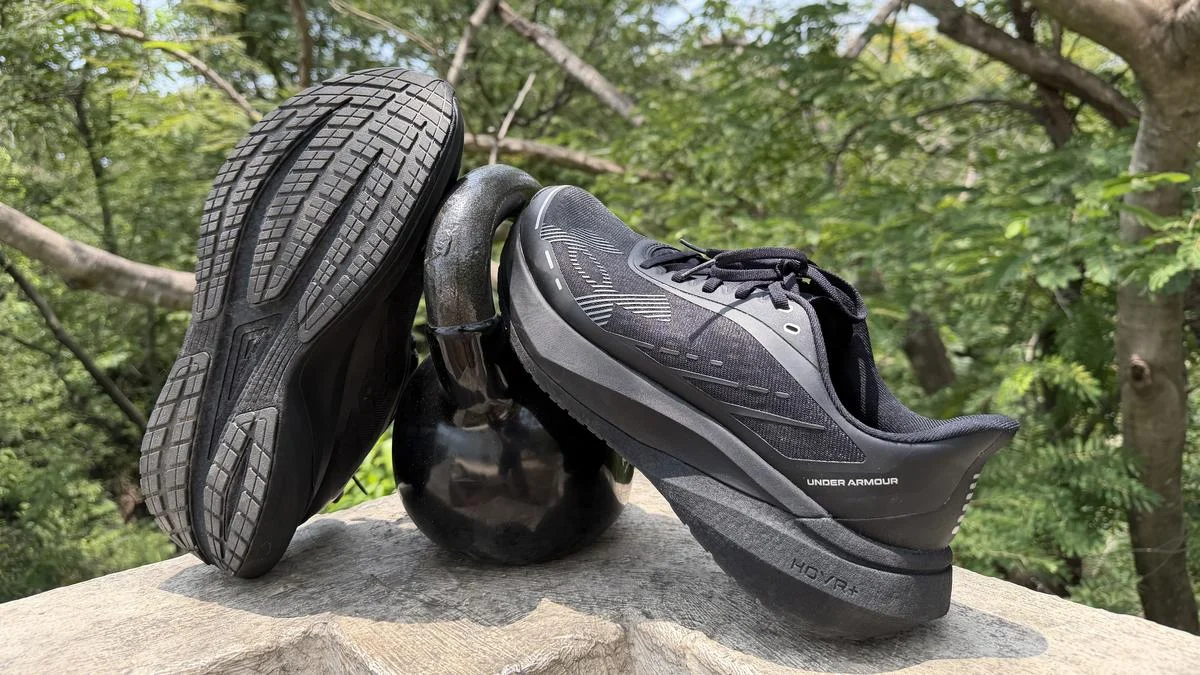
Under Armour, a brand that has consistently carved its niche in the athletic apparel world, continues its ambitious push into the competitive running shoe market. While technically proficient and occasionally producing standout products, Under Armour has historically struggled to become the first name that serious runners consider. Their latest offering, the Velociti Distance, is a compelling high-mileage, long-run shoe that showcases both the brand’s engineering prowess and a willingness to make bold, potentially divisive design choices. This inherent tension, between what the shoe offers and how it dictates your stride, truly defines the running experience it provides.
H2: Unpacking the Velociti Distance: First Impressions and Design Philosophy
The Under Armour Velociti Distance immediately signals its intent upon being picked up. It registers as a shoe built for purpose, not for shedding grams. Weighing in at 298 grams, it sits on the heavier side by contemporary standards, a conscious decision that underpins its core mission: absorbing the relentless demands of high mileage. This is a shoe engineered to be a steadfast companion on long journeys, and its substantial feel is a testament to this design philosophy.
Beneath the runner, a generous stack of 38mm of Hovr+ foam awaits. This proprietary cushioning technology, which Under Armour also utilizes in its speedier, race-day offerings, is the heart of the Velociti Distance’s ride. The immediate impression is one of plushness, a promise of impact absorption designed to protect the runner’s legs over extended distances.
The upper construction is a definite highlight, showcasing Under Armour’s attention to detail and material selection. A breathable woven mesh is strategically employed across the forefoot, ensuring excellent airflow. This is particularly crucial for longer runs where heat build-up can lead to discomfort. The design team has also ensured a secure and comfortable fit, with a gusseted tongue that remains firmly in place, a well-padded and structured heel counter that cradles the foot, and a confident lockdown that never feels overly restrictive. This meticulous upper design contributes significantly to the shoe’s overall appeal, offering a secure embrace that instills confidence.
While the New Balance FuelCell SuperComp Elite v4, a shoe often lauded for its accommodating and relaxed fit, provides a sense of freedom, the Velociti Distance leans heavily into security. It grips the foot, a characteristic that proves invaluable during the demanding hours of a long run. The only element that slightly deviates from this otherwise premium feel is the choice of laces. They possess a noticeable lower-quality feel compared to the refined materials used elsewhere in the shoe, a minor but discernible detraction from the overall execution.
H2: On the Road: A Ride That Delivers on Cushioning and Versatility
The true test of any running shoe lies in its performance on the pavement, and the Velociti Distance largely lives up to its cushioning promise. The Hovr+ foam provides a ride that is simultaneously soft and firm, a delicate balance that is crucial for long-distance comfort. It effectively absorbs impact, mitigating the jarring forces that can fatigue the legs over many miles. Crucially, it also returns enough energy to maintain a lively turnover, preventing the sensation of running through treacle that can plague overly soft shoes.
What elevates the Velociti Distance beyond a mere max-cushion shoe is its surprising versatility. Marketed primarily as a long-run trainer, it demonstrably holds its own across a spectrum of running intensities. Tempo efforts and steady-state runs feel surprisingly dynamic, a testament to the foam’s responsiveness. This versatility suggests that the Velociti Distance isn’t confined to just your weekend long runs; it can confidently serve as a workhorse shoe for a significant portion of your weekly training mileage, eliminating the need for constant rotation.
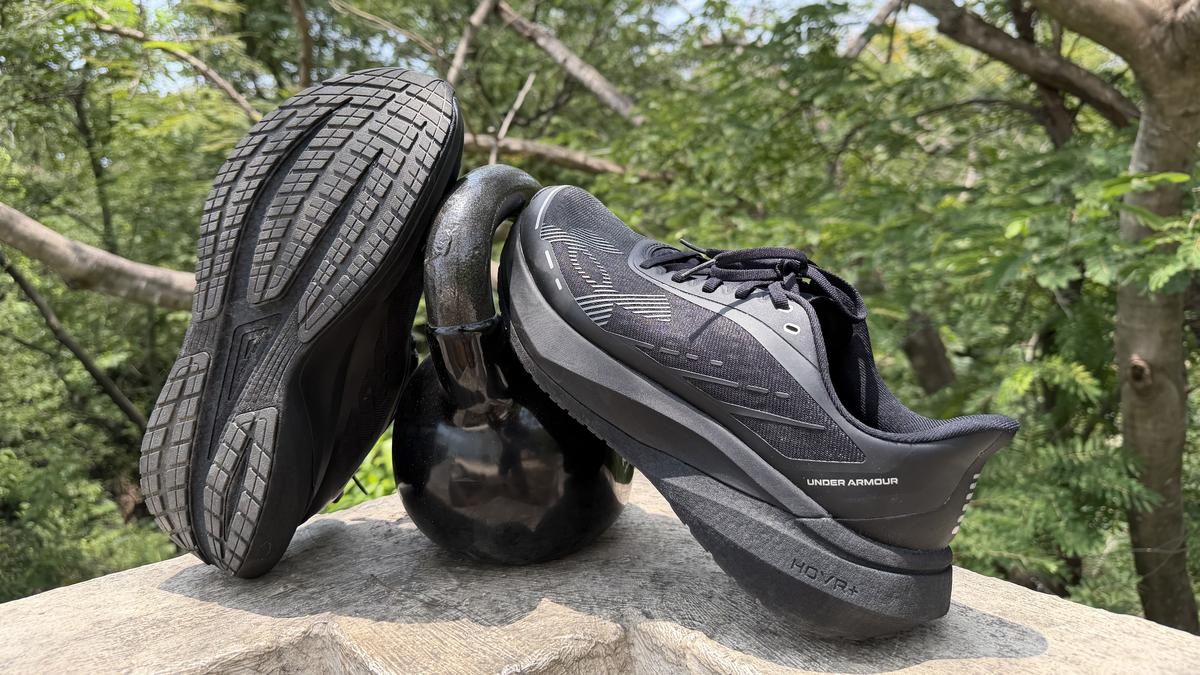
The outsole is another area where Under Armour has been generous, employing ample rubber coverage. This robust design choice, while contributing to the shoe’s overall weight, is a significant boon for durability and confidence on varied terrain. The Velociti Distance handles both gravel paths and paved roads with equal aplomb, instilling a sense of security no matter the surface. For runners who have experienced the frustration of outsoles that wear out long before the midsole loses its integrity, this emphasis on durability is a compelling selling point. The expectation is that this shoe will endure significant mileage, offering a long-term investment for dedicated runners.
H2: The Polarizing Element: Navigating the Stability Rails
Where the Velociti Distance truly embarks on a path that will divide opinion is in its integrated stability system. Under Armour has strategically placed firm TPU inserts along both the lateral and medial sides of the midsole. The stated intention of these "stability rails" is to guide the runner’s foot through its natural gait cycle, thereby preventing excessive motion within the otherwise soft Hovr+ foam. In theory, this is an elegant engineering solution to the challenge of providing stability in a maximally cushioned shoe.
However, in practice, the effect of these rails is more assertive than the gentle term "guide" might imply. For runners whose biomechanics naturally align with the direction prescribed by these inserts, the experience can indeed feel supportive and controlled. The shoe effectively steers their stride, leading to a smooth and efficient gait.

The complication arises for those whose natural foot mechanics deviate from this prescribed path. In such cases, the firm TPU inserts can inadvertently force a supinated landing, leading to a sensation that can feel jarring and unnatural. This is not a subtle correction; the shoe possesses a distinct idea of how it wants your foot to move. If this predetermined motion doesn’t synchronize with your body’s innate movement patterns, runs that should ideally feel easy and liberating can transform into a source of discomfort. What is intended as a supportive feature can, for some, become an impediment to a comfortable and fluid stride.
This polarizing aspect places the Velociti Distance in a unique position within the market. It competes directly with many daily trainers that hail from brands with longer pedigrees in the running shoe industry. These established competitors often offer a more neutral and less opinionated ride, eschewing such pronounced stability interventions.
H2: Implications and Target Audience: Who Should Lace Up the Velociti Distance?
The Under Armour Velociti Distance is unequivocally designed for a specific type of runner: one who desires a generous amount of soft yet firm cushioning that empowers them to push beyond an easy pace without needing to switch to a different, faster shoe. It is a shoe that aims to be a versatile companion for a wide range of training scenarios.
For whom is it most suited?
- Neutral or Mildly Pronating Runners: If your natural gait is biomechanically neutral, or if you exhibit mild pronation and find that the guiding effect of the stability rails happens to complement your stride, the Velociti Distance can be a genuinely rewarding training shoe. The combination of plush cushioning and purposeful guidance can lead to efficient and comfortable runs.
- Runners Seeking Durability and All-Terrain Confidence: The robust outsole and generous rubber coverage make this shoe an excellent choice for those who prioritize longevity and the ability to confidently tackle varied surfaces, from smooth pavement to rough gravel.
- Those Who Appreciate a Secure Fit: Runners who prefer a shoe that firmly holds their foot, providing a sense of lockdown and security over long distances, will likely find the Velociti Distance appealing.
Who should approach with caution?

- Runners with Established Natural Foot Motion: If you are someone who has always moved through a natural range of foot motion and has found neutral shoes to be most comfortable, it is imperative to approach the stability system of the Velociti Distance with a degree of caution. The assertive guidance offered by the TPU inserts might feel intrusive or even detrimental to your established stride.
- Runners Seeking a "Barely There" Feel: The shoe’s weight and the noticeable presence of the stability rails mean it’s not designed for runners who prioritize an ultra-lightweight, minimalist feel.
H2: Conclusion: A Technically Impressive Shoe with a Strong Personality
Under Armour has demonstrably engineered a technically impressive shoe in the Velociti Distance. It excels in delivering plush, yet responsive cushioning, and offers a durable outsole capable of handling diverse terrains. The upper construction is well-executed, providing a secure and comfortable fit.
However, the ultimate success of the Velociti Distance hinges on a deeply personal compatibility. Whether this technically brilliant shoe is the "technically right" choice for an individual runner comes down entirely to whether the shoe’s strong opinions about foot motion align with their own innate biomechanics. It is a shoe that demands a certain degree of synergy between its design philosophy and the runner’s natural gait. For those who find that synergy, the Velociti Distance promises a capable and potentially transformative long-run experience. For others, its assertive guidance might prove to be a barrier to the effortless stride they seek.
