

Mumbai, India – June 17, 2026 – The Indian film industry, often a whirlwind of glamour and constant motion, paused today as actor Ali Fazal shared a profoundly personal and moving tribute to his late mother on the sixth anniversary of her passing. In a series of heartfelt social media posts, Fazal, known for his roles in critically acclaimed films like "Fukrey," "Mirzapur," and the upcoming "Raakh," bared his soul, revealing the enduring impact his mother’s absence has had on his life and his evolving understanding of love, loss, and legacy.
Fazal’s poignant reflections, accompanied by a collection of rarely seen photographs, resonated deeply with netizens, sparking a wave of empathy and admiration. His candid confessions about the profound void left by his mother’s departure, coupled with his tender thoughts about her potential role as a grandmother to his daughter, Zuneyra, have touched hearts across the digital sphere. This anniversary serves not only as a remembrance of a beloved parent but also as a testament to the powerful, unbreakable bond between a son and his mother, a bond that transcends even the finality of death.
The Shadow of Loss: A Part of Him Departed
The raw emotion in Ali Fazal’s words paints a stark picture of the enduring grief that accompanies profound loss. On this solemn occasion, the actor admitted that a significant part of himself feels as though it "died a day" when his mother was laid to rest. This profound statement goes beyond mere sorrow; it speaks to the deep symbiosis that often exists between a child and their parent, a connection so integral that its severing leaves an irreplaceable void.
"We both died a day this day some days ago," Fazal wrote, his words echoing the shared experience of mortality and separation. "You were buried, and I remained." This stark juxtaposition highlights the agonizing reality of survivors’ guilt and the surreal experience of continuing to live while a cherished loved one has been irrevocably taken. For Fazal, the years since his mother’s passing have been a continuous process of navigating this altered reality.
)
He further elaborated on this sentiment in his post, stating, "Each day since is a bonus, a gift. Another day apart from you, but towards you." This phrasing is particularly poignant. It suggests that while the physical separation is a source of pain, each subsequent day is viewed not just as a continuation of life but as a step closer to a spiritual reunion or a deeper understanding of her legacy. His existence, he implies, is now a tribute, a living testament to her influence and a debt he feels he can never fully repay.
The actor’s decision to share these deeply personal reflections on a public platform is a brave act of vulnerability. In an industry often characterized by curated personas, Fazal’s willingness to expose his raw grief and love offers a powerful reminder of our shared humanity. It allows others who have experienced similar losses to feel seen and understood, fostering a sense of community and shared resilience.
)
Unseen Glimpses: A Mother’s Youth and a Son’s Memories
The emotional weight of Fazal’s anniversary tribute is amplified by the inclusion of several intimate photographs. These are not the staged, polished images often associated with celebrity life. Instead, they offer a rare glimpse into his mother’s younger days, capturing her spirit and vitality before the ravages of time and illness. The "unseen pictures" shared on his official Instagram handle are a deliberate act of bringing her memory to life, allowing his followers to connect with her not just as his mother, but as an individual with her own history and radiance.
The first two images, described as "unseen pictures of his mother from her younger days," likely depict a vibrant woman, full of life and promise. These visual anchors provide context to Fazal’s emotional narrative, allowing the audience to imagine the "black bird" he addresses in his caption – a metaphor that could symbolize her free spirit, her guidance, or perhaps a cherished memory associated with her.

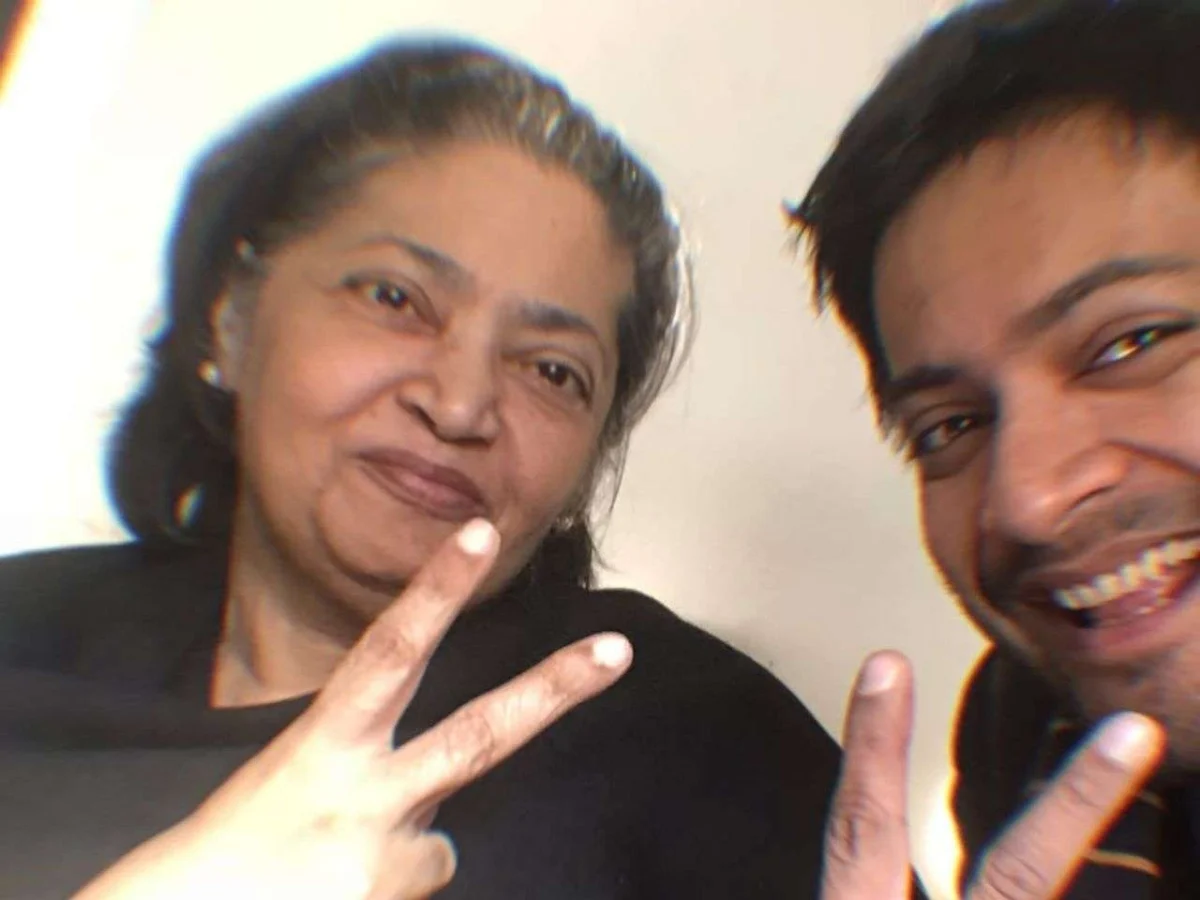
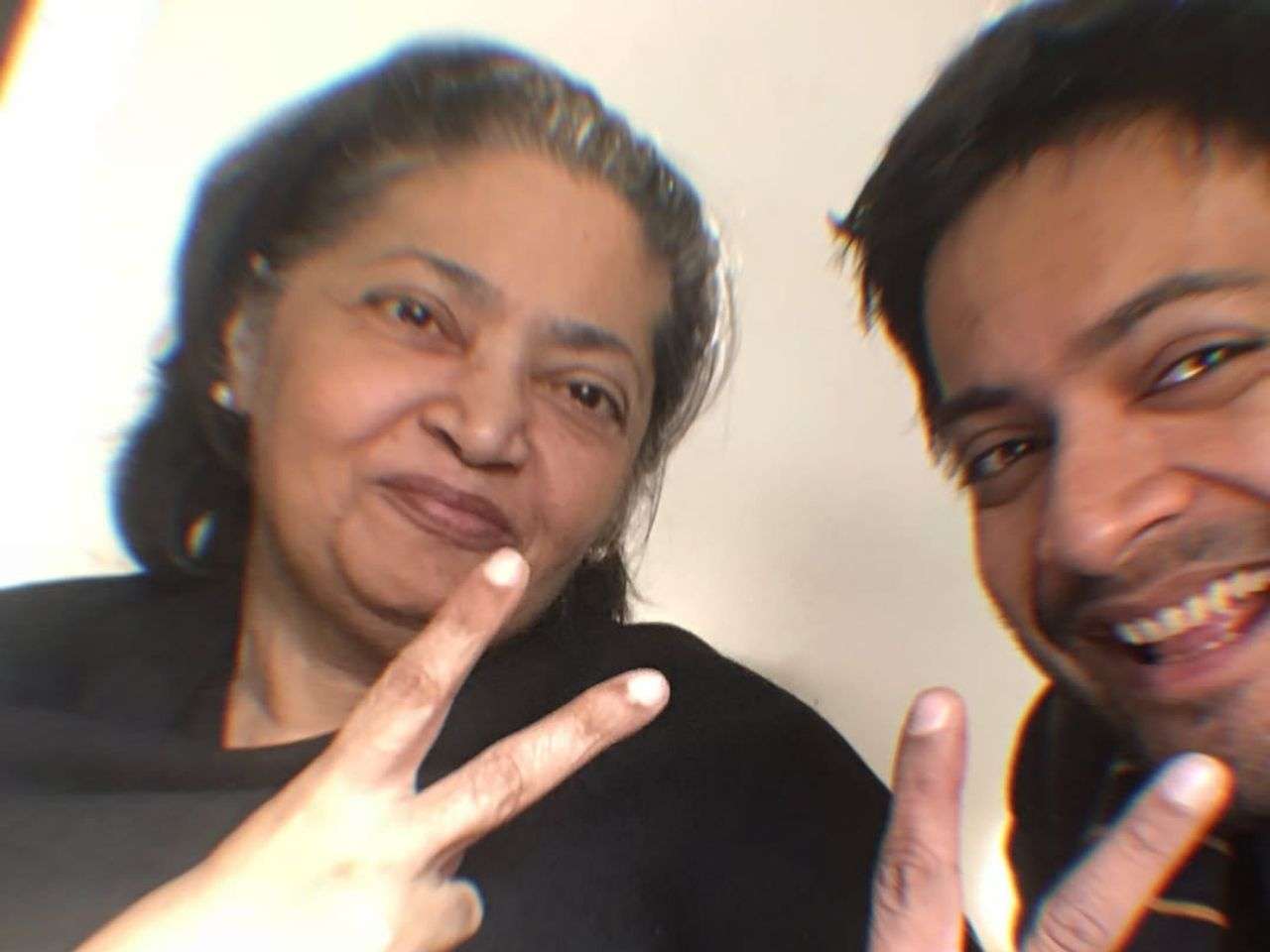
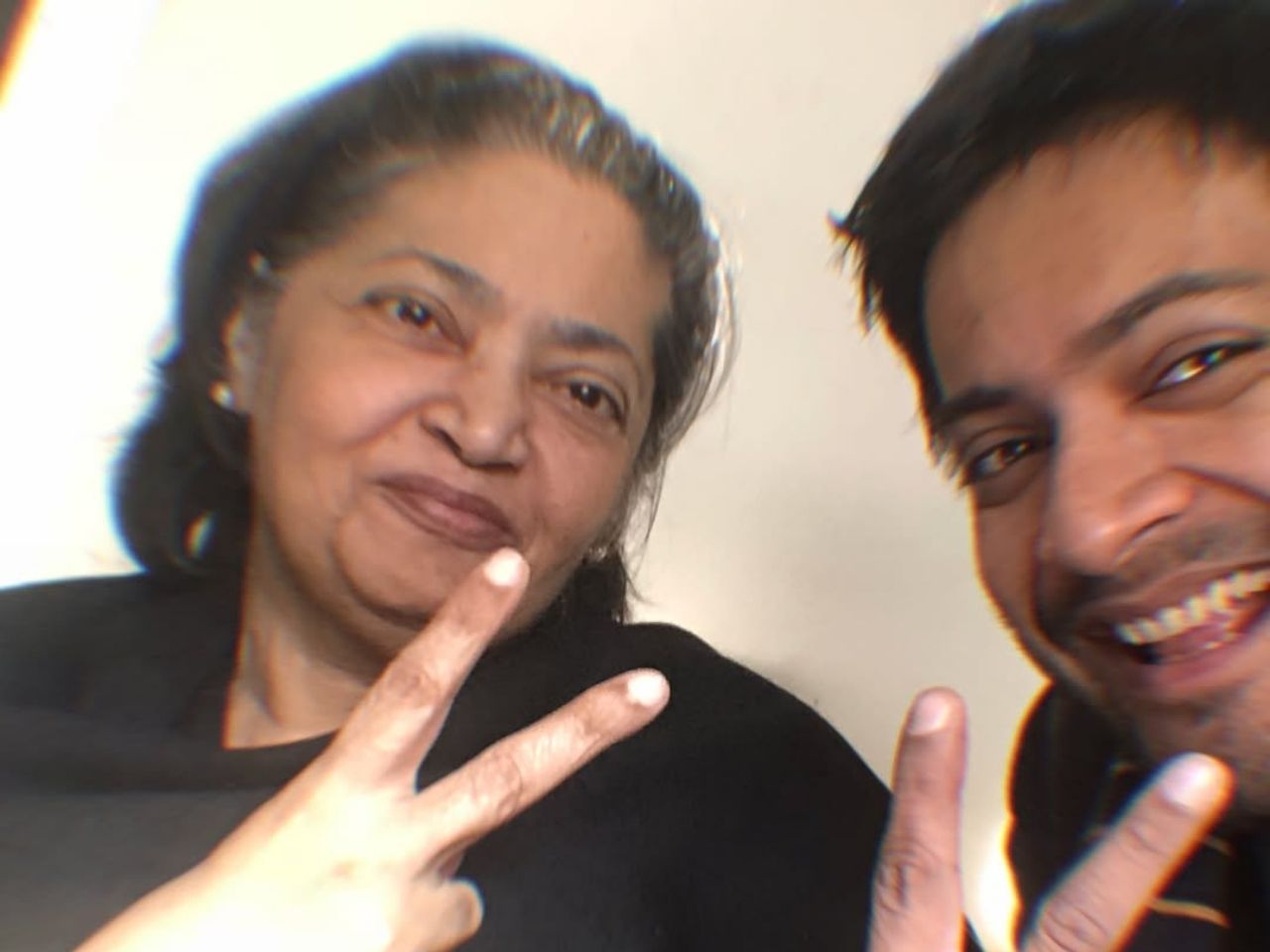
The third image is particularly telling: it features Ali himself posing for a selfie with his mother. This photograph captures a moment of shared joy and intimacy, a snapshot of the everyday love that defined their relationship. It’s in these candid moments, often overlooked in the grand narrative of life, that the true essence of familial bonds is preserved. For Fazal, this image likely serves as a powerful reminder of her physical presence, the warmth of her smile, and the comfort of her companionship.
By sharing these personal artifacts, Fazal not only honors his mother but also offers a profound insight into the formative influences that have shaped him as an artist and an individual. These images are more than just photographs; they are tangible pieces of a life shared, fragments of a love that continues to inspire and guide him.
)
The Echo of a Grandmother: Imagining Zuneyra’s Joy
One of the most touching aspects of Fazal’s tribute is his contemplation of his mother’s hypothetical role as a grandmother to his daughter, Zuneyra. This reflection reveals a deep yearning for the connection that was lost and a poignant imagining of what could have been.
"Zuni is a wonderful projection of you," Fazal writes, drawing a powerful parallel between his daughter and his late mother. This statement suggests that Zuneyra embodies qualities, traits, or even a spirit that reminds him so strongly of his mother. It’s as if a part of her essence has been reborn in his child, offering a form of continuity and a bittersweet solace.
)
He then delves into the realm of imagination, admitting, "You would’ve been a funny ole grandmum heh.. i play it out sometimes." This admission is incredibly relatable for anyone who has lost a parent and wonders how they would have interacted with their grandchildren. The phrase "funny ole grandmum" conjures an image of warmth, humor, and unconditional love – the very qualities that likely defined his mother. The fact that he "plays it out sometimes" suggests a deeply personal internal dialogue, a way of keeping her memory alive and incorporating her imagined presence into his current family life.
This imagined scenario underscores the profound impact a grandparent can have on a child’s life and the immense loss experienced by both the child and the surviving family members when that bond is never realized. Fazal’s willingness to share this deeply personal fantasy speaks volumes about his enduring love and the significant void his mother’s absence has left in his family’s narrative.
)
A Legacy of Gratitude: "All of This is a Gift"
Despite the palpable grief, Ali Fazal’s message is ultimately one of profound gratitude. He uses the occasion of his mother’s death anniversary not just to mourn, but to reflect on the blessings she bestowed upon him and the life he continues to lead.
"Just posting here to keep a reminder for me – that all of this is a gift – i am thankful," he concludes. This statement encapsulates the transformative power of his mother’s influence. The "all of this" he refers to likely encompasses his career, his family, and the very life he leads. He sees his continued existence and his current successes as a direct result of her sacrifices, her love, and her unwavering support.
)
The phrase "in debt to you" further emphasizes this sense of profound obligation and appreciation. He acknowledges that his achievements are not solely his own but are built upon the foundation laid by his mother. This recognition of her role is a testament to his character and his deep-seated respect for her.
His closing remark, "Until then, Amma," is a tender and hopeful sign-off. It suggests a belief in a future reunion, a continuation of their bond beyond the earthly realm. It’s a promise, perhaps, to live a life that would make her proud, to carry her legacy forward with grace and integrity.
)
A Recurring Remembrance: The Sixth Anniversary and Beyond
This year’s tribute marks the sixth anniversary of his mother’s passing. The news article also references his poignant post from the fifth anniversary, highlighting the consistent and enduring nature of his remembrance. Last year, Fazal expressed a similar sentiment, stating that after his mother left, he also had to "say goodbye to the younger version of himself."
"There are two people I had to say goodbye to this day, 5 years ago- One, my mother, and the other that little boy me.. (or as I see Ali today, but without a version of Him in recorded past)," he wrote. This earlier statement reveals a profound shift in his self-perception. The loss of his mother coincided with the loss of a former self, suggesting that their bond was so intertwined that her departure necessitated a fundamental redefinition of who he was.
)
He continued, "And it’s so funny – that another part comes in swinging from the ends of the universe and gently attaches itself to me now.. I am blessed. Another me? Another you? God knows. Anyway." This philosophical reflection speaks to the idea of evolving identity and the possibility of a new self emerging from the crucible of grief. It’s a testament to his resilience and his capacity to find meaning and even blessings amidst profound loss.
The recurring nature of these anniversary tributes underscores that grief is not a linear process but a lifelong journey. For Ali Fazal, each year serves as an opportunity to deepen his understanding of his mother’s impact and to reaffirm the enduring power of their connection.
)
The Unseen Foundation: A Mother’s Role in an Actor’s Life
The emotional depth of Ali Fazal’s tribute invites contemplation on the often-unseen yet crucial role mothers play in shaping the lives and careers of their children, particularly those in the demanding world of entertainment. While public narratives often focus on talent, ambition, and external success, the internal scaffolding of familial love and support is frequently overlooked.
Fazal’s confessions hint at a mother who was not just a passive observer but an active participant in his life, encouraging him and instilling in him the values that guide him. The phrase "thanks for working hard to make me feel alive" suggests a mother who poured her energy and devotion into nurturing his spirit and well-being. This dedication, often made without fanfare or expectation of recognition, is the bedrock upon which many successful lives are built.
)
In the context of Bollywood, where pressures can be immense and the spotlight unforgiving, the presence of a supportive maternal figure can be a vital anchor. A mother’s belief in her child, especially during times of doubt or setback, can be the crucial difference between perseverance and surrender. Fazal’s acknowledgment of this "hard work" suggests a deep appreciation for the sacrifices she made, both big and small, to ensure his happiness and his ability to pursue his dreams.
Furthermore, his reflection on his mother’s potential role as a grandmother highlights the generational continuity of love and influence. The dreams and aspirations a parent holds for their child often extend to their grandchildren, creating a beautiful tapestry of inherited values and unspoken legacies. The fact that Fazal cherishes this imagined future speaks to the enduring power of his mother’s love, a love that continues to shape his present and inform his hopes for the future.
)
Implications: The Universal Language of Love and Loss
Ali Fazal’s heartfelt tribute transcends the boundaries of celebrity gossip and entertainment news. It speaks to a universal human experience: the profound and enduring love for a parent and the deep sorrow that accompanies their loss. His vulnerability and honesty have resonated with a wide audience, reminding us of the importance of cherishing our loved ones and acknowledging the indelible mark they leave on our lives.
In an era often characterized by superficial connections and fleeting trends, Fazal’s posts serve as a powerful reminder of what truly matters. The emotional weight of his words, coupled with the intimacy of the photographs, offers a poignant testament to the enduring power of family bonds. His willingness to share his grief openly encourages a broader societal conversation about loss, remembrance, and the ways in which we can honor the memories of those who have passed.
)
The widespread positive reception of his posts also highlights a growing appreciation for authenticity and emotional intelligence in public figures. Netizens are not just entertained by talent; they are moved by genuine emotion and relatable human experiences. Ali Fazal’s tribute, therefore, is not just a personal remembrance but a cultural moment that underscores the universal language of love, loss, and the enduring strength of the human spirit. It is a testament to a son’s unwavering devotion and a mother’s everlasting legacy.
