

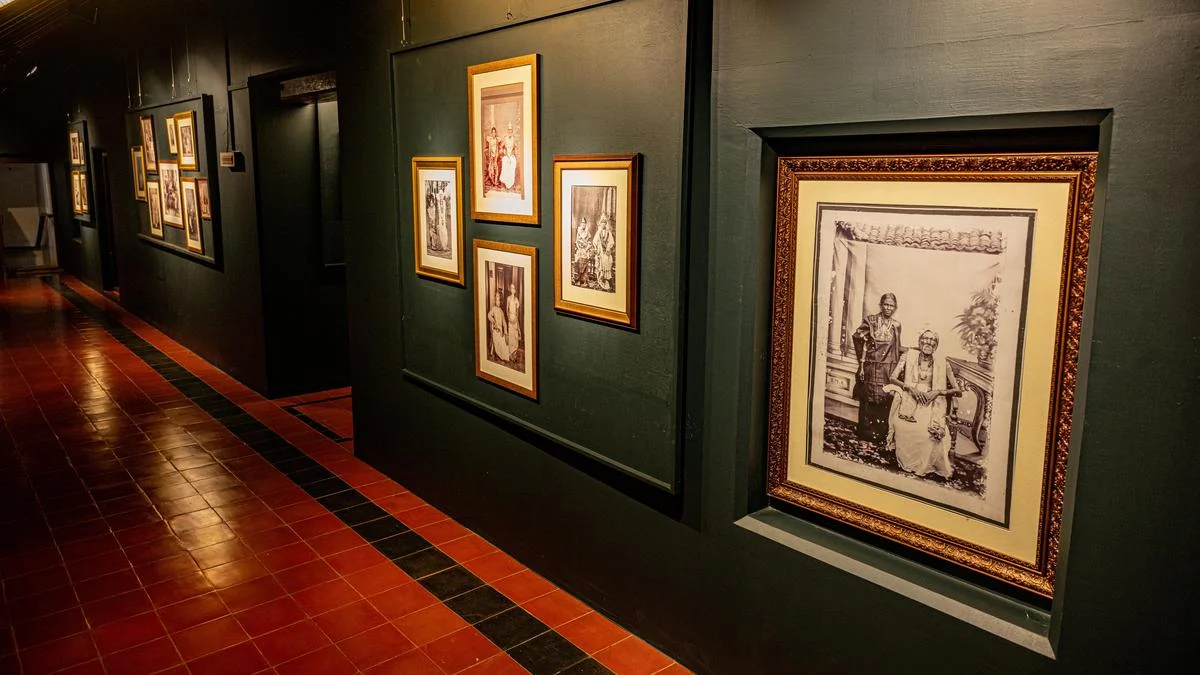
The arid landscapes of southern Tamil Nadu, dotted with resilient palmyra trees and the shade-giving canopies of ancient tamarind, hold within them the echoes of a remarkable community: the Chettiars. For generations, this proud and enterprising community has woven a formidable network of trade and commerce that stretched across India and deep into Asia. Though its members are now dispersed globally, from the bustling metropolises of the U.S. and Europe to the vibrant hubs of Southeast Asia, their ancestral roots remain firmly planted in the soil of Chettinad. They return, with an almost instinctual pull, for the joyous celebrations of festivals, the solemn unions of weddings, and the poignant rituals of death ceremonies.
This enduring connection to their homeland is intrinsically linked to the unique architectural and social fabric of Chettinad. In an era when the men were often away for extended periods, engaged in their far-flung trade ventures, the Chettiars constructed grand residential compounds. These were not mere houses, but vast, walled enclaves designed to accommodate joint families, fostering a sense of communal living and mutual support. Within these imposing walls, a world of exquisite craftsmanship unfolded. Burma teak, a testament to their global trade connections, was meticulously carved with intricate depictions of deities, reflecting their deep spiritual beliefs. The kitchens, the heart of these homes, were always stocked with seasonal produce, with provisions carefully preserved to withstand the dry summer months, ensuring sustenance and hospitality for all.

Today, a vital movement is underway to safeguard this extraordinary heritage, spearheaded by the M.Rm.Rm. Cultural Foundation. At its helm is Visalakshi Ramaswamy, a visionary Chettiar revivalist whose deep consciousness of her community’s fading traditions fuels her tireless efforts. "While working on the book, The Chettiar Heritage (with co-authors S. Muthiah and Meenakshi Meyyappan), my job was to photograph the homes," Ramaswamy recounts. "Over the four years we put the book together, I saw so many Chettinad homes being broken down, their things sold, and so many elders who were guardians of the tradition dying." This stark observation ignited a passion to document and preserve, leading to the establishment of the Museum of Chettinad, a testament to her dedication.
The Chettinad Heritage and Cultural Festival: A Celebration of Tradition
At the forefront of these preservation efforts is the annual Chettinad Heritage and Cultural Festival. This five-day celebration, typically held in September, serves as a vibrant platform to showcase and commemorate the rich history, enduring traditions, culinary artistry, and cultural legacy of the Chettinad region. This year’s edition is set to feature a significant contribution from Visalakshi Ramaswamy, who will deliver a compelling talk titled "Past Continuous." Her presentation will delve into the diverse artifacts housed within the newly established Museum of Chettinad, offering attendees a deeper understanding of the community’s past and its present-day manifestations.

Documenting a Community: The Vision Behind the Museum
Visalakshi Ramaswamy’s commitment extends beyond mere documentation; it encompasses the active restoration and revitalization of traditional Chettinad crafts. She has been a passionate advocate for crafts such as palm-leaf basket weaving (kottan), the distinctive Chettinad sari-weaving (kandangi), the unique Chettinad lime plaster technique, and the now-iconic Athangudi tiles – a ubiquitous element in South Indian architectural aesthetics. Her approach is deeply rooted in a philosophy of understanding before intervention. This principle has been meticulously applied in the creation of the Museum of Chettinad, a space that aims to immerse visitors in the authentic Chettiar way of life.
The Museum of Chettinad, strategically located within Ramaswamy’s ancestral 125-year-old family home in Kanadukathan, represents the culmination of years of dedicated research into the Chettiar lifestyle. "Once when a group of visitors arrived, I took my husband’s grandmother’s things and, with whatever knowledge I had, put on an exhibition for them in the attic," Ramaswamy explains. "It stayed there for many years. Soon, people began coming to me for more information. I decided that I would answer all their questions through a museum and that’s how we now have the Museum of Chettinad." This organic evolution, driven by a genuine desire to share and educate, underscores the museum’s profound connection to the community it represents.

A Journey Through Time: The Museum’s Narrative
The visitor experience at the Museum of Chettinad begins with an insightful exploration of the Nagarathar community, the historical and cultural identity of the Chettiars. This introduction delves into the myths surrounding their origins and the compelling historical factors that led to their settlement in this specific region of Tamil Nadu. Engaging visuals, including depictions of community temples and vibrant festivals, offer an initial glimpse into the rich tapestry of traditions that continue to forge strong bonds within the community.
As visitors progress through the meticulously curated rooms, they embark on a journey that traces the Nagarathars’ historical routes of commerce, their patterns of migration, and their deeply ingrained religious practices. Crucially, the museum’s architecture itself becomes an integral part of the narrative. The traditional design of the ancestral home allows for the display of various crafts and objects of Chettiar domestic life within their original context, rather than as isolated artifacts in sterile display cases. This immersive approach enhances the understanding and appreciation of the objects and their significance in the daily lives of the Chettiars.

One of the earliest curated spaces within the museum showcases a collection of Raja Ravi Varma prints, a popular artistic motif found in homes across India. However, in the Chettinad context, these depictions of gods and goddesses are adorned with cloth and embroidery, a practice that was a common sight in Chettiar homes and a cherished pastime of the women, known as aachis. This detail subtly highlights the unique cultural interpretations and personal touches that characterized Chettiar domestic spaces.
The subtexts of these displays often reveal compelling narratives about the women of the community. They were, and remain, the bedrock of Chettiar society, instrumental in its continuity and resilience. In the absence of the men, who were frequently away on trade expeditions, the women managed the vast households with remarkable efficiency and grace. The Chettiar homes, often described as "minor fortresses," were meticulously organized and run by these women, demonstrating their strength, resourcefulness, and leadership.

The Rhythms of Domestic Life: A Glimpse into Everyday Existence
Further exploration leads to rooms dedicated to illuminating the daily rhythms of domestic life. The kitchens, storerooms, and galleries are replete with an array of everyday utensils, traditional grinding stones, antique copper water heaters, and imposing storage jars. These are the essential accoutrements that facilitated the sustenance of large families and the hosting of elaborate festivals, reflecting a culture of abundance and hospitality.
Other sections of the museum showcase the artistry of basket weaving and the iconic Chettinad sari. The saris are a visual delight, characterized by a captivating interplay of colors, checks, and stripes, dramatically accentuated by contrasting borders and pallus crafted from both cotton and silk. The museum also features collections of vibrantly colored imported enamelware and exquisite Burmese lacquerware, items that graced both everyday use and special occasions, underscoring the Chettiars’ global trading connections and their appreciation for diverse aesthetics.

The museum’s walls are painted in Chettinad’s signature vivid palette of magenta, emerald, and terracotta – hues that echo the colors of the region’s landscape and architecture. Beautifully lit antique furniture and display cases are thoughtfully arranged against these striking backdrops, creating an atmosphere that is both visually stimulating and historically resonant.
The journey culminates in a gallery dedicated to festivals, marriages, and ceremonies marking milestones of seniority within the community. Each exhibit is accompanied by detailed information about the distinctive jewelry worn and the carefully observed traditions associated with these significant life events. To reveal more would be to diminish the profound sense of discovery that awaits visitors.

Keeping Memory Alive: A Foundation for the Future
Visalakshi Ramaswamy’s foresight extends to ensuring the sustainability of the M.Rm.Rm. Cultural Foundation and its mission. Over the years, she has cultivated a dedicated core team comprising young individuals, students, and professionals from arts colleges. This team is poised to carry forward the museum’s activities and the Foundation’s broader objectives. The intention is not merely to preserve a vanishing past, but to establish a replicable model for curating community museums that encapsulate both tangible and intangible histories, and crucially, possess the inherent capacity to evolve and adapt over time.
The Chettiars, through their extensive global trade networks, were pioneers of global citizenship long before the term "globalization" entered the common lexicon. Each room within the Museum of Chettinad, while inviting curiosity and contemplation, is a product of years of meticulous study into Chettiar traditions and their historical context.

"We hope that all written and published information on Chettinad and the Nagarathars, by anyone, will be collected here," Ramaswamy articulates with conviction. "The museum will become a repository for stories of this community, from across the world. Perhaps several generations from now, someone will come looking for information on their forefathers – it will be available here in so many ways." This ambitious vision underscores the museum’s potential to serve as an enduring archive, a living testament to the enduring legacy of the Chettiar community, ensuring that their stories, their traditions, and their contributions continue to resonate for generations to come.
Supporting Data and Official Recognition
The M.Rm.Rm. Cultural Foundation’s work has garnered increasing attention and support, reflecting a growing recognition of the importance of preserving Chettinad’s unique cultural heritage. The Foundation actively collaborates with academic institutions and heritage organizations, contributing to research and documentation efforts. The establishment of the Museum of Chettinad itself serves as a significant piece of supporting data, providing a tangible and accessible resource for understanding the community’s history and cultural practices. While specific government funding figures for the Foundation’s projects may not be publicly detailed, the sustained efforts and the expansion of their initiatives suggest a growing ecosystem of support from both private patrons and potentially, governmental heritage bodies.

Implications for Cultural Preservation and Tourism
The preservation efforts spearheaded by Visalakshi Ramaswamy and the M.Rm.Rm. Cultural Foundation have profound implications. Firstly, they offer a vital blueprint for other communities facing similar challenges of cultural attrition. The museum’s model of integrating historical narrative with tangible artifacts within an authentic architectural setting is a powerful example of immersive heritage interpretation.
Secondly, these initiatives have the potential to bolster cultural tourism in the Chettinad region. By offering a rich and authentic experience, the museum and the associated festivals can attract a wider audience, fostering economic opportunities for local communities and generating greater awareness of Chettinad’s unique cultural landscape. This, in turn, can incentivize further preservation efforts and create a virtuous cycle of cultural revitalization. The focus on traditional crafts also supports the livelihoods of artisans, ensuring the continuity of these skills and their associated economic benefits.

The M.Rm.Rm. Cultural Foundation’s dedication to creating a repository of knowledge also has significant academic and research implications. The library and conservation lab planned within the museum complex will provide invaluable resources for scholars, historians, and cultural researchers, further enriching the understanding of the Chettiar community and its global impact. This commitment to both tangible and intangible heritage ensures that the legacy of the Chettiars will not only be preserved but will continue to be a source of learning and inspiration.
