

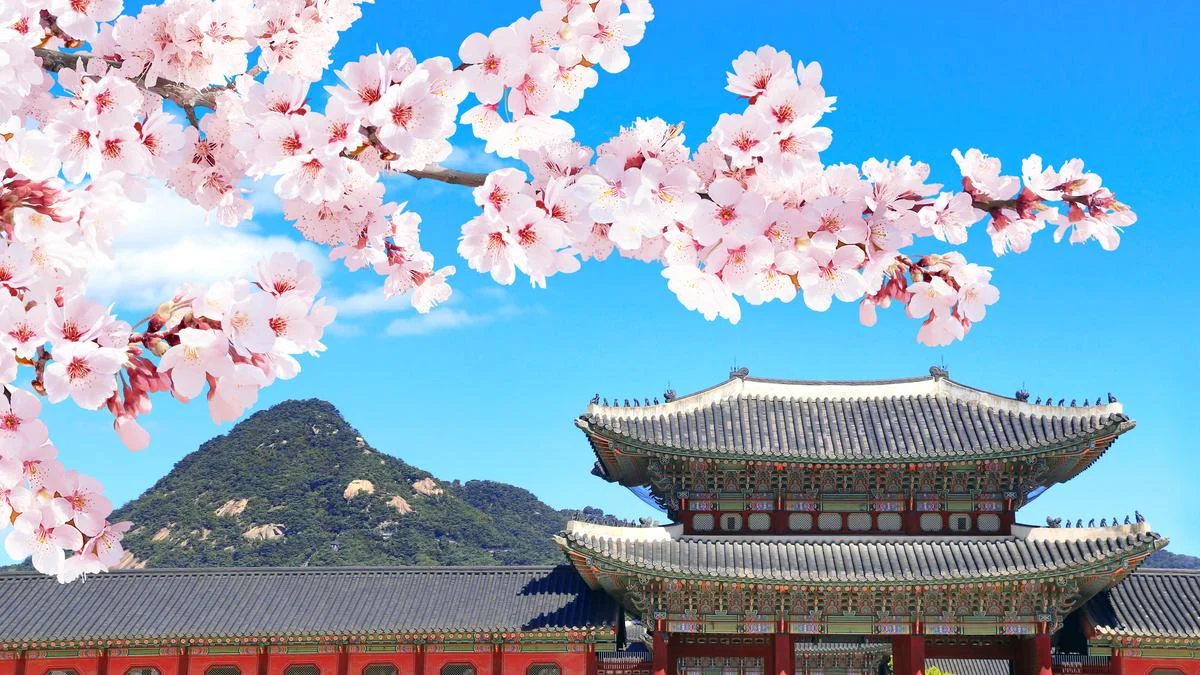
SEOUL — As the pale pink petals of the beot-kkot (cherry blossoms) begin their annual descent across the Korean Peninsula, a different kind of fever is gripping the nation. Today, April 9, marks the commencement of BTS’s highly anticipated "Arirang" concert tour in Goyang, a vibrant satellite city of Seoul. The event has triggered a massive influx of international travelers, effectively turning the capital region into a global pilgrimage site where pop culture and seasonal tradition collide.
Main Facts: A Convergence of Hallyu and Heritage
The "Arirang" tour—named after the quintessential Korean folk song that represents the soul of the nation—is more than a musical event; it is a socio-economic phenomenon. Following a historic live-streamed performance at Gwanghwamun Square in March, the group is scheduled for a three-day residency in Goyang on April 9, 11, and 12.
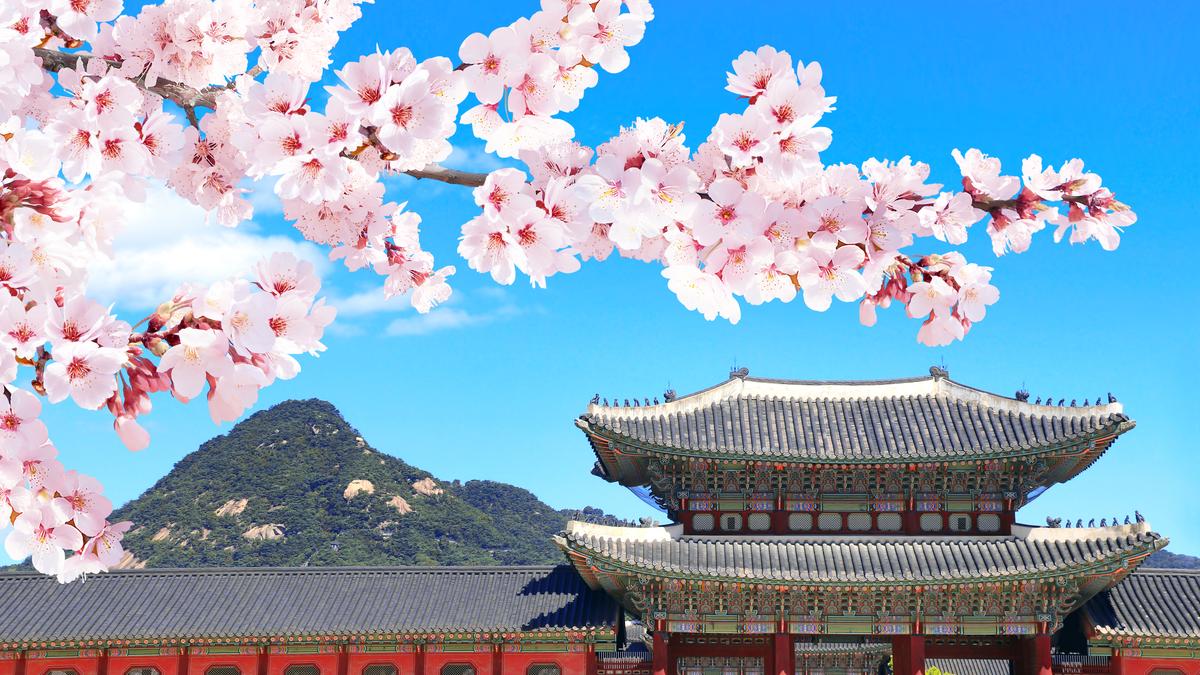
The timing is surgically precise. Seoul’s cherry blossoms are forecasted to reach their "peak bloom" on April 10, sandwiched perfectly between the concert dates. This synergy has resulted in a "sell-out" status for hotels across the Mapo, Jongno, and Gangnam districts. According to local tourism data, the "BTS Effect" combined with the spring season has seen a 40% increase in international arrivals compared to the same period last year.
While the concerts serve as the primary catalyst, the South Korean government and the Korea Tourism Organization (KTO) have leveraged the event to showcase a "New Seoul"—one that moves beyond the traditional palace tours into the realms of experiential "K-Life" tourism. From high-tech XR music video studios to "untact" (contactless) ramen convenience stores, the city is presenting itself as a playground for the digitally native traveler.

Chronology: From Gwanghwamun to Goyang
The momentum for this week’s festivities has been building for over a month. To understand the current atmosphere, one must look at the sequence of events that transformed Seoul into a stage:
- March 2024: The Prelude at Gwanghwamun: BTS performed BTS THE COMEBACK LIVE | ARIRANG at the historic southern gate of Gyeongbokgung Palace. The performance, captured by Netflix, served as a global invitation, blending the group’s modern choreography with the backdrop of Joseon-era architecture.
- Early April: The Bloom Begins: As temperatures rose, the "Cherry Blossom Front" moved northward from Jeju Island, reaching the Han River banks by the first week of April.
- April 9: The Kick-off: The first leg of the Goyang concerts begins today. Fans, known collectively as ARMY, have been queuing since dawn, many having traveled from as far as Brazil, France, and India.
- April 10: The Peak: Forecasted as the height of the cherry blossom season, this "rest day" between concerts is expected to see record-breaking foot traffic at major landmarks.
- April 11–12: The Finale: The closing nights of the Seoul-leg tour, expected to conclude with a massive drone show over the Goyang Stadium.
Supporting Data: Navigating the "K-Experience"
For the modern visitor, Seoul requires a specific digital toolkit. Travelers are increasingly moving away from "predictable highlights" in favor of curated, niche experiences.

The Digital Infrastructure
A critical piece of data for any traveler is the regional limitation of global tech. Due to national security regulations regarding mapping data, Google Maps offers limited functionality in South Korea. Visitors are instead directed to Naver Maps or KakaoMap for real-time transit data. Furthermore, the T-Money card remains the indispensable currency for the city’s world-class subway system, which is currently seeing a surge in "fandom-themed" advertisements at stations like Hongdae and Samseong.
Idol-Spotting and Urban Greenery
The trend of "Set-jetting"—traveling to locations seen in media—has evolved into "Idol-spotting" in urban parks. Seoul Forest Park in Seongsu-dong has become a primary destination. Unlike traditional parks, this area features "fandom forests" and dedicated benches.

- Suga’s Bench: Features the engraving, "Please lean on me and rest sometimes."
- J-Hope Forest: A manicured garden marked by a bright yellow J-shaped bench.
- RM’s Lyrics: Park benches engraved with verses rapped by the group’s leader.
The Gastronomic Shift
The culinary landscape is shifting from formal dining to "experience eating."
- Automated Convenience: The 24-hour Ramen Convenience Store in Jongno operates without staff. It has become a viral sensation, where travelers cook their own noodles on induction plates and leave post-it notes, creating a physical archive of global tourism.
- Celebrity-Endorsed Tradition: Samcheongdong Hotteok has seen a spike in patronage after BTS’s RM shared images of the honey-and-nut-stuffed pancakes. This small alleyway stall represents the "RM-Tour" sub-segment of tourism, where fans visit art galleries and eateries frequented by the star.
Creative Tourism
The HiKR Ground, a multi-floor tourism publicity center, represents the government’s investment in "participatory tourism." It features:

- An XR Live Studio where tourists can record K-pop-style music videos on professional sets.
- A "Wes Anderson-esque" laundromat set for Instagram-focused photography.
- Dance studios offering 90-minute "tourist experience" classes, often taught by former backup dancers, priced at approximately ₩35,000 (₹2,200).
Official Responses: Tourism and Policy
The South Korean government has been proactive in integrating these cultural milestones into public policy. The Korea Tourism Organization (KTO), which invited international media to witness the tour, views the BTS "Arirang" concerts as a gateway to broader cultural appreciation.
"We are seeing a shift from ‘passive sightseeing’ to ‘active immersion,’" a spokesperson for the KTO stated. "The ‘Arirang’ tour isn’t just about the music; it’s about the ‘Arirang’ spirit—the resilience and beauty of Korea. By aligning these concerts with the cherry blossom season, we are showcasing the harmony between our traditional nature and our modern creative exports."

Furthermore, the city has launched the Seoul Outdoor Library initiative. Starting in mid-April, public spaces like Gwanghwamun Square and the Cheonggyecheon stream will be outfitted with bookshelves and beanbags. This initiative is designed to "decelerate" the tourist experience, encouraging visitors to read works by celebrated Korean authors like Han Kang and Bora Chung in the very spaces where K-pop history is being made.
Implications: The Future of "Hallyu 4.0"
The convergence of the "Arirang" tour and the spring bloom carries significant implications for the future of South Korean soft power.

1. The Economic Multiplier
The "BTS Effect" is no longer a localized boost. Economists suggest that for every dollar spent on a concert ticket, international fans spend an average of five dollars on local transport, retail, and hospitality. The "Brooklyn of Seoul"—Seongsu-dong—has seen a transformation from an industrial shoe-making district to a high-end fashion hub, with flagship stores from Dior and Tamburins thriving on the back of this new wave of affluent, culturally-driven tourists.
2. Sustainable Tourism Through Fandom
Unlike traditional mass tourism, fandom-based tourism is remarkably resilient and community-oriented. The "J-Hope Forest" and other fan-funded green spaces in Seoul Forest Park suggest a model where tourism leaves a positive ecological and social footprint. Fans aren’t just visiting; they are investing in the city’s infrastructure.

3. The Digital Divide and Opportunity
The reliance on proprietary apps like Naver Maps and the T-Money system creates a unique "walled garden" for Korean tourism. While it presents a learning curve for first-time visitors, it also allows the city to collect high-quality data on tourist movements, enabling better crowd management during massive events like the Goyang concerts.
4. Cultural Hybridity
By naming the tour "Arirang," BTS and BIGHIT MUSIC have successfully bridged the gap between "Idol culture" and "National identity." This ensures that the influx of visitors isn’t just consuming a pop product, but is being introduced to Korean history, from the statues of Admiral Yi Sun-sin at Gwanghwamun to the traditional art studios of Insa-dong.

As the "Arirang" tour continues through the week, Seoul stands as a testament to the power of cultural synergy. Under the canopy of cherry blossoms, the city is proving that in the modern age, a nation’s greatest export isn’t just its technology or its food—it is the shared experience of its stories, told through the lens of its biggest stars. For those currently navigating the crowded streets of Myeong-dong or the quiet alleys of Jongno, the message is clear: Life goes on, and in Seoul, it does so with a soundtrack.
