

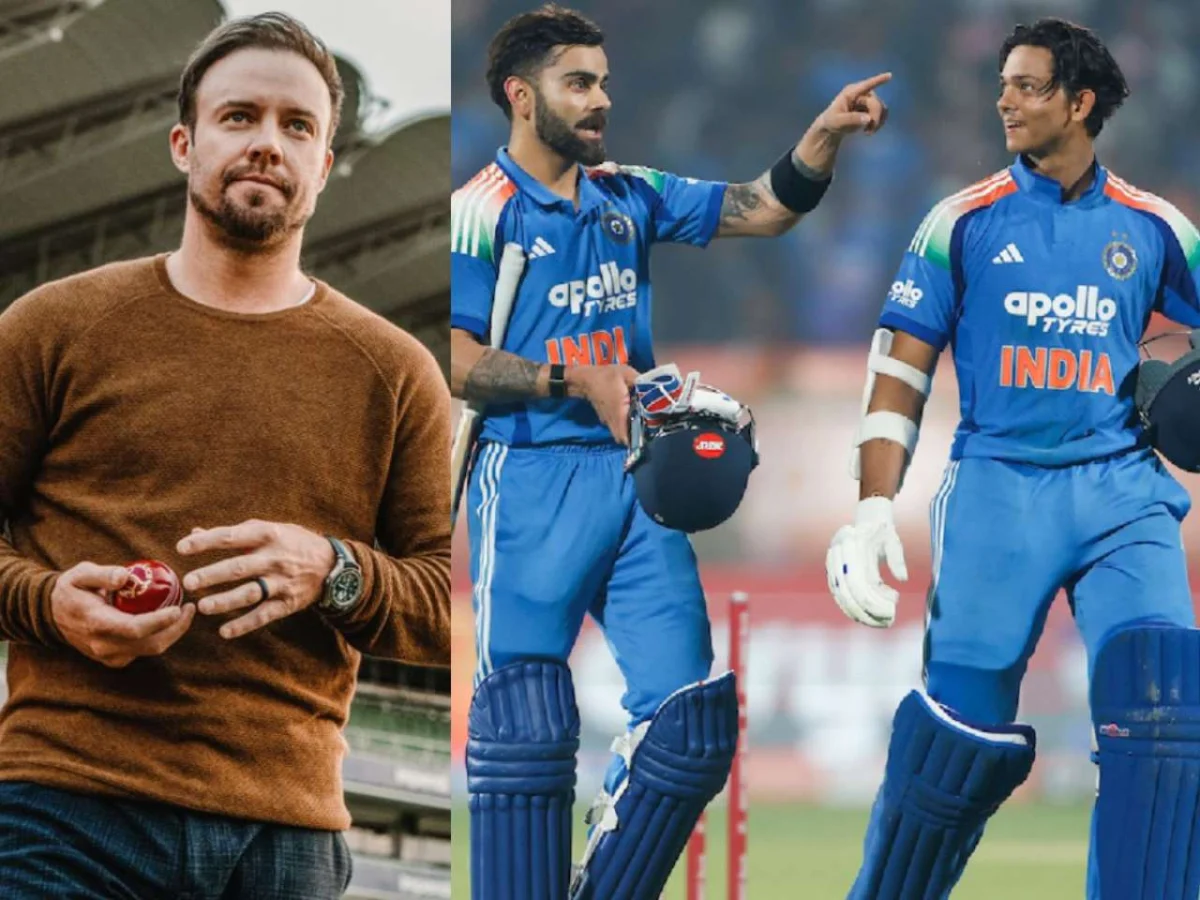
Mumbai, India – June 25, 2026 – In a stark reminder of the cutthroat competition within Indian cricket, young sensation Yashasvi Jaiswal has been omitted from India’s One Day International (ODI) squad for the upcoming series against England, despite having recently scored a magnificent match-winning century. His exclusion paves the way for the return of batting maestro Virat Kohli, who makes his comeback after recovering from an injury layoff. The decision has sparked widespread debate among fans and pundits, with former South African captain AB de Villiers weighing in, describing the move as "harsh" on Jaiswal but ultimately "understandable" given Kohli’s unparalleled stature.
The announcement underscores the immense talent pool India possesses, a double-edged sword that offers selectors an embarrassment of riches but often leads to heartbreaking decisions for deserving players. Jaiswal’s impressive performance, which saw him score an unbeaten 110 runs in his most recent ODI outing, makes his omission particularly poignant, highlighting the unforgiving nature of international cricket where even stellar individual displays can be overshadowed by the return of a cricketing icon.
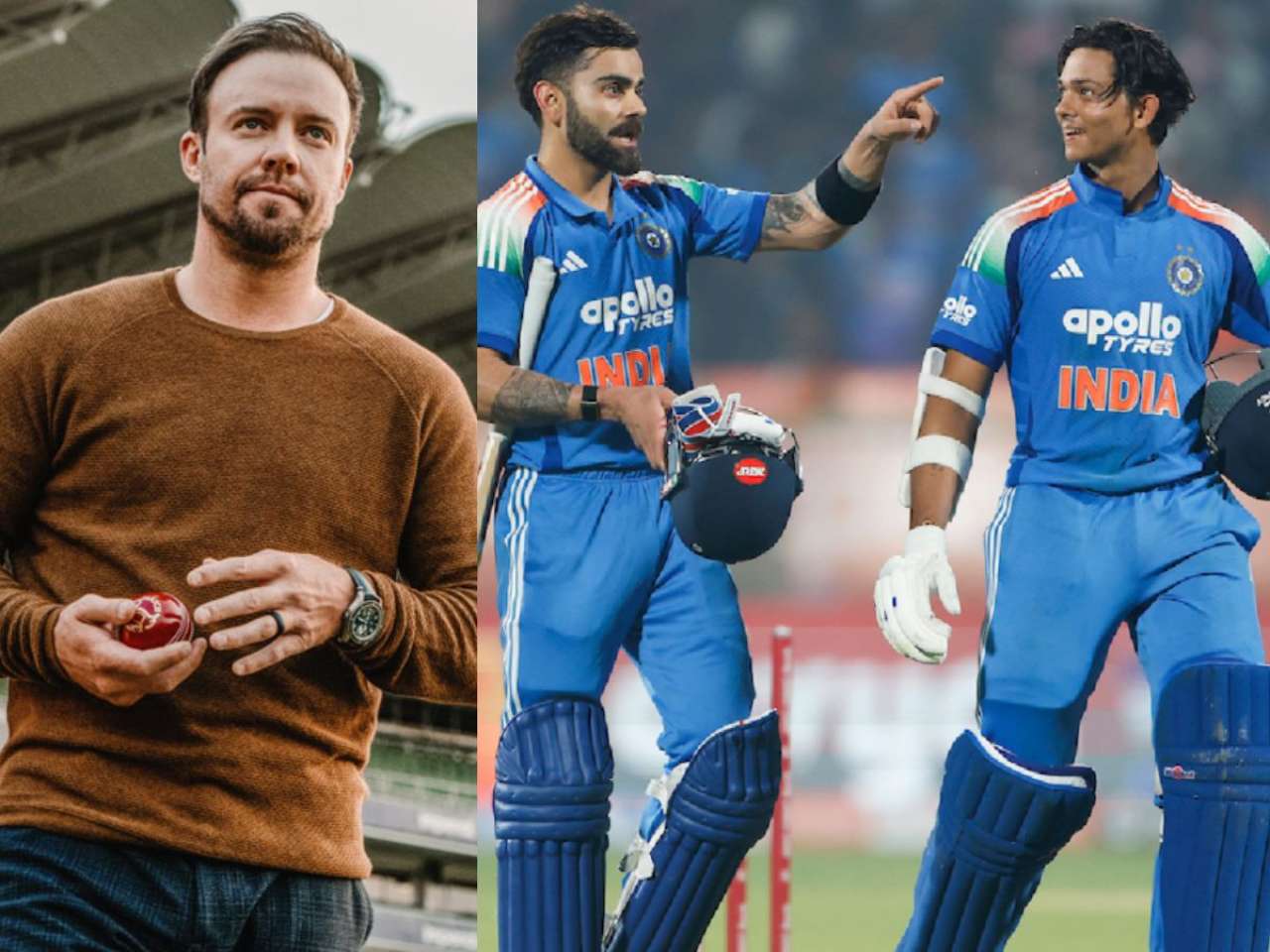
The Paradox of Performance: A Century Overlooked
Yashasvi Jaiswal’s journey into the ODI setup had been one of rapid ascent, driven by consistent performances across formats, particularly his aggressive yet mature batting style. He had been drafted into India’s ODI squad as a temporary replacement for the injured Virat Kohli, a golden opportunity that he seized with both hands. His defining moment came in the final ODI against South Africa, where he crafted a sensational unbeaten 110 runs off just 86 balls. This innings was not merely a statistical highlight; it was a masterful display of controlled aggression, guiding India to successfully chase down a challenging target of 219 in a mere 28.4 overs. The century was a testament to his burgeoning talent, temperament under pressure, and his ability to accelerate when required, earning him plaudits from all corners.
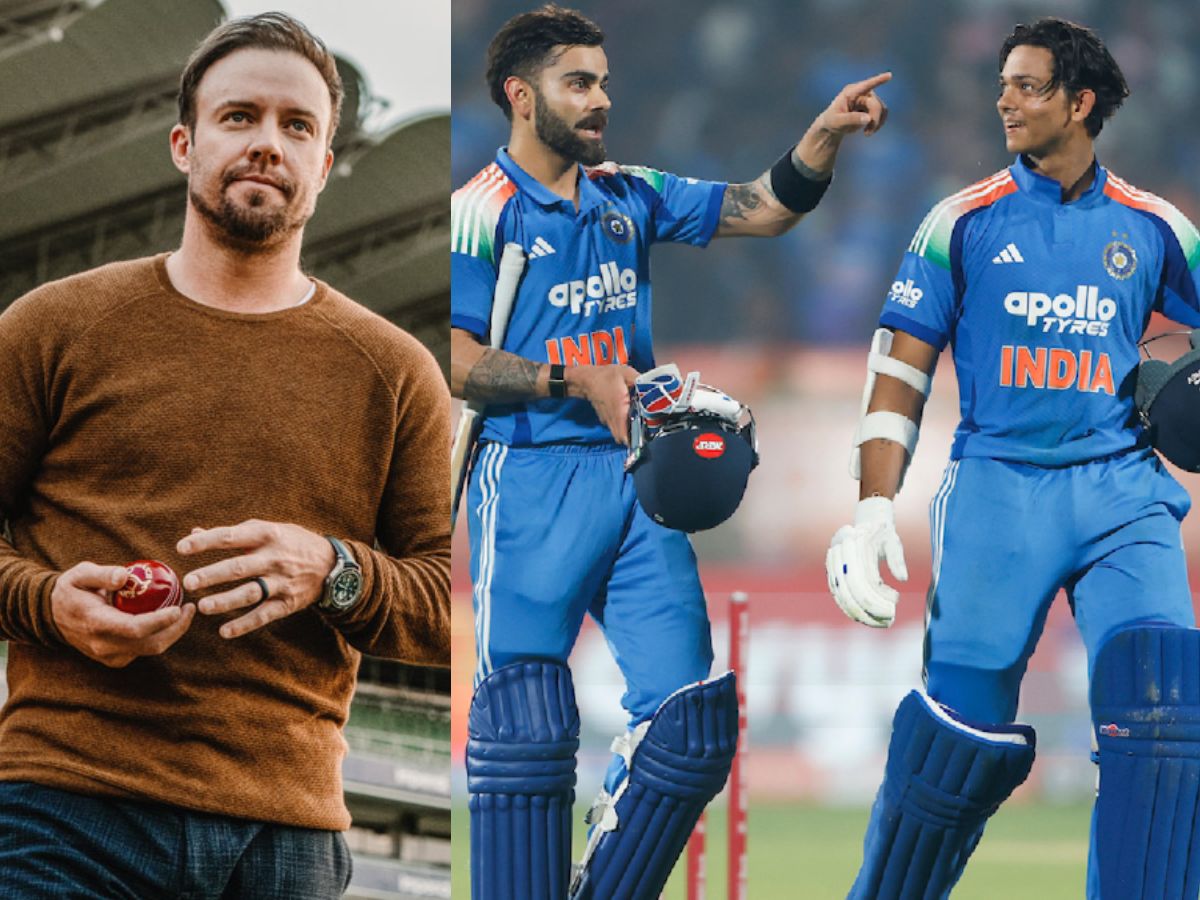
Many believed this performance would cement his place, at least for the immediate future, offering him a longer run to establish himself in the 50-over format. However, the subsequent squad announcement for the England series delivered a cruel blow. Despite his heroics, Jaiswal’s name was conspicuously absent, overshadowed by the highly anticipated return of the former captain, Virat Kohli, whose recovery from injury was complete. The decision, while perhaps strategically sound from a team management perspective, left many questioning the message it sends to young players who perform exceptionally well when given a chance. It highlighted the unwritten hierarchy that often dictates selections in teams boasting multiple world-class players.
)
The Return of the King: Virat Kohli’s Indispensable Presence
Virat Kohli’s absence from the Indian squad, even for a brief period due to injury, is always felt profoundly. His return, therefore, is not just the inclusion of another player but the reinstatement of a vital cog, a leader, and one of the most prolific run-scorers in the history of the game. Kohli’s influence extends far beyond his individual statistics; he brings an aura of intensity, an unparalleled competitive spirit, and invaluable experience to the dressing room and on the field. His presence is known to elevate the performance of those around him, instilling confidence and a winning mentality.
For years, Kohli has been the bedrock of India’s batting lineup across all formats. His consistent performances, especially in run-chases, have earned him the moniker of ‘chase master.’ His return to full fitness signals a significant boost for the Indian squad, particularly as they look ahead to crucial international assignments and prepare for future ICC tournaments. Selectors and team management would naturally prioritise bringing back a player of Kohli’s calibre the moment he is declared fit, a decision that, while tough on others, is often seen as non-negotiable for the overall strength and balance of the team. The anticipation surrounding his return, especially after a period of rest and recuperation, is immense, with fans eager to see him pick up where he left off, potentially even more refreshed and determined.

AB de Villiers Explains the Selection Dilemma: "When the King Comes Back…"
Among the first prominent voices to comment on Jaiswal’s exclusion was former South African captain and Kohli’s long-time Royal Challengers Bangalore teammate, AB de Villiers. Known for his candid insights and deep understanding of the game, de Villiers offered a nuanced perspective that resonated with many. He acknowledged the undeniable harshness of dropping a player who had just scored a game-winning century, particularly one as impressive as Jaiswal’s.
"Virat Kohli has returned," de Villiers stated on his YouTube channel, addressing the core reason for the change. "It was a little difficult for Jaiswal, who was back in Virat’s position, to score the hundred and now had to give way. There are no issues with that, although occasionally it might be a little harsh on players when your King returns."
)
De Villiers’ reference to Kohli as "the King" perfectly encapsulates the reverence and automatic priority accorded to players of his stature. He elaborated on the unwritten rules that often govern selection at the highest level: "When the primary players return, there is a procedure they are examining. It makes perfect sense for Virat to take over and ensure that he keeps up the level of performance he displayed throughout the IPL."
His comments highlight a common phenomenon in elite sports: while meritocracy is paramount, there is often a distinct hierarchy, especially when it comes to established superstars returning from injury. The expectation is that such players walk straight back into the squad, and often the playing XI, irrespective of who they replaced or how well that replacement performed. This "procedure" is not about disrespecting the stand-in but rather about restoring the team’s core strength and leveraging the experience of its most impactful players. De Villiers’ perspective, coming from a player who himself commanded similar respect and influence in his playing days, provides invaluable insight into the complex dynamics of team selection at the highest echelon.
)
The Ruthless Reality of Indian Cricket: A Deep Bench’s Dilemma
The situation surrounding Jaiswal is a microcosm of the larger challenge facing Indian cricket: managing an incredibly deep and talented player pool. For every Jaiswal who impresses, there are several others waiting in the wings, all vying for a limited number of spots. This depth, while a testament to the strength of India’s cricketing infrastructure, also creates an intensely competitive environment where even exceptional performances don’t guarantee longevity.
History is replete with examples of Indian cricketers who performed admirably when given an opportunity but found themselves out of favour once a senior player returned or a new talent emerged. This continuous churn ensures that only the most consistent, adaptable, and mentally resilient players can cement their places. The selectors are often caught between rewarding current form and backing established match-winners, a delicate balancing act that rarely satisfies everyone. In the case of Jaiswal, the decision clearly leaned towards the latter, prioritising the proven match-winning capabilities and unparalleled experience of Virat Kohli.
)
This scenario also reflects the broader strategic thinking of the team management. With an eye on major tournaments, they would want their strongest possible XI to play together as much as possible, fostering cohesion and understanding. While Jaiswal’s century was brilliant, Kohli’s long-term record and his ability to perform under extreme pressure in global events make him an indispensable asset, especially in the 50-over format.
Jaiswal’s Path Forward: Resilience and Adaptation
For Yashasvi Jaiswal, this setback, while disappointing, is not an end but merely another hurdle in what promises to be a long and illustrious career. The challenge now is to internalise this experience, learn from it, and redouble his efforts. He has already demonstrated his immense talent and mental fortitude across various formats. His success in Test cricket, where he has quickly established himself, and his impactful performances in the Indian Premier League (IPL) and domestic circuits, prove his versatility and hunger.
)
The immediate implication for Jaiswal is to continue piling on runs in whatever opportunities come his way – whether in domestic tournaments like the Ranji Trophy or Vijay Hazare Trophy, or in future T20I assignments. Consistency in these arenas will be his strongest advocate. The selectors will undoubtedly keep a close watch on his performances, knowing that he is a player of significant potential. This period of being on the fringe might just fuel his ambition further, pushing him to refine his game and make his case for an undeniable spot in the squad in the future, potentially across all three formats. His ability to adapt to different roles and conditions will be crucial in navigating the highly competitive landscape of Indian cricket.
Sanju Samson’s Perpetual Dilemma: Close Yet So Far
Adding another layer of complexity to the selection narrative is the continued omission of wicketkeeper-batsman Sanju Samson. De Villiers, in his analysis, also expressed sympathy for Samson, acknowledging his recent good form. "Ishan Kishan, KL Rahul are the two top wicket-keepers. The big thing there is no Pant, no Samson," de Villiers noted. "Samson must have been close, closer than Pant, as he had a really good IPL but also before that, showing signs of form. Not a lot of surprises there, but just for Samson, I feel he was close."
)
Samson’s career has been marked by flashes of brilliance interspersed with frustrating periods of non-selection. Despite being a highly gifted batsman with an elegant style and destructive hitting ability, he has struggled to cement a regular spot in the Indian limited-overs setup. His strong performances in the IPL, where he often leads his franchise with distinction, and occasional impactful innings for India have kept him in the conversation. However, with the likes of KL Rahul and Ishan Kishan seemingly ahead in the pecking order for wicketkeeper-batsman roles, and Rishabh Pant’s eventual return from injury looming, Samson faces an uphill battle.
De Villiers’ comment that Samson was "close" speaks volumes about the fine margins involved in Indian cricket selection. For a player like Samson, who has often been touted as a future star, these continuous near misses can be mentally taxing. His path forward, much like Jaiswal’s, will involve continuing to perform consistently at every given opportunity, hoping that a sustained run of form eventually becomes too compelling for the selectors to ignore. The competition for middle-order and wicketkeeper slots is particularly fierce, with multiple contenders possessing unique skill sets.
)
India’s ODI Squad for England: A Blend of Experience and Emerging Talent
The announced ODI squad for the England tour, while making tough calls, reflects a strategic blend of seasoned campaigners and promising talents, designed to tackle one of the strongest white-ball teams in the world. Shubman Gill has been named captain, showcasing the selectors’ continued faith in his leadership capabilities and burgeoning batting prowess. The squad features a formidable batting lineup, including the likes of Rohit Sharma, the returning Virat Kohli, KL Rahul, and Ishan Kishan, providing depth and flexibility.
The bowling attack is spearheaded by the ever-reliable Jasprit Bumrah, whose pace and precision are crucial to India’s success. He is complemented by other key bowlers such as Kuldeep Yadav, who has rediscovered his wicket-taking form, and presumably other fast bowlers and all-rounders to provide balance. The series against England will be a critical test, offering an opportunity for the team to fine-tune combinations, experiment with strategies, and build momentum as they look towards future global tournaments. The selectors will be keen to see how the team performs under Gill’s captaincy and how the returning senior players integrate seamlessly back into the squad dynamics.
)
India’s ODI squad for the England tour (Key players mentioned): Shubman Gill (Captain), Rohit Sharma, Virat Kohli, KL Rahul, Ishan Kishan, Jasprit Bumrah, Kuldeep Yadav, among others.
Implications for Indian Cricket: Balancing Present and Future
The decisions made in this squad selection carry significant implications for Indian cricket. On one hand, it reaffirms the belief in established stars and their ability to perform under pressure, suggesting that experience and proven track record often trump a single impressive performance, especially when a key player returns. This approach aims to provide stability and continuity, particularly in the run-up to major tournaments.
)
On the other hand, it raises questions about player morale and the pathways for young talents. How does a player like Jaiswal stay motivated when a century isn’t enough? The challenge for the team management will be to communicate effectively with omitted players, assuring them of their continued importance and providing clear pathways for their return. This balance between backing current form, ensuring the return of established stars, and nurturing future talent is a perpetual tightrope walk for any national selection committee.
Ultimately, the decision to drop Jaiswal in favour of Kohli, while generating considerable discussion, is a reflection of the high-stakes environment of international cricket. It underscores that while individual brilliance is celebrated, team composition and strategic priorities, especially concerning players of Kohli’s stature, often dictate the final selections. For Jaiswal and Samson, the message is clear: the journey continues, and only sustained, undeniable excellence will eventually break through the formidable barriers of Indian cricket’s deep and talented pool. The road ahead for these young talents, while challenging, is also ripe with opportunities to prove their mettle and secure their place among the cricketing elite.
