

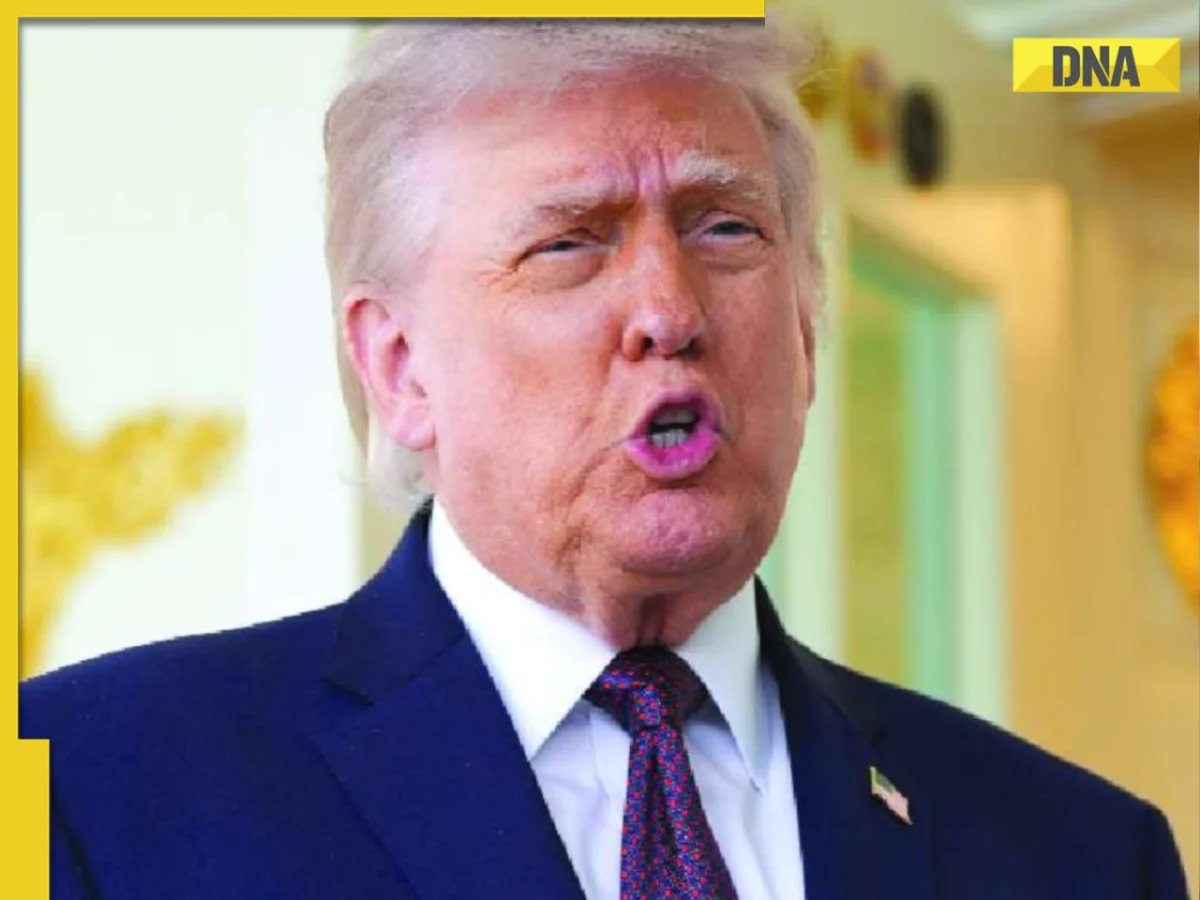
Washington D.C. – May 19, 2026 – In a significant and unexpected de-escalation of mounting tensions in West Asia, US President Donald Trump announced on Monday that he has temporarily "put off" a planned military strike against Iran. The decision, revealed during a press briefing, came after urgent appeals from key regional allies, including Saudi Arabia, Qatar, and the United Arab Emirates, who indicated that crucial negotiations with Iran were nearing a breakthrough. This pause introduces a fragile window for diplomacy in a crisis that has brought the region to the brink of conflict.
President Trump’s announcement underscores a complex and evolving US strategy towards Tehran, balancing assertive military posturing with a declared preference for a negotiated settlement. While the United States Central Command (CENTCOM) simultaneously affirmed its continued enforcement of a stringent blockade against Iranian ports, the temporary halt in offensive military planning signals a renewed, albeit cautious, commitment to diplomatic avenues. The coming days are poised to be critical in determining whether this pause leads to a lasting resolution or merely delays an inevitable confrontation.
A Sudden Shift: The President’s Announcement and Regional Appeals
The dramatic turn of events unfolded on Monday as President Trump addressed reporters, confirming his decision to defer military action. "I put it (attack on Iran) off for a little while, hopefully maybe forever, but possibly for a little while because we’ve had very big discussions with Iran and we’ll see what they amount to," Trump stated, hinting at the intensity and potential depth of the ongoing diplomatic overtures.
The impetus for this pause, according to the President, originated directly from a concerted effort by several influential Gulf states. "I was asked by Saudi Arabia, Qatar, UAE and some others if we could put it off for two or three days, a short period of time, because they think that they are getting very close to making a deal," Trump elaborated. He hailed this development as "very positive," while maintaining a pragmatic stance, adding, "but we’ll see whether or not it amounts to anything."
)
This direct appeal from Riyadh, Doha, and Abu Dhabi highlights the profound anxiety among Iran’s immediate neighbours regarding the potential fallout of a military confrontation. These nations, deeply integrated into the global economy and geographically proximate to Iran, stand to bear the immediate brunt of any conflict, from disruptions to vital shipping lanes like the Strait of Hormuz to regional instability and potential retaliatory strikes. Their intervention suggests a strong preference for a diplomatic resolution, even amidst their own often-strained relations with Tehran.
The announcement represents a pivotal moment in the ongoing West Asia crisis, offering a glimmer of hope that diplomacy might yet prevail over military escalation. It also reveals the intricate web of regional and international pressures influencing Washington’s strategic calculus, as allies seek to temper the US administration’s hardline stance with opportunities for negotiation.
)
Chronology of Escalation and Diplomatic Maneuvers
The current crisis, which has seen tensions between Washington and Tehran reach unprecedented levels, is rooted in a series of events stretching back several years.
The Genesis of Renewed Tensions (Post-JCPOA Withdrawal): The Trump administration’s withdrawal from the Joint Comprehensive Plan of Action (JCPOA), commonly known as the Iran Nuclear Deal, in May 2018 marked a significant turning point. This move, accompanied by the re-imposition and expansion of stringent economic sanctions under a "maximum pressure" campaign, aimed to compel Iran to renegotiate a more comprehensive agreement addressing its nuclear program, ballistic missile development, and regional activities.

Iran, in response, gradually scaled back its commitments under the JCPOA, increasing uranium enrichment levels and stockpiles beyond the limits set by the agreement. This tit-for-tat escalation fuelled international concern and heightened the risk of proliferation.
Escalation in the Persian Gulf: The period leading up to the present moment has been characterized by a series of provocative incidents. While specific details of these incidents in the lead-up to May 2026 are not provided in the original text, the general context of the "West Asia crisis" implies maritime incidents, cyberattacks, and proxy skirmishes in various regional hotspots. These events, often attributed to both sides, have consistently raised the spectre of direct military confrontation.
)
Iran’s Peace Proposals and US Rejection: Amidst the rising tensions, diplomatic channels have, however tenuously, remained open. Iran has reportedly submitted multiple proposals aimed at de-escalating the crisis. Earlier, President Trump had notably rejected one such comprehensive peace proposal, deeming it to "fall short of expectations" and lacking "any meaningful progress towards a deal." This rejection underscored Washington’s insistence on more substantial concessions from Tehran.
The Latest Overture (Sunday Night): The most recent Iranian counter-proposal, which appears to have triggered the current diplomatic flurry, was reportedly delivered on Sunday night through Pakistani mediators. While details remain scarce, a senior US official cited by Axios indicated that this revised text contained "only limited changes" compared to previous submissions. Despite its perceived shortcomings by Washington, the fact that it prompted a direct appeal from Gulf states and a pause in military action suggests that this latest proposal, however incremental, might have contained elements that regional powers believe could form the basis for a more substantive negotiation.
)
CENTCOM’s Continued Pressure: Even as diplomatic efforts intensify, the US military has maintained its posture of economic and military pressure. On Monday, CENTCOM affirmed its unwavering commitment to enforcing the US blockade against Iranian ports. In a post on X, CENTCOM stated, "CENTCOM continues to strictly enforce the U.S. blockade against Iranian ports. U.S. forces have now redirected 85 commercial vessels to ensure full compliance." This simultaneous application of diplomatic engagement and economic coercion underscores a dual strategy, aiming to compel Iran to the negotiating table while limiting its economic lifelines.
This chronological overview highlights a pattern of escalating pressure, punctuated by intermittent, often frustrating, diplomatic exchanges. The current pause marks a significant, albeit potentially fleeting, deviation from this trajectory, offering a fragile hope for a negotiated resolution.
)
Supporting Data and Geopolitical Context
To fully appreciate the significance of President Trump’s decision, it is crucial to understand the broader geopolitical landscape and the underlying factors driving the West Asia crisis.
The Iranian Nuclear Program: A Persistent Concern: At the heart of the US-Iran standoff is Iran’s nuclear program. While Iran consistently maintains its program is for peaceful energy purposes, the international community, particularly the US and its allies, harbors deep suspicions about its potential military dimension. The JCPOA was designed to curtail Iran’s ability to develop nuclear weapons in exchange for sanctions relief. Trump’s withdrawal was predicated on the belief that the deal was too lenient and did not adequately address Iran’s long-term nuclear ambitions or its ballistic missile capabilities. The US objective remains firm: preventing Iran from acquiring a nuclear weapon.
)
Regional Rivalries and Proxy Conflicts: The West Asia crisis is not solely about the nuclear program; it is deeply intertwined with a complex web of regional rivalries. Iran’s growing influence across the region, through various proxy groups and alliances in countries like Yemen, Syria, Iraq, and Lebanon, is viewed by Saudi Arabia, UAE, and other Sunni Arab states as a direct threat to their security and stability. These proxy conflicts have fuelled sectarian tensions, destabilized governments, and contributed to humanitarian crises. Any direct US-Iran military confrontation would inevitably draw in these regional actors, potentially igniting a wider, devastating conflict.
The Strategic Importance of the Gulf: The Persian Gulf is a critical artery for global energy supplies, with a significant portion of the world’s oil transiting through the Strait of Hormuz. Any disruption to this vital waterway due to conflict or blockades would have catastrophic consequences for the global economy, sending oil prices skyrocketing and impacting international trade. The US blockade on Iranian ports, enforced by CENTCOM, directly impacts Iran’s oil exports, its primary source of revenue, putting immense economic pressure on Tehran.
)
The Motivations of Regional Mediators: The intervention of Saudi Arabia, Qatar, and the UAE in appealing for a delay is highly significant. Despite their often-antagonistic relationship with Iran, these nations share a common interest in regional stability. A full-blown military conflict would devastate their economies, disrupt trade, deter foreign investment, and potentially lead to direct attacks on their own infrastructure. For Qatar, which shares a massive natural gas field with Iran, maintaining some level of working relationship, however fraught, is also crucial. Their appeals signal a collective recognition that the economic and human cost of war far outweighs any perceived short-term strategic gains.
International Stakeholders and China’s Role: The crisis has garnered significant international attention, with European powers, the United Nations, and other global actors consistently advocating for de-escalation and a diplomatic path. President Trump’s recent visit to China and his conversation with President Xi Jinping further underscore the international dimension. Trump’s comment that "President Xi was very complimentary of our military… We have the greatest military in the world. We’re not going to let Iran have a nuclear weapon," while seemingly a boast, also hints at China’s broader interest in regional stability. As a major consumer of West Asian oil and a growing economic power, China has a vested interest in preventing a conflict that could disrupt global energy markets and trade routes. Beijing’s stance often leans towards dialogue and respecting international agreements, aligning with the current diplomatic push.
)
The complexity of these interwoven issues means that any lasting resolution requires addressing not just the nuclear question, but also regional security concerns, economic imperatives, and the intricate web of international relations.
Official Responses and Rhetorical Balancing Act
The official responses to the ongoing crisis, particularly from the US administration, reveal a careful rhetorical balancing act between projecting strength and leaving room for diplomacy.
)
President Trump’s Calculated Ambiguity: President Trump’s statements on Monday were characteristic of his negotiating style: firm on objectives but flexible on tactics. His declaration of a pause, coupled with the hope that it could be "forever," indicates a genuine preference for a negotiated outcome. However, his implicit threat of military action ("If we can do that without bombing the hell out of them, I will be very happy") serves as a reminder that the military option remains on the table. This "carrot and stick" approach is designed to keep pressure on Iran to make concessions while offering a pathway to de-escalation. His acknowledgment of "big discussions" with Iran, without divulging specifics, suggests high-level, possibly indirect, communications are indeed underway. The President’s expressed frustration with Tehran’s previous proposals ("falls short of expectations") also signals that Washington expects substantial shifts in Iran’s position.
CENTCOM’s Unwavering Resolve: In stark contrast to the diplomatic overtures, CENTCOM’s continued enforcement of the blockade against Iranian ports sends an unequivocal message of sustained pressure. By redirecting 85 commercial vessels, the US military demonstrates its operational capability and its commitment to enforcing sanctions, regardless of the diplomatic pause. This dual strategy aims to squeeze Iran economically, limiting its financial resources, while simultaneously engaging in dialogue. It underscores the administration’s belief that economic hardship will ultimately drive Iran towards a more acceptable deal. The blockade also serves as a military deterrent, demonstrating US presence and readiness in the region.
)
The Gulf States’ Urgent Plea: The direct request from Saudi Arabia, Qatar, and the UAE for a delay is itself an official response from sovereign nations. Their collective appeal highlights a strategic calculus that prioritizes regional stability and economic security over immediate military confrontation. While these nations have historically taken a hardline stance against Iranian regional actions, their intervention here suggests a recognition of the catastrophic consequences a war would entail for all parties involved. It implies a belief that current negotiations hold genuine promise, and that a short delay could facilitate a breakthrough.
Iran’s Unstated Position (via Proposals): While Iran’s direct official response to Trump’s pause is not provided, its repeated submission of peace proposals, even if deemed insufficient by Washington, indicates a willingness to engage diplomatically. The fact that the latest proposal was delivered through Pakistani mediators suggests that Iran is also seeking channels for communication and a way to de-escalate, albeit on terms that preserve its national interests and perceived sovereignty. The limited changes in its latest text, however, suggest a cautious and incremental approach to concessions, likely reflecting internal political divisions and a desire to project strength.
)
Collectively, these official responses paint a picture of a delicate and high-stakes diplomatic dance, where each player is carefully calibrating its actions and rhetoric to achieve its objectives without triggering an uncontrollable spiral of conflict.
Implications and Future Outlook
President Trump’s decision to pause the planned attack on Iran carries profound implications for the West Asia region and global stability, opening a critical, yet fragile, window for diplomacy.
)
A Fragile Diplomatic Opening: The most immediate implication is a temporary de-escalation of military tensions. This pause provides crucial breathing room for intensified diplomatic efforts, potentially allowing mediators and negotiators to bridge the significant gaps between US and Iranian demands. It signifies a willingness from the US to explore non-military solutions, at least for now, and acknowledges the concerns of regional allies.
Challenges to a Comprehensive Deal: Despite the positive development, the path to a comprehensive and lasting deal remains fraught with challenges. The fundamental disagreements between Washington and Tehran are deep-seated, encompassing not only the nuclear program but also ballistic missile capabilities, regional proxy activities, and human rights issues. Bridging the trust deficit, which has widened significantly since the US withdrawal from the JCPOA, will be an immense task. Furthermore, both countries face internal political pressures that could complicate any concessions. Hardliners in Iran may resist significant compromises, while elements within the US administration and Congress may demand a more assertive stance.
)
Regional Stability and Shifting Alliances: The pause offers a moment of relief for West Asia, but the underlying sources of instability persist. Should diplomacy succeed, it could pave the way for broader regional dialogue and potentially reshape alliances. However, if negotiations falter, the region could quickly revert to, or even exceed, previous levels of tension. The intervention of Saudi Arabia, Qatar, and the UAE highlights their growing role as stakeholders in regional stability, potentially signaling a more proactive and unified approach among Gulf Cooperation Council (GCC) members in future crises.
Economic Ramifications: A successful diplomatic resolution would likely lead to the easing of US sanctions on Iran, potentially allowing Iranian oil to re-enter global markets more freely and stimulating its struggling economy. This could have broader positive implications for global energy prices and international trade. Conversely, a failure of diplomacy and a return to military threats or actual conflict would undoubtedly send shockwaves through global markets, particularly impacting oil prices and shipping.
)
Potential Scenarios:
- Diplomatic Breakthrough: Intensive, possibly indirect, negotiations lead to an interim agreement or a framework for a more comprehensive deal within the specified "few days" or a slightly extended period. This would involve significant concessions from both sides.
- Negotiations Stall: Despite the pause, fundamental disagreements prove insurmountable, and Iran’s proposals continue to fall short of US expectations. In this scenario, President Trump might revert to military options or intensify economic pressure, leading to renewed escalation.
- Protracted Stalemate: Neither side fully commits to a deal, nor does either launch a full-scale attack. Instead, the crisis evolves into a prolonged period of heightened tensions, economic warfare, and proxy skirmishes, with occasional diplomatic attempts.
The current moment represents a critical juncture. The world watches anxiously as the US and Iran, nudged by concerned regional powers, navigate this narrow and perilous path between confrontation and a potential, albeit challenging, diplomatic resolution. The stakes for West Asia and global security could not be higher.
