

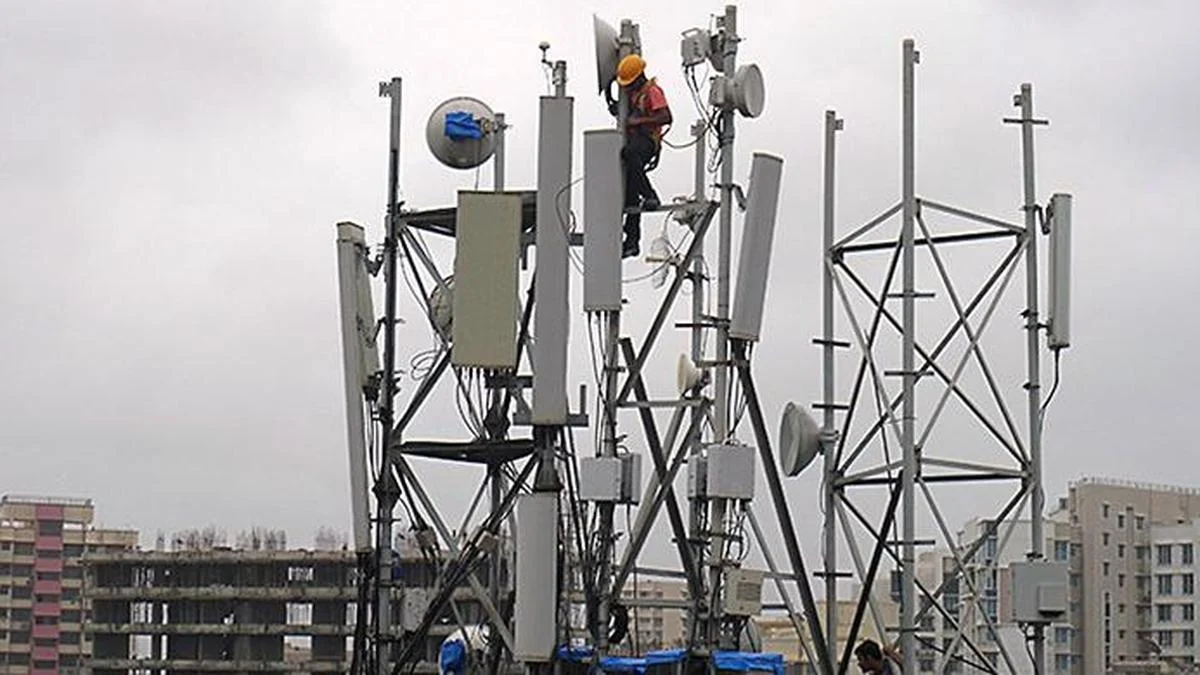
NEW DELHI, India – June 27, 2026 – India’s ambitious journey to modernize its digital infrastructure and regulatory framework reached a significant milestone this month with the notification of a crucial set of rules under the landmark Telecommunications Act, 2023. These new regulations, namely the Telecommunications (Authorisation for Provision of Principal Telecommunication Services) Rules, 2026; the Telecommunications (Authorisation for Captive Telecommunication Services) Rules, 2026; and the Telecommunications (Authorisation for Provision of Miscellaneous Telecommunication Services) Rules, 2026, represent the culmination of a multi-year effort to replace antiquated colonial-era laws with a forward-looking statute designed for the 21st century digital economy.
While the government maintains that the immediate operational changes within India’s vast telecom ecosystem might not be revolutionary, the legislation itself, and its phased implementation, marks a profound shift in how telecommunication services are defined, regulated, and delivered across the nation. Replacing the archaic Indian Telegraph Act, 1885, and the Wireless Telegraphy Act, 1933, the new Act aims to streamline processes, enhance national security, and foster a more vibrant digital India. However, its expansive scope, particularly concerning the regulation of messaging apps and the government’s enhanced powers, has sparked considerable debate among industry stakeholders, civil society groups, and legal experts.
Main Facts: A New Era for Indian Telecommunications
The core objective of the Telecommunications Act, 2023, is to dismantle a labyrinthine regulatory structure inherited from the British Raj and establish a simplified, transparent, and responsive framework. The recent notification of three specific rules in June 2026 replaces the bulk of the traditional licensing regime for telecom operators with a new "authorisation" system. This shift is not merely semantic; it is intended to simplify paperwork, reduce bureaucratic hurdles, and clarify obligations for various service providers, including Internet Service Providers (ISPs).
However, the Act is more than just a simplification exercise. It significantly broadens the definition of "telecommunication," potentially bringing Over-The-Top (OTT) messaging and calling applications under its purview. It also codifies and enhances the government’s powers in areas such as national security, infrastructure seizure during emergencies, and the interception of communications, often retaining provisions that civil society groups had called to reform. Furthermore, it introduces explicit obligations for anti-spam enforcement, a long-standing demand from consumers.
A notable development in its phased implementation has been the renaming of the Universal Service Obligation Fund (USOF) to the Digital Bharat Nidhi. This change reflects a broader mandate for the fund, shifting its focus from merely connecting remote areas to fostering comprehensive digital inclusion and innovation across India. The Act also makes provisions for emerging technologies like satellite internet, though the regulatory path for such services remains complex and subject to ongoing governmental scrutiny.
Chronology of Implementation: A Phased Rollout
The Telecommunications Act, 2023, has not been implemented overnight. Its journey from parliamentary passage to full enforcement has been a carefully orchestrated, multi-stage process, reflecting the complexity of overhauling an entire sector’s legal foundation.
-
December 2023: The Telecommunications Act, 2023, receives presidential assent, officially becoming law. This marked the culmination of years of deliberations, consultations, and revisions from an initial draft bill. The intent was clear: replace a patchwork of outdated laws with a single, comprehensive statute fit for the digital age.
-
June 2024: The first significant parts of the Act were notified for implementation. This initial phase focused on crucial administrative and foundational changes.

- Renaming of USOF to Digital Bharat Nidhi: This was a symbolic yet substantial move. The Universal Service Obligation Fund, established under the Indian Telegraph Act, 1885, had long served as a corpus into which telecom operators contributed a percentage of their revenue. The fund was utilized to subsidize financially unfeasible telecom infrastructure projects in rural and remote areas, ensuring universal access. Its transformation into Digital Bharat Nidhi signaled a pivot towards a broader mandate encompassing digital infrastructure, innovation, and equitable access across all digital services, not just traditional telephony. It aims to support research and development, promote indigenous manufacturing, and bridge the digital divide more holistically.
- Government Powers for Infrastructure Seizure: Another critical provision notified early was the power granted to the Union government to temporarily take control of or seize telecommunication infrastructure on grounds of national security, public emergency, or in times of war. This provision underscores the strategic importance of telecommunication networks for national defense and disaster management, providing the state with explicit legal authority to ensure uninterrupted communication or prevent misuse during critical periods.
-
Subsequent Months (Late 2024 – Early 2026): Over the following months, further sections of the Act were brought into force. A particularly contentious area concerned the framework for lawful interception.
- Interception Orders: Despite concerted lobbying efforts from industry bodies, civil society organizations, and privacy advocates, the government retained the existing structure for issuing phone and internet tapping orders. This means that senior officials continue to hold significant powers to authorize surveillance, often without requiring explicit judicial oversight in every instance. The industry and civil society had pushed for greater safeguards, including judicial review and enhanced transparency, citing concerns about potential misuse and privacy infringations. However, the government maintained that the existing administrative oversight mechanisms, coupled with national security imperatives, were sufficient.
-
June 2026: The most recent and comprehensive set of rules were notified, directly addressing the core operational framework for telecom services.
- Telecommunications (Authorisation for Provision of Principal Telecommunication Services) Rules, 2026: This rule set outlines the conditions and procedures for obtaining authorization to provide fundamental telecommunication services, replacing the traditional licensing regime for major operators.
- Telecommunications (Authorisation for Captive Telecommunication Services) Rules, 2026: This focuses on specific rules for entities seeking to establish and operate private or closed telecommunication networks for their own internal use, such as large enterprises or industrial complexes.
- Telecommunications (Authorisation for Provision of Miscellaneous Telecommunication Services) Rules, 2026: This covers a broader array of niche or specialized telecommunication services that do not fall under the principal or captive categories, ensuring comprehensive coverage under the new authorization framework. These rules collectively aim to simplify compliance, reduce entry barriers for new players, and foster a more dynamic market, albeit with new obligations.
Supporting Data and Key Provisions: Dissecting the Act
The Telecommunications Act, 2023, introduces several pivotal changes and clarifications, each carrying significant implications for India’s digital future.
The Expansive Definition of "Telecommunication"
One of the most debated aspects of the new Act is its broad definition of "telecommunication." Unlike the previous laws which focused primarily on traditional voice calls and telegraphy, the new Act encompasses a wide range of modern communication methods. This expansive definition raises the possibility of regulating Over-The-Top (OTT) communication services, such as WhatsApp, Signal, Telegram, and other internet-based messaging and calling applications.
The government’s intent here has been a source of ongoing speculation and concern. While officials initially downplayed the Act’s implications for messaging apps, past actions by the Department of Telecommunications (DoT) suggest a desire for greater oversight. For instance, in the preceding year, the DoT reportedly attempted to mandate that WhatsApp implement measures such as logging out users from web instances every six hours and "binding" every user to a SIM card. These proposals, ostensibly aimed at curbing spam and enhancing user identification for security purposes, were met with strong resistance from privacy advocates and tech companies, who viewed them as invasive and technically unfeasible. The broad definition in the new Act provides a legal foundation for future regulatory interventions into these platforms, potentially impacting encryption, user anonymity, and data handling.
From USOF to Digital Bharat Nidhi: A Broader Vision
The transformation of the Universal Service Obligation Fund (USOF) into the Digital Bharat Nidhi is more than a mere name change; it signifies an evolution in India’s approach to digital inclusion. The USOF, funded by a percentage of Adjusted Gross Revenue (AGR) from telecom operators, has historically played a crucial role in extending telecom services to rural and underserved areas. While successful in increasing mobile penetration, its scope was limited.
The Digital Bharat Nidhi is envisioned with a broader mandate. It will not only continue to support infrastructure deployment in remote regions but also fund research and development in new telecommunication technologies, promote domestic manufacturing of telecom equipment, support skill development for the digital economy, and facilitate the adoption of emerging technologies like AI and IoT in rural settings. This shift aligns with the government’s "Digital India" vision, aiming for comprehensive digital empowerment rather than just basic connectivity.
Enhanced Government Powers: Security and Surveillance
The Act consolidates and, in some cases, enhances the government’s powers related to national security and public order.

- Seizure of Infrastructure: The ability to seize or control telecom infrastructure during national emergencies, war, or for public safety reasons is a significant provision. This ensures that critical communication channels remain operational and secure under state control during crises, preventing their misuse or disruption by hostile elements.
- Interception Orders: Despite fervent calls from industry and civil society for greater transparency and judicial oversight, the new Act largely retains the existing framework for lawful interception of communications. This means senior government officials can continue to issue orders for phone tapping and internet surveillance. Critics argue that this provision lacks sufficient checks and balances, potentially leading to privacy infringements and a chilling effect on free speech. Proponents, however, contend that these powers are essential tools for law enforcement and national security agencies in combating terrorism, organized crime, and cyber threats.
The Shift to "Authorisation": Streamlining Operations
The new rules introduce the concept of "authorisation" instead of "licensing" for various telecommunication services. This change is aimed at simplifying the regulatory process for telecom operators and ISPs. While the specifics are still being ironed out, the intent is to:
- Reduce Paperwork: Streamline the application and compliance processes, making it easier for new entrants and existing players.
- Clarify Obligations: Provide clearer guidelines on the responsibilities of service providers, particularly concerning quality of service, consumer protection, and security.
- Anti-Spam Enforcement: Explicitly mandate anti-spam measures as an obligation for service providers. With the pervasive issue of unsolicited commercial communications and scam calls, this provision aims to empower regulators and place greater responsibility on operators to curb such nuisances. This could lead to stricter penalties for non-compliance and new technologies to filter unwanted communications.
Satellite Internet: Awaiting Clear Skies
The new telecom act formally recognizes satellite internet as a telecommunication service, a crucial step given the global rise of low-earth orbit (LEO) constellations. However, the regulatory path for these services remains fraught with complexities. The initial draft rules contained explicit references to Global Mobile Personal Communications by Satellite (GMPCS), but these references were notably absent in the final notified rules.
This omission, as highlighted by legal experts from firms like Khaitan & Co, indicates ongoing governmental deliberation and caution. Companies like Starlink, the world’s largest satellite internet provider, have been awaiting approvals to launch and operate in India. The delay is reportedly linked to the government’s concerns regarding its ability to "truly shut off" such services. The use of satellite internet in countries like Iran, often in defiance of local government controls, has raised sovereignty and national security questions for Indian regulators. The government is seeking assurances and mechanisms to ensure regulatory control and lawful interception capabilities before granting full operational approvals, leading to a prolonged wait for providers and potential users.
Official Responses and Industry Perspectives
The government’s overarching narrative surrounding the Telecommunications Act, 2023, has been one of modernization, simplification, and national security. Officials from the Department of Telecommunications (DoT) have consistently emphasized the need to replace outdated laws that were ill-equipped to handle the complexities of modern digital communication. The Act, they argue, provides a robust legal framework to foster innovation, ensure fair competition, protect consumer interests, and safeguard national security in the rapidly evolving digital landscape. The renaming of USOF to Digital Bharat Nidhi, for instance, is presented as a progressive step towards comprehensive digital inclusion.
However, the industry’s response has been a mix of cautious optimism and lingering concerns. While the simplification of the licensing regime to "authorisation" is generally welcomed, many operators are still grappling with the specifics. Law firms like Khaitan & Co have pointed out that "a significant volume of operational detail is still awaited." The practical implementation hinges on "further specifications, including the ‘sound’ track-record criterion, exemption thresholds and technical directions." This lack of granular detail creates uncertainty for businesses planning their investments and operational strategies.
Civil society organizations and digital rights advocates have voiced stronger criticisms, particularly regarding the expanded definition of "telecommunication" and the retained powers of interception. They argue that bringing messaging apps under the ambit of telecom regulations could undermine end-to-end encryption, compromise user privacy, and potentially lead to censorship or surveillance without adequate judicial oversight. The push for SIM-binding and WhatsApp logouts, even if not explicitly enshrined in the final rules, signals a regulatory intent that causes apprehension among proponents of digital freedoms.
The satellite internet sector, in particular, feels the weight of regulatory uncertainty. While the Act acknowledges the technology, the removal of explicit GMPCS references and the ongoing delays for major players like Starlink highlight a cautious, perhaps even protectionist, approach from the government. The balance between fostering cutting-edge connectivity and maintaining sovereign control remains a delicate tightrope walk for policymakers.
Implications: Shaping India’s Digital Future
The Telecommunications Act, 2023, and its subsequent rules are poised to have far-reaching implications across various facets of India’s digital ecosystem.

Impact on Telecom Operators and ISPs
For existing telecom operators and Internet Service Providers, the transition to the new "authorisation" regime offers a choice: migrate now or wait until their current licenses expire. While the government aims for simplification, the migration process itself will entail administrative effort and compliance adjustments. The explicit inclusion of anti-spam enforcement as an obligation will require operators to invest in new technologies and processes to curb unsolicited communications, potentially increasing operational costs but improving customer experience. The clarity (or lack thereof) on "sound track-record criteria" and "exemption thresholds" will be critical for new entrants and smaller players.
Regulation of Digital Communication and Messaging Apps
The most significant implication for the average Indian user and global tech companies operating in India is the potential regulation of messaging and VoIP (Voice over Internet Protocol) apps. If the government decides to fully leverage the broad definition of "telecommunication," these platforms could face requirements similar to traditional telecom operators, including mandates for user identification, data retention, and compliance with interception orders. This could fundamentally alter the privacy and security architecture of apps that rely on end-to-end encryption, potentially leading to a balkanization of the global internet if India’s regulations diverge significantly from global standards. This area will likely remain a battleground between governmental control and digital rights.
National Security and Surveillance
The Act solidifies the government’s position on national security as a paramount concern. The powers to seize infrastructure and issue interception orders, even without enhanced judicial oversight, underscore a strong state prerogative. While framed as essential for combating threats, these provisions raise legitimate concerns about the scope of surveillance, the potential for misuse, and the protection of individual privacy and civil liberties. The ongoing debate between state security and individual rights will intensify as these powers are exercised.
Digital Inclusion and Innovation
The transformation of USOF into Digital Bharat Nidhi holds immense potential for driving digital inclusion and fostering innovation. By broadening the fund’s mandate, the government aims to create a more equitable digital landscape, bringing not just connectivity but also digital literacy, skills, and access to advanced services to underserved populations. This could spur a new wave of indigenous innovation in telecom hardware and software, aligning with the "Make in India" initiative. However, the effectiveness of this new fund will depend on transparent allocation, efficient project execution, and measurable outcomes.
The Future of Satellite Internet
The cautious approach towards satellite internet, exemplified by the removal of explicit GMPCS references and the delays for Starlink, suggests that India is prioritizing regulatory control and national sovereignty. While this might temporarily slow the adoption of these advanced connectivity solutions, it also signals the government’s intent to ensure that such services operate within India’s legal and security frameworks. A clear, predictable regulatory pathway is essential for unlocking the full potential of satellite internet, particularly in geographically challenging regions where terrestrial networks are unfeasible. The ongoing negotiations and policy refinements in this space will be keenly watched by global players.
In conclusion, the Telecommunications Act, 2023, and its phased implementation, culminating in the recent rule notifications, represent a monumental step in India’s regulatory evolution. It aims to propel the nation into a new era of digital connectivity and innovation, shedding the vestiges of colonial legislation. However, the expansive powers granted to the government, particularly concerning digital communication platforms and surveillance, coupled with lingering uncertainties in specific operational details and emerging technologies like satellite internet, ensure that the journey to a fully modernized and harmonized telecom landscape will continue to be dynamic, challenging, and closely scrutinized. The coming years will reveal the true impact of this transformative legislation on India’s vast and rapidly growing digital economy.
