

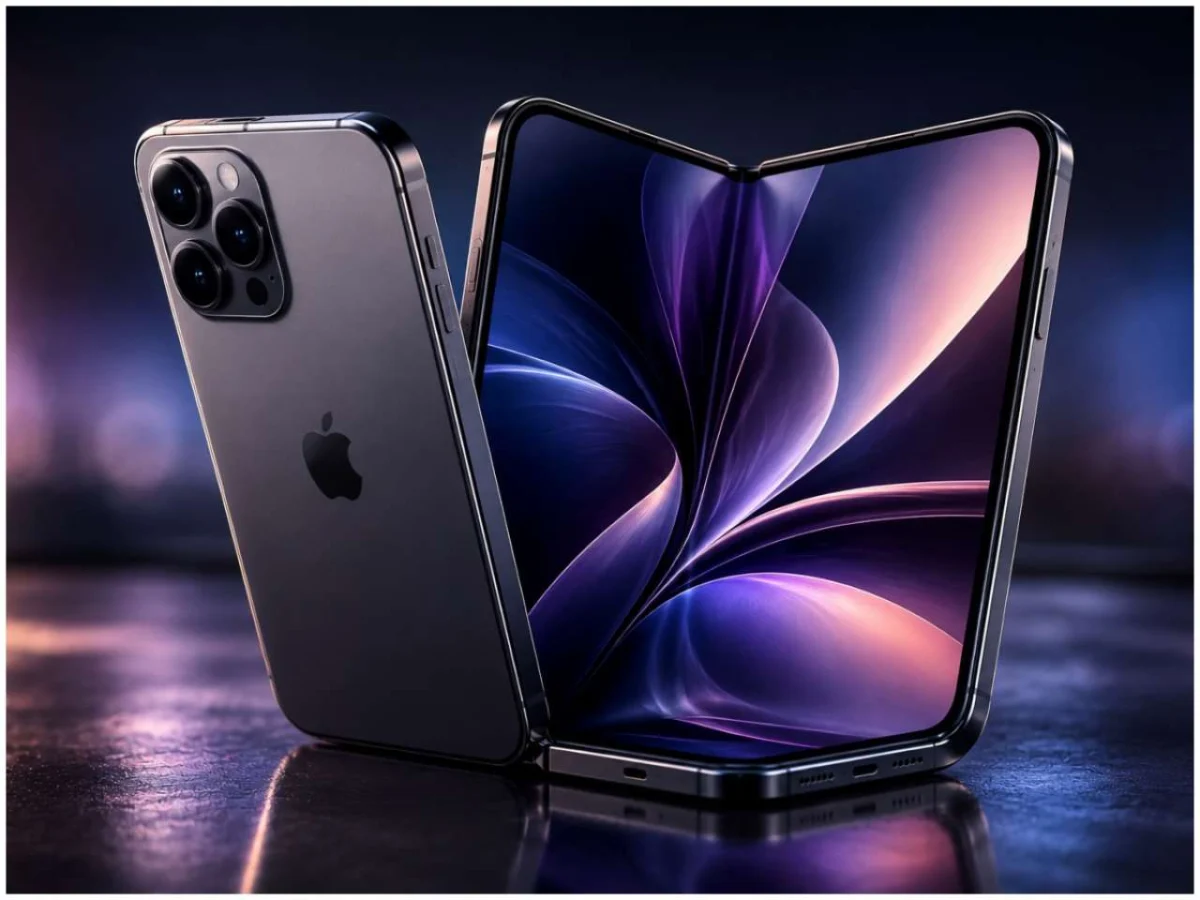
The Foldable Frontier: Apple’s Entry Heats Up
CUPERTINO, CA – The tech world is abuzz with renewed excitement as fresh clues unearthed within the latest iOS 27 developer beta have catapulted Apple’s long-rumored foldable iPhone back into the spotlight. What was once the subject of sporadic patents and industry whispers now appears to be moving closer to reality, with developers reporting tangible software references that strongly suggest Apple is actively developing a device with a flexible display. This revelation marks a pivotal moment, shifting the conversation from distant speculation to the potential for an imminent launch, possibly alongside the highly anticipated iPhone 18 series later this year.
For years, the prospect of an Apple-designed foldable device has captivated consumers and analysts alike, with the company’s meticulous approach to product development often leading to a later, yet highly refined, entry into emerging categories. With competitors like Samsung, Huawei, and Google having already staked their claims in the foldable market, the pressure on Apple to unveil its own interpretation has steadily mounted. The discoveries within iOS 27, coupled with detailed hardware leaks, paint a compelling picture of a device that could redefine the foldable experience, blending innovative design with Apple’s signature ecosystem integration.
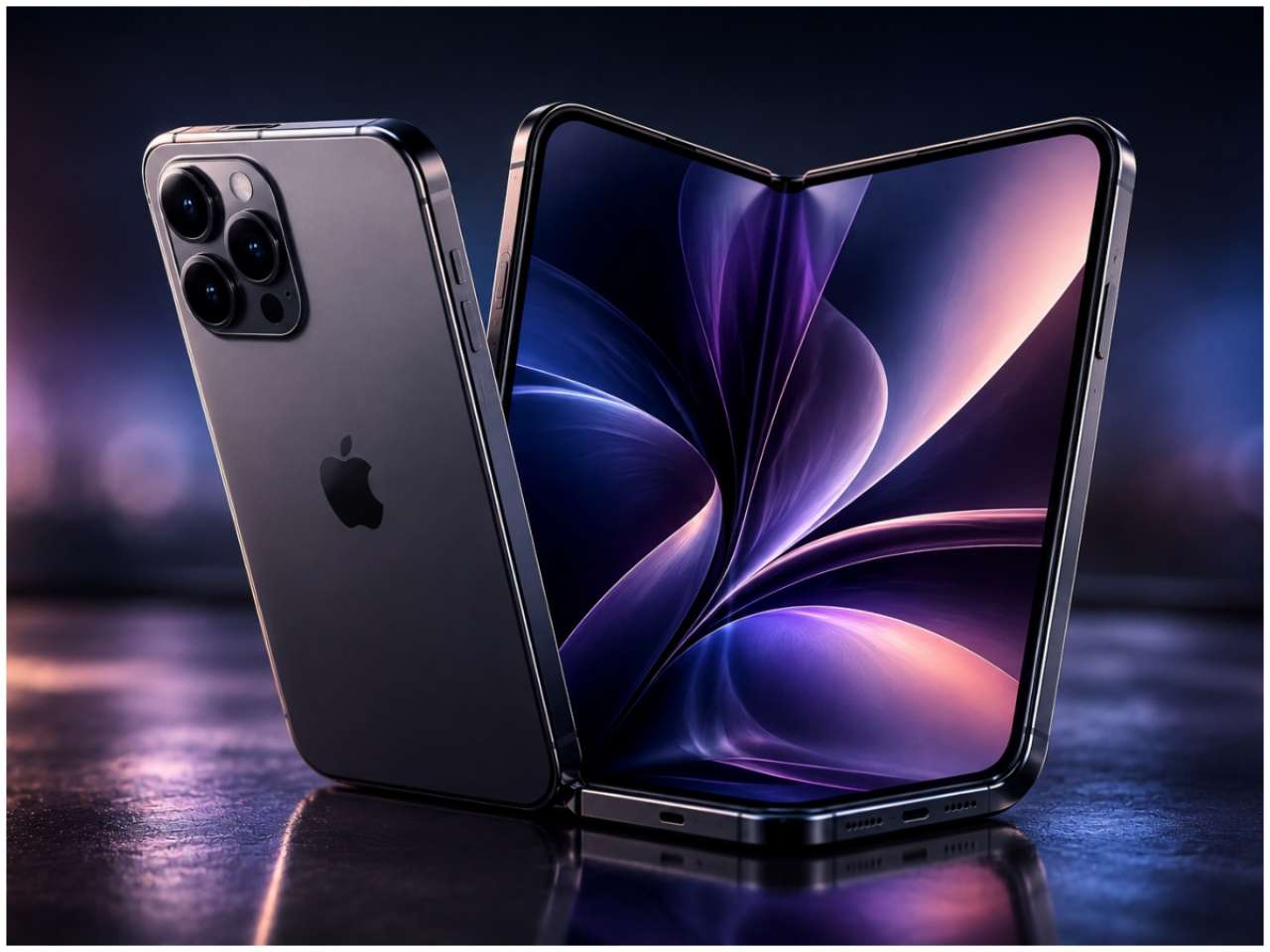
A Decades-Long Pursuit: The Chronology of Apple’s Foldable Ambitions
The idea of a foldable smartphone from Apple is far from new. The company’s interest in flexible display technology dates back over a decade, with numerous patents filed outlining various hinge mechanisms, display technologies, and software adaptations for devices that can bend or fold. These early patent filings, often viewed as exploratory rather than indicative of immediate product plans, nonetheless laid the groundwork for what could eventually become a commercial product.
Early Explorations and Patent Filings
As early as 2013, Apple was granted a patent for an "Electronic device with flexible display," describing a design that could fold in half. Subsequent patents delved into more complex hinge designs, self-healing screen materials, and even devices with multiple foldable sections. These documents showcased Apple’s comprehensive investigation into the engineering challenges and user experience possibilities presented by flexible displays. While these patents offered a glimpse into Apple’s research and development efforts, they rarely translated directly into consumer products, serving instead as a testament to the company’s long-term strategic thinking.
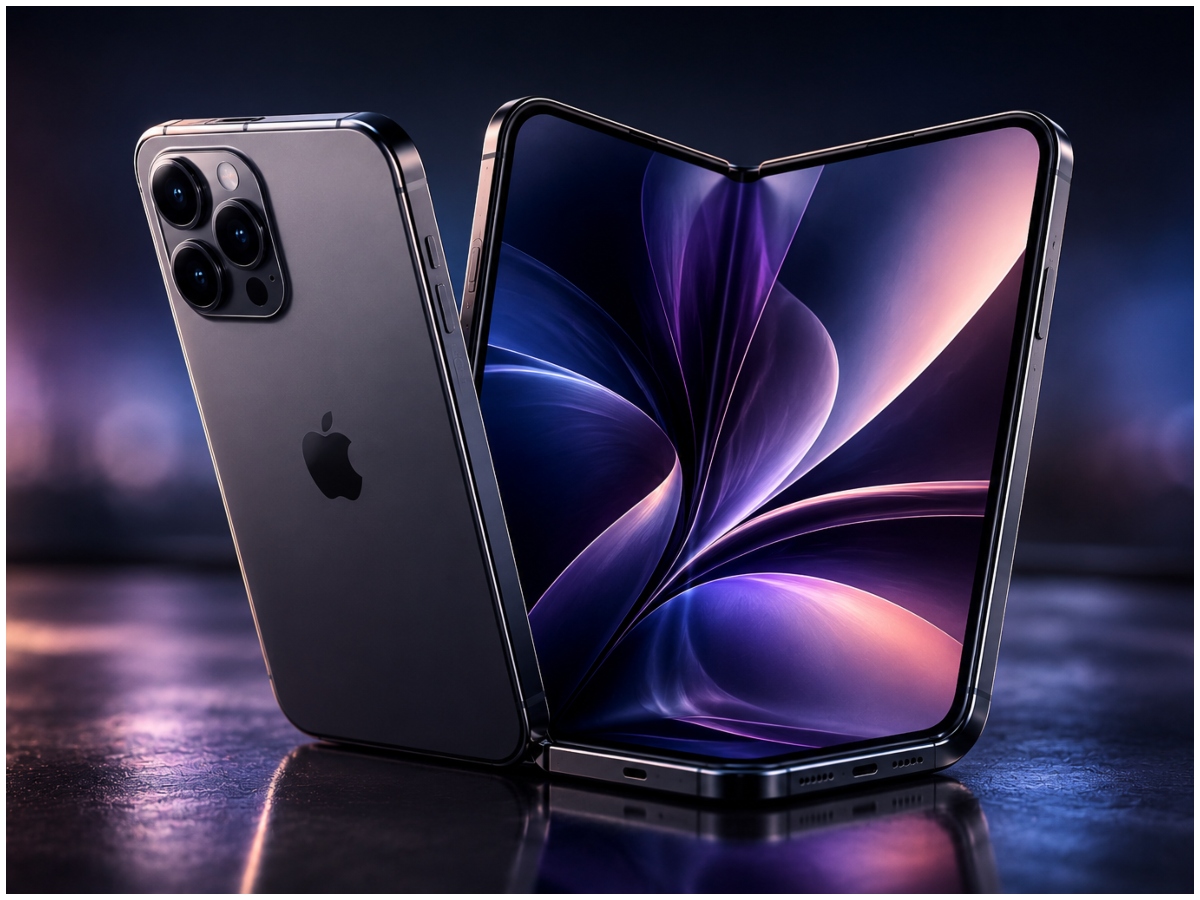)
The Rise of Competitors and Market Pressure
The landscape of the smartphone industry began to transform dramatically with the introduction of Samsung’s Galaxy Fold in 2019, followed by offerings from Huawei, Motorola, and more recently, Google with its Pixel Fold. These devices, despite initial durability concerns and premium price tags, demonstrated the viability and growing appeal of the foldable form factor. As the technology matured and sales figures for foldables began to climb, the absence of an Apple contender became increasingly conspicuous. Industry analysts often debated Apple’s strategy: would they rush to market with a potentially unrefined product, or would they uphold their tradition of waiting until the technology was perfected, ready to deliver a "magical" user experience?
The Shifting Tides of Speculation
Prior to the iOS 27 beta revelations, speculation surrounding an Apple foldable primarily revolved around supply chain reports and predictions from prominent analysts like Ming-Chi Kuo and Mark Gurman. Kuo, known for his accurate supply chain insights, had previously suggested that Apple was indeed working on a foldable device, though he often pointed to a launch window further in the future, possibly around 2026 or 2027, and sometimes for a larger, iPad-like foldable rather than an iPhone. Gurman, from Bloomberg, also hinted at Apple’s exploration of foldable technology, including discussions about foldable iPads or MacBooks, suggesting a broader strategy beyond just a phone. These reports, while credible, lacked the concrete, in-house software evidence that has now emerged.

iOS 27: The Game Changer
The release of the first developer beta of iOS 27 has fundamentally altered the narrative. For the first time, developers digging through Apple’s own code have found explicit references and functionalities that are difficult to interpret as anything other than support for a foldable device. This internal software evidence provides a level of validation that external reports, however well-sourced, could not match. It signals that Apple’s foldable project is not just a concept or a patent, but a device actively being integrated into the company’s core operating system, suggesting a much more advanced stage of development. The timing of these discoveries, coinciding with the typical pre-launch hype cycle for new iPhones, has fueled expectations of a potential unveiling sooner rather than later.
Unpacking the Clues: Supporting Data from iOS 27 and Beyond
The recent discoveries within the iOS 27 beta are not merely vague hints but rather specific code references and feature implementations that paint a detailed picture of what an Apple foldable device might entail. These software insights are further complemented by leaked hardware specifications, offering a comprehensive look at the potential device.
)
Deep Dive into iOS 27 Beta Discoveries
Developers and tech enthusiasts meticulously analyzing the iOS 27 beta have reported several compelling pieces of evidence:
- "Foldslate" and "AngleDegrees" References: Hidden within the software code are mechanisms such as ‘Foldslate’ and ‘AngleDegrees’. The term ‘Foldslate’ itself suggests a device that can fold, possibly combining the functionalities of a phone ("slate") and a folded form factor. ‘AngleDegrees’ strongly implies the presence of a hinge mechanism that can report its open angle, a crucial component for any foldable device to adapt its UI based on its physical state (e.g., half-folded for tent mode, fully open for tablet mode). These terms are foundational for a foldable’s operating system to interact with its unique hardware.
- Multi-Display Support: Perhaps the most compelling evidence comes from references to repair tools and software support designed for an iPhone with "more than a single display." Current iPhones, while featuring advanced displays, are single-panel devices. The explicit mention of support for multiple displays, particularly in the context of diagnostic and repair tools, indicates that Apple is preparing its service network and software infrastructure for a device with a different screen configuration – a hallmark of foldable smartphones which typically feature an outer cover display and a larger inner folding display. This isn’t just about software features; it’s about the entire product lifecycle, from manufacturing to repair.
Software Optimizations for a Larger Canvas
Beyond explicit foldable references, iOS 27 introduces several features that appear strategically optimized for a larger screen, which would be a natural characteristic of an unfolded foldable iPhone:
)
- Enhanced Multitasking Capabilities: While iOS has long offered split-screen and slide-over multitasking on iPads, iOS 27 reportedly brings further refinements that would be particularly beneficial on an expanded phone screen. Imagine running two full-sized iPhone apps side-by-side on a 7.8-inch internal display, a capability currently limited by the physical dimensions of traditional iPhones. These improvements suggest Apple is preparing for a device that encourages more intensive productivity tasks on a handheld form factor.
- Adaptive UI Elements: The new OS version includes UI elements and scaling options that appear to be more flexible and adaptive, capable of resizing and rearranging content dynamically based on screen orientation and size. This is critical for a foldable, where the user might transition seamlessly from a compact external display to a larger internal one, requiring the interface to adjust instantly without jarring transitions.
- Optimized Keyboard Layouts: Larger screen real estate often necessitates different keyboard layouts. iOS 27 might include enhancements for wider keyboards, potentially offering a more desktop-like typing experience when unfolded, or even a split keyboard for thumb-typing on a larger screen.
- macOS 27 iPhone Mirroring Improvements: Coinciding with iOS 27, macOS 27 brings significant improvements to iPhone Mirroring. Specifically, it allows users to resize the mirrored iPhone screen into a "wider format" on their Macs. This seemingly innocuous feature could be a direct nod to the aspect ratio of the unfolded internal display of the rumored foldable iPhone. If the internal screen adopts a wider or more square aspect ratio than current iPhones, mirroring it in a "wider format" on a Mac would provide a more accurate and useful representation, further hinting at the device’s unique dimensions.
Hardware Leaks and Specifications: A Glimpse at the Physical Device
Complementing the software clues, various hardware leaks, notably from Mac Rumours, have provided a detailed speculative blueprint of the potential foldable iPhone:
- Book-Like Design: The device is expected to feature a "book-like design," a popular form factor among existing foldables (e.g., Samsung Galaxy Z Fold series, Google Pixel Fold). This design typically involves a large internal screen that folds inward like a book, protected by an external cover display. This choice suggests a focus on maximizing internal screen real estate for productivity and media consumption.
- Dual Display Configuration:
- Outer Display: A 5.5-inch outer display is rumored, providing a compact and fully functional smartphone experience when folded. This size is comparable to smaller iPhones and is generally considered ergonomic for one-handed use.
- Inner Display: The internal, unfolded screen is expected to be a 7.8-inch OLED panel. This size positions the device firmly between a large smartphone and a small tablet, hence the "smaller version of an iPad" comparison. An OLED panel guarantees vibrant colors, deep blacks, and excellent contrast, a hallmark of Apple’s premium displays.
- Aspect Ratio: The internal display is anticipated to have a 4:3 aspect ratio when unfolded. This is a significant departure from the taller, narrower aspect ratios common in modern smartphones and even traditional iPads (which are closer to 4:3 or 3:2). A 4:3 aspect ratio is ideal for tasks like reading, web browsing, and multitasking with two apps side-by-side, offering more vertical space than wider screens.
- Ultra-Thin Titanium Frame: The device could feature an ultra-thin 4.5 mm titanium frame. Titanium is known for its high strength-to-weight ratio and durability, making it an excellent choice for a premium foldable device that needs to be both robust and lightweight. The 4.5mm thickness would refer to the device’s profile when unfolded, making it remarkably slim.
- Button Placement and Action Button Absence: The volume buttons are rumored to be positioned on the top edge when unfolded. Interestingly, the leaks also suggest the absence of Apple’s Action Button, a customizable physical button introduced with the iPhone 15 Pro series. This omission, if true, could indicate a design choice driven by the unique form factor, perhaps to simplify the external design or integrate its functionality elsewhere.
- Color Option: Initial leaks suggest the foldable iPhone might debut in a single white color only. This strategy is not uncommon for Apple, often launching a new product category with limited color options before expanding in subsequent generations.
Contextualizing the Specifications
These rumored specifications place Apple’s foldable firmly in the premium segment, directly competing with devices like the Samsung Galaxy Z Fold 5 (6.2-inch outer, 7.6-inch inner) and the Google Pixel Fold (5.8-inch outer, 7.6-inch inner). The slightly larger 7.8-inch internal display and 4:3 aspect ratio would offer a distinct advantage for productivity and media consumption, potentially creating a more "tablet-like" experience than some current foldables. The use of titanium and Apple’s presumed focus on hinge durability would also be key differentiators in a market where these aspects are still evolving.
)
The Silence of Cupertino: Official Responses and Analyst Perspectives
Apple’s public relations strategy regarding unreleased products is famously guarded. The company maintains a strict policy of not commenting on rumors or speculation, a stance that has been unwavering for decades. This traditional silence, while frustrating for eager consumers and journalists, is a deliberate strategy to control the narrative, prevent premature expectations, and maintain an element of surprise for their meticulously choreographed product launches.
Interpreting Apple’s Silence
In the context of the foldable iPhone, Apple’s silence serves to both fuel excitement and maintain an aura of mystery. The absence of official statements means that every leak, every patent, and now, every line of code in a beta OS, is scrutinized intensely. While the company will not confirm the existence of a foldable iPhone until it is ready for an official announcement, the internal evidence within iOS 27 is, for many, as close to an "official" hint as Apple is likely to give prior to a keynote event. The company’s focus is on delivering a polished product, not on engaging in pre-release speculation.
)
Insights from Industry Analysts
Despite Apple’s silence, prominent industry analysts and journalists with deep supply chain contacts have consistently weighed in on the foldable iPhone’s prospects. Their perspectives often offer crucial context and help to reconcile conflicting timelines or details:
- Reconciling Timelines: The original article presents a contradiction: "expected launch in 2026" and "expected to be launched in September this year along with iPhone 18 Pro and iPhone 18 Pro Max." This discrepancy can be clarified by analyst insights.
- Ming-Chi Kuo and Mark Gurman have, at various times, pointed to 2026 or 2027 for larger foldable devices from Apple, such as a foldable iPad or even a MacBook. It’s plausible that Apple has multiple foldable projects in various stages of development.
- The immediate clues in iOS 27, however, strongly suggest a device that is much closer to launch, making a "later this year" or "September" timeframe for an iPhone-sized foldable more plausible. Analysts might distinguish between an initial foldable iPhone and later, more ambitious foldable devices. It’s possible the "2026" date refers to a second-generation device, or a larger form factor entirely, while the current software points to a more immediate iPhone launch. The narrative here would be that the iOS 27 beta points to this specific foldable iPhone being ready sooner than some of the broader foldable projects previously speculated for later years.
- Supply Chain Indicators: While direct quotes from Apple’s supply chain partners are rare, analysts often glean information from component orders, manufacturing ramp-ups, and technology roadmaps of display makers (like Samsung Display or LG Display) and hinge manufacturers. Reports of Apple actively testing various display technologies and hinge designs have been circulating for years, lending credence to the idea that the company has been diligently working on this project. The sudden appearance of software hooks in iOS 27 suggests that the hardware development has reached a mature enough stage to warrant deep OS integration.
- Apple’s Meticulous Process: Analysts often highlight Apple’s characteristic patience. The company typically waits for new technologies to mature, allowing early adopters and competitors to iron out initial kinks, before entering a market with a highly refined and polished product. This strategy has been observed with products like the Apple Watch, AirPods, and even the iPhone itself. For foldables, this would mean Apple has likely spent years perfecting the hinge mechanism, crease minimization, and display durability – areas where early foldable devices faced significant challenges.
The lack of an official statement from Apple is therefore not an indication of inactivity, but rather a standard operating procedure. The company will likely remain tight-lipped until it is ready to unveil the product on its own terms, leaving the tech community to piece together the puzzle from the breadcrumbs left in its software and supply chain.
)
Far-Reaching Implications: Impact on Apple, Industry, and Consumers
The potential launch of an Apple foldable iPhone is not merely another product release; it represents a significant strategic move with profound implications for Apple, the broader smartphone industry, and consumers worldwide.
Implications for Apple
- Reinvigorating Innovation Narrative: Apple has faced criticism in recent years for perceived incremental updates to its flagship iPhone line. A truly innovative foldable device would strongly reaffirm Apple’s reputation as a pioneer in consumer technology, demonstrating its capability to push boundaries and redefine user experiences. It would signal to the market that Apple remains at the forefront of hardware and software integration.
- Solidifying Market Position: The foldable market, while still niche, is growing rapidly. Apple’s entry would instantly lend massive credibility to the category and secure its position in this emerging segment. It would also allow Apple to capture a new premium demographic seeking cutting-edge form factors.
- Ecosystem Expansion and Synergy: A foldable iPhone would seamlessly integrate into Apple’s robust ecosystem. Features like Continuity, Handoff, AirDrop, and iCloud would extend to the new form factor, offering a cohesive experience. The larger internal display would open new possibilities for existing apps, potentially spurring developers to optimize their applications for the unique capabilities of a foldable screen, much like they did for the iPad.
- Addressing Competitive Pressure: With Samsung, Google, and others making strides in the foldable space, an Apple foldable would directly address the competitive pressure and offer an alternative for users who might have otherwise considered switching to a rival brand for a foldable experience.
- Potential Challenges:
- Price Point: An Apple foldable is almost certainly going to be a premium product, likely exceeding the cost of current Pro Max iPhones. This could limit its initial market penetration.
- Durability Concerns: Despite advancements, foldable displays still face scrutiny regarding durability, crease visibility, and long-term reliability. Apple’s reputation for quality means any durability issues would be magnified, requiring robust engineering solutions.
- Manufacturing Complexity: Producing foldable devices at Apple’s scale presents significant manufacturing and supply chain challenges, particularly for complex hinge mechanisms and flexible displays.
Implications for the Foldable Market
- Mainstream Validation: Apple’s entry would be the ultimate validation for the foldable smartphone category. The "Apple effect" often leads to wider consumer adoption and acceptance of new technologies, transforming niche products into mainstream staples. This would likely accelerate the growth of the entire foldable market.
- Increased Competition and Innovation: Apple’s participation would undoubtedly intensify competition. Other manufacturers would be compelled to innovate further, refine their designs, and enhance their software experiences to keep pace, leading to a more dynamic and competitive market beneficial for consumers.
- Setting New Benchmarks: Apple’s meticulous design philosophy and software integration could set new industry benchmarks for foldable devices, particularly in areas like hinge durability, software optimization for the flexible display, and the overall user interface experience. This could influence future foldable designs across the industry.
- Standardization: As Apple enters a new category, it often brings its influence to bear on component suppliers and manufacturing processes, potentially leading to greater standardization in key areas like display technology or hinge mechanisms, which could ultimately drive down costs across the industry.
Implications for Consumers
- New Form Factor Choices: Consumers would gain a compelling new option in the premium smartphone market. A foldable iPhone offers the best of both worlds: a compact phone when folded and a large, immersive screen when unfolded, catering to diverse usage scenarios.
- Enhanced Productivity and Entertainment: The larger internal screen would significantly enhance productivity tasks like multitasking, document editing, and professional communication. For entertainment, it would provide a more cinematic experience for videos and a larger canvas for mobile gaming.
- Potential for High Price and Exclusivity: As a flagship product, the foldable iPhone would likely be priced at the very high end, making it an aspirational device for many. This could initially limit its accessibility to a broader consumer base.
- Continued Durability Scrutiny: Despite Apple’s engineering prowess, consumers will likely approach the first-generation foldable iPhone with cautious optimism regarding its long-term durability, especially concerning the display and hinge mechanism. Apple’s warranty and repair policies for such a device will be under intense scrutiny.
- Evolving User Experience: Users will need to adapt to a new way of interacting with their device, switching between folded and unfolded modes. Apple’s software optimization will be key to making this transition seamless and intuitive.
Future Outlook: Beyond the iPhone
The term "Foldslate" found in the iOS 27 beta could hint at Apple’s broader foldable ambitions beyond just an iPhone. It suggests the possibility of a device that blurs the lines between a phone and a tablet. This could pave the way for future foldable iPads or even MacBook-like devices, creating entirely new product categories and interaction paradigms within the Apple ecosystem. The introduction of a foldable iPhone would likely be the first step in a long-term strategy to incorporate flexible display technology across Apple’s entire product line, ultimately reshaping how users interact with their personal computing devices.
)
Conclusion: A New Chapter for Apple
The discovery of compelling clues within the iOS 27 beta has transformed the long-standing rumor of an Apple foldable iPhone into a tangible near-term possibility. From specific code references like ‘Foldslate’ and ‘AngleDegrees’ to software optimizations for larger screens and detailed hardware leaks pointing to a book-like design with a 7.8-inch internal OLED display, the evidence is mounting. While Apple maintains its characteristic silence, the collective insights from developers and analysts suggest that Cupertino is poised to enter the foldable market, potentially as early as September alongside the iPhone 18 series.
Such a launch would not only mark a significant milestone for Apple, reasserting its innovative spirit, but also validate and invigorate the entire foldable smartphone industry. Consumers stand to gain a powerful new form factor that blends portability with an expansive digital canvas, albeit likely at a premium price. As the tech world eagerly awaits Apple’s official unveiling, the anticipation for a truly Apple-designed foldable experience has never been higher, promising a new chapter in smartphone evolution.
