

Seoul, Korea Republic – The dream of FIFA World Cup glory for South Korea turned into a nightmare this past weekend, culminating in the resignation of head coach Hong Myung-bo and an unprecedented outpouring of public fury. Following the Taeguk Warriors’ premature exit from the group stage of the FIFA World Cup 2026, Hong, once revered as the nation’s "Eternal Captain," faced a brutal reception upon his return home, highlighting the intense pressure and profound emotional investment that accompanies national football in the Republic of Korea.
What began as widespread disappointment quickly escalated into a collective national outrage, targeting the coach with a ferocity rarely seen even in the cutthroat world of international football. From a humiliating airport confrontation to symbolic public shaming and even commercial blacklisting, Hong Myung-bo’s fall from grace has become a stark reminder of the unforgiving nature of fan expectations when national pride is on the line.
The Humiliating Return: A Nation’s Fury Erupts at Incheon Airport
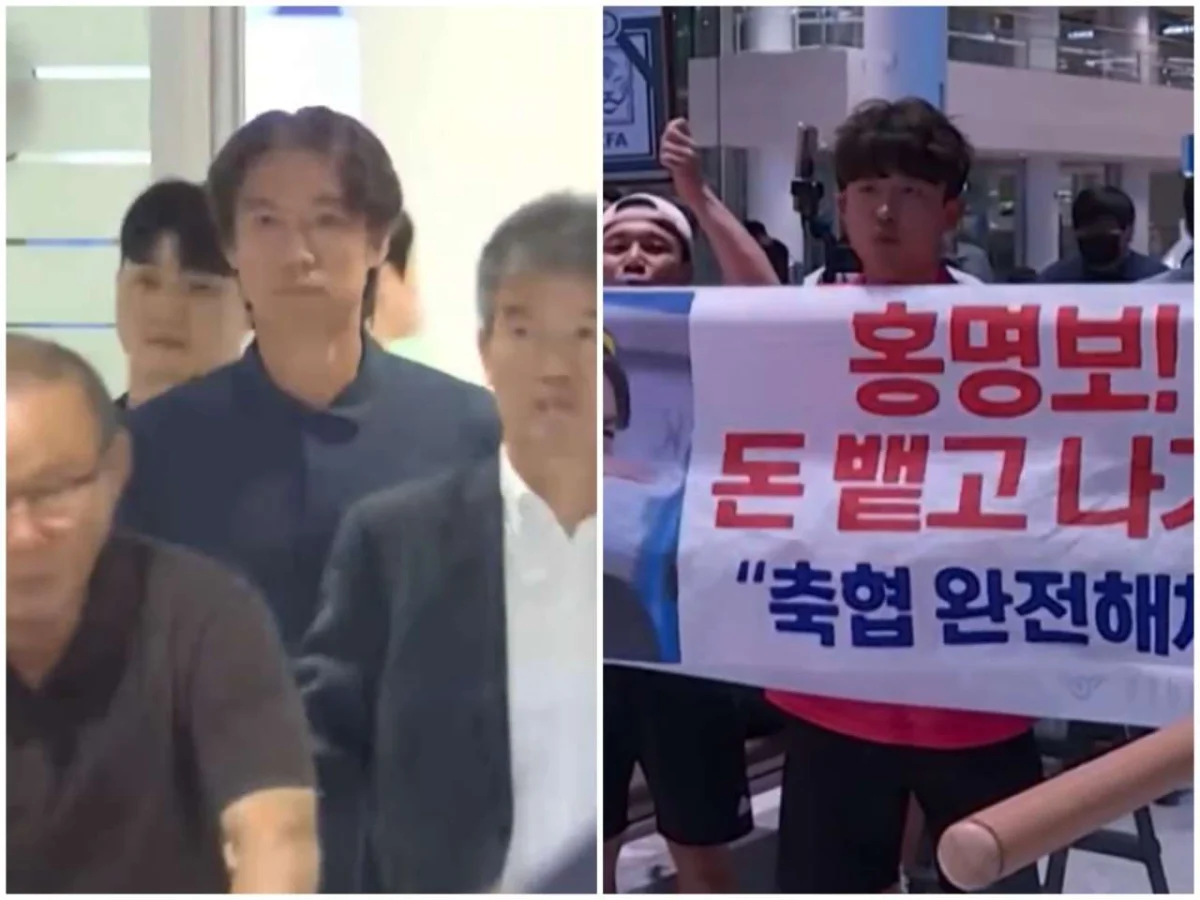
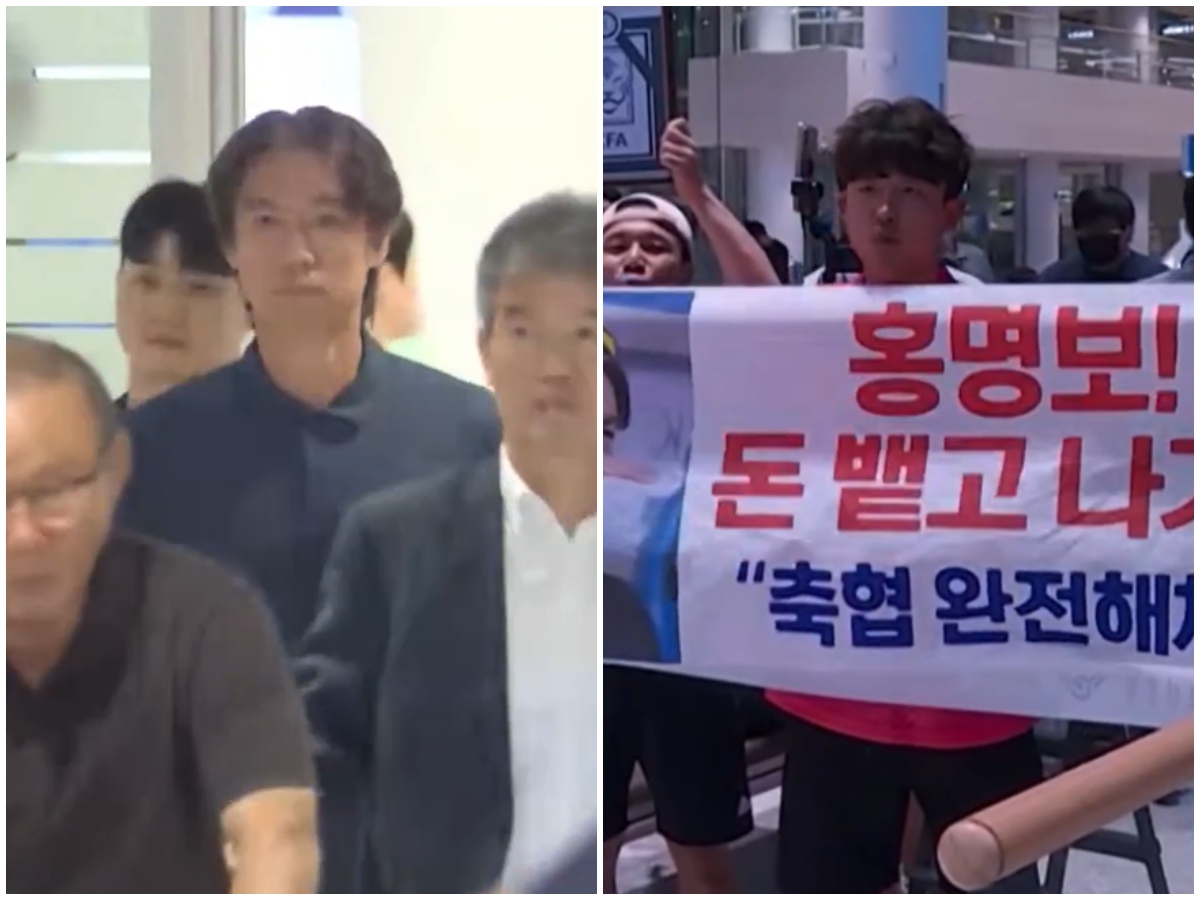
The most immediate and visually striking manifestation of the public’s anger occurred in the early hours of Sunday morning, upon the team’s arrival at Incheon International Airport. Anticipating a hostile reception, coach Hong Myung-bo and several key players had opted for a discreet return, scheduling their flight to arrive at 4 AM, hoping to slip past the expected crowds under the cloak of darkness. This "sneaky airport escape plan," however, ended in spectacular failure.
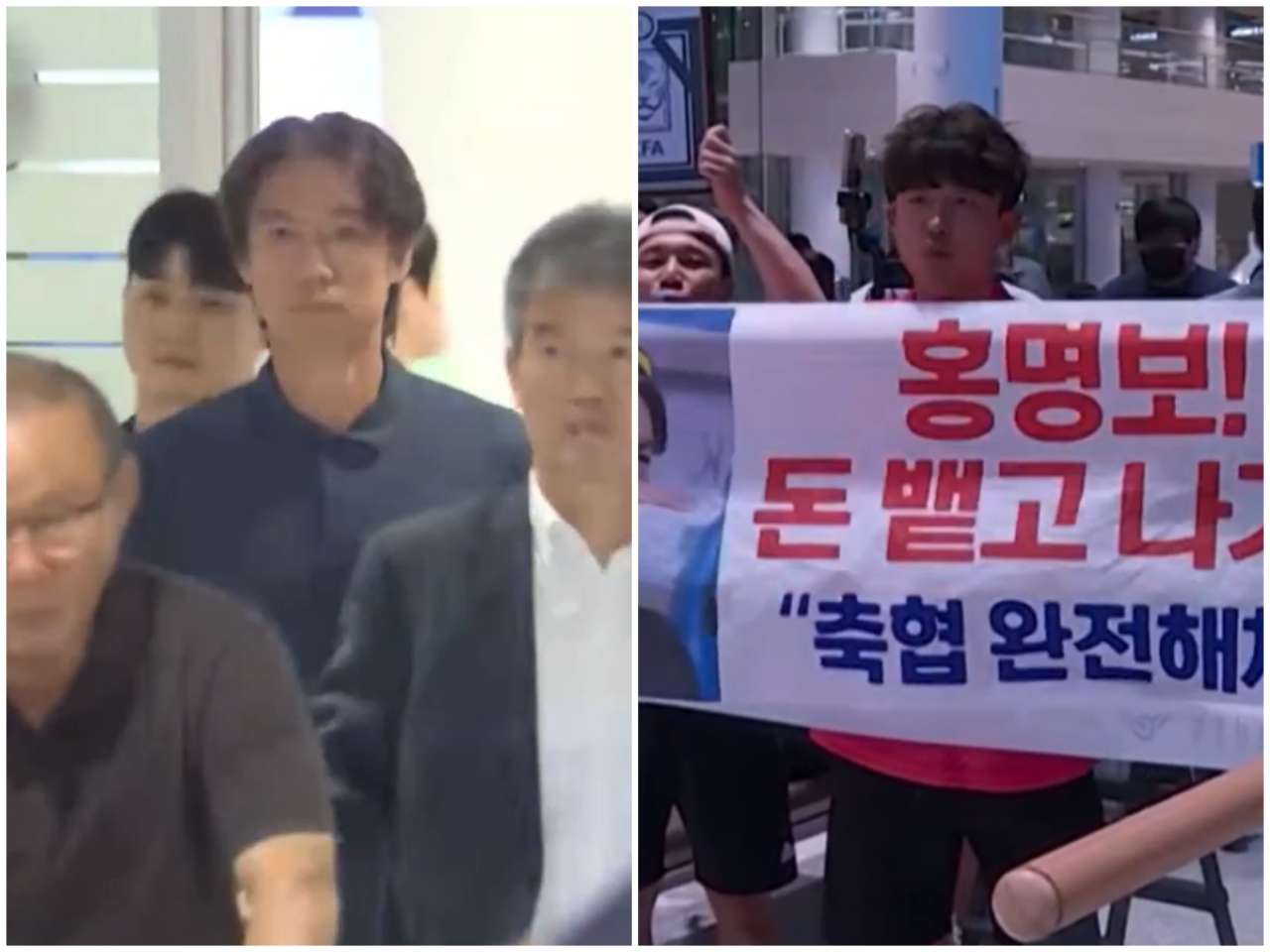
Despite the pre-dawn hour, a substantial throng of angry fans had gathered, their numbers far exceeding what the team’s management had anticipated. Armed with drums, banners, and an arsenal of grievances, they transformed the arrival hall into a cacophony of protest. Video captures, which rapidly went viral across social media platforms and news outlets, show a visibly uncomfortable Hong and his players navigating a gauntlet of furious supporters. Loud chants of "Hong Myung-bo out!" reverberated through the terminal, punctuated by a barrage of insults and curses directed squarely at the embattled coach. The rhythmic pounding of drums added a tribal, almost menacing, undertone to the protest, underscoring the depth of the public’s frustration and sense of betrayal. The images painted a vivid picture of a team not welcomed home, but rather condemned, a stark and public indictment of their performance on the world stage.
)
World Cup 2026: An Early Exit and Shattered Hopes
The catalyst for this widespread discontent was South Korea’s disappointing performance at the FIFA World Cup 2026. Despite the tournament’s expansion to an unprecedented 48 teams – a format designed to offer more opportunities for nations to progress, including the eight best third-placed teams from the group stage – South Korea failed to advance to the knockout rounds.
Competing in Group A, the Taeguk Warriors managed a meager return of just three points from their three matches. Their campaign concluded with a single victory and two significant losses, leaving them in third place within their group. Crucially, this points tally was insufficient to secure one of the coveted spots allocated to the best third-placed nations, sealing their early exit and dashing the hopes of millions of Koreans who had anticipated a far more competitive showing. The inability to capitalize on the expanded format, which theoretically offered a wider margin for error, only amplified the sense of underachievement and fueled the public’s anger. For a nation with a proud footballing history and high aspirations, a group stage elimination, particularly under these circumstances, was deemed unacceptable.

Hong Myung-bo’s Legacy: From ‘Eternal Captain’ to Public Scrutiny
The intensity of the backlash against Hong Myung-bo is particularly striking given his revered status in South Korean football history. Before embarking on his coaching career, Hong was an iconic figure on the pitch. As a formidable defender and the captain of the national team, he earned the moniker "Eternal Captain." His playing career was highlighted by leading South Korea to a historic semi-final finish at the 2002 FIFA World Cup, co-hosted with Japan – an unprecedented achievement for an Asian nation. He also guided the U-23 national team to a bronze medal at the 2012 London Olympics, further solidifying his reputation as a capable leader and tactical mind.
This illustrious playing and early coaching career set an extremely high benchmark for his tenure as senior national team coach. Fans remembered his tactical acumen, his leadership, and his ability to inspire teams to exceed expectations. Therefore, the team’s uninspired performance in the World Cup 2026 was not just a failure of the current squad, but, in the eyes of many, a profound personal failure of a national hero who was expected to uphold and elevate the nation’s footballing pride. The stark contrast between his celebrated past and the team’s recent struggles created a fertile ground for public frustration to fester and eventually explode.
)
The Escalation of Public Outrage: Beyond Airport Chants
The airport protest, while dramatic, was merely the opening salvo in a broader campaign of public disapproval that quickly permeated various facets of South Korean society. The anger directed at Hong Myung-bo transcended mere verbal criticism, manifesting in unprecedented acts of public shaming and commercial ostracization.
Blurred Identity: A Coach Deemed ‘Unfit’ for Public Broadcast
Perhaps one of the most symbolic and chilling demonstrations of the public’s disdain came from a national broadcaster. In a move that sent shockwaves through the country and garnered international attention, a clip from the national broadcaster KBS showed Hong Myung-bo’s face digitally blurred. This practice is typically reserved for individuals suspected of or charged with serious crimes, or those whose identities are being protected due to privacy concerns. To apply such a filter to the head coach of the national football team, regardless of his recent performance, was an extraordinary act. It implicitly conveyed a message that Hong was, in the public eye, being treated as if he had committed a grave offense, or was somehow deemed "unfit" for clear public viewing. This highly unusual action by a mainstream media outlet underscored the profound level of disaffection and anger that had gripped the nation.
)
Commercial Blacklisting: Businesses Bar Former Icon
Adding another layer to the public’s collective condemnation, several online posts revealed that the backlash had spilled into everyday life, with local businesses taking extreme measures. Reports and images circulated showing various stores across South Korea displaying signs on their doors explicitly banning Hong Myung-bo from entering their premises. These signs, often handwritten or crudely printed, were a visceral manifestation of the public’s personal rejection of the coach. While likely symbolic gestures rather than enforceable bans, they served as powerful public statements from ordinary citizens and small business owners, demonstrating the widespread and deeply personal nature of the anger. The sight of a national hero being effectively blacklisted from commercial establishments painted a grim picture of his diminished standing and the extent to which his failure was being internalized by the populace.
The Digital Onslaught: Social Media’s Unrelenting Barrage
The online realm, predictably, became another major battleground for public outrage. Social media platforms were inundated with posts, memes, and comments expressing disgust and demanding accountability. Beyond the calls for resignation, specific hashtags and trending topics reflected the sentiment of betrayal. The viral videos from the airport, showing fans beating drums and chanting "Hong Myung-bo out!" along with a litany of curses and insults, were shared endlessly. Users dissected every aspect of the team’s performance, critiquing tactical decisions, player selections, and the overall leadership. The digital onslaught served as both an echo chamber and an accelerant for the public’s anger, ensuring that the pressure on Hong Myung-bo remained unrelenting.
)
The Official Response: Hong Myung-bo’s Resignation and Apology
Amidst this maelstrom of criticism and public fury, Hong Myung-bo made the inevitable decision to step down from his role as head coach. His resignation was announced on Sunday, shortly after the team’s ignominious return and the immediate aftermath of the public outcry. In a press conference following Korea Republic’s exit, a somber Hong addressed the nation, offering a heartfelt apology and taking full responsibility for the team’s performance.
"To all of the Korean people who love and support our national team, I would like to genuinely apologise," Hong began, his voice heavy with emotion. "Today, I’d like to announce that I will step down as the national team head coach." He continued, reflecting on the weight of the position: "It was not an easy decision for me to take this role, but once I took it, I thought about nothing else except being responsible until the very last moment. I believed that was the only way for me to work."
)
Acknowledging the ultimate measure of success in football, Hong stated, "As the head coach, no explanation can supersede the ultimate result. I could not bring the result that our people had expected. All responsibilities are with me." He also extended his gratitude to his support staff: "I want to thank our coaches and staff who worked with me with one common goal." Concluding his statement, he affirmed his enduring commitment to Korean football despite his departure: "Today, I step down as the national team head coach. However, my heart for Korean football will remain the same. I will now support Korea national team to regain the trust and love of our people."
Hong’s statement was a carefully crafted blend of remorse, acceptance of responsibility, and a final pledge of loyalty to the sport he has dedicated his life to. It acknowledged the depth of public disappointment and sought to draw a line under a period that will undoubtedly be remembered as one of the most challenging in his illustrious career.
)
Deeper Dive: The Cultural Context of Korean Football Passion
To fully comprehend the extraordinary level of public backlash, it is crucial to understand the unique cultural significance of football in South Korea. For many Koreans, the national football team is far more than just a sports squad; it is a potent symbol of national identity, pride, and global standing. Success on the international stage, particularly at events like the World Cup, is often seen as a reflection of the nation’s progress and spirit.
The historical context further amplifies this sentiment. The semi-final run in 2002, co-hosted on home soil, created an indelible memory of national unity and triumph, setting an incredibly high bar for future generations. This achievement instilled a deep-seated belief that South Korea could compete with the world’s best, fostering an expectation of consistent high performance.
)
Moreover, South Korean society often operates under a "ppali-ppali" (hurry-hurry) culture, emphasizing efficiency, rapid progress, and tangible results. This cultural trait extends to expectations in sports, where patience for underperformance is often thin. When results fall short of expectations, especially after significant national investment and emotional commitment, the response can be swift and severe. The perceived failure of the national team is not just a sporting defeat but a wound to national pride, leading to intensely emotional and sometimes extreme reactions from the populace. The public’s investment in the team is not merely financial but deeply emotional, making perceived failures feel like personal affronts.
Implications for Korean Football: A Road to Rebuilding
The aftermath of the World Cup 2026 exit and Hong Myung-bo’s resignation presents a significant crossroads for South Korean football. The Korea Football Association (KFA) now faces the daunting task of not only finding a new coach but also embarking on a comprehensive rebuilding process to restore faith and performance.
)
The Search for a New Leader
The immediate priority for the KFA will be the appointment of a successor. This decision will be scrutinized intensely, given the recent events. The new coach will need more than just tactical prowess; they will require immense resilience, exceptional communication skills, and the ability to navigate the intense public and media pressure that comes with the role. Potential candidates will likely be assessed not only on their coaching philosophy and track record but also on their perceived ability to unite a fractured fan base and instill renewed confidence in the national team. The KFA may look internationally for a fresh perspective, or opt for a domestic figure who commands respect and understanding of the unique Korean footballing landscape.
Restoring Fan Trust
Regaining the trust and love of the Korean people, as Hong Myung-bo himself alluded to, will be a monumental challenge. It will require consistent positive results, but also transparent communication, a visible commitment to player development, and a clear strategic vision for the future. The KFA might need to engage directly with fan groups, address their concerns, and demonstrate accountability beyond just changing the coach. A series of compelling performances and tangible improvements in the team’s style of play could gradually mend the relationship between the team and its passionate supporters.
)
Player Morale and Future Prospects
The public outcry and the coach’s resignation will undoubtedly have an impact on player morale. The current squad, particularly younger players, will need strong leadership and psychological support to overcome the trauma of the recent World Cup and the intense criticism. The KFA and the new coaching staff will need to focus on rebuilding confidence, fostering a positive team environment, and ensuring that players are shielded from excessive external pressure. Long-term prospects for Korean football will depend on continued investment in youth development, ensuring a pipeline of talent that can eventually deliver on the nation’s high expectations.
Long-Term Strategy
Beyond immediate coaching changes, the KFA may need to review its long-term strategy for player development, league structures, and international competitiveness. Questions may arise about the effectiveness of current training methodologies, talent identification, and the exposure of players to top-tier international competition. A holistic review aimed at addressing systemic issues that may have contributed to the World Cup underperformance could be crucial for sustainable success.
)
A Broader Perspective: The Global Pressure Cooker of National Team Coaching
While the intensity of the reaction in South Korea is particularly stark, the immense pressure faced by national team coaches is a global phenomenon. Across the footballing world, coaches frequently become the scapegoats for national sporting disappointments. From Brazil to Germany, England to Argentina, stories abound of coaches facing vitriolic criticism, threats, and even job losses after perceived failures at major tournaments. This highlights the unique burden of leading a national team, where sporting performance becomes intertwined with national identity and pride, elevating stakes far beyond mere athletic competition. Hong Myung-bo’s experience, while extreme in its manifestations, serves as a poignant reminder of this universal truth in the world’s most popular sport.
Conclusion: A Stark Reminder of Football’s High Stakes
The saga of Hong Myung-bo and South Korea’s FIFA World Cup 2026 exit is a powerful and unsettling narrative about the volatile intersection of sport, national identity, and public emotion. From the initial hope to the crushing disappointment, and the subsequent explosion of public anger, it encapsulates the high stakes involved in managing a national football team. Hong Myung-bo, once an unassailable icon, now stands as a symbol of the unforgiving nature of top-tier football management, where the heroes of yesterday can quickly become the villains of today if results do not meet the fervent expectations of a passionate nation. The road ahead for South Korean football will be challenging, demanding not just a change in leadership, but a profound period of introspection and rebuilding to restore the trust and reignite the dreams of its devoted fans.
