

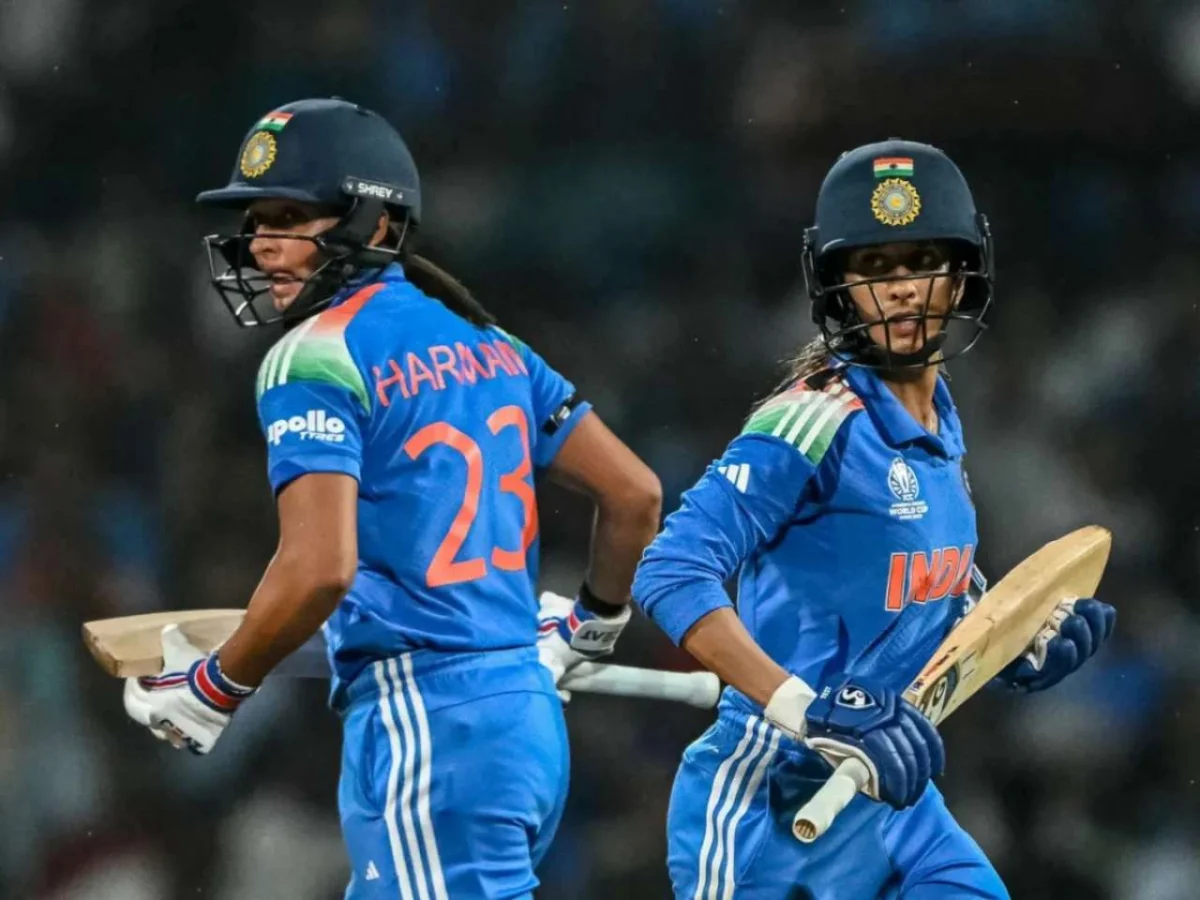
Dubai, UAE – August 14, 2026 – The Board of Control for Cricket in India (BCCI) has officially unveiled India’s 15-member women’s squad for the highly anticipated Asia Cup 2026, scheduled to be held in the United Arab Emirates (UAE) from August 28 to September 5. Veteran all-rounder Harmanpreet Kaur will lead the formidable contingent, with star opener Smriti Mandhana named as her deputy. However, the announcement has been met with a significant blow to the team’s preparations, as dynamic batter Jemimah Rodrigues has been ruled out due to a high-grade hamstring tear. Her absence paves the way for young talent Pratika Rawal, who earns a call-up to the national squad.
The decision underscores the BCCI’s commitment to maintaining a strong and competitive side while also adapting to unforeseen challenges such as player injuries. Rodrigues’s exclusion, confirmed after a thorough medical assessment, not only impacts India’s Asia Cup campaign but also rules her out of the forthcoming Asian Games 2026 in Japan, where women’s cricket is set to feature prominently. The team, traditionally a dominant force in continental competitions, will now look to its seasoned campaigners and promising newcomers to uphold its legacy and vie for another prestigious title.
Main Facts: India Sets Sight on Asia Cup Glory Amidst Injury Setback
The BCCI’s announcement of the 15-member squad for the 2026 Women’s Asia Cup marks a pivotal moment in India’s cricketing calendar. The tournament, slated for the UAE from August 28 to September 5, is a crucial fixture, offering a platform for regional supremacy and an opportunity for teams to fine-tune their strategies ahead of future global competitions.
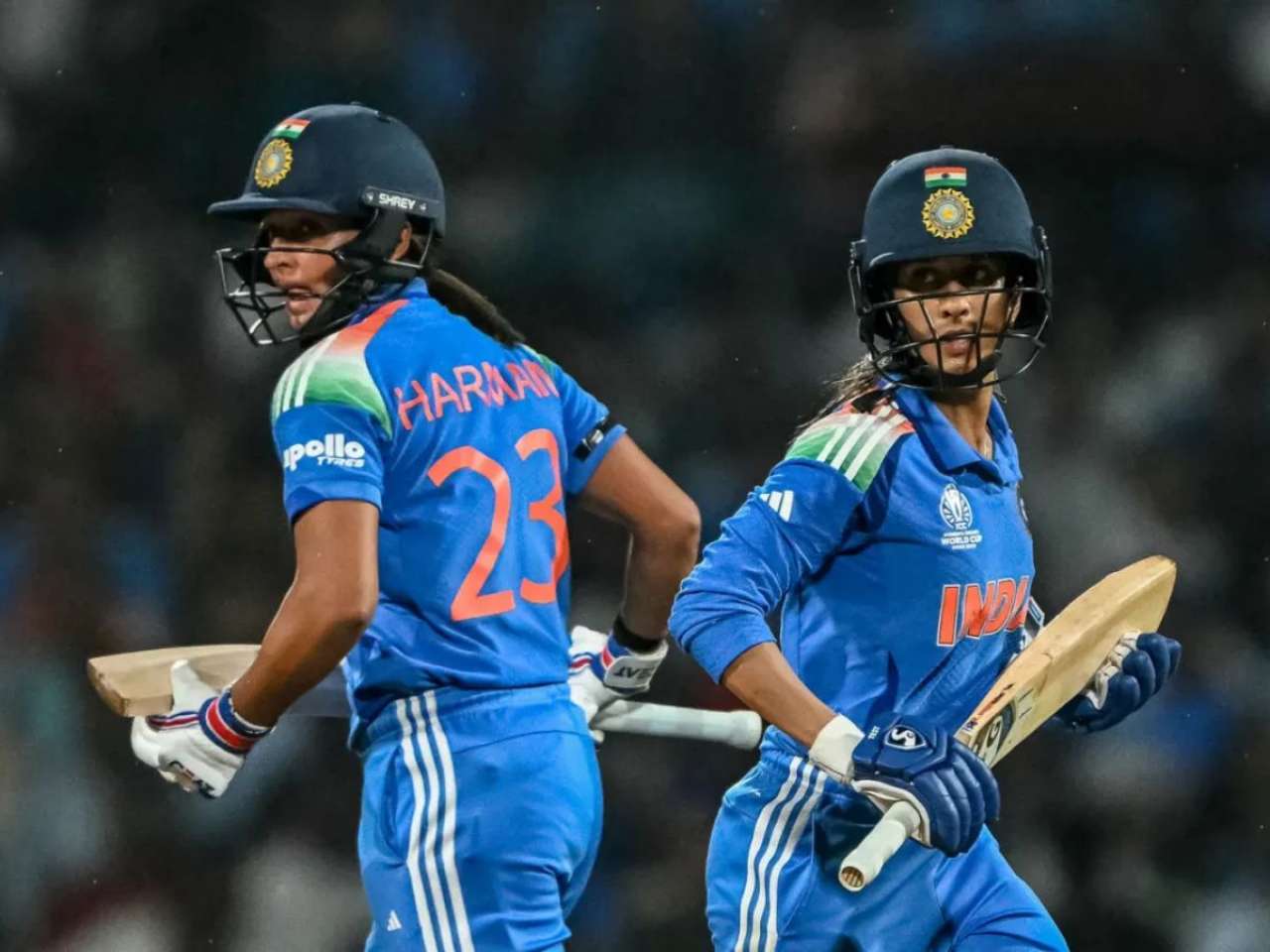
At the helm, Harmanpreet Kaur, a figure synonymous with Indian women’s cricket leadership and explosive batting, will steer the squad. Her experience, tactical acumen, and ability to perform under pressure will be vital for India’s aspirations. Complementing her leadership is Smriti Mandhana, an elegant left-handed opener and a consistent run-scorer, who will serve as the vice-captain. This leadership duo brings a blend of aggression and stability, crucial for navigating the demanding schedule of a multi-nation tournament.
The most significant news accompanying the squad reveal is the unfortunate absence of Jemimah Rodrigues. Known for her nimble footwork, innovative stroke play, and crucial contributions in the middle order, Rodrigues has become an indispensable part of India’s T20 setup. Her high-grade hamstring tear is a severe blow, impacting both the team’s batting depth and its overall strategic flexibility. The void left by Rodrigues, however, presents a golden opportunity for Pratika Rawal, a promising talent whose inclusion signals the selectors’ faith in the pipeline of young players. Rawal’s call-up will be closely watched, as she steps into big shoes under significant pressure.
India enters the Asia Cup as one of the perennial favorites, boasting a rich history of success in the tournament. The team will be aiming to extend its dominance, leveraging its blend of experienced stars and fresh faces. The tournament in the UAE will serve as a critical test of the squad’s resilience and adaptability, particularly in the face of a key player’s injury and the integration of new talent.
)
Chronology: From Injury to Exclusion and Squad Finalization
The timeline leading up to the squad announcement for the Asia Cup 2026 is marked by an unfortunate sequence of events concerning Jemimah Rodrigues and the subsequent decisions made by the BCCI.
August 3, 2026: The unfortunate incident occurred while Jemimah Rodrigues was participating in The Hundred, a popular franchise-based tournament in England. During a match, she sustained a right hamstring injury, immediately raising concerns about its severity and potential impact on her upcoming international commitments. Injuries, a common yet unwelcome aspect of professional sports, often dictate a player’s immediate future and force teams to reconsider their strategies.
Following The Hundred campaign: Upon her return to India, Rodrigues promptly underwent a comprehensive medical evaluation at the BCCI’s state-of-the-art Centre of Excellence (CoE) in Bengaluru. The CoE, established to provide world-class facilities for player rehabilitation and fitness assessment, plays a critical role in managing the health and well-being of Indian cricketers. This evaluation was crucial in determining the exact nature and extent of her injury.

Medical Assessment and Confirmation: The medical assessment at the CoE confirmed a high-grade tear in Rodrigues’s right hamstring. This diagnosis is significant, as a high-grade tear typically implies a substantial injury requiring an extended period of rest and rehabilitation, ruling out immediate return to competitive play. The confirmation of such a severe injury immediately put her participation in the upcoming tournaments in doubt.
BCCI’s Decision and Announcement: Following the medical report, the BCCI’s selection committee, in consultation with the medical panel, made the difficult decision to rule Rodrigues out of both the Women’s Asia Cup in the UAE and the subsequent Asian Games in Japan. This decision, though tough, prioritizes the player’s long-term health and ensures she receives adequate time for recovery. Simultaneously, the selectors finalized the 15-member squad for the Asia Cup, integrating Pratika Rawal as Rodrigues’s replacement, showcasing the depth of talent available within the Indian cricketing ecosystem.
August 14, 2026: The BCCI formally announced the 15-member squad via its official social media channels and press releases. This announcement included the leadership appointments of Harmanpreet Kaur as captain and Smriti Mandhana as vice-captain, alongside the full list of players selected, highlighting the strategic choices made by the selectors. The revelation also detailed Rodrigues’s injury and her subsequent withdrawal from the team, providing transparency to the cricketing fraternity and fans alike.
)
August 28, 2026: The Women’s Asia Cup 2026 is scheduled to commence in the UAE, with the Indian team geared up to kick off their campaign. The team will have had a brief period for final preparations and to integrate Pratika Rawal into the squad dynamics, focusing on cohesion and strategy ahead of their opening fixture.
This chronological sequence highlights the swift and decisive actions taken by the BCCI in response to a critical player injury, demonstrating their commitment to both player welfare and competitive readiness.
Supporting Data: Squad Composition, Jemimah’s Void, and Tournament History
The strength of any cricket team lies not just in its star players but in the collective talent and strategic balance of its squad. India’s 15-member contingent for the Asia Cup 2026 reflects a calculated mix of experience, explosive power, and emerging talent, designed to tackle the challenges of a high-stakes continental tournament.
)
Detailed Squad Analysis
The announced squad showcases a balanced composition, capable of adapting to various match situations and opponents.
- Leadership and Batting Core:
- Harmanpreet Kaur (Captain): The heart of the team, Kaur brings aggressive batting, crucial off-spin, and invaluable leadership experience. Her ability to accelerate scoring and anchor innings will be pivotal.
- Smriti Mandhana (Vice-Captain): An elegant and powerful left-handed opener, Mandhana provides rapid starts and consistency at the top. Her partnership with Shafali Verma is often destructive.
- Shafali Verma: The explosive young opener, known for her fearless hitting, can change the complexion of a game within a few overs.
- Bharti Fulmali: A promising batter who can provide stability in the middle order and contribute with crucial runs.
- All-rounders:
- Deepti Sharma: A premier all-rounder, Sharma offers consistent off-spin, handy lower-order batting, and exceptional fielding. Her all-round contributions are vital.
- Prema Rawat: Another all-round option, her specific skills (batting/bowling style) will provide flexibility to the team composition.
- Wicketkeepers:
- Richa Ghosh: Known for her aggressive batting and sharp keeping skills, Ghosh adds firepower to the lower middle order.
- G. Kamalini: Provides an alternative wicketkeeping option, ensuring depth and flexibility behind the stumps.
- Spin Attack:
- Radha Yadav: A left-arm orthodox spinner, Yadav is a proven wicket-taker in the T20 format, known for her variations and control.
- Sri Charani: Another spinner, adding variety to the spin department, capable of stifling opposition run rates.
- Nandini Sharma & Kranti Gaud: These emerging spinners will be eager to make their mark, providing depth and potential for breakthroughs.
- Pace Attack:
- Arundhati Reddy: A right-arm medium-fast bowler, Reddy provides crucial wickets in the powerplay and death overs.
- Renuka Thakur: Known for her swing and ability to pick up early wickets, Thakur is a key component of India’s pace battery.
- New Inclusion:
- Pratika Rawal: The young batter who replaces Jemimah Rodrigues. Her inclusion suggests she possesses the talent and temperament to perform at the international level. Her role will be to provide stability or aggression as required by the team management, seeking to fill the void left by Rodrigues.
This diverse squad ensures that India has options for every phase of the game and can tailor its strategy to specific opponents and pitch conditions in the UAE.
Jemimah Rodrigues’ Impact and the Void She Leaves
Jemimah Rodrigues has evolved into one of India’s most dependable and dynamic batters in the T20 format. Her recent form, characterized by crucial innings and high strike rates, has made her an integral part of the team’s middle-order stability and acceleration. Rodrigues’s ability to play both aggressive and anchoring roles, coupled with her exceptional fielding, makes her absence particularly challenging.
)
In T20s, Rodrigues often provides the much-needed impetus in the middle overs, maintaining the scoring rate or rebuilding an innings after early wickets. Her absence means the team loses a proven performer who can rotate strike effectively and find boundaries with ease. This void will place added pressure on players like Harmanpreet Kaur, Smriti Mandhana, and Deepti Sharma to shoulder more responsibility in the batting department.
Pratika Rawal, while a promising talent, will face the unenviable task of stepping into the shoes of an established international player. Her performance will be under intense scrutiny, and her ability to adapt quickly to the international stage will be crucial for India’s batting continuity. The team management will likely experiment with different batting orders and roles to compensate for Rodrigues’s unique skill set.
India’s Asia Cup History and Expectations
India holds an unparalleled record in the Women’s Asia Cup, historically dominating the tournament. Over the years, India has lifted the trophy multiple times, showcasing its consistent supremacy in the regional competition. Their success is a testament to the depth of talent, strategic planning, and consistent performances by generations of Indian cricketers.
)
The team has a track record of reaching finals and securing titles, often outperforming rivals like Pakistan, Bangladesh, and Sri Lanka. This rich history instills confidence but also places a significant weight of expectation on the current squad. For the 2026 edition in the UAE, India is once again expected to be a strong contender for the title. Despite Rodrigues’s absence, the core strength of the team, coupled with the emergence of new talent, positions them as formidable opponents. The tournament serves as a crucial benchmark for the team’s readiness for upcoming global ICC events.
Asian Games Context and India’s Path to Gold
The Asian Games 2026 in Nagoya, Japan, offers another significant platform for women’s cricket, contested in the T20 format from September 17 to October 3. India’s top-seeded status in the women’s tournament underscores their standing in Asian cricket.
The draw for the Asian Games presents a clear path for India:
)
- Quarter-finals: India will kick off their campaign against the host nation, Japan. While Japan will have home advantage, India is expected to comfortably overcome this challenge given their superior experience and skill.
- Semi-finals: Should India advance, they are likely to face either Bangladesh or Hong Kong, China. Bangladesh, a competitive side, could offer a stern test, but India will be favored to progress to the final.
- Potential Final: The draw has placed Pakistan in the opposite half, setting up a tantalizing possibility of an India-Pakistan showdown for the gold medal. Such a fixture, one of the most anticipated rivalries in cricket, would undoubtedly be a highlight of the Asian Games. Both the gold-medal final and the bronze-medal play-off are scheduled for September 22.
Jemimah Rodrigues’s absence from the Asian Games is a significant blow to India’s medal aspirations. Her proven ability to perform in high-pressure matches and contribute crucial runs will be sorely missed, particularly in potential knockout games against strong opponents. The team will need other batters to step up and ensure the medal pursuit remains on track. The Asian Games represent a unique opportunity for Indian women’s cricket to add a multi-sport event gold medal to its growing list of accolades, further popularizing the sport in the region.
Official Responses: BCCI’s Stance and Team Management’s Strategy
The Board of Control for Cricket in India (BCCI) conveyed the squad announcement through its established channels, primarily via social media updates, signaling both transparency and efficiency in its communication strategy. While explicit quotes from BCCI officials were not provided in the initial release, the underlying messages from such announcements are clear: confidence in the selected squad, commitment to player welfare, and high expectations for performance.
BCCI’s Official Communication
The BCCI’s official announcement, which detailed the 15-member squad, the leadership roles for Harmanpreet Kaur and Smriti Mandhana, and the unfortunate news regarding Jemimah Rodrigues, was succinct and informative. The medical update on Rodrigues, specifying a "high-grade tear in her right hamstring" and her subsequent exclusion from both the Asia Cup and Asian Games, demonstrated the board’s commitment to providing accurate and timely health information about its players. This level of detail underscores the seriousness with which player injuries are managed and communicated.
)
The inclusion of Pratika Rawal as Rodrigues’s replacement also speaks volumes about the BCCI’s focus on nurturing young talent and ensuring a robust pipeline of players ready to step onto the international stage when required. The board implicitly expressed its confidence in Harmanpreet Kaur’s leadership by entrusting her with the captaincy, a role she has successfully fulfilled on numerous occasions.
Team Management and Captain’s Perspective
While direct quotes from Harmanpreet Kaur or team management were not immediately available, it is reasonable to infer their likely approach and mindset. Harmanpreet Kaur, as captain, will undoubtedly emphasize team cohesion and adaptability in light of Rodrigues’s absence. Her leadership style is known for fostering a strong team spirit and encouraging players to take ownership of their roles. She will likely communicate the importance of every player stepping up, particularly in the batting department, to collectively fill the void.
The team management, including head coach and support staff, will be focused on strategic adjustments. This will involve re-evaluating batting orders, potentially experimenting with new combinations, and ensuring Pratika Rawal is seamlessly integrated into the team dynamics. Special attention will be paid to psychological preparation, ensuring the team remains focused and motivated despite the setback. The emphasis will be on leveraging the strengths of the available squad, promoting versatility, and executing game plans effectively. The goal will be to maintain India’s high standards and strong winning tradition in the Asia Cup, while also preparing for the subsequent challenges of the Asian Games.
)
Medical Team’s Role and Rehabilitation Plan
The BCCI’s medical team, particularly those at the Centre of Excellence in Bengaluru, played a critical role in the management of Jemimah Rodrigues’s injury. Their thorough medical assessment confirmed the high-grade hamstring tear, providing the necessary information for the selection committee’s decision. Beyond diagnosis, the medical team will be instrumental in formulating and overseeing Rodrigues’s rehabilitation plan. This plan will be comprehensive, focusing on rest, physiotherapy, strength training, and gradual return to activity, ensuring a full and safe recovery. The BCCI’s CoE is equipped to provide the best possible care, indicating a commitment to the long-term well-being and career longevity of its players. This structured approach to injury management is crucial for all professional athletes, allowing them to return to peak performance without undue risk of re-injury.
Implications: Strategic Shifts, Player Opportunities, and Broader Impact
The squad announcement and, more specifically, Jemimah Rodrigues’s injury-forced withdrawal, carry significant implications for India’s campaigns in both the Asia Cup and the Asian Games, as well as for the individuals involved and the broader landscape of Indian women’s cricket.
Implications for the Asia Cup 2026
The immediate challenge for India in the Asia Cup will be to reconfigure its batting strategy. Jemimah Rodrigues’s ability to anchor an innings, accelerate scoring, and maintain a high strike rate in the middle order is a substantial loss. This necessitates other batters to step up and assume greater responsibility. The likes of Smriti Mandhana, Shafali Verma, and Harmanpreet Kaur will be expected to shoulder a heavier load, ensuring consistent performances at the top.
)
The inclusion of Pratika Rawal, while an exciting prospect, means the team will need to quickly integrate her into the playing XI and establish her role. This could lead to a slight alteration in the batting order or a more flexible approach, depending on match situations. The team management might also consider promoting all-rounders like Deepti Sharma higher up the order to provide more batting depth. Ultimately, India’s chances remain high, given their overall squad strength and historical dominance, but they will need to demonstrate adaptability and collective resilience to overcome this significant setback.
Implications for the Asian Games 2026
The Asian Games present a similar, if not more pronounced, challenge. While the Asia Cup is a regional championship, the Asian Games carries the additional weight of representing the nation in a multi-sport event, with the added prestige of a medal. Rodrigues’s absence, particularly in potential knockout matches against teams like Bangladesh or Pakistan, could be acutely felt. Her experience in high-pressure situations would have been invaluable.
India’s top seeding and favorable draw still position them as strong contenders for the gold medal. However, the path to glory will require flawless execution from the remaining squad members. The team will need to ensure that their batting unit is robust enough to handle the pressure of semi-finals and a potential gold-medal match, where every run and every wicket can be decisive. The focus will be on maximizing the strengths of the available players and relying on the collective talent to achieve the desired outcome.
)
Implications for Jemimah Rodrigues
For Jemimah Rodrigues, this injury represents a significant personal setback. Being ruled out of two major tournaments is undoubtedly disappointing for any athlete, especially one in the prime of her career. Her immediate focus will shift entirely to rehabilitation and recovery. This period will test her mental fortitude as much as her physical endurance.
A high-grade hamstring tear requires careful management and patience. Rodrigues will undergo a structured rehabilitation program under the guidance of the BCCI medical team, aiming for a full recovery to prevent future recurrences. Her long-term career outlook remains bright, given her age and talent, but this phase will be crucial in ensuring she returns stronger and fitter. Fans and the cricketing fraternity will eagerly await her comeback, hopeful that she can regain her form and once again contribute to the national team’s success.
Broader Implications for Indian Women’s Cricket
The situation highlights several broader implications for Indian women’s cricket:
)
- Depth of Talent: The inclusion of Pratika Rawal, and other young players like G. Kamalini, Prema Rawat, Nandini Sharma, and Kranti Gaud in the squad, underscores the growing depth of talent in Indian women’s cricket. It demonstrates that the pipeline is strong enough to produce players capable of stepping up when senior players are unavailable.
- Importance of Player Fitness and Injury Management: Rodrigues’s injury emphasizes the critical importance of player fitness, load management, and robust injury prevention protocols. With an increasingly packed international schedule, ensuring player well-being is paramount for sustained success. The BCCI’s Centre of Excellence plays a crucial role in this regard.
- Strategic Adaptability: The need to adapt quickly to unforeseen circumstances, such as key player injuries, forces team management to be flexible and innovative in their strategies. This can lead to the discovery of new combinations and strengths within the squad.
- Continued Growth and Professionalization: The meticulous handling of Rodrigues’s injury, from diagnosis at the CoE to communication and replacement, reflects the increasing professionalization of Indian women’s cricket. This focus on athlete welfare and competitive readiness is vital for the sport’s continued growth and success on the global stage.
In conclusion, while Jemimah Rodrigues’s absence is a significant blow, it also presents an opportunity for other players to rise to the occasion. India’s strong squad, under the leadership of Harmanpreet Kaur, will be determined to maintain its dominant position in Asian cricket and strive for gold in both the Asia Cup and the Asian Games 2026. The challenges ahead will serve as a test of their resilience, depth, and collective spirit.
