

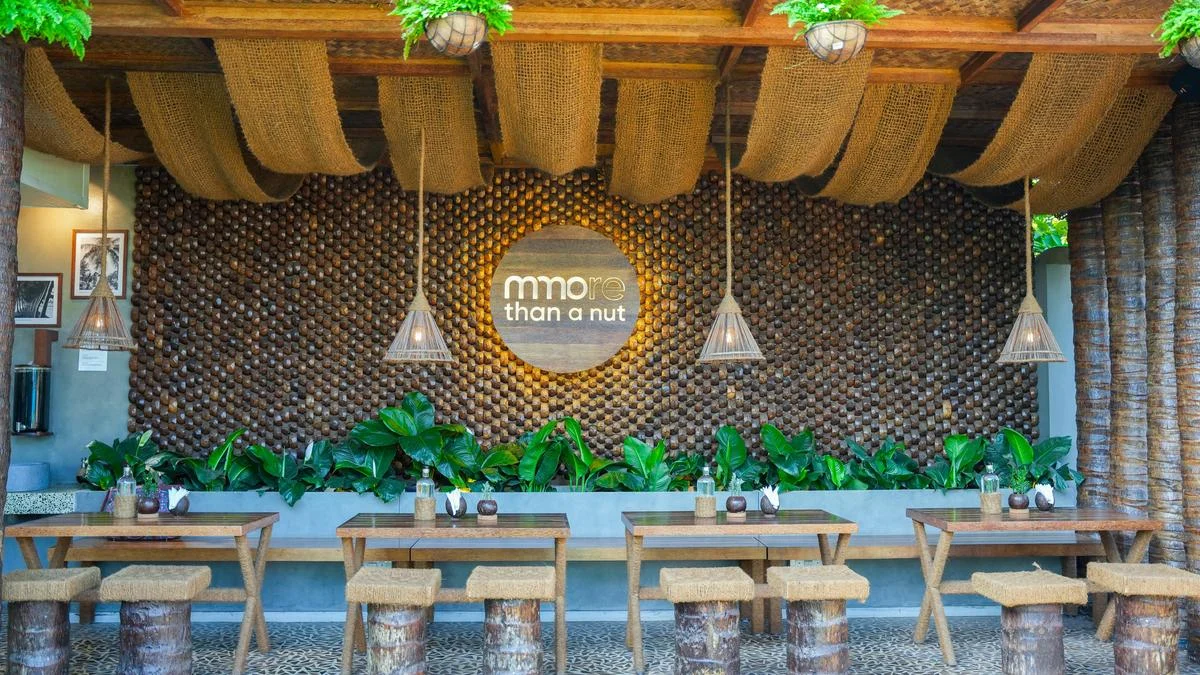
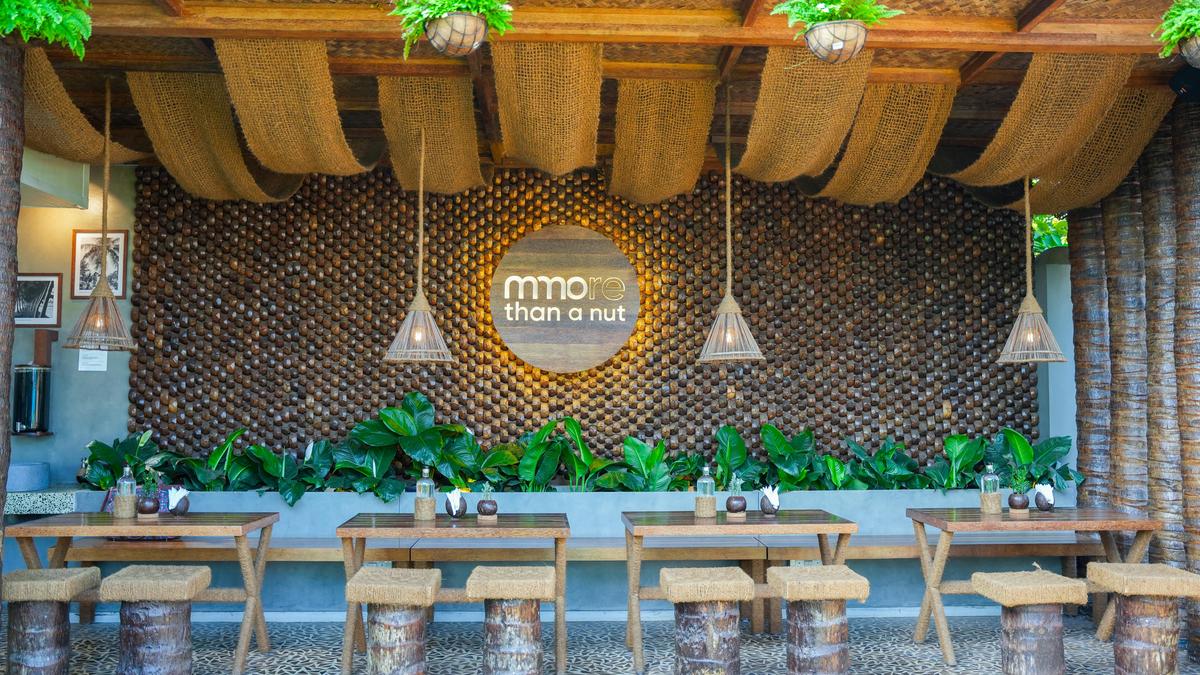
In the verdant landscapes of Aluva, a bustling town near Kochi, Kerala, a new architectural and culinary landmark is challenging the traditional perception of India’s most ubiquitous tropical fruit. "MMore Than A Nut," a specialized café and experience center located near Rajagiri Hospital, is more than just a destination for a caffeine fix; it is a manifesto for the versatility of the coconut tree, known in Sanskrit as the Kalpavriksham or the "wish-fulfilling tree."
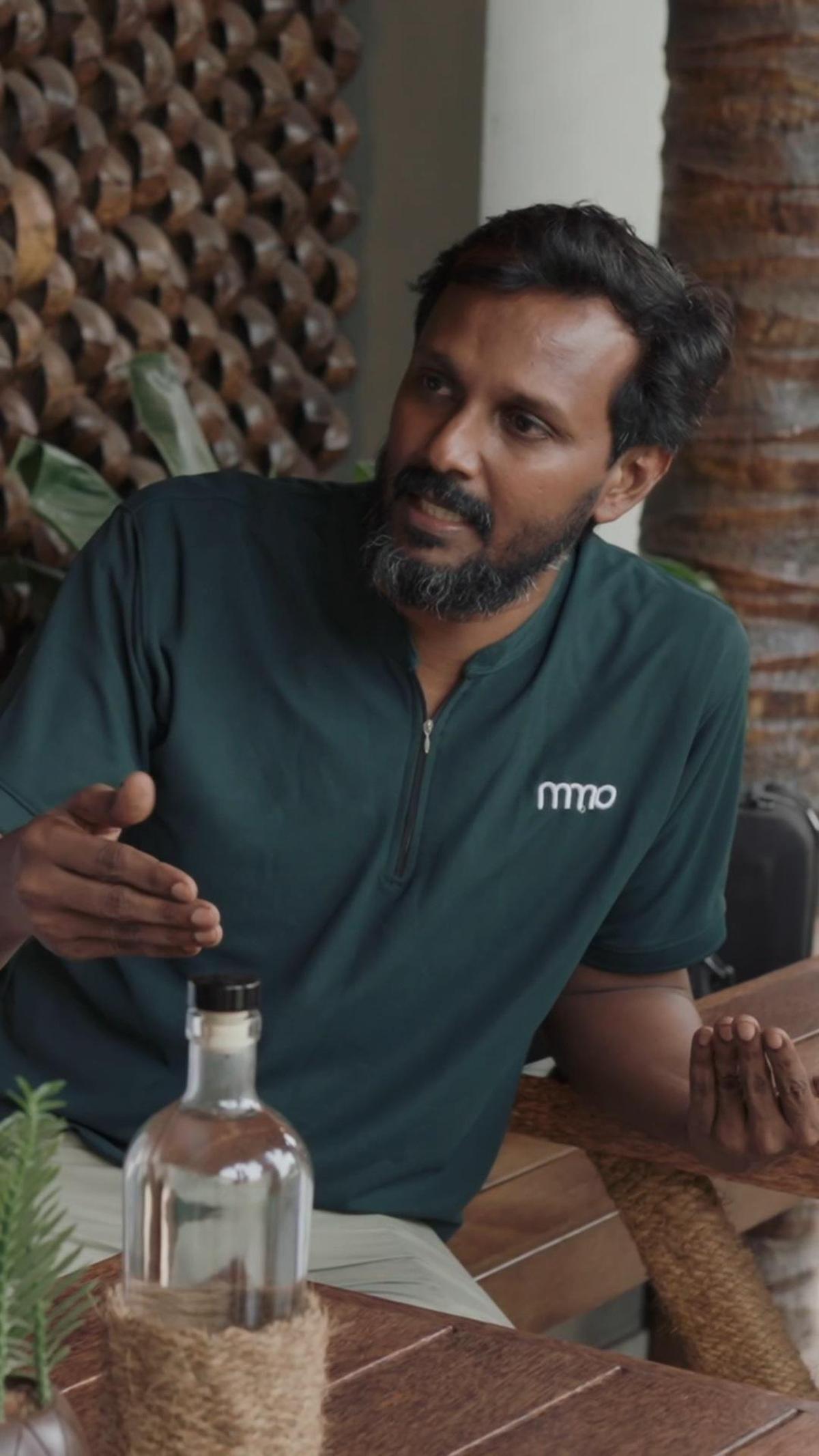
Founded by Ubais Ali, the visionary leader behind the Mezhukkattil Mills Originals (MMO) brand, the café serves as a living gallery where every element—from the structural aesthetics to the menu—is derived from the coconut tree. In an era where global superfoods like almonds, avocados, and quinoa dominate the wellness discourse, Ali is on a mission to reclaim the narrative for the humble coconut, elevating it from a kitchen staple to a premium lifestyle brand.
Main Facts: A 360-Degree Coconut Experience
The first thing that strikes a visitor upon entering MMore Than A Nut is the sheer ingenuity of the interior design. Abandoning traditional timber and synthetic materials, the café is a masterclass in sustainable, circular design. The tables and benches are crafted from coconut wood, a material often overlooked in high-end furniture. The lighting is diffused through intricately carved coconut shell lampshades, while the walls feature cladding and tiles made from various parts of the tree. Even the utilitarian aspects of the café—the dustbins and garden lights—are fashioned from coconut byproducts.
One of the most striking architectural features is the flooring. By using polished pieces of coconut shell embedded in a matrix, the designers have achieved a unique mosaic effect that rivals high-end terrazzo or marble, proving that "waste" products can be transformed into luxury finishes.
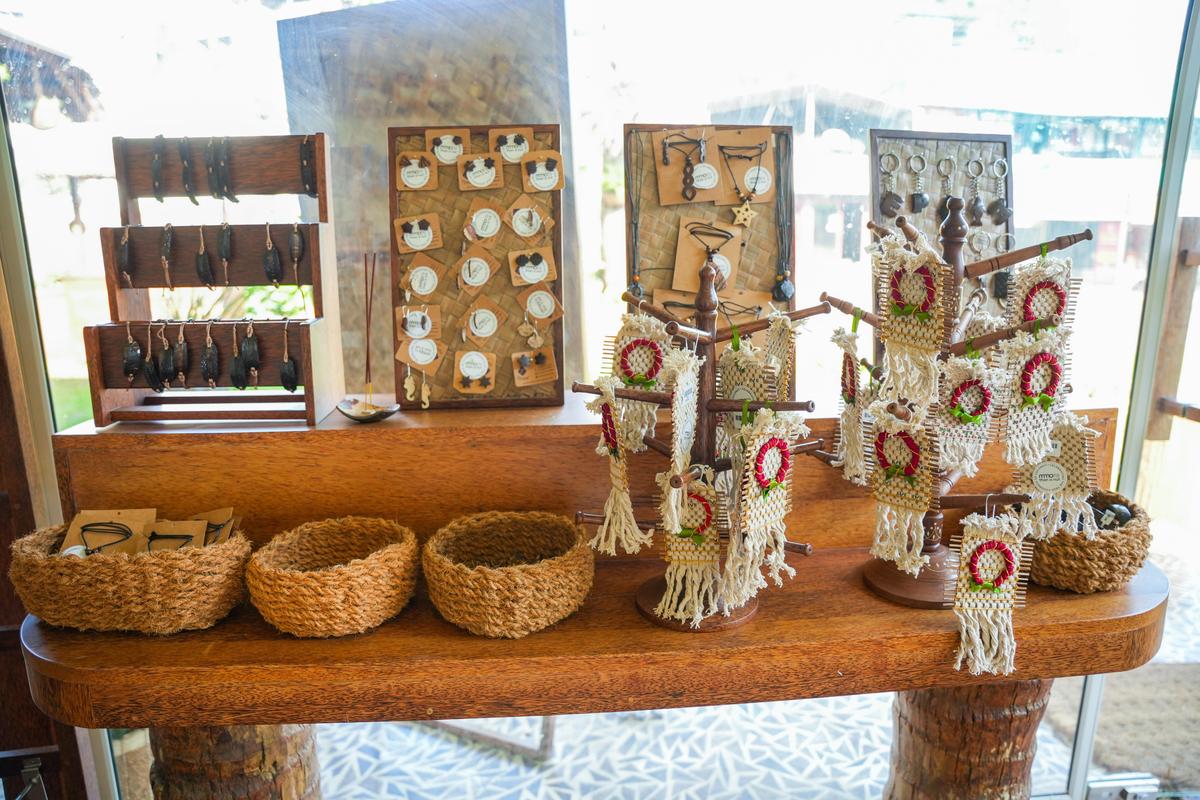
The product range available at the store is equally exhaustive. Beyond the standard coconut oil, the shelves are stocked with value-added innovations including:
- Virgin Coconut Oil (VCO): Cold-pressed and nutrient-dense.
- Coconut Flour and Butter: Gluten-free and vegan alternatives to traditional baking ingredients.
- Culinary Pastes and Vinegars: Fermented and processed using modern food technology.
- Homeware and Textiles: Mats, brushes, and kitchen utensils made from coconut fiber and shells.
The café’s menu is the final piece of the puzzle. It features an array of confections and beverages where coconut is the protagonist. From "travel cakes" (designed to stay fresh without refrigeration) made with coconut flour to baklava stuffed with a roasted coconut and pistachio filling, the culinary team has pushed the boundaries of tropical gastronomy.
Chronology: From a 1976 Oil Mill to a Modern Innovation Hub
The story of MMore Than A Nut is inextricably linked to the legacy of Mezhukkattil Mills, a business founded by Ubais Ali’s father in 1976. For decades, the mill operated as a traditional unit, focusing on the extraction of coconut oil for the local market. However, as the global economy shifted and the demand for specialized, healthy fats grew, the company underwent a significant transformation.
- 1976: Establishment of Mezhukkattil Mills as a local oil extraction unit.
- Early 2000s: The brand begins exploring export markets, recognizing the growing international interest in coconut-based products in Europe and North America.
- 2010s: Intensive Research and Development (R&D) begins. The company invests in a state-of-the-art kitchen and bakery unit on the second floor of their factory to experiment with coconut-derived ingredients like flour, milk powder, and desiccated coconut.
- 2020-2023: The company receives several government awards for innovation in product development and sustainable packaging design.
- Present Day: The launch of "MMore Than A Nut" marks the brand’s foray into the retail and hospitality sector, acting as a flagship "experience center" to showcase their R&D successes to the public.
Ubais Ali explains that the café was strategically placed outside the large factory unit on the Aluva-Perumbavoor road to catch the attention of commuters and tourists, serving as a gateway to the MMO brand.
Supporting Data: The Economic and Nutritional Potential of Coconut
The push for coconut-based products is backed by compelling nutritional science and economic data. In Kerala, where the coconut tree is the state tree, the economy has historically been vulnerable to fluctuations in the price of copra (dried coconut meat). By shifting the focus to "value-added" products, entrepreneurs like Ali are creating a more stable and lucrative ecosystem.

Nutritional Superiority:
Research indicates that coconut flour is higher in fiber and protein than wheat flour while being significantly lower on the glycemic index. Furthermore, coconut milk and water are rich in electrolytes and Medium-Chain Triglycerides (MCTs), which are increasingly sought after by athletes and those on ketogenic diets.
The "Neera" Revolution:
One of the highlights of the café’s beverage menu is Neera, the non-alcoholic sap extracted from the coconut inflorescence. Unlike toddy, which is fermented, Neera is collected using specialized chilling technology to prevent fermentation. It is a nutrient-rich drink containing vitamins A, B, and C, and it serves as a high-value alternative to carbonated soft drinks. MMore Than A Nut sources and chills this fresh sap immediately, ensuring its natural sweetness and health benefits are preserved.
Sustainability Metrics:
The use of coconut wood and shells in construction addresses the "zero-waste" philosophy. According to industry data, India produces billions of coconut shells annually, most of which are burned as low-grade fuel. Repurposing these into flooring tiles or homeware increases the value of the byproduct by over 500%.
Official Responses and Recognition
The innovative approach of Mezhukkattil Mills has not gone unnoticed by state and national authorities. The Government of Kerala and the Coconut Development Board (CDB) have frequently cited MMO as a model for MSME (Micro, Small, and Medium Enterprise) success.
The company has been the recipient of multiple awards for:
- Innovation in Product Design: For creating shelf-stable coconut milk and specialty flours.
- Sustainable Packaging: Reducing the carbon footprint of their export goods.
- Export Excellence: MMO has successfully penetrated competitive markets, proving that traditional Kerala produce can meet rigorous international quality standards.
During the café’s soft launch phases, agricultural experts noted that such "experience centers" are vital for the survival of the coconut industry. By creating a direct-to-consumer model that emphasizes the "cool" factor of the coconut, Ali is helping to reverse the trend of farmers abandoning coconut cultivation for more profitable rubber or real estate ventures.
Implications: A Blueprint for Localized Global Brands
The success of MMore Than A Nut carries significant implications for the future of Indian agriculture and branding.
1. Branding Local as Premium:
Ubais Ali’s frequent comparison of coconuts to almonds and raisins is a strategic move to reposition local produce. "We see a lot of content about raisins and almonds from other countries. How about we push our produce?" he asks. This reflects a broader trend of "Glocal" branding—taking a local product and applying global standards of aesthetics, hygiene, and marketing.
2. The Circular Economy in Practice:
The café serves as a prototype for circular architecture. In an age of climate crisis, the ability to build and furnish a commercial space using the byproducts of a single plant species offers a roadmap for sustainable development in tropical regions.
3. Enhancing Rural Livelihoods:
By diversifying the uses of the coconut, the demand for high-quality raw materials increases. This allows farmers to command better prices for their yield, not just for the oil-bearing copra, but for the shells, the wood, and the sap (Neera).
4. Culinary Innovation:
The café’s menu—featuring items like avocado-coconut smoothies and coconut baklava—demonstrates that traditional ingredients can be adapted to modern, cosmopolitan palates. This encourages a new generation of chefs to experiment with indigenous ingredients rather than relying on imported dairy or processed fats.
Conclusion
MMore Than A Nut is a testament to the fact that innovation does not always require new technology; sometimes, it requires a new way of looking at what has always been there. By treating the coconut tree as a "wish-fulfilling" resource in the modern sense—providing food, furniture, and economic stability—Ubais Ali has created a sanctuary for the Kalpavriksham in the heart of Kerala.
As visitors sit on coconut-wood benches, sipping chilled Neera and eating coconut-flour muffins, they are participating in a quiet revolution. It is a revolution that celebrates local heritage while looking firmly toward a sustainable, global future. For the people of Kerala, it is a reminder that their most common tree is, in fact, their most extraordinary asset.
