

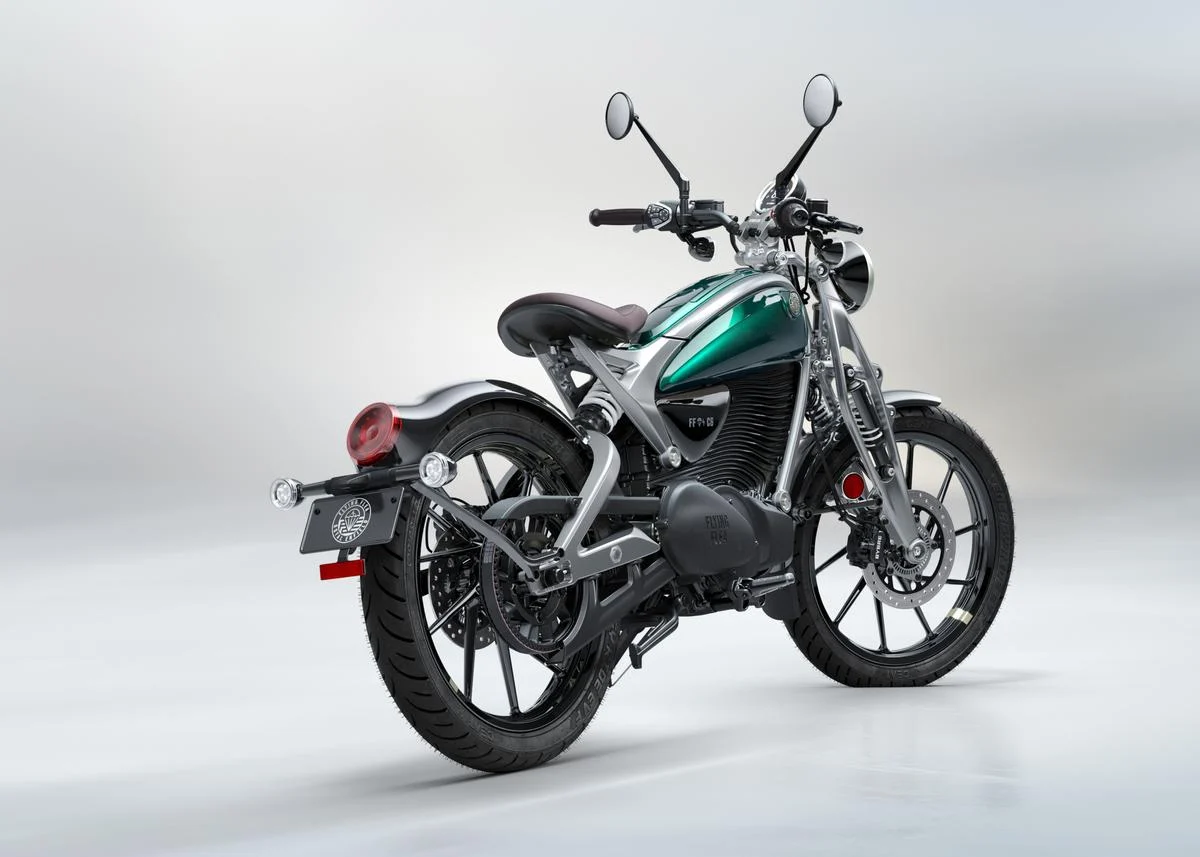
In a move that signals a seismic shift for one of the world’s oldest motorcycle manufacturers in continuous production, Royal Enfield has officially stepped into the electric vehicle (EV) era. The unveiling of the Flying Flea C6 marks the birth of an entirely new sub-brand, dedicated to urban mobility and sustainable performance. Far from being a mere electric adaptation of an existing chassis, the C6 represents a ground-up reimagining of what a Royal Enfield can be in the 21st century.
By reviving the "Flying Flea" nameplate—a moniker steeped in wartime heroism—the company seeks to blend its rich heritage with a futuristic, tech-heavy approach. The C6 is designed not for the cross-country tours that built the brand’s modern reputation, but for the intricate, high-density environments of the modern megacity.
Main Facts: A New Identity in Urban Mobility
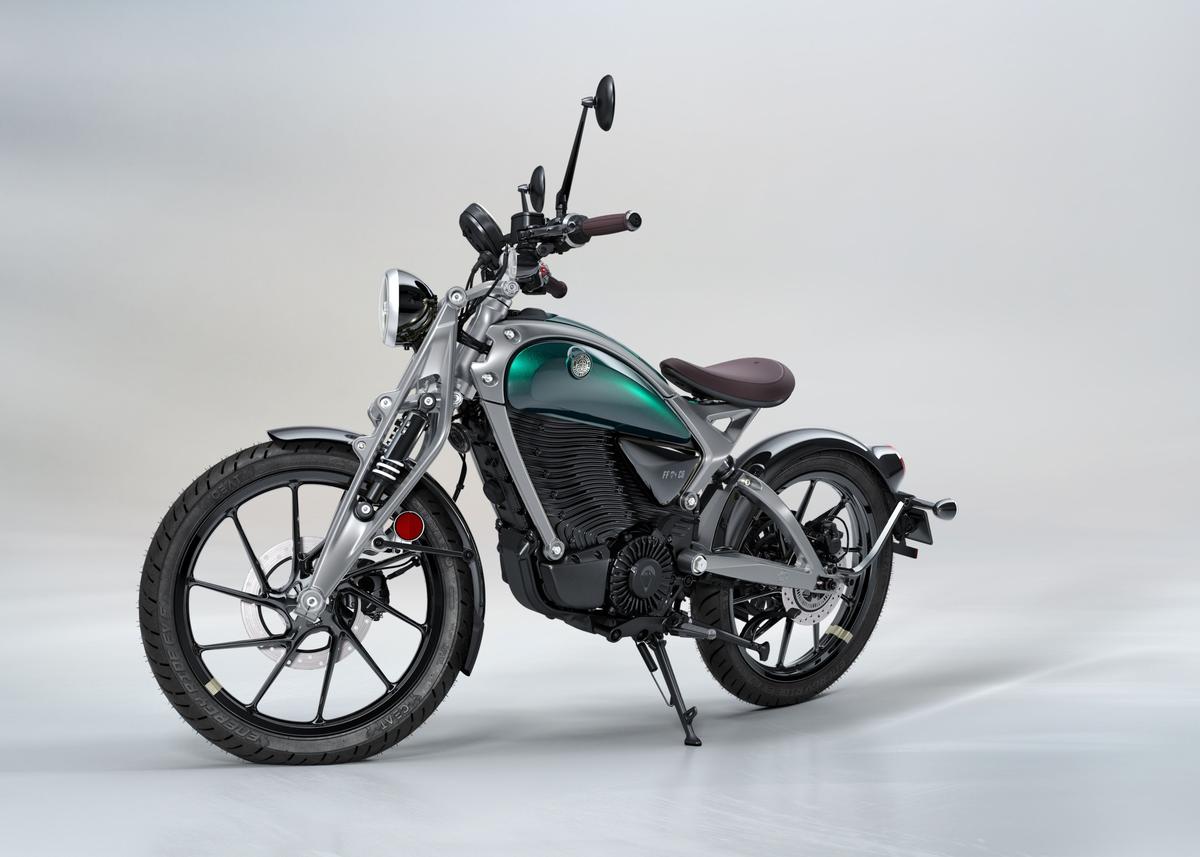
The Flying Flea C6 is the flagship offering under the new Flying Flea umbrella. It is a lightweight, compact electric motorcycle that prioritizes agility, connectivity, and ease of use. Unlike the heavy-duty cruisers the brand is known for, the C6 is built on a bespoke electric platform developed entirely in-house.
Key Specifications and Pricing
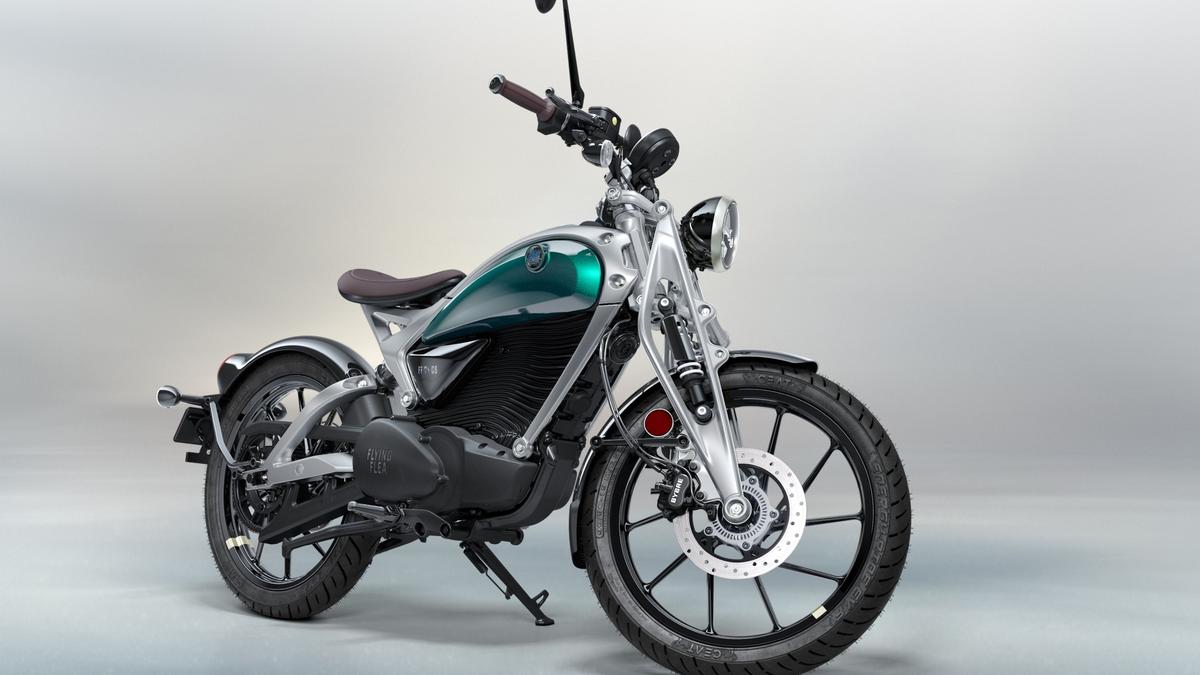
The C6 is powered by a 3.91 kWh battery pack paired with a mid-mounted electric motor. This setup delivers 15.4 kW (approximately 20.6 hp) and 60 Nm of torque. With a kerb weight of just 124 kg, the bike offers a power-to-weight ratio that promises spirited performance within city limits.
Royal Enfield has introduced a disruptive pricing strategy for the C6:
- Full Purchase Price: ₹2.79 lakh (ex-showroom).
- Battery-as-a-Service (BaaS) Price: ₹1.99 lakh.
The BaaS model is particularly significant, as it lowers the initial barrier to entry and shifts the cost of battery degradation and replacement to a subscription-based framework, potentially revolutionizing how Indian consumers perceive EV ownership.

Design Language
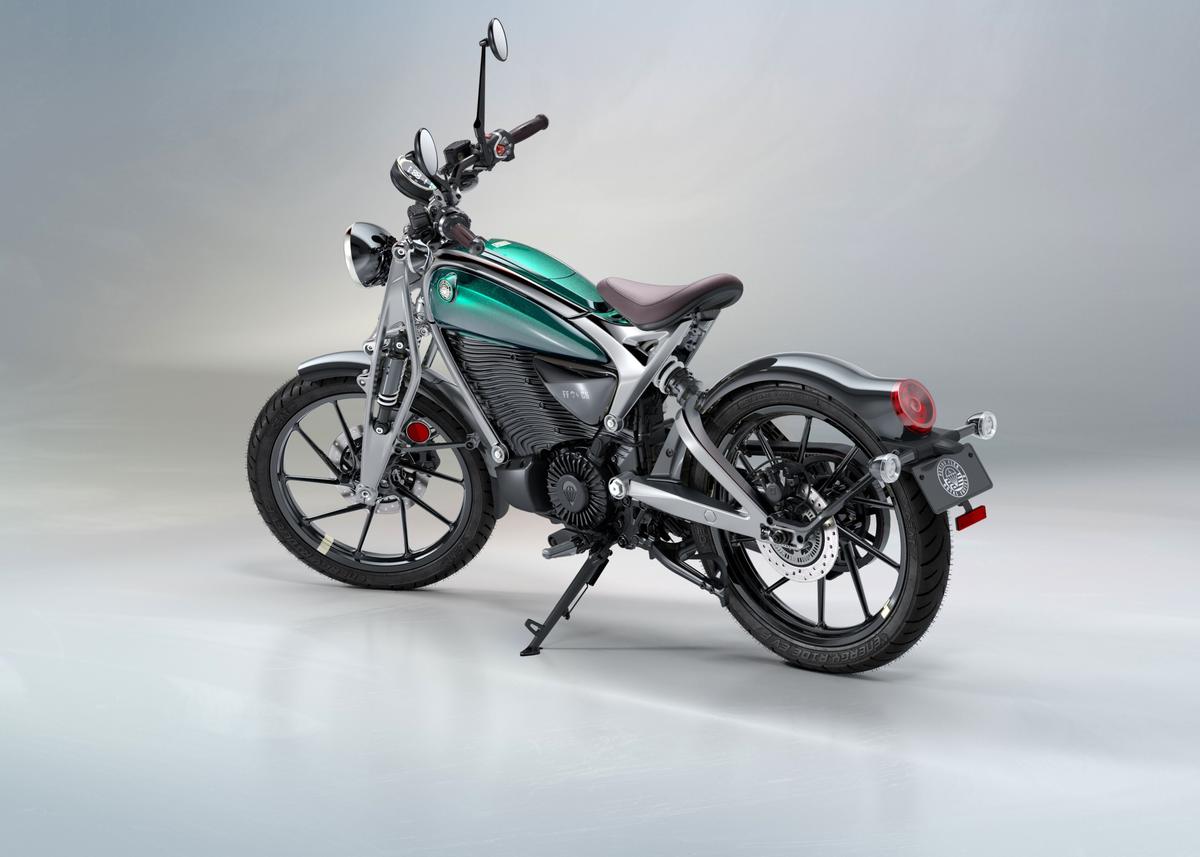
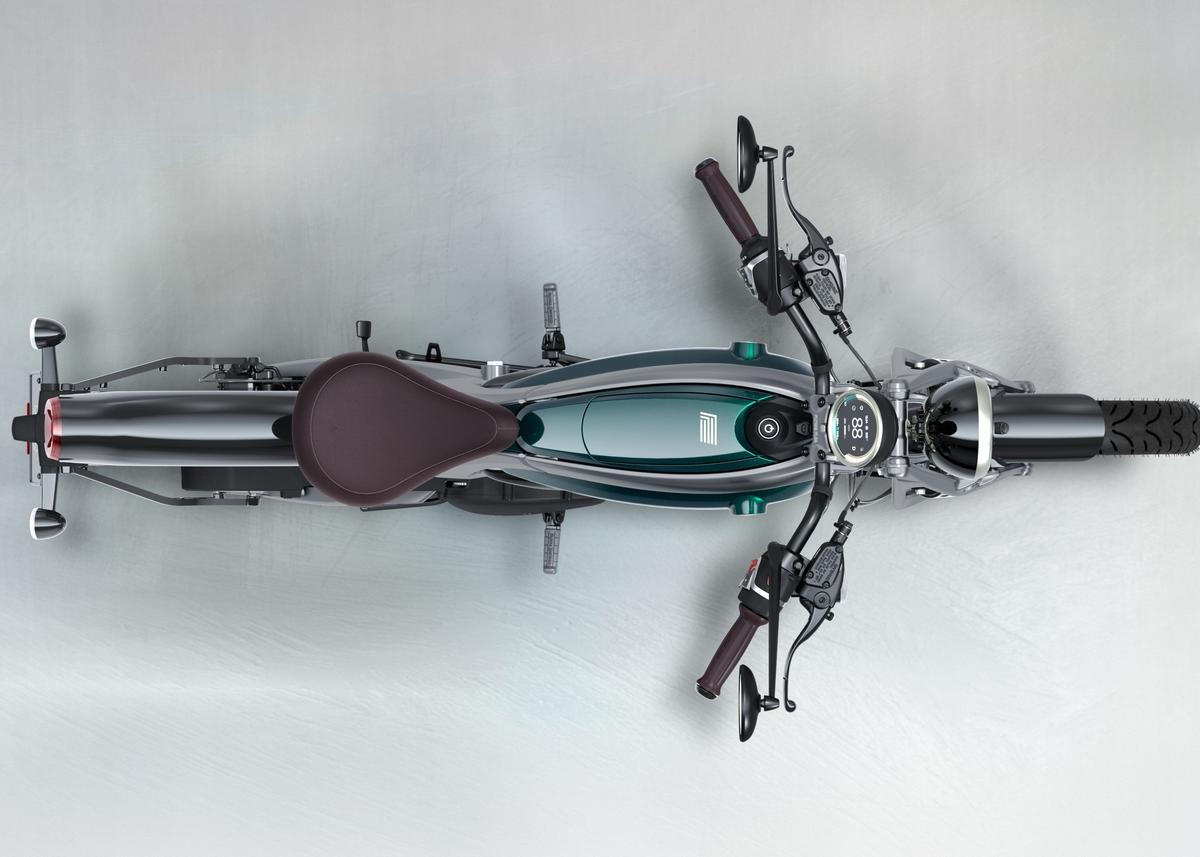
The design of the C6 is a "retro-futuristic" masterclass. The most striking feature is the forged aluminum girder fork. A staple of early 20th-century motorcycling, the girder fork has been re-engineered with modern materials to provide steering precision while acting as a visual anchor to the brand’s past. This is complemented by an articulating mudguard and a finned battery casing that mimics the cooling fins of an air-cooled internal combustion engine, serving both aesthetic and thermal management purposes.
Chronology: From Parachutes to Power Grids
To understand the Flying Flea C6, one must look back at the origins of its name. The original "Flying Flea" was the Royal Enfield WD/RE, a 125cc lightweight motorcycle used during World War II. It was designed to be dropped by parachute behind enemy lines to provide rapid mobility for airborne troops.
The Development Timeline
- Heritage Roots (1940s): The original Flying Flea establishes a reputation for being lightweight, rugged, and indispensable for short-range communication and mobility.
- The Electric Pivot (Early 2020s): Recognizing the global shift toward electrification, Royal Enfield began a multi-year R&D project. Rather than rushing a prototype to market, the company invested in a dedicated EV team and a separate sub-brand to avoid diluting the core ICE (Internal Combustion Engine) brand.
- Launch and Bookings (April 2026): The C6 is officially unveiled in Bengaluru. The city, often called India’s Silicon Valley, is chosen as the pilot market due to its high tech-adoption rate and existing EV infrastructure.
- The Road Ahead (May 2026 and Beyond): Deliveries are scheduled to commence in late May 2026. Following the Bengaluru rollout, Royal Enfield plans to expand availability to other Tier-1 cities in phases.
Supporting Data: Engineering and Connectivity
The Flying Flea C6 is as much a software product as it is a mechanical one. The integration of "Connected Tech" is a core pillar of the new brand.
Performance and Battery Management
The 3.91 kWh battery is optimized for the stop-and-go nature of urban traffic. While the top speed is capped at 115 km/h—sufficient for urban flyovers and ring roads—the focus is on the 0-60 km/h sprint.
- Charging Versatility: The C6 supports standard home charging via a 16 Amp socket.
- Charging Times: The battery can charge from 20% to 80% in roughly 60 minutes.
- Energy Recovery: The bike features an advanced regenerative braking system, which converts kinetic energy back into battery power during deceleration, extending the effective range in heavy traffic.
The Digital Cockpit
At the center of the rider’s experience is a circular TFT touchscreen display. This unit handles more than just speed and battery percentage; it is the hub for a fully connected ecosystem:
- Communication: Integrated WiFi, Bluetooth, and 4G connectivity.
- Safety Features: Lean-sensitive ABS and traction control, which adjust intervention levels based on the bike’s lean angle—a feature usually reserved for high-end superbikes.
- Security: GPS-based live location sharing, remote monitoring, and a "tip-over alert" that notifies the owner if the bike is knocked over while parked.
- Software Evolution: The C6 supports Over-the-Air (OTA) updates. This allows Royal Enfield to refine throttle maps, improve battery efficiency, and add new features to the display without the rider needing to visit a service center.
Official Responses: A Strategic Vision
While the Flying Flea C6 is a departure from the "Bullet" legacy, Royal Enfield’s leadership emphasizes that it is an essential evolution. The company has positioned the Flying Flea brand as a laboratory for innovation.
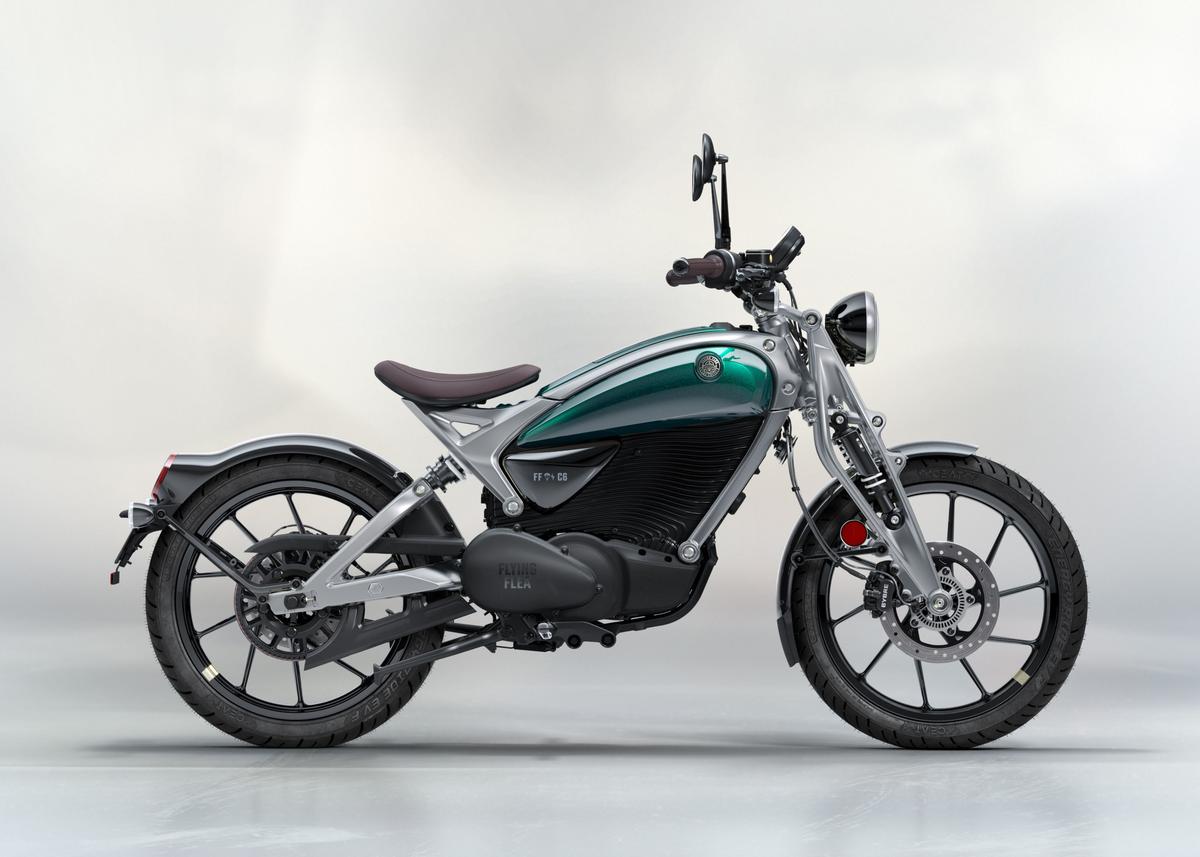
According to internal communications regarding the brand’s philosophy, the C6 was developed to address the "anxiety of the urban commuter." By focusing on a lightweight 124 kg frame, the company is responding to feedback that traditional electric motorcycles are often too heavy or cumbersome for daily city use.
The decision to develop the platform entirely in-house, rather than outsourcing the motor or battery management system, reflects a desire to maintain the "pure motorcycling" feel that is central to the brand’s DNA. The "in-house" approach ensures that the hardware and software are perfectly synced, allowing the bike to "learn" and adapt to an individual’s riding style over time.
Implications: Reshaping the Market Landscape
The introduction of the Flying Flea C6 has profound implications for the Indian automotive market and the global perception of Royal Enfield.
1. The Impact of Battery-as-a-Service (BaaS)
By pricing the bike at ₹1.99 lakh under the BaaS model, Royal Enfield is directly challenging the premium electric scooter market. If consumers embrace the idea of "renting" the battery, it could solve the single biggest hurdle in EV adoption: the high cost of battery replacement. This model also ensures that the manufacturer remains responsible for the recycling and second-life applications of the batteries, aiding environmental sustainability.
2. A Shift in Rider Demographics
The C6 is likely to attract a younger, more tech-savvy demographic that may have found the traditional Royal Enfield 350cc models too heavy or "old-school." The inclusion of cruise control, voice assist, and a programmable joystick-controlled interface aligns the motorcycle more with consumer electronics than traditional machinery.
3. Global Scaling Potential
While the rollout begins in Bengaluru, the Flying Flea platform is designed for global markets. In European and Southeast Asian cities, where "L-category" electric vehicles are gaining massive traction due to tightening emission norms, the C6 could become a significant export product for Royal Enfield.
4. Competitive Pressure
The C6 enters a space currently occupied by performance-oriented startups like Ultraviolette and established players like TVS and Bajaj. However, the Flying Flea’s combination of retro styling, premium forged components, and a robust service network gives it a unique "lifestyle" edge that its competitors may struggle to replicate.
Conclusion
The Flying Flea C6 is more than just a new model; it is a statement of intent. It proves that a brand rooted in the 1900s can pivot to the 2020s without losing its soul. By leveraging forged aluminum, advanced software, and a flexible ownership model, Royal Enfield is not just following the electric trend—it is attempting to lead it. As the first units hit the streets of Bengaluru in May 2026, the industry will be watching closely to see if this "Flea" can truly take flight in the competitive world of urban mobility.
Motorscribes, in association with The Hindu, brings you the latest in cars and bikes. Follow them on Instagram @motorscribes
