

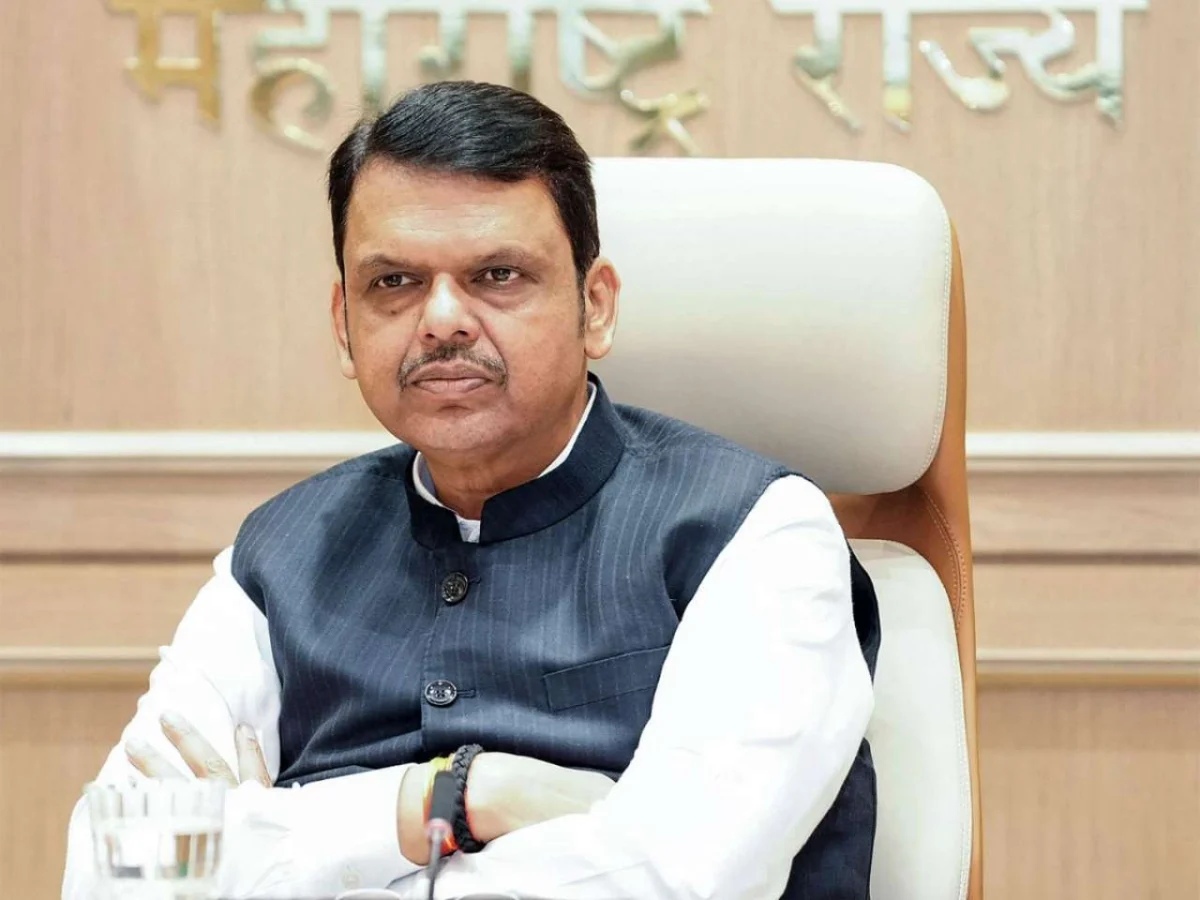
Mumbai, Maharashtra – June 27, 2026 – In a significant development following a suspected paper leak of the Maharashtra Teacher Eligibility Test (TET) 2026, Chief Minister Devendra Fadnavis has ordered the immediate formation of a Special Investigation Team (SIT) to probe the matter thoroughly. The directive comes amidst nationwide concern over examination integrity, exacerbated by the recent NEET 2026 controversy, and underscores the state government’s commitment to ensuring fair and transparent recruitment processes for educators.
The SIT, a crucial step towards uncovering the depth of the alleged leak and identifying all involved parties, will be headed by Thane Joint Commissioner of Police, Panjabrao Ugale. The meticulously constituted team will comprise a robust contingent of law enforcement officials, including Deputy Commissioner of Police (Zone 2) Pawan Bansod, two Assistant Commissioners of Police (ACPs), senior Police Inspectors (PIs), Assistant Police Inspectors (APIs), Police Sub-Inspectors (PSIs), and other specialized personnel. This multi-faceted approach signifies the gravity with which the Chief Minister’s office is treating the incident, aiming for a comprehensive and swift resolution.
)
The postponement of the Maharashtra TET 2026, initially scheduled for Sunday, June 28, was announced by the Maharashtra State Council of Examination (MSCE) following credible reports of a paper leak. The decision was made to safeguard the sanctity of the examination and prevent any potential disadvantage to genuine candidates. This proactive measure, taken just a day before the scheduled commencement of the exam, highlights the decisive action being taken by the authorities.

Unraveling the Allegations: Chronology of Events
The chain of events leading to the formation of the SIT and the exam’s postponement began to unfold with intelligence reports pointing towards illicit activities in Bhiwandi.
)
Early Information and Apprehension: Sources within the police department revealed that confidential information was received regarding individuals from outside Maharashtra intending to travel to Bhiwandi to distribute question papers for the TET 2026 exam. Acting swiftly on this tip-off, law enforcement agencies orchestrated a well-planned operation.
)
Decoy Operation and Arrests: A decoy was deployed to ensnare the suspected perpetrators. The operation proved successful, leading to the apprehension of three individuals. During the subsequent search, authorities recovered four distinct sets of question papers, along with incriminating evidence such as credit cards, debit cards, and a sum of cash. This recovery strongly suggested a pre-meditated plan to leak and potentially sell the examination papers.
)
Further Investigations: The three apprehended individuals were promptly brought to the Kongaon police station for extensive interrogation and further investigation. The information gathered from these initial arrests is expected to be pivotal in tracing the larger network involved in the alleged leak.
)
Official Announcement of Postponement: In light of these developments and to maintain the integrity of the recruitment process, the Maharashtra State Council of Examination (MSCE) issued an official statement confirming the postponement of the TET 2026 exam. The statement cited the alleged question paper leak, brought to light during a police probe in Bhiwandi, as the primary reason for this decision. The exam was slated to be held across the state on June 28.
)
The Broader Context: A Shadow Over Educational Integrity
The Maharashtra TET 2026 paper leak incident occurs at a particularly sensitive time for the nation’s education sector. It follows closely on the heels of the NEET 2026 exam paper leak controversy, which has ignited widespread outrage and serious questions about the robustness of the examination system at both state and national levels. The recurring nature of such leaks has fueled public anxiety and eroded trust in the fairness of competitive examinations, which serve as gateways to critical career opportunities for millions of young aspirants.
)
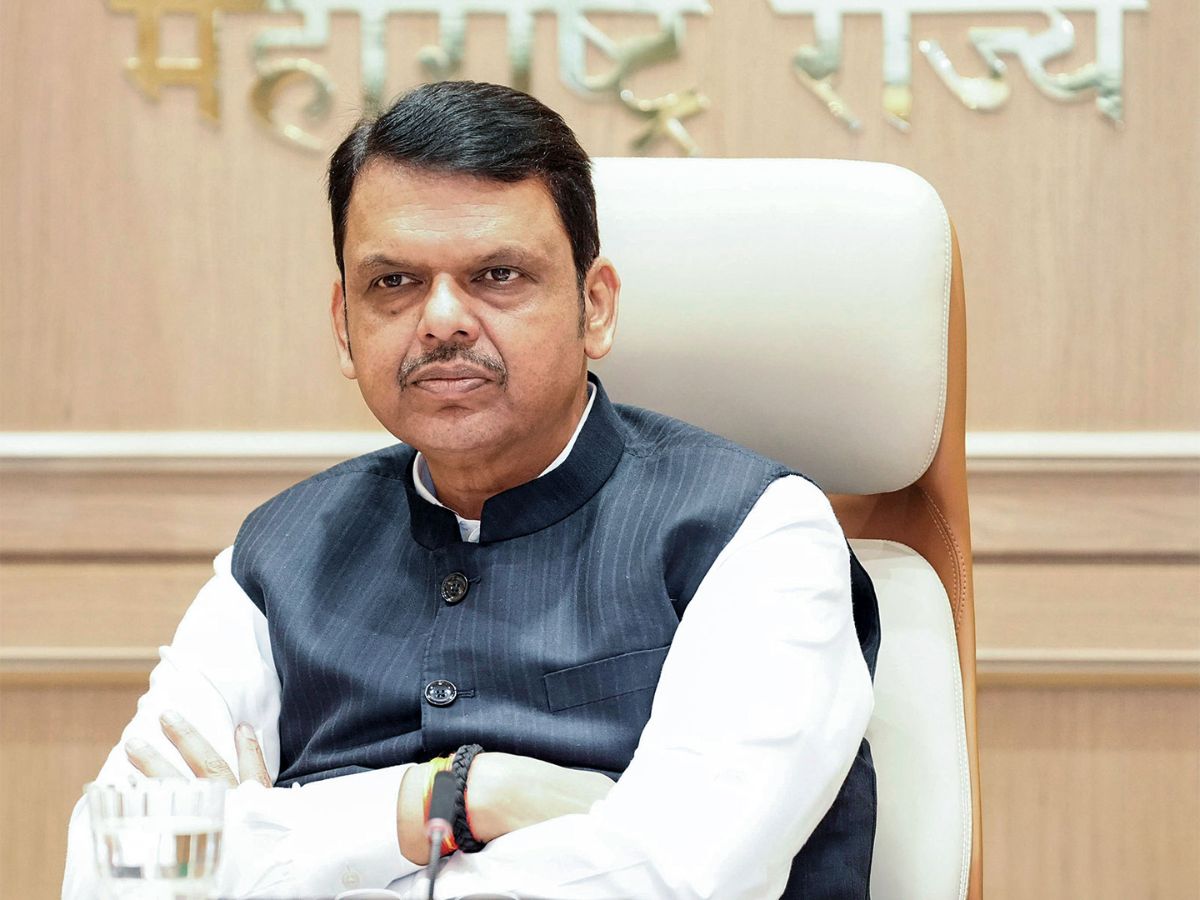
Chief Minister Devendra Fadnavis’s proactive stance on the TET 2026 leak case is also seen as a direct response to the growing public demand for accountability and stringent action against those who undermine the educational system. His personal engagement with key officials, including School Education Minister Dada Bhuse and Director General of Police (DGP) Sadanand Date, underscores the high priority being accorded to this investigation. The Chief Minister’s directive for "strictest action against the culprits" signals a clear message that such malpractices will not be tolerated.
)
The Structure and Mandate of the Special Investigation Team (SIT)
The composition of the SIT reflects a strategic approach to tackling a complex criminal enterprise. By bringing together experienced officers from various branches of the police force, the SIT is equipped with diverse skill sets necessary for a thorough investigation.
)
Leadership: Thane Joint CP Panjabrao Ugale, a seasoned officer with a proven track record in handling sensitive cases, has been entrusted with the crucial responsibility of leading the SIT. His leadership is expected to provide strategic direction and ensure coordinated efforts.
)
Key Personnel:
)
- DCP (Zone 2) Pawan Bansod: His role will be critical in overseeing ground-level operations and liaising with local law enforcement agencies. Dr. Bansod’s direct interaction with the media, as reported, provided initial insights into the operational details of the apprehension.
- Two ACPs: These officers will likely be assigned specific aspects of the investigation, such as evidence collection, witness interviews, or financial trail analysis.
- Senior Police Inspectors (PIs): PIs will play a vital role in managing teams of investigators, conducting raids, and ensuring the smooth execution of investigative procedures.
- Assistant Police Inspectors (APIs) and Police Sub-Inspectors (PSIs): These officers will form the backbone of the investigative teams, undertaking day-to-day tasks, gathering intelligence, and processing evidence.
- Other Personnel: The inclusion of "other personnel" suggests that the SIT may also draw upon specialized expertise from units like cybercrime, forensic science, or financial investigation, depending on the evolving needs of the probe.
The mandate of the SIT will extend beyond merely identifying the individuals apprehended in Bhiwandi. It is expected to delve into the entire modus operandi of the paper leak, tracing the origin of the leaked papers, identifying the kingpins, understanding the distribution network, and uncovering any potential complicity of individuals within the examination conducting body or associated institutions. The SIT will also be tasked with identifying the beneficiaries of the leak and ensuring that all those involved, regardless of their position or influence, are brought to justice.
)
Supporting Data and Official Statements
The initial information provided by Dr. Pawan Bansod, DCP (Zone 2), to ANI, offers a glimpse into the operational success of the police. His statement highlighted:
)
- Confidential Intelligence: The operation was initiated based on credible, confidential information about external individuals involved in selling question papers.
- Decoy and Apprehension: The use of a decoy proved effective in apprehending the suspects red-handed.
- Evidence Recovery: The recovery of four different sets of question papers, along with financial instruments like credit and debit cards, and cash, provides substantial evidence of the alleged crime.
The official statement from the MSCE regarding the postponement of the TET 2022 exam was concise but impactful: "The Maharashtra State Council of Examination (MSCE) has postponed the Teacher Eligibility Test (TET) 2026, scheduled for June 28, across the state, following an alleged question paper leak that came to light during a police probe in Bhiwandi." This statement, while brief, confirms the official recognition of the leak and the rationale behind the postponement.
)
Implications and the Path Forward
The Maharashtra TET 2026 paper leak has several significant implications:
)
- Impact on Aspiring Teachers: The postponement directly affects thousands of candidates who had prepared diligently for the examination. The uncertainty and delay can lead to stress and anxiety, potentially impacting their career timelines.
- Erosion of Public Trust: Recurring examination leaks continue to erode public trust in the fairness and transparency of the education system. This can lead to disillusionment among students and parents, and increased skepticism towards government-conducted examinations.
- Need for Systemic Reforms: The incident underscores the urgent need for robust security measures and stringent checks at all stages of the examination process, from paper setting to distribution and invigilation. This may involve enhanced technological safeguards, stricter background checks for personnel involved, and more rigorous auditing mechanisms.
- Accountability and Deterrence: The swift formation of the SIT and the Chief Minister’s call for strict action aim to ensure accountability and deter future perpetrators. A thorough and transparent investigation, leading to the prosecution of all guilty parties, will be crucial in restoring confidence.
- Focus on Educational Governance: The recurring scandals necessitate a broader conversation about educational governance and the oversight mechanisms in place to prevent such malpractices. This includes reviewing the roles and responsibilities of examination conducting bodies and ensuring their independence and integrity.
As the SIT begins its intensive investigation, the citizens of Maharashtra and the nation will be watching closely. The hope is that this inquiry will not only bring the culprits to book but also pave the way for systemic reforms that safeguard the future of education and ensure that opportunities are awarded based on merit and hard work, not on the illicit gains of a few. The commitment shown by Chief Minister Fadnavis in ordering a high-level SIT is a positive step, but the ultimate success will lie in the thoroughness of the investigation and the visible implementation of corrective measures.
