

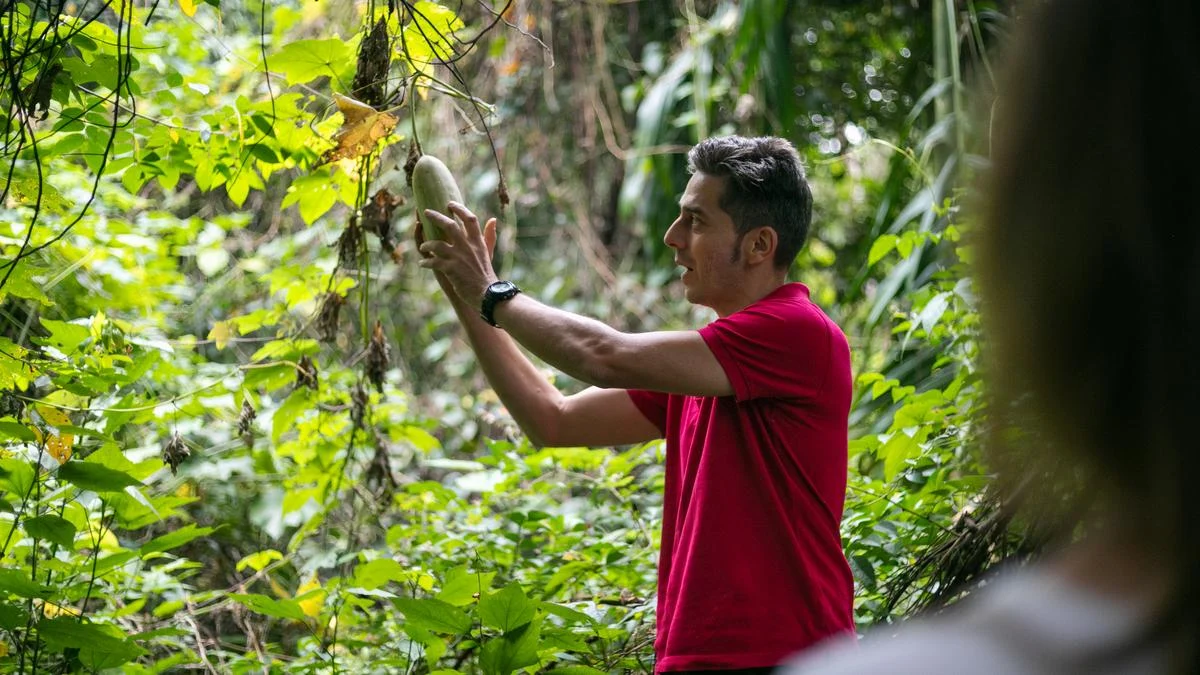
Executive Summary: The Seasonal Pulse of Goa
As the mercury rises across the coastal state of Goa during the months of April and May, a distinct cultural phenomenon takes hold, one that transcends the typical tourist narrative of sun and sand. This is the season of Urrak, a cloudy, nectar-like spirit that serves as the first distillate of fermented cashew apple juice. Unlike its more famous, double-distilled successor, Feni, Urrak is a fleeting seasonal treasure—a "lightly spiked" precursor that captures the very essence of the Goan summer.
The production and consumption of Urrak are deeply embedded in the state’s social fabric. From the village taverns of Quepem and Canacona to the lush plantations of the Western Ghats, the drink is more than a beverage; it is a social currency. This report explores the traditional methods of production, the multi-generational legacies of distilling families, the etymological roots of the spirit, and the evolving landscape of "farm-to-bottle" heritage tourism in Goa.
Main Facts: Understanding the First Distillate
Urrak is often misunderstood by those outside the Konkan belt. To understand Urrak is to understand the lifecycle of the cashew apple (Anacardium occidentale). While Feni is the refined, high-proof end product that can be aged and bottled for years, Urrak is its raw, exuberant sibling.

Technical Profile
- Source: Fermented juice of the cashew apple.
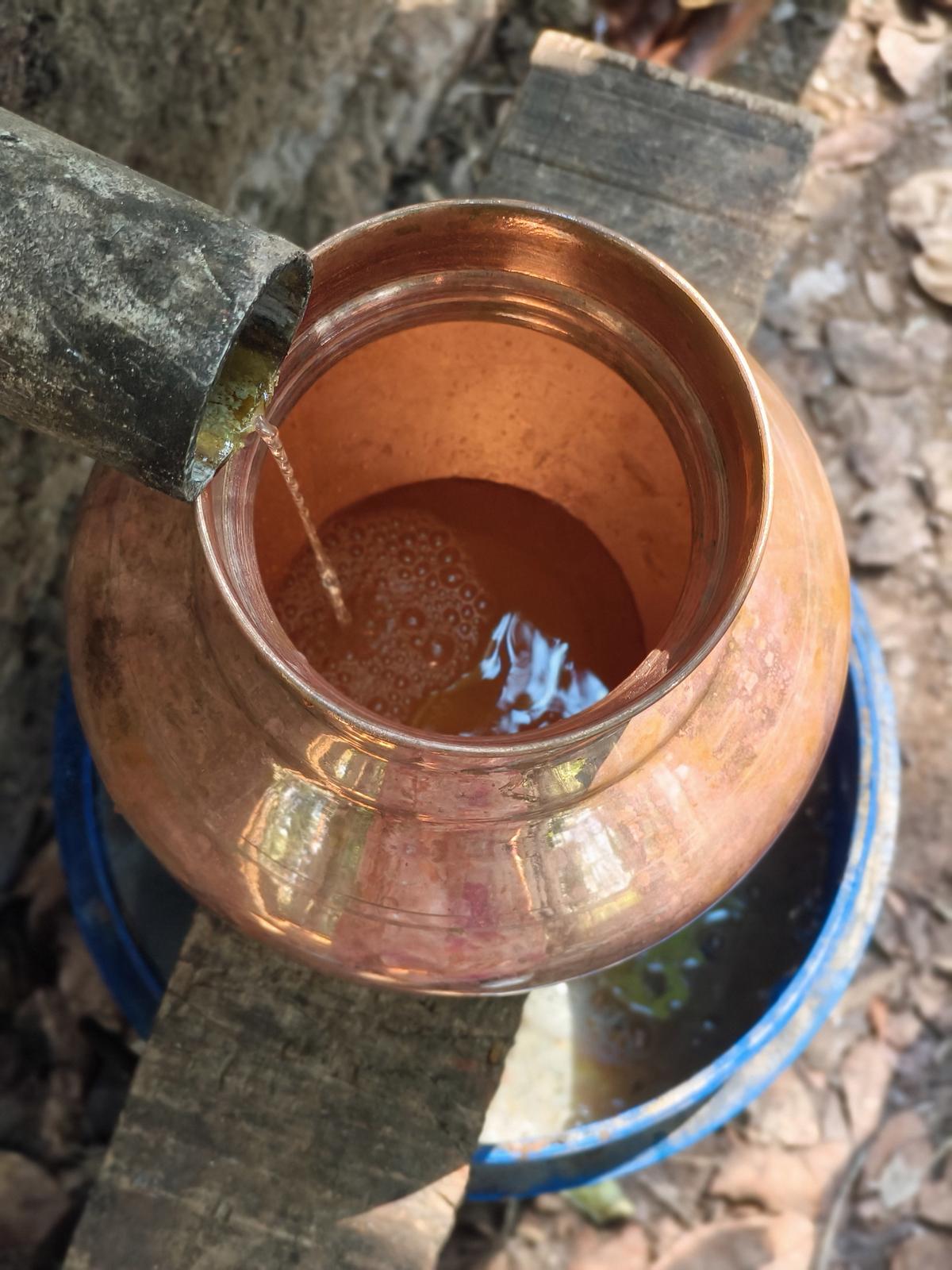
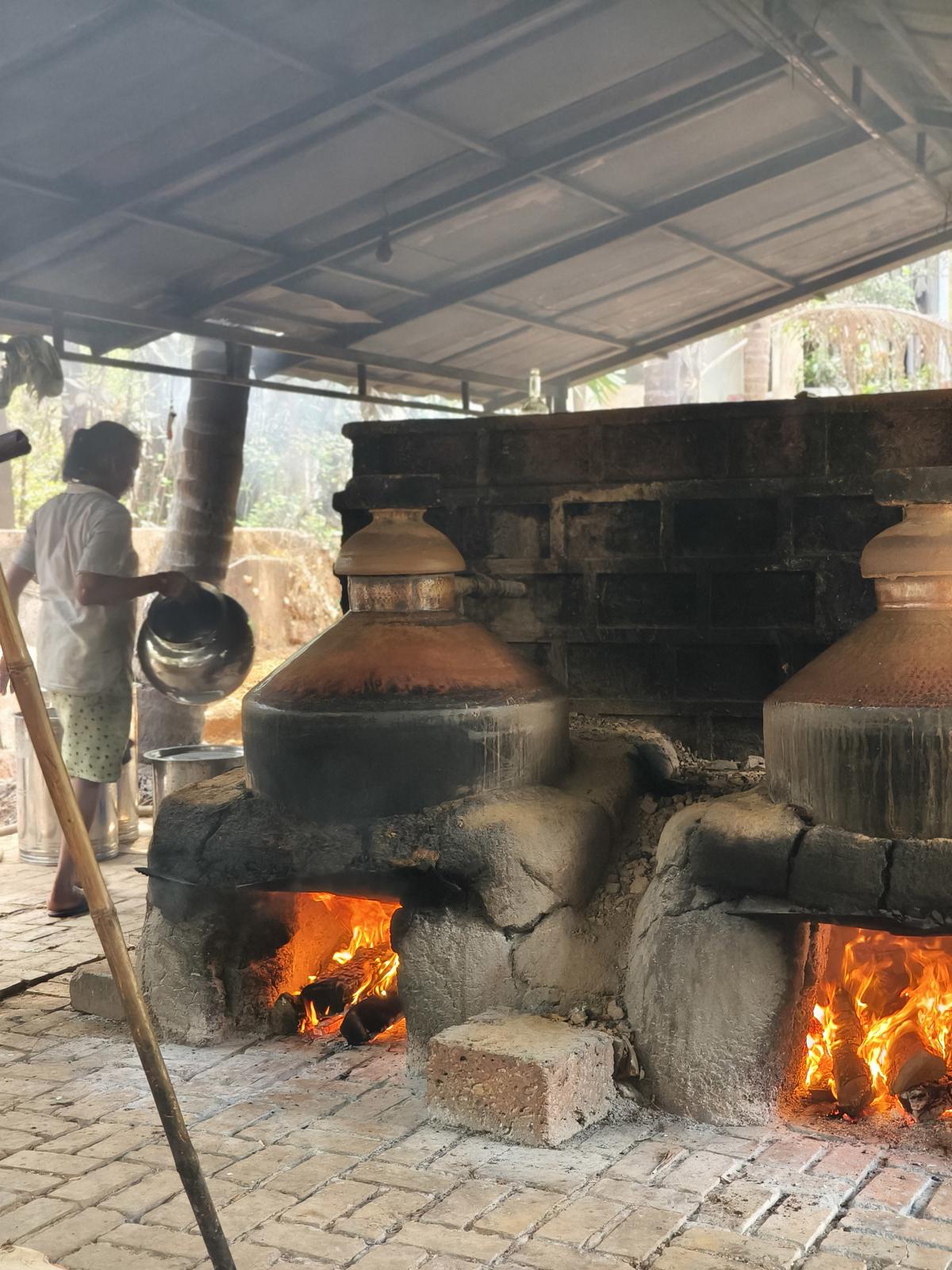
- Distillation: Single-distilled in traditional pot stills known as bhaans.
- Alcohol Content: Typically ranges between 12% to 15% ABV, significantly lower than Feni’s 40-45%.
- Seasonality: Strictly limited to the cashew harvest (March to May).
- Flavor Profile: Highly aromatic, fruity, and slightly acidic, with a characteristic "funky" sweetness.
The Ritual of Consumption
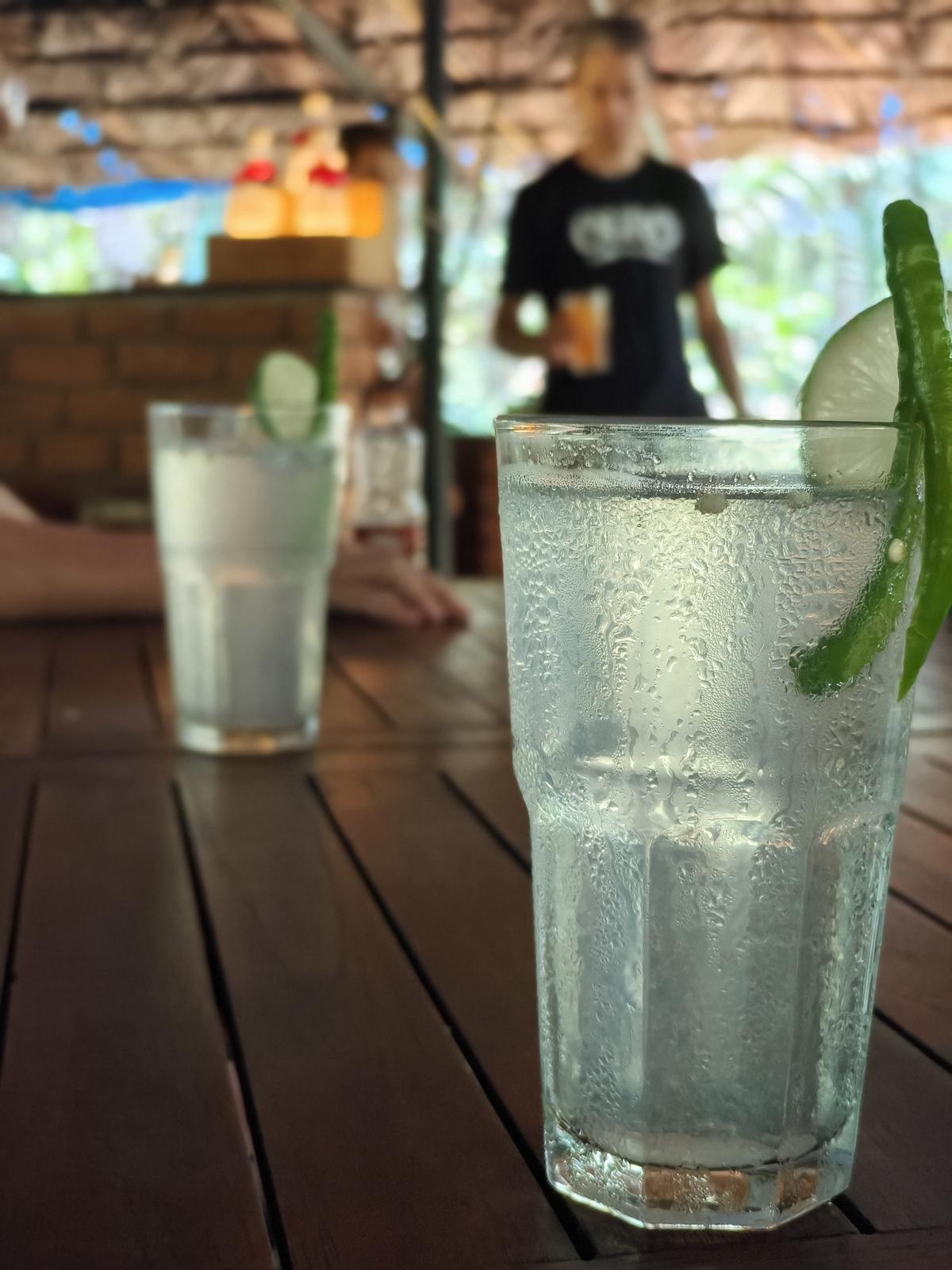
Locals traditionally consume Urrak with a specific set of accompaniments: a splash of lemonade (often Limca), a pinch of salt, and a slit green chili. This combination is designed to balance the spirit’s inherent sweetness and the sweltering humidity of the Goan pre-monsoon heat. The "barter" system remains alive in rural pockets, where freshly filled, reused glass bottles are exchanged as greetings among neighbors, often with the proud proclamation that a particular batch from a specific village is "the best."
Chronology: A Legacy Rooted in Centuries
The history of cashew distillation in Goa is a timeline of botanical migration and local innovation.
- The 16th Century: Portuguese explorers introduce the cashew tree from Brazil to Goa, primarily to prevent soil erosion. Locals soon discover the potential of the pseudo-fruit (the cashew apple), which was previously discarded in favor of the nut.
- Late 1800s: The Diniz family begins distilling operations in Cotombi. This era marks the formalization of family-run distilleries that would survive for over four generations.
- The 1980s: A shift toward ecological restoration begins. Ajit Malkarnekar acquires 50 acres of barren laterite land in Karmane village, setting the stage for what would become the Dudhsagar Plantation—a model for sustainable cashew cultivation.
- 2009: Feni receives the Geographical Indication (GI) tag, providing a legal framework that protects the traditional methods used to produce both Feni and its precursor, Urrak.
- The Present Day: A movement toward "Urrak Tourism" emerges, where distillers debate the balance between maintaining the sanctity of their heritage and opening their doors to a "farm-to-table" obsessed public.
Supporting Data: The Science and Geography of the Still
The production of Urrak is a labor-intensive process that relies on artisanal knowledge rather than industrial machinery.
The Geography of Taste
The terroir of Goa plays a vital role in the flavor of the spirit. The southern talukas of Quepem and Canacona are widely regarded as the "gold standard" for Urrak. The soil composition and the specific microclimates of these regions produce cashew apples with a higher sugar content, leading to a more robust fermentation.
The Distillation Process
The process begins with the "stomping" of the fruit. In traditional plantations like Dudhsagar, cashews are still crushed underfoot in stone basins, though mechanical presses are becoming more common elsewhere. The juice is then collected and allowed to ferment naturally in earthen or plastic vats for several days.
The fermented juice is moved to the bhaan, a traditional copper pot still. As the liquid simmers over a wood fire, the vapors are condensed through a cooling system—often a water-filled trough—resulting in the first distillate: Urrak.
Economic Impact
During the peak months of April and May, the local liquor market undergoes a seismic shift. Solomon Diniz, a major stakeholder in South Goa’s liquor industry, notes that sales of premium aged spirits and commercial liquors drop drastically during this window. The population shifts almost entirely to freshly brewed Urrak, highlighting its dominance over the seasonal economy.
Official Responses and Expert Insights: The Gatekeepers of Tradition
The Distiller’s Perspective: Solomon Diniz
Solomon Diniz, the force behind Tinto Feni and Adinco Distilleries, represents the fourth generation of distillers in Cotombi. For Diniz, the production of Urrak is an act of nostalgia. He describes the landscape of Cotombi—with its gold-glowing paddy fields and fruit-laden mango trees—as a place that "has never felt the need to explain itself."
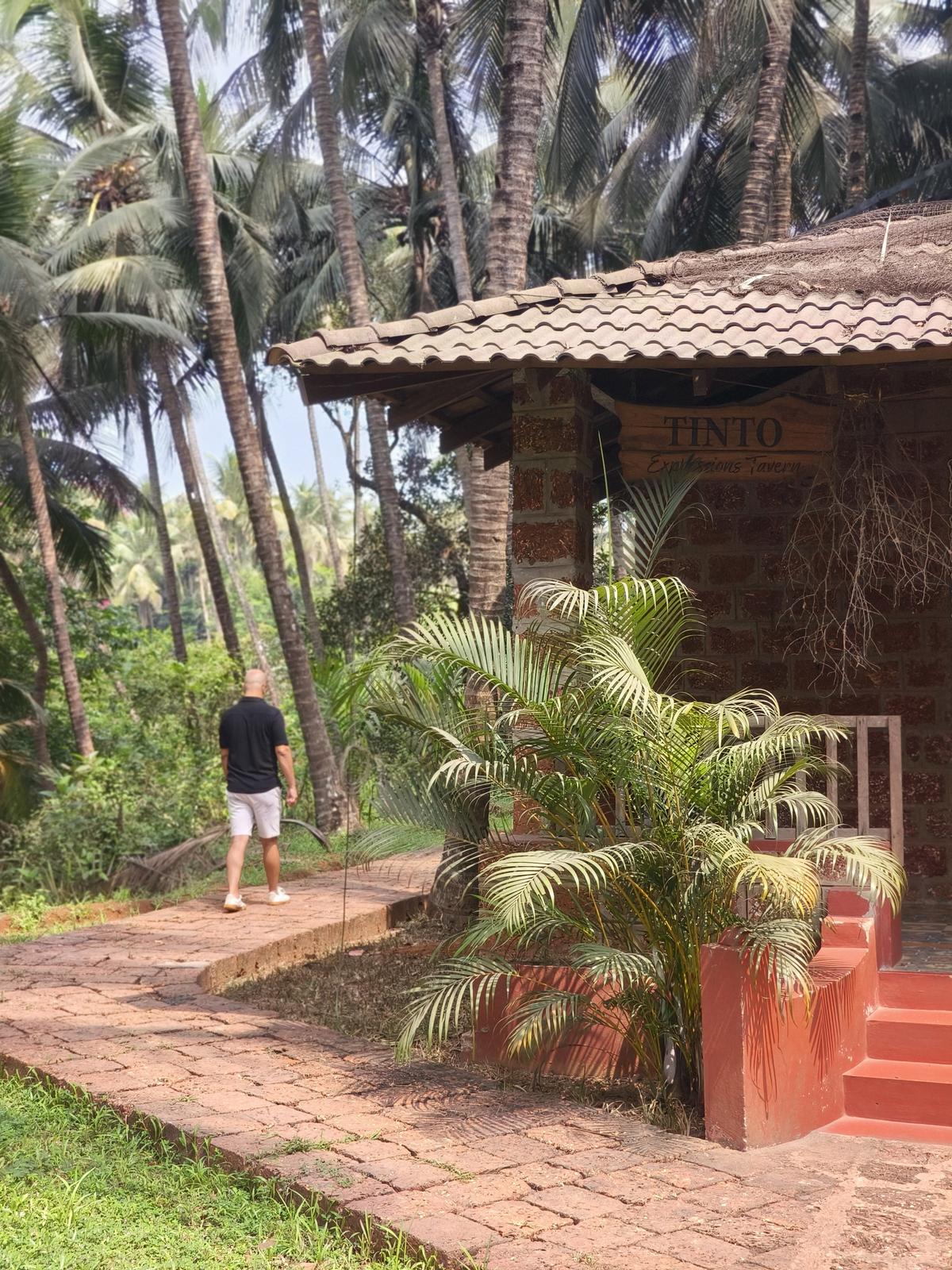
Diniz acknowledges the commercial challenge: "Everyone is only drinking freshly brewed Urrak! During these two months, sales of our other products drop." However, he views this not as a loss, but as a testament to the drink’s cultural grip. His Tinto Expressions Tavern in Quepem serves as a sanctuary for aficionados to test the "calibrated" quality of the season’s best batches.
The Ecological Visionary: The Malkarnekars
At the Dudhsagar Plantation, Ajit Malkarnekar and his son Ashok have turned 50 acres of red-rust laterite soil into a thriving tropical ecosystem. Their approach to Urrak is philosophical.
"Know your trees, know your fruit, don’t rush anything," says Ashok Malkarnekar. The plantation operates on a "circular-living" system where nothing is wasted. The cashew apple pulp, after juicing, is often used as organic fertilizer or cattle feed. For the Malkarnekars, the next generation has not just inherited the distillery; they have "chosen" it as a radical alternative to the "instant everything" culture of the modern era.
The Historian’s View: Hansel Vaz
Hansel Vaz, often referred to as the "Feni Dotor" (Doctor of Feni), provides the intellectual framework for the spirit. During recent symposia, Vaz has traced the etymology of "Urrak"—historically recorded as hurrak, urrac, or urraca.
Vaz argues that the word likely has Arabic roots, originally referring to distillates made from coconut palm sap. He suggests that the cashew fruit, with its overwhelming fragrance and seasonal abundance, "hijacked" the vocabulary. Early historical references do not point to cashew, but the success of the crop in Goa eventually made the name synonymous with the cashew distillate we know today.
Implications: The Future of a Fragile Heritage
The current state of Urrak production sits at a crossroads between traditional "gatekeeping" and modern experiential tourism.
Heritage Tourism vs. Preservation
There is an ongoing debate among distillers about whether to fully commoditize the Urrak experience. While "plantation hopping" is becoming a popular activity for domestic and international tourists, there is a fear that over-commercialization might dilute the authenticity of the process. However, in a culinary climate where "farm-to-table" is the ultimate aspiration, the transparency of the bhaan and the stone crushing pit is a significant draw.

Sustainability and Climate Change
The reliance on a narrow two-month window makes the Urrak industry highly vulnerable to climate fluctuations. Unseasonal rains or extreme heat waves can affect the flowering of the cashew trees, potentially shortening the season or altering the sugar content of the fruit. The "circular" philosophy of plantations like Dudhsagar offers a blueprint for resilience, but the broader industry faces challenges in maintaining consistency without resorting to industrial additives.
Cultural Identity
Urrak remains one of the few remaining "unspoiled" cultural markers of Goa. Unlike the nightlife of North Goa, which has been heavily influenced by global trends, the Urrak season in the South remains stubbornly local. It represents a "landscape that lumbers on at its own pace," serving as a reminder of a Goa that remains connected to its soil and its seasons.
Conclusion
As the writers and raconteurs of Goa observe, to drink Urrak is to know "how" to drink—best appreciated at the source, under the shade of a jackfruit tree, as the afternoon sun bakes the earth. Whether it is through the multi-generational mastery of the Diniz family, the ecological dedication of the Malkarnekars, or the historical preservation of the Vaz family, Urrak stands as a liquid testament to Goan resilience and the enduring power of tradition.
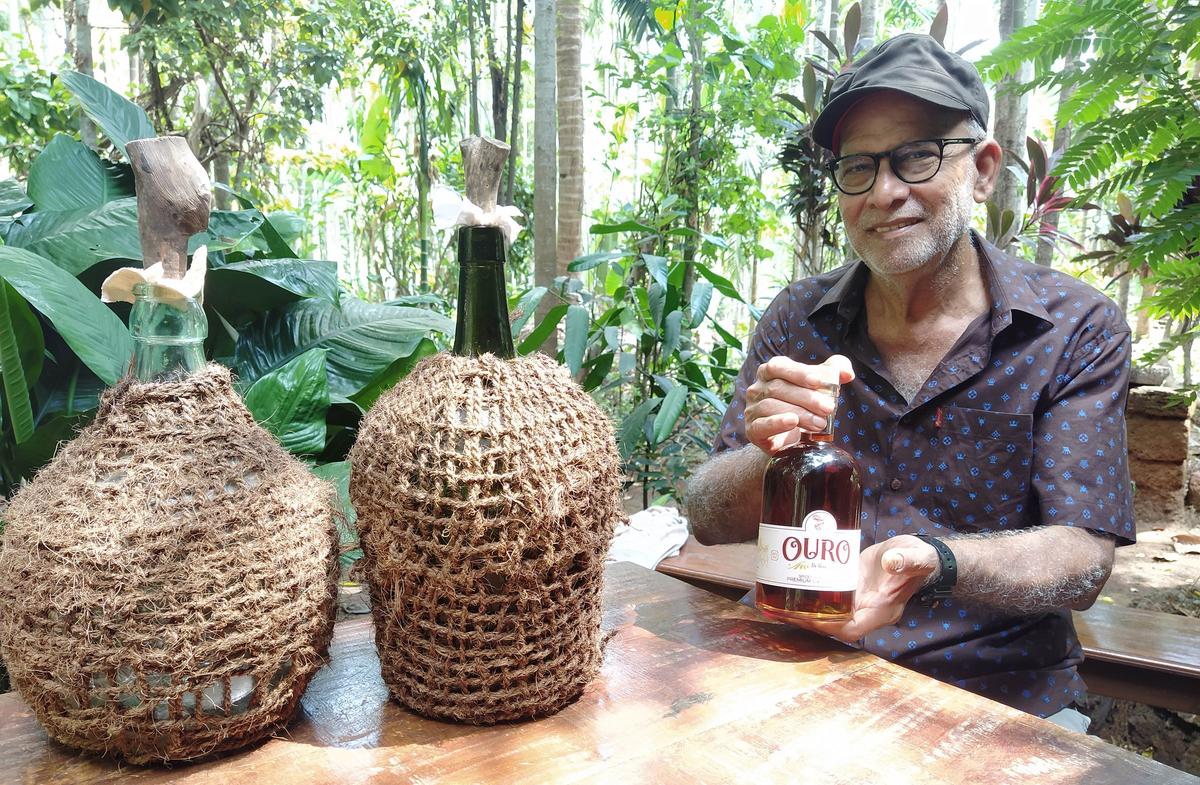
For a few fleeting weeks each year, the "best Urrak" isn’t just a drink; it is the very soul of the state, bottled in a recycled glass container and shared with a neighbor.
