

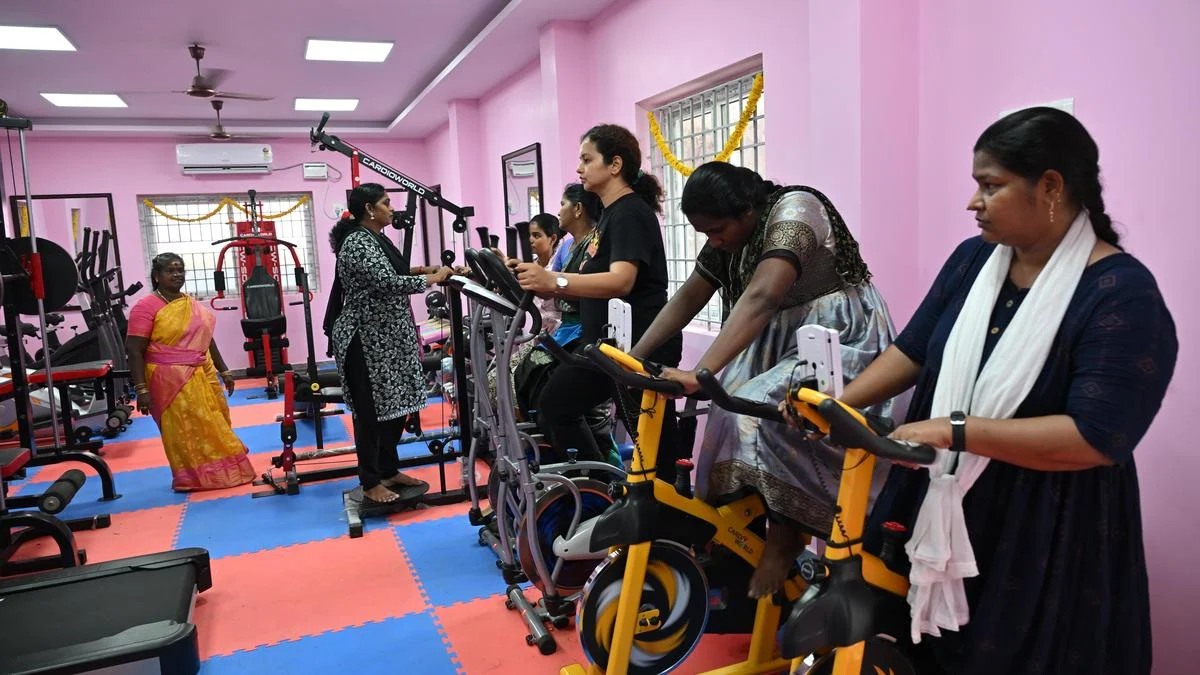
Chennai, India – July 11, 2026 – A once-blighted parcel of land on Fourth Trust Link Street in Santhome, Mylapore, notorious for its daily transformation into an unofficial dumping ground, has undergone a remarkable metamorphosis. In a significant stride towards promoting community health and empowering women, the Greater Chennai Corporation (GCC) has inaugurated a state-of-the-art women’s gym on this very site. This initiative, funded by a substantial investment of ₹80 lakh drawn from the Mayor’s Fund and the Councillor’s Fund, represents a beacon of positive change, turning a persistent civic nuisance into a vibrant hub for fitness and well-being.
The transformation of this neglected space, situated adjacent to a GCC-run middle school, is more than just an aesthetic upgrade; it signifies a strategic investment in the health and social fabric of the Santhome community. The project, located in Ward 126, was officially unveiled on July 8, 2026, by Mylapore MLA P. Venkataramanan, with the presence of Ward 126 Councillor Amirtha Varshini, underscoring the collaborative effort and political will behind this transformative endeavor.
A Strategic Location and Accessible Design
The new women’s gym boasts a highly accessible location, situated approximately 200 meters from the bustling Santhome High Road, near the site of the former registrar office. This strategic positioning is anticipated to be a key factor in encouraging widespread patronage, making it convenient for a diverse range of women in the vicinity to incorporate fitness into their daily routines. The proximity to a major thoroughfare not only enhances visibility but also simplifies access for those commuting from various parts of the neighborhood.
The architectural design and placement of the gym have been thoughtfully considered to maximize its utility and appeal. By repurposing a space that was previously an environmental and social liability, the GCC has demonstrated a proactive approach to urban regeneration and community development. The visual impact of a clean, modern facility replacing a site marred by waste is a testament to the project’s success in addressing both functional and aesthetic concerns.
Tailored Timings for Diverse Lifestyles
Recognizing the multifaceted demands placed upon women in contemporary society, the gym’s operating hours have been meticulously crafted to cater to a broad spectrum of schedules. The facility is open from 6 a.m. to 10 a.m. in the mornings and again from 4 p.m. to 8 p.m. in the evenings. This dual-session approach is designed to accommodate the needs of both early-rising working professionals and homemakers who may have more flexibility in the afternoons.
The morning slot is particularly beneficial for working women, allowing them to complete their daily fitness regimen before embarking on their professional commitments. For homemakers, the early morning hours provide an opportunity to engage in physical activity before the demands of managing family members heading to school, college, or work begin.
Furthermore, the afternoon and evening sessions offer a crucial window for women who are occupied with domestic responsibilities during the day, or those who prefer to exercise after the peak hours of household management. The staggered timings acknowledge that a "one-size-fits-all" approach to fitness scheduling is rarely effective and that flexibility is paramount to encouraging consistent engagement.
There is a palpable sentiment among residents, however, that the morning session could be further extended by an hour or two. This proposed adjustment would provide even greater convenience for homemakers who could then seamlessly integrate their workouts after completing their morning chores, further enhancing the gym’s accessibility and user-friendliness.
Beyond the Clock: A Commitment to Flexibility
Adding a personal touch to the operational ethos of the gym is its in-charge, Ms. B. Thangam. Ms. Thangam has expressed a remarkable degree of flexibility, indicating her willingness to extend the gym’s operating hours beyond the stipulated times if it would genuinely assist an individual in need. This commitment to personalized service, going the extra mile to accommodate members, fosters a welcoming and supportive environment that is crucial for sustained engagement with fitness.
This approach to management signifies a departure from rigid, institutionalized service delivery. It underscores a community-centric philosophy where the well-being of the members is prioritized, creating a space that feels less like a public facility and more like a supportive community initiative. Such flexibility can be a powerful motivator, especially for individuals who may face unforeseen circumstances or have highly variable schedules.

Voices of Appreciation: A Community Transformed
The positive impact of the new gym is already being felt within the community, with residents and educators alike expressing their delight and gratitude. Ms. Geetha Lakshmi, a teacher at the Corporation school located within the same compound, shared her enthusiastic endorsement. "The place where the gym stands now had gone to seed," she remarked. "Raising a gym there is the best thing to have happened to the place, residents and habitués of the area. For the last two days that the gym has been open, teachers from this school have been dropping in for workouts after school hours. Having this facility next door is a great convenience."
Ms. Lakshmi’s testimony highlights the dual benefits of the project: urban rejuvenation and enhanced convenience for local institutions. The gym’s presence has not only beautified the area but has also provided an immediate, tangible benefit to the school’s staff, demonstrating a ripple effect of positive change.
Ms. Felci Therese, a resident of Santhome, echoed this sentiment, emphasizing the economic boon the facility represents. She noted, "All the other gyms in the area being paid facilities, the Corporation gym is a boon to the neighborhood." This observation underscores the crucial role of public amenities in ensuring equitable access to health and wellness resources, particularly for those who may find private fitness clubs financially prohibitive. The GCC’s initiative democratizes fitness, making it accessible to a wider demographic.
Ms. Vanitha R., another resident of Santhome, provided a detailed account of the gym’s impressive facilities, painting a picture of a well-equipped and thoughtfully designed space. "At this gym, there are dedicated weight training and strength sections, 8-10 cardio machines including treadmills, cycles, ellipticals, plus dumbbells, twisters, and training benches," she explained. "There are yoga mats for terrace and outdoor yoga – a rare touch that encourages holistic wellness."
Her description highlights the comprehensive nature of the gym, offering a diverse range of equipment to cater to various fitness preferences and goals. The inclusion of dedicated weight training and strength sections, alongside a robust selection of cardio machines, ensures that members can engage in a well-rounded fitness program. The provision of yoga mats for both terrace and outdoor use is a particularly noteworthy feature, promoting a holistic approach to wellness that extends beyond traditional gym workouts and embraces mind-body practices. This element of outdoor fitness opportunities is a refreshing addition, leveraging the local climate and encouraging a connection with the environment.
Chronology of Transformation: From Neglect to Nurturing
The journey of this land parcel from a site of civic neglect to a center of community health can be traced through several key stages:
- Past: The vacant land on Fourth Trust Link Street in Santhome was consistently misused as a clandestine dumping ground for garbage by local residents and passersby. This not only created an unsightly environment but also posed significant public health and sanitation challenges for the adjacent Greater Chennai Corporation-run middle school and the wider community.
- Initiation of Project: Recognizing the persistent problem and the untapped potential of the land, the Greater Chennai Corporation, under the leadership of the Mayor and with the support of local councillors, identified it as a prime location for a community-focused initiative. The decision was made to establish a dedicated women’s gym, aiming to address both the environmental issue and the growing need for accessible fitness facilities.
- Funding Allocation: A substantial budget of ₹80 lakh was allocated for the project. This funding was strategically drawn from the Mayor’s Fund and the Councillor’s Fund, reflecting a commitment from both executive and local representative levels to invest in public infrastructure and community well-being.
- Construction and Development: The vacant land was cleared, and a modern gym facility was constructed. This phase involved meticulous planning to ensure the gym was equipped with up-to-date fitness machinery and designed to be a welcoming and safe space for women.
- Inauguration: On July 8, 2026, the newly established women’s gym was officially inaugurated. The ceremony was presided over by Mylapore MLA P. Venkataramanan, with Councillor of Ward 126, Amirtha Varshini, also in attendance. This marked the official opening of the facility to the public.
- Operational Commencement: Following the inauguration, the gym commenced its operations with carefully planned timings designed to maximize accessibility for its target demographic. The initial days have been met with overwhelmingly positive feedback from the community.
Supporting Data and Community Impact
The establishment of the Santhome Women’s Gym is supported by several key data points and observable impacts:
- Financial Investment: A significant investment of ₹80 lakh, sourced from the Mayor’s Fund and the Councillor’s Fund, demonstrates the Corporation’s commitment to the project’s success and its perceived value to the community.
- Geographic Accessibility: The gym’s location approximately 200 meters from Santhome High Road is a strategic advantage, making it easily reachable for a large number of residents.
- User Demographics: The facility is specifically designed for women, addressing a critical need for safe and dedicated fitness spaces. The flexible timings are tailored to accommodate working women, homemakers, and students.
- Community Feedback: Initial feedback from users like Ms. Geetha Lakshmi, Ms. Felci Therese, and Ms. Vanitha R. indicates high levels of satisfaction with the facility, its accessibility, and its comprehensive offerings.
- Environmental Improvement: The transformation of a garbage dumping spot into a functional fitness center represents a significant improvement in the local environment, enhancing public health and aesthetic appeal.
- Economic Benefit: By providing a free or low-cost fitness option, the gym offers an economic benefit to residents who might otherwise face financial barriers to accessing private gyms.
Official Responses and Future Outlook
The inauguration ceremony itself, attended by the Mylapore MLA and the local Councillor, signifies official endorsement and recognition of the project’s importance. Councillor Amirtha Varshini’s presence underscores the local governance’s dedication to improving community infrastructure and addressing specific needs within Ward 126. The utilization of funds from both the Mayor’s and Councillor’s coffers highlights a coordinated effort between different tiers of the municipal government.
The GCC’s commitment to transforming neglected spaces into valuable community assets is evident in this project. By investing in facilities like the Santhome Women’s Gym, the Corporation aims to foster a healthier, more engaged, and empowered citizenry. The success of this initiative is likely to serve as a model for future urban development projects in Chennai, particularly in repurposing underutilized or problematic public spaces for the benefit of residents.
The future outlook for the Santhome Women’s Gym appears bright. With its strategic location, thoughtful operational hours, and a commitment to flexibility, it is poised to become a cornerstone of the community’s wellness journey. The continued engagement and feedback from its members, such as the suggestion for extended morning hours, will be crucial in further refining its services and ensuring its long-term success. As more women discover and utilize this facility, it is expected to contribute significantly to improved public health outcomes, enhanced social cohesion, and a greater sense of empowerment within the Santhome neighborhood. The journey from a garbage-strewn eyesore to a sanctuary of health and well-being is a powerful testament to what strategic urban planning and community-focused initiatives can achieve.
