

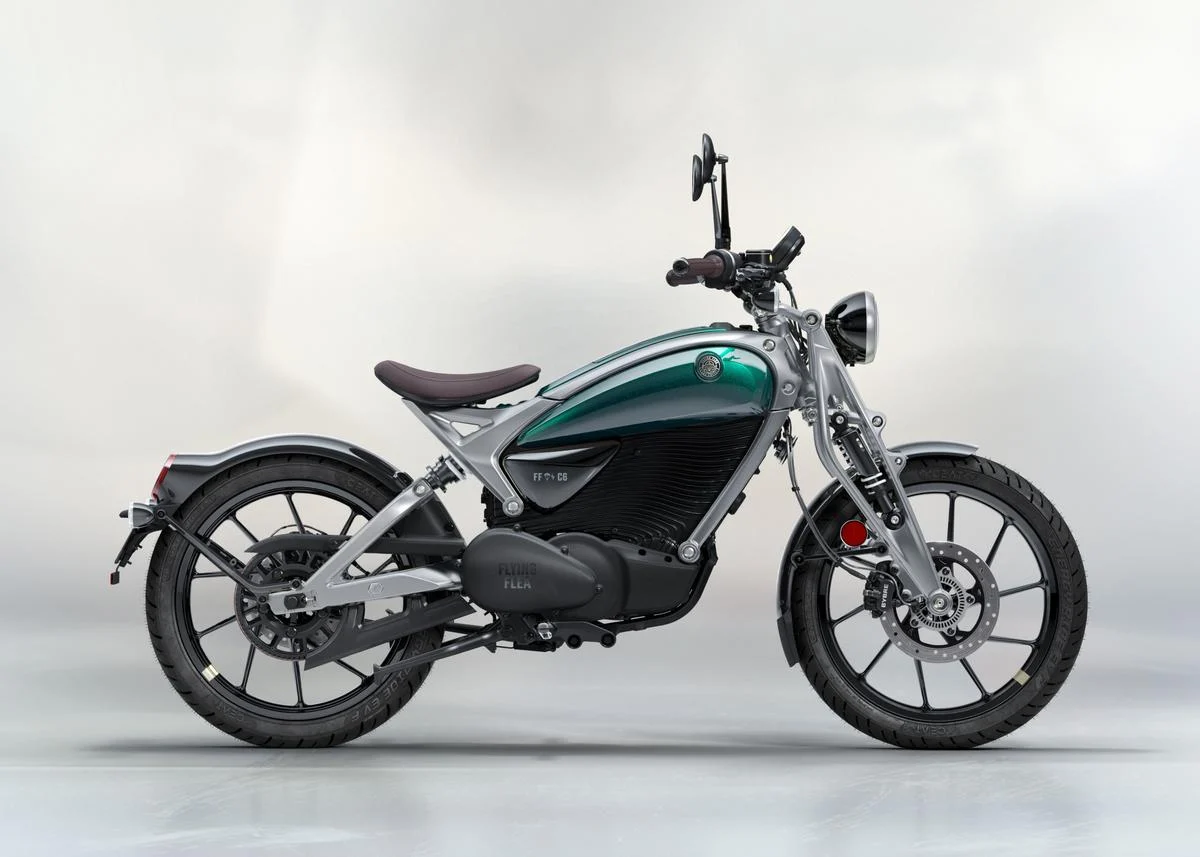
In a landmark shift for one of the world’s oldest motorcycle manufacturers in continuous production, Royal Enfield has officially entered the electric vehicle (EV) segment. The unveiling of the Flying Flea C6 marks not just the arrival of a new model, but the birth of a dedicated electric sub-brand. Designed from the ground up on an entirely new platform, the C6 represents a departure from the heavy, long-distance cruisers that have defined the brand for decades, pivoting instead toward a lightweight, tech-driven future for the modern urban commuter.
The Flying Flea C6 is a deliberate blend of Royal Enfield’s historical DNA and forward-looking innovation. By leveraging a nameplate with deep roots in military history and marrying it to cutting-edge connectivity and battery technology, the company aims to redefine what a premium electric motorcycle looks like in the Indian and global markets.
I. Main Facts: A New Architecture for a New Era
The Flying Flea C6 is not an electrified version of an existing internal combustion engine (ICE) model like the Classic 350 or the Himalayan. It is built on a bespoke electric architecture developed entirely in-house.
Performance and Powertrain
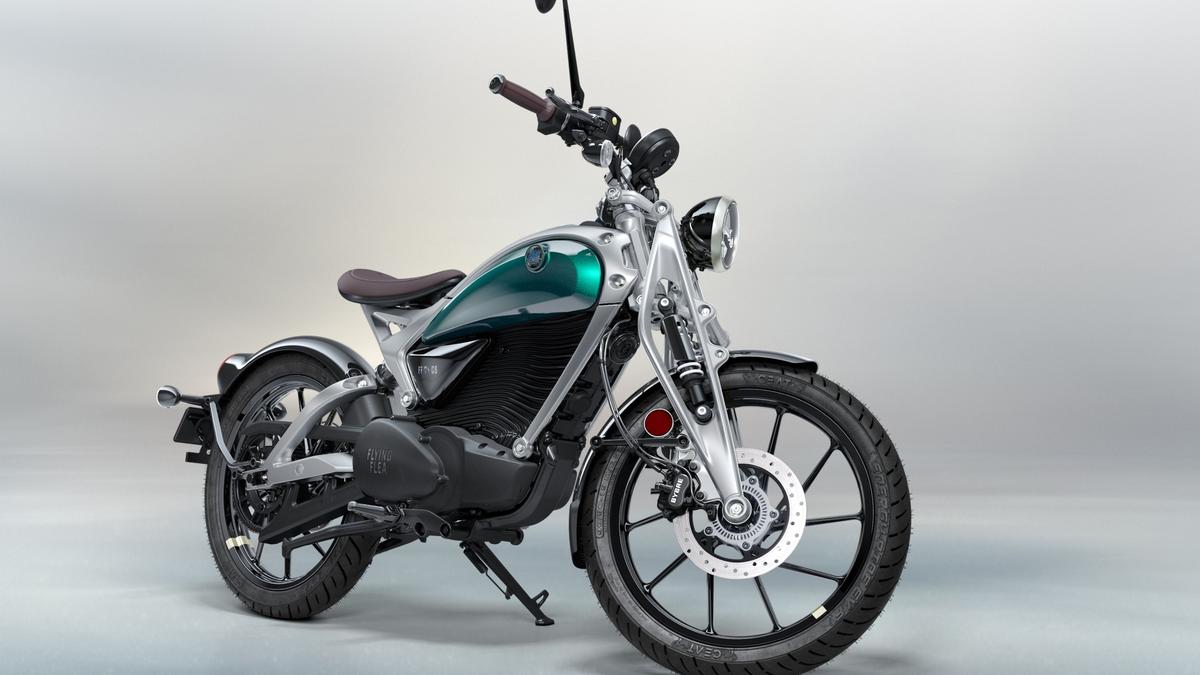
At the heart of the C6 is a 3.91 kWh lithium-ion battery pack paired with an electric motor that produces 15.4 kW of peak power and 60 Nm of torque. While these figures might seem modest compared to high-performance electric superbikes, they are optimized for the "urban jungle." The bike’s kerb weight is a remarkably low 124 kg, giving it a power-to-weight ratio that ensures brisk acceleration from traffic lights. With a top speed of 115 km/h, the C6 is positioned as a versatile city tool, capable of handling both congested inner-city streets and occasional stints on urban expressways.
Design and Aesthetics
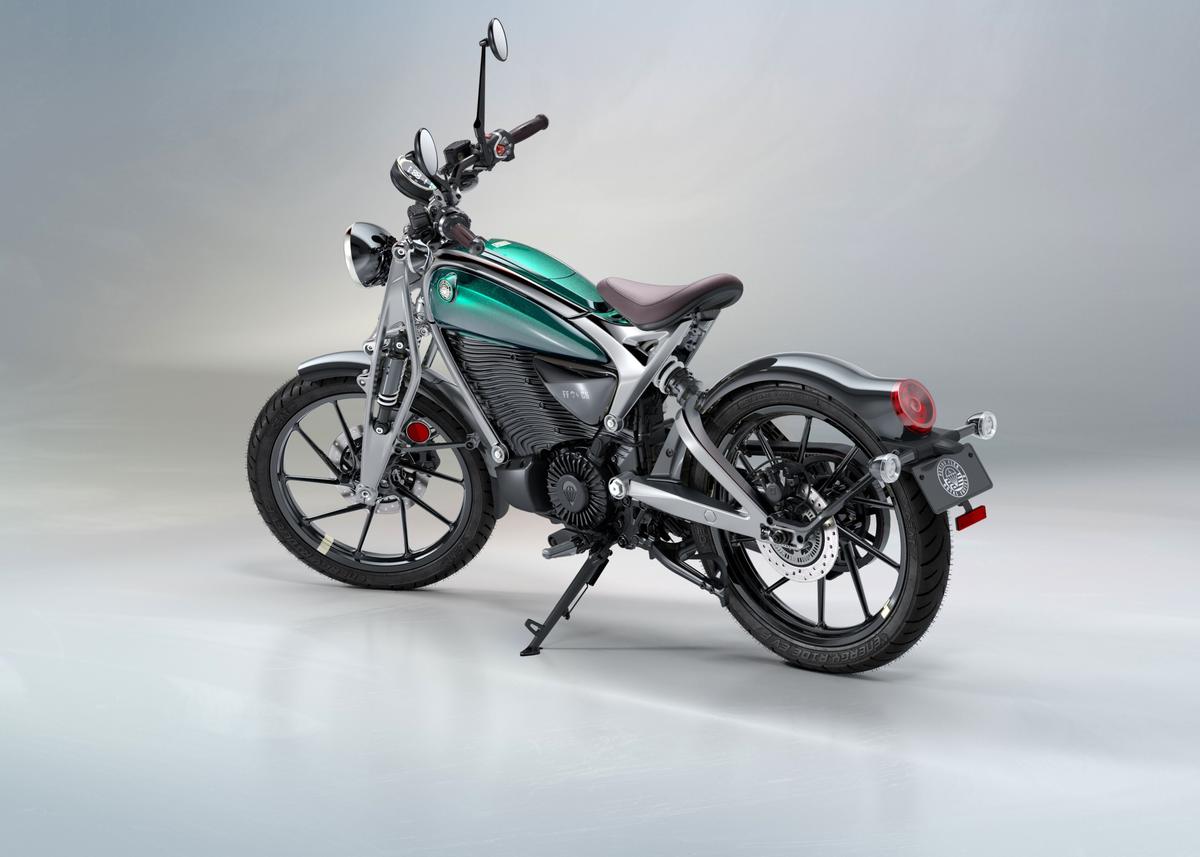
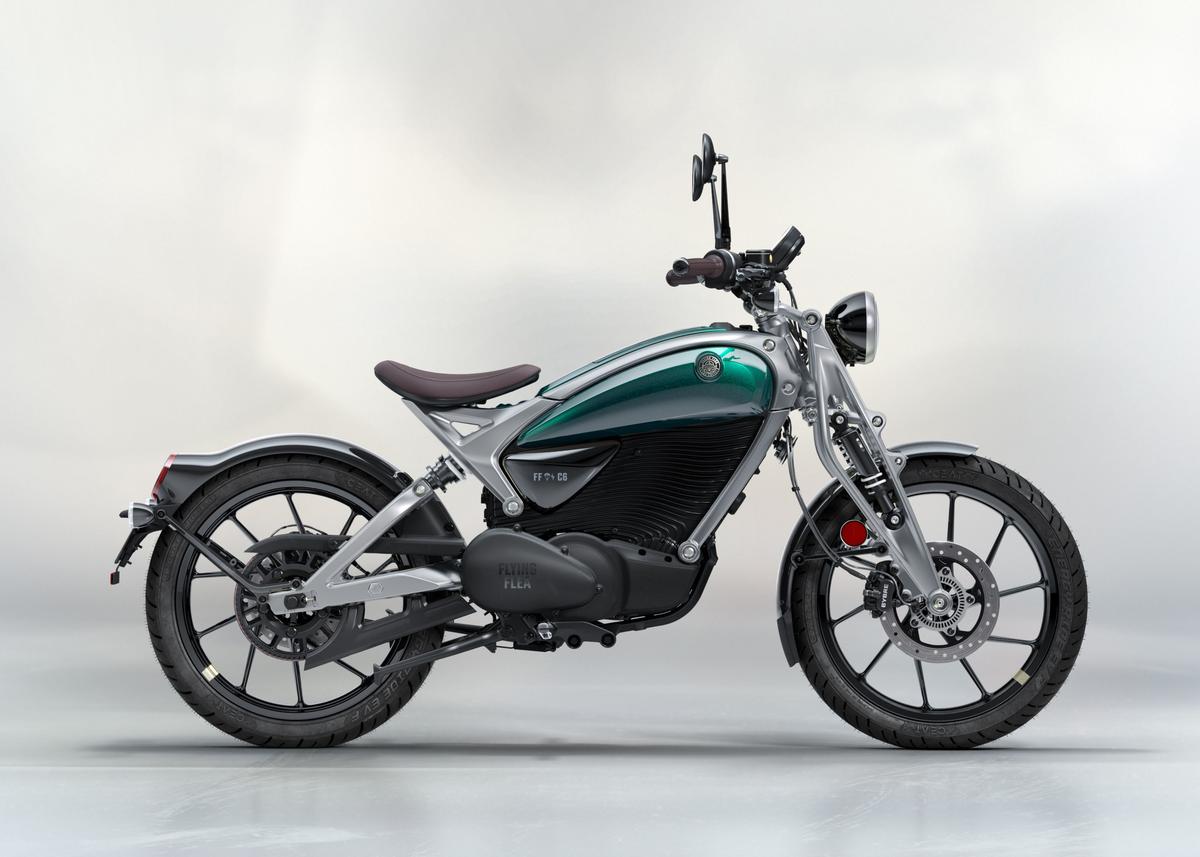
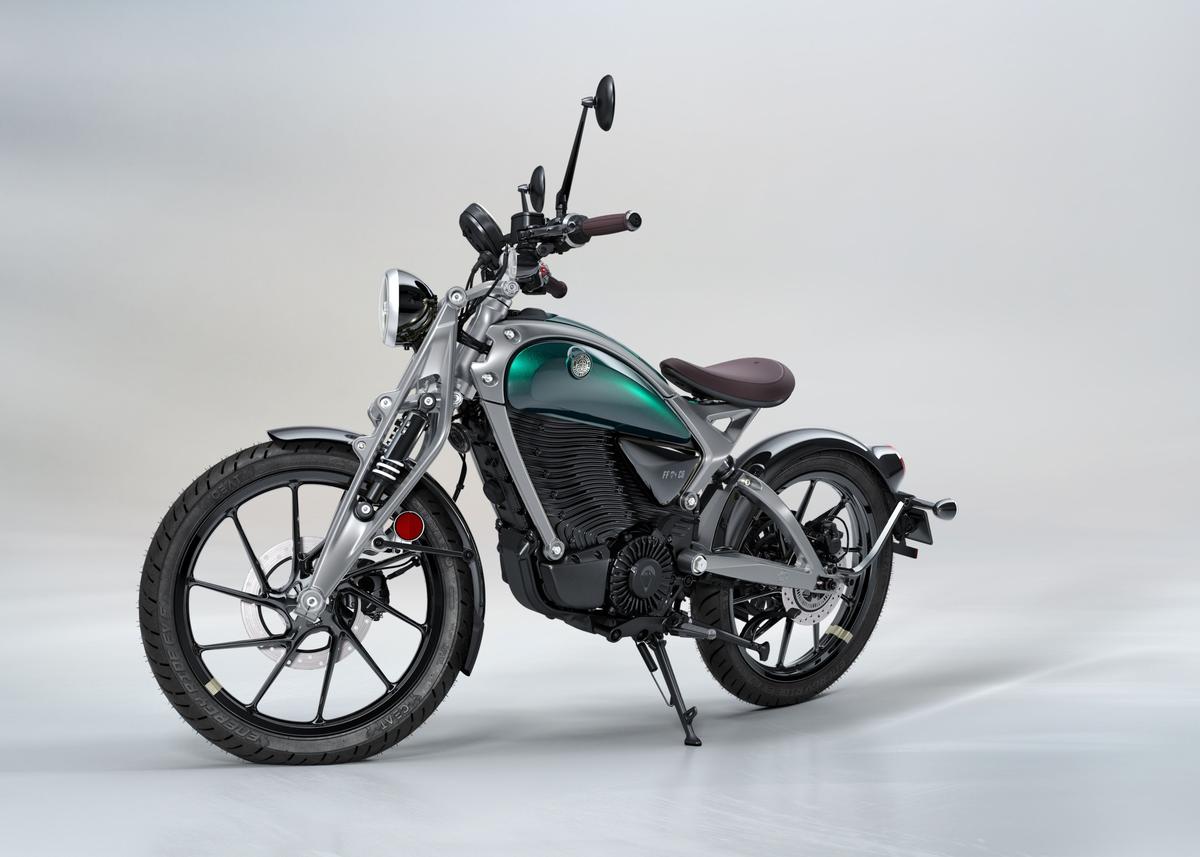
The most striking visual element of the C6 is its forged aluminum girder fork. This setup, which predates the telescopic forks common today, serves as a direct nod to the vintage "Flying Flea" motorcycles of the 1940s. However, the implementation is modern, utilizing high-grade materials to ensure structural rigidity and weight reduction. The battery casing is another design highlight, featuring cooling fins that serve a dual purpose: providing essential thermal management for the cells and creating a rugged, mechanical aesthetic that mirrors the cooling fins of a traditional petrol engine.
Pricing and Availability
Royal Enfield has introduced a disruptive pricing strategy for the C6. The motorcycle is priced at ₹2.79 lakh (ex-showroom). However, recognizing the high entry barrier of EV technology, the company is offering a Battery-as-a-Service (BaaS) model, which brings the initial acquisition cost down to ₹1.99 lakh. This model allows customers to pay for the battery as a subscription or usage-based fee, effectively lowering the upfront investment.

II. Chronology: From Paratroopers to Power Sockets
The journey to the C6 is rooted in a history that spans over eight decades. To understand the significance of the "Flying Flea" name, one must look back to the Second World War.
- 1940s: The Original WD/RE: During WWII, Royal Enfield produced the WD/RE, a lightweight 125cc motorcycle known as the "Flying Flea." It was designed to be dropped by parachute from planes or carried in gliders to provide rapid mobility for paratroopers behind enemy lines. It was celebrated for its simplicity, lightness, and reliability.
- 2020–2023: The Silent Development: Rumors of a "Royal Enfield Electric" began circulating as the global automotive industry pivoted toward sustainability. The company opted not to rush a product to market, instead establishing a dedicated EV team and investing in European EV startup Stark Future SL to gain technical insights.
- April 2026: The Launch: The Flying Flea C6 is officially unveiled. Bookings and test rides have commenced immediately in Bengaluru, a city often cited as India’s EV capital.
- May 2026: Commencement of Deliveries: The first batch of C6 motorcycles is scheduled to reach customers by late May 2026, followed by a phased rollout across other Tier-1 cities like Mumbai, Delhi, and Chennai.
III. Supporting Data: Engineering and Connectivity
The Flying Flea C6 is arguably the most technologically advanced vehicle Royal Enfield has ever produced. The company has integrated a suite of "Smart" features intended to make the transition from petrol to electric seamless for the rider.
Charging Infrastructure and Versatility
One of the primary hurdles for EV adoption is charging anxiety. The C6 addresses this with a flexible charging system:
- Home Charging: The bike is compatible with standard 16 Amp wall sockets, meaning users do not necessarily need to install specialized home charging stations.
- Rapid Charging: Using a fast-charger, the battery can replenish from 20% to 80% in just over 60 minutes.
- Efficiency: The onboard software optimizes energy consumption, claiming to add approximately one kilometer of range for every minute of charging under optimal conditions.
- Regenerative Braking: The system captures kinetic energy during deceleration, feeding it back into the battery to extend urban range.
The Tech Stack
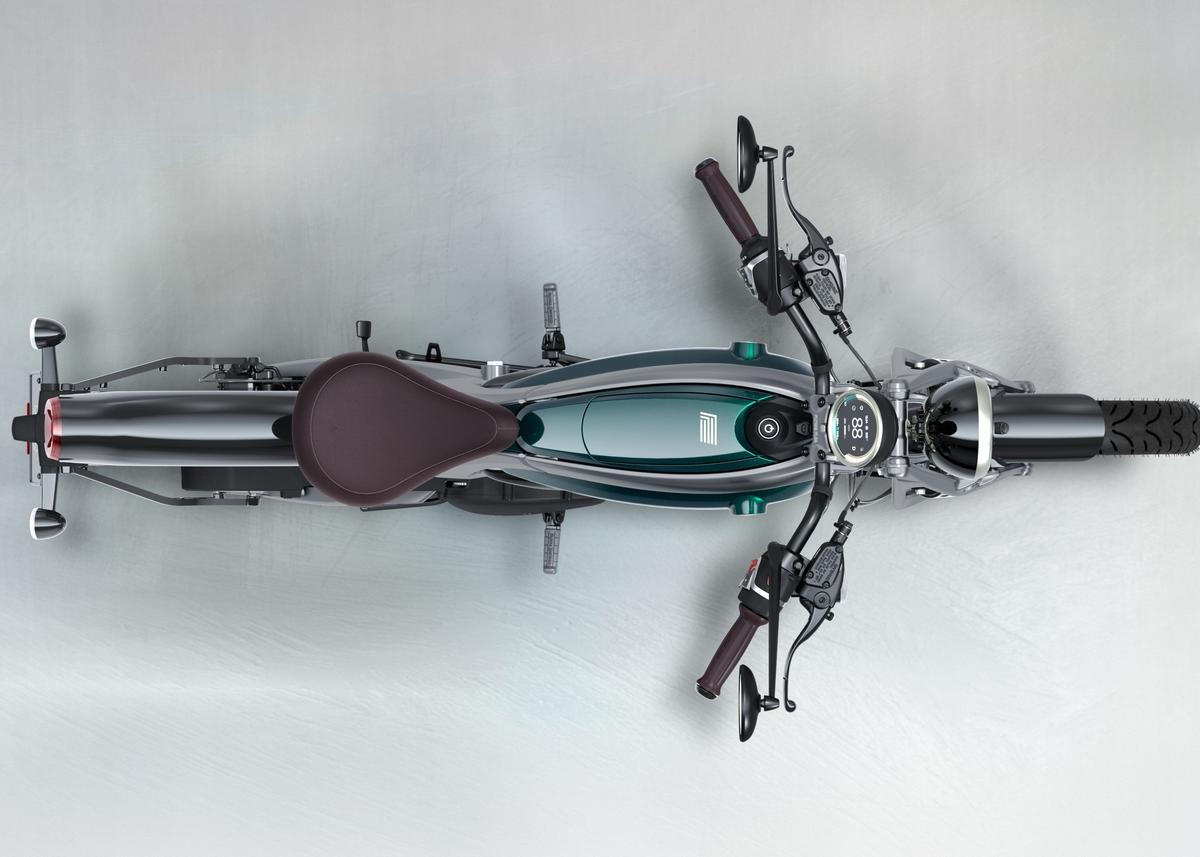
The cockpit is dominated by a circular touchscreen TFT display. Unlike traditional gauges, this interface acts as a central hub for the bike’s "Connected" features:
- Connectivity: Equipped with 4G, WiFi, and Bluetooth, the C6 remains permanently connected to the cloud.
- Over-the-Air (OTA) Updates: Much like a smartphone, the C6’s performance, battery management, and UI can be improved via remote software updates.
- Safety Suite: The bike features lean-sensitive ABS and traction control, technologies typically reserved for high-capacity premium motorcycles. It also includes a "tip-over alert" system that notifies emergency contacts or the owner if the bike falls.
IV. Official Responses: The Philosophy of the Flying Flea
Royal Enfield’s leadership has emphasized that the Flying Flea brand is not just a side project, but a core pillar of the company’s future.
In statements regarding the launch, the development team noted that the C6 was designed to solve the specific "pain points" of urban commuting: congestion, weight, and the complexity of maintenance. By moving the footpegs and offering an adjustable/removable pillion seat, the company is catering to a younger, more individualistic demographic that views their motorcycle as an extension of their lifestyle.
The decision to develop the platform in-house was a strategic move. By controlling both the hardware (the frame, the motor, the girder fork) and the software (the OS, the connectivity suite), Royal Enfield ensures that the "soul" of the brand remains intact, even without the signature exhaust note. The company has hinted that the C6 is merely the first of several models to be launched under the Flying Flea umbrella, with different form factors—perhaps even an electric scrambler or café racer—likely to follow.
V. Implications: Impact on the Market and the Brand
The introduction of the Flying Flea C6 has several far-reaching implications for the motorcycling landscape.
1. The "Premium Urban" Niche
Historically, the Indian electric two-wheeler market has been dominated by scooters (Ola, Ather, TVS). The electric motorcycle segment has remained relatively niche, occupied by startups like Ultraviolette or Revolt. Royal Enfield’s entry legitimizes the "premium electric motorcycle" category. Their massive brand equity and extensive service network give them an immediate advantage over smaller competitors.
2. The BaaS Disruption
The Battery-as-a-Service model is a significant experiment. If successful, it could change how Indians buy EVs. By decoupling the cost of the battery—the most expensive component of an EV—from the vehicle itself, Royal Enfield is making a premium product accessible to a wider audience. This could force other manufacturers to reconsider their pricing structures.
3. Brand Evolution vs. Heritage
For purists, an electric Royal Enfield is a controversial concept. The brand’s identity is built on the "thump" of a long-stroke engine. However, the C6 suggests that Royal Enfield is trying to redefine its heritage. Instead of being defined by an engine type, the brand is choosing to be defined by "pure motorcycling"—a feeling of lightness, ease of use, and distinct design. The girder fork and the "Flying Flea" name are the anchors that keep this high-tech machine grounded in the brand’s storied past.
4. Global Aspirations
While the rollout begins in Bengaluru, the C6 is clearly a global product. Its lightweight nature and high-tech features make it an ideal candidate for European and North American cities where "Low Emission Zones" are becoming the norm. The C6 positions Royal Enfield as a serious contender in the global race for sustainable urban mobility.
In conclusion, the Flying Flea C6 is more than just a new motorcycle; it is a declaration of intent. It proves that a legacy brand can innovate without losing its sense of history. As deliveries begin in May 2026, the industry will be watching closely to see if the "Flea" can once again change the way the world moves.
Motorscribes, in association with The Hindu, brings you the latest in cars and bikes. Follow them on Instagram @motorscribes
