

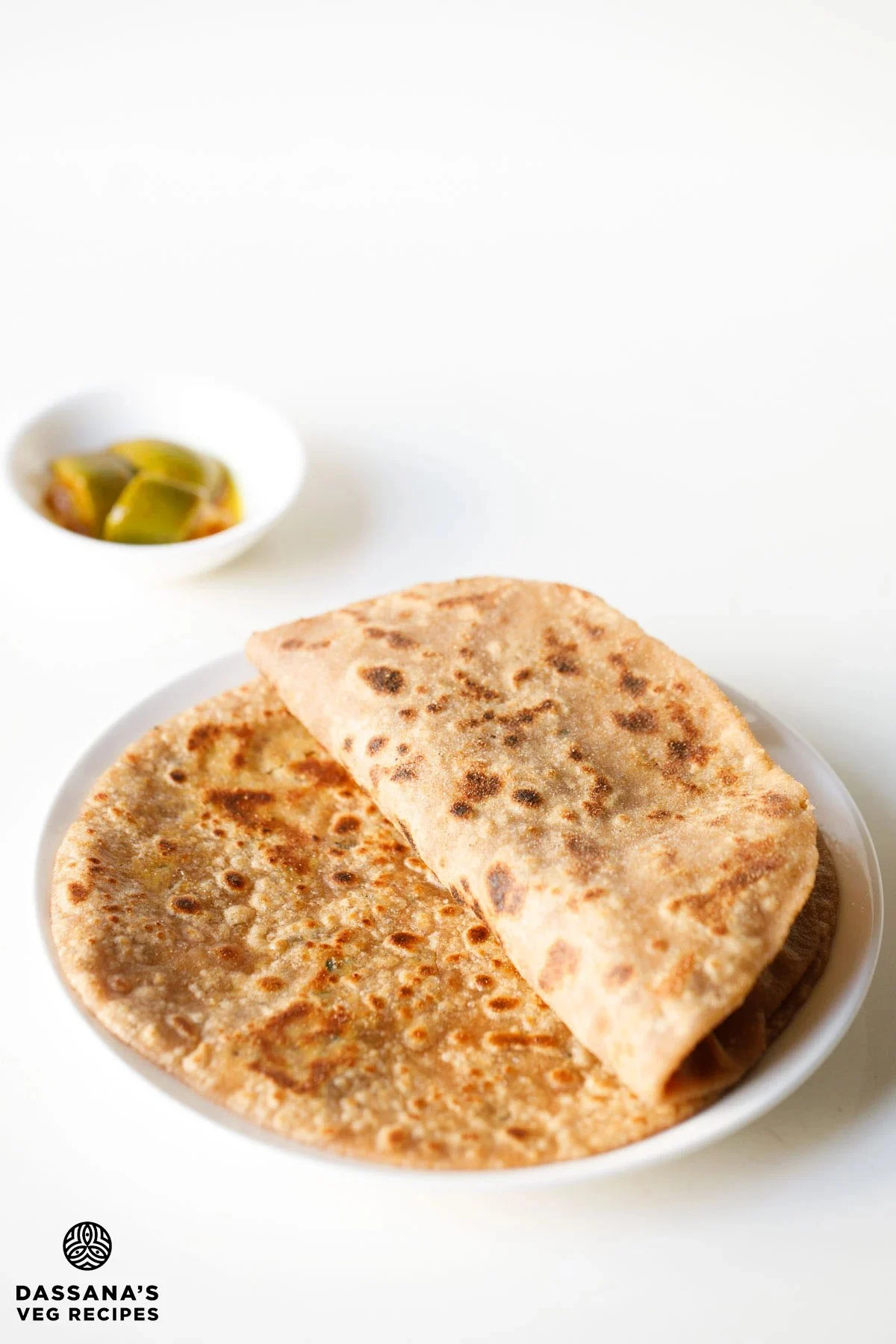
In the sprawling landscape of Indian gastronomy, few regions offer as robust a culinary identity as the state of Bihar. While mainstream Indian cuisine is often represented globally by Punjabi tandoors or South Indian fermented crepes, a quiet revolution has been simmering in the eastern heartlands. At the center of this movement is the Sattu Paratha—a traditional stuffed flatbread that is rapidly transitioning from a rural staple to a celebrated "superfood" in urban kitchens and high-end restaurants alike.

Far more than a simple breakfast item, the Sattu Paratha represents a sophisticated intersection of nutrition, convenience, and heritage. Made from roasted chana flour (sattu), whole wheat, and a pungent blend of regional spices, this dish serves as a testament to the ingenuity of a culture that prioritizes shelf-life and stamina.

Main Facts: The Anatomy of a Regional Powerhouse
The Sattu Paratha is a savory stuffed flatbread characterized by its unique filling. Unlike the more ubiquitous Aloo Paratha (potato-stuffed) or Gobi Paratha (cauliflower-stuffed), the Sattu version requires no pre-cooking of the filling. The core ingredient, sattu, is produced by grinding roasted black chickpeas (Kala Chana) along with their nutrient-rich skins.

The flavor profile of a traditional Sattu Paratha is defined by four non-negotiable elements:

- Nigella Seeds (Kalonji): Providing a subtle bitterness and earthy aroma.
- Carom Seeds (Ajwain): Essential for digestion and a distinct herbal note.
- Mustard Oil: The "soul" of Bihari cooking, offering a sharp, pungent heat.
- Pickle Masala: Specifically the oil and spices from North Indian mango pickles, which provide acidity and depth.
According to culinary historians, the dish’s popularity stems from its "instant" nature. Because the gram is roasted before being ground into flour, the stuffing is technically "pre-cooked," making it a safe and efficient meal for those in high-intensity labor or long-distance travel.

Chronology: From Ancient Sustenance to Modern Gourmet
The Ancestral Roots
The history of sattu is intertwined with the agricultural history of the Magadh and Mithila regions. For centuries, sattu was known as the "poor man’s protein." It was the primary fuel for farmers and laborers who needed a meal that would provide sustained energy throughout the day without the need for reheating.

The Travel Revolution
During the 19th and 20th centuries, as the Bihari diaspora moved across the Indian subcontinent and eventually to the Caribbean and Mauritius as indentured laborers, sattu traveled with them. Its ability to stay fresh for hours, even in the tropical heat, made the Sattu Paratha the ultimate travel companion. It became a symbol of home and resilience.

The Wellness Pivot (2010–Present)
In the last decade, the global shift toward gluten-free (though the wrap here contains wheat) and high-protein plant-based diets has brought sattu into the limelight. Nutritionists began labeling it the "Indian Whey Protein." This sparked a resurgence in urban households, where the Sattu Paratha was reimagined as a healthy alternative to oil-heavy breakfast breads. Today, it is a staple in health-cafes in Delhi, Mumbai, and Bangalore, often served with a side of Aloo Chokha or Greek yogurt.

Supporting Data: The Nutritional and Technical Blueprint
The technical preparation of Sattu Paratha is divided into two distinct phases: the construction of the "soft, pliable dough" and the "crumbly, moist stuffing."

Nutritional Profile
Based on standard culinary data, a single serving of Sattu Paratha (approximately 1/8th of a standard recipe batch) yields:

- Calories: 119 kcal
- Fat: 12g (largely from heart-healthy mustard oil and ghee)
- Fiber: 1g
- Sodium: 350mg
- Vitamin C: 4mg
- Iron/Magnesium: Trace amounts essential for metabolic health.
The "Moist-Crumbly" Paradox
The success of the stuffing lies in the hydration ratio. As noted in traditional recipes, 1 to 2 tablespoons of water must be added to 130 grams of sattu. This ensures the mixture holds together when pressed but remains "vibrant and robust" in texture. The use of mustard oil acts as a preservative, while the inclusion of ginger, garlic, and green chilies provides antimicrobial properties.

Comparative Analysis of Preparation Methods
There are two primary schools of thought regarding the assembly:

- The Easy Method: Rolling the dough into a 5-inch circle, placing the stuffing, and sealing it like a pouch. This is preferred for beginners to ensure even distribution.
- The Traditional Method: Hand-shaping the dough ball into a "cup" or "bowl" before filling. This technique, often seen in the kitchens of Gaya and Patna, allows for a thinner crust and a more generous stuffing-to-dough ratio.
Official Responses: What the Experts Say
The rise of regional grains has caught the attention of both the culinary elite and public health officials.

Dr. Ananya Sharma, a leading New Delhi-based Nutritionist, states:
"Sattu is a low-glycemic index food, making the Sattu Paratha an excellent choice for diabetics. Unlike refined flour products, the combination of whole wheat and roasted gram provides a slow release of energy. The addition of ajwain and kalonji isn’t just for flavor; these are potent digestive aids that neutralize the heaviness of the legume flour."

Chef Rakesh Sethi, a proponent of Indian Heritage Cuisine, comments:
"We are seeing a ‘de-stigmatization’ of regional foods. For a long time, Sattu was viewed through a classist lens. Now, we see it on five-star menus. The Sattu Paratha is a masterpiece of flavor engineering—the way the mustard oil cuts through the dry nuttiness of the roasted gram is something you don’t find in Western baking."

Agricultural Department Spokespersons (Bihar):
In recent reports, the Bihar government has highlighted sattu as a key export product. By promoting dishes like Sattu Paratha, they aim to support local farmers growing Kala Chana, ensuring that the traditional crop remains economically viable in the face of industrial soy and corn competition.

Implications: The Future of the "Bihari Flatbread"
The mainstreaming of the Sattu Paratha has several long-term implications for the Indian food industry and cultural landscape.

1. Food Security and Sustainability
As climate change impacts water-intensive crops, the hardy chickpea (the source of sattu) remains a sustainable alternative. It requires significantly less water than rice or wheat. The promotion of sattu-based meals aligns with global sustainability goals, encouraging a shift toward drought-resistant protein sources.

2. The Commercialization of Regional "Kits"
We are likely to see the emergence of "Sattu Paratha Mixes" in the FMCG (Fast-Moving Consumer Goods) sector. Similar to how Idli and Dhokla mixes revolutionized South and West Indian home cooking, a pre-spiced sattu filling kit could bring this Bihari delicacy to a global audience, simplifying the process of sourcing specific ingredients like nigella seeds and mustard oil.

3. Preservation of "Chokha" Culture
The Sattu Paratha is rarely eaten alone. Its rise brings with it a secondary interest in Chokha—a mash of roasted vegetables (eggplant, tomato, or potato) flavored with raw onions and mustard oil. This "roast-and-mash" technique is a primitive but sophisticated form of cooking that preserves the smoky essence of the vegetables, offering a healthier alternative to fried side dishes.

4. Travel and Convenience Food
In an era of long commutes and "desk lunches," the Sattu Paratha is uniquely positioned. Because it does not "weep" oil or become soggy like potato-stuffed breads, it remains the gold standard for lunch boxes. For the travel industry, it offers a nutritious, non-perishable option for long-haul trains and flights.

Conclusion
The Sattu Paratha is more than just a recipe; it is a cultural artifact that has survived the test of time. From the ancient streets of Gaya to the modern high-rises of Gurgaon, it continues to provide a "tangy and robust" reminder of India’s regional diversity. As we move toward a future that values both nutritional density and culinary heritage, Bihar’s humble flatbread is well-positioned to remain a permanent fixture on the global plate. Whether paired with a simple mango pickle or a sophisticated Baingan Bharta, the Sattu Paratha stands as a delicious proof that the most enduring flavors are often found in the simplest ingredients.
