

In the coastal state of Goa, the arrival of the sweltering summer months of April and May signals more than just a change in temperature. It marks the commencement of a deeply rooted socio-cultural ritual centered around a cloudy, pungent, and ephemeral nectar: Urrak. While the world identifies Goa with its potent, double-distilled cousin, Feni, it is the first-distill Urrak that captures the hearts—and parched throats—of the local population during its fleeting seasonal window.
This article explores the intricate world of Urrak production, from the traditional distilleries of South Goa to the etymological debates surrounding its origins, providing a comprehensive look at a spirit that remains one of India’s most guarded and cherished seasonal secrets.

I. Main Facts: The Anatomy of a Seasonal Obsession
Urrak is the primary distillate of fermented cashew apple juice. Unlike Feni, which undergoes a second distillation to increase its potency and shelf life, Urrak is a single-distill spirit, typically boasting a lower alcohol content (ranging from 12% to 15%). Its characteristics are defined by a fruity, highly aromatic profile that is synonymous with the Goan summer.
The Seasonal Window
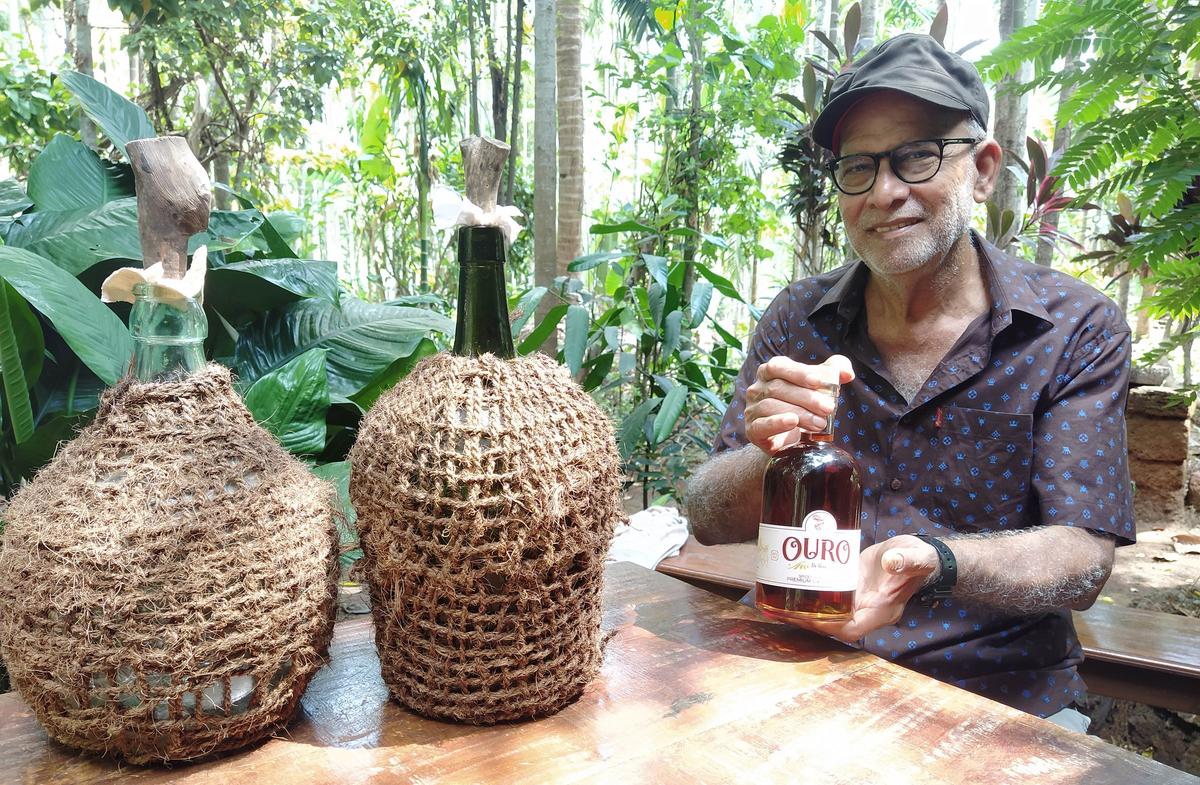
The production of Urrak is strictly dictated by the cashew harvest, which typically runs from March to May. Because it is an unfiltered, single-distilled product, it does not age well and is intended for immediate consumption. This creates a sense of urgency among locals, who engage in a traditional "barter" of freshly filled, re-used bottles, often claiming their specific village source—be it Quepem or Canacona—is the finest in the state.
The Consumption Ritual
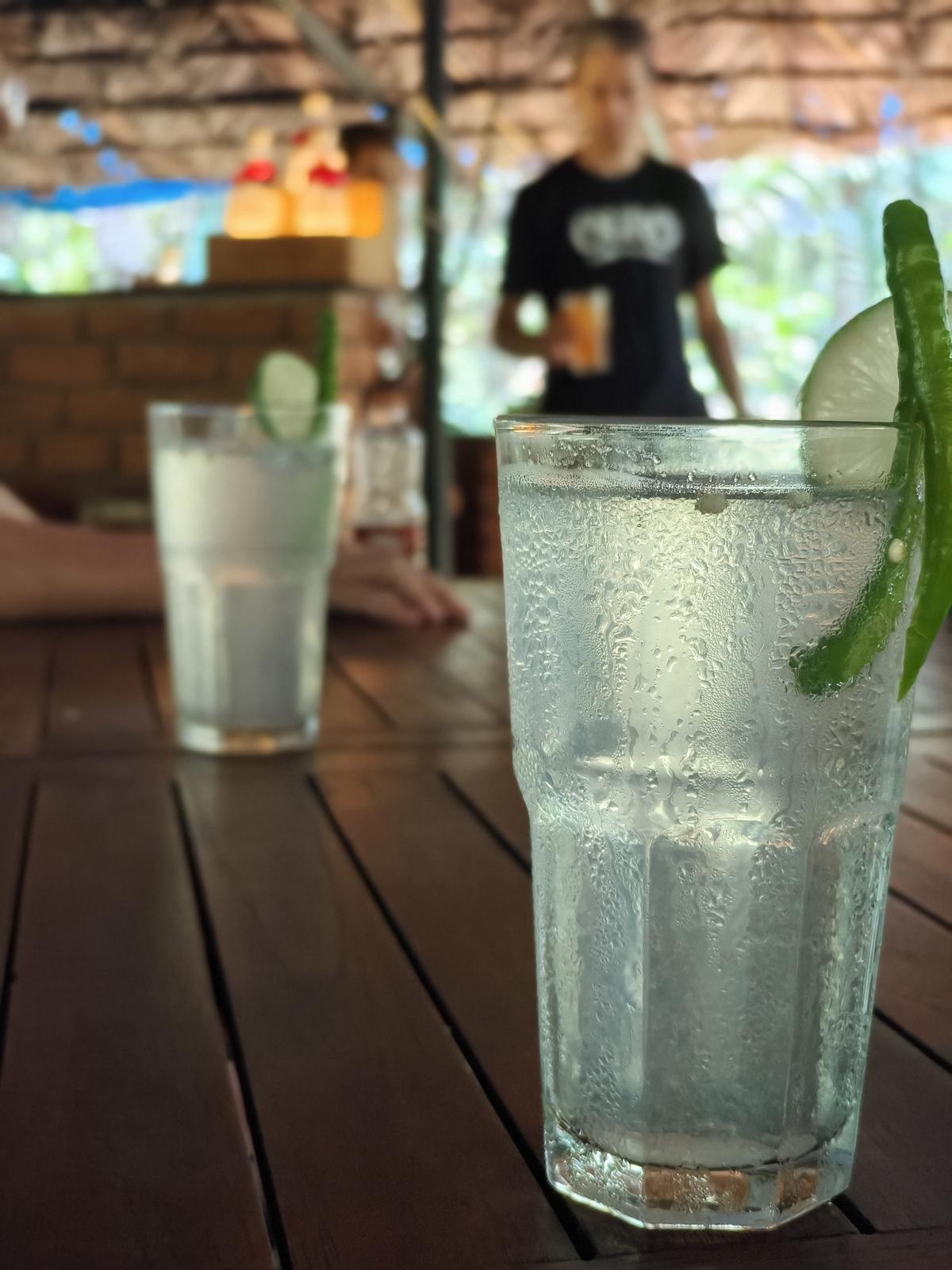
Drinking Urrak is considered an art form. It is rarely consumed neat. The standard preparation involves a "lemonade" base—usually Limca or a local lemon soda—mixed with a pinch of salt and a slit green chili. This combination of sweet, sour, salty, and spicy elements is designed to complement the cooling properties of the spirit, making it the ultimate antidote to the "boiling" summer heat.
II. Chronology: From Portuguese Arrival to Generational Legacies
The history of Urrak is inextricably linked to the history of the cashew tree (Anacardium occidentale), which was introduced to Goa by the Portuguese in the 16th century. Originally brought to prevent soil erosion, the plant found a hospitable home in the laterite soil of the Western Ghats.
The 1800s: The Diniz Legacy
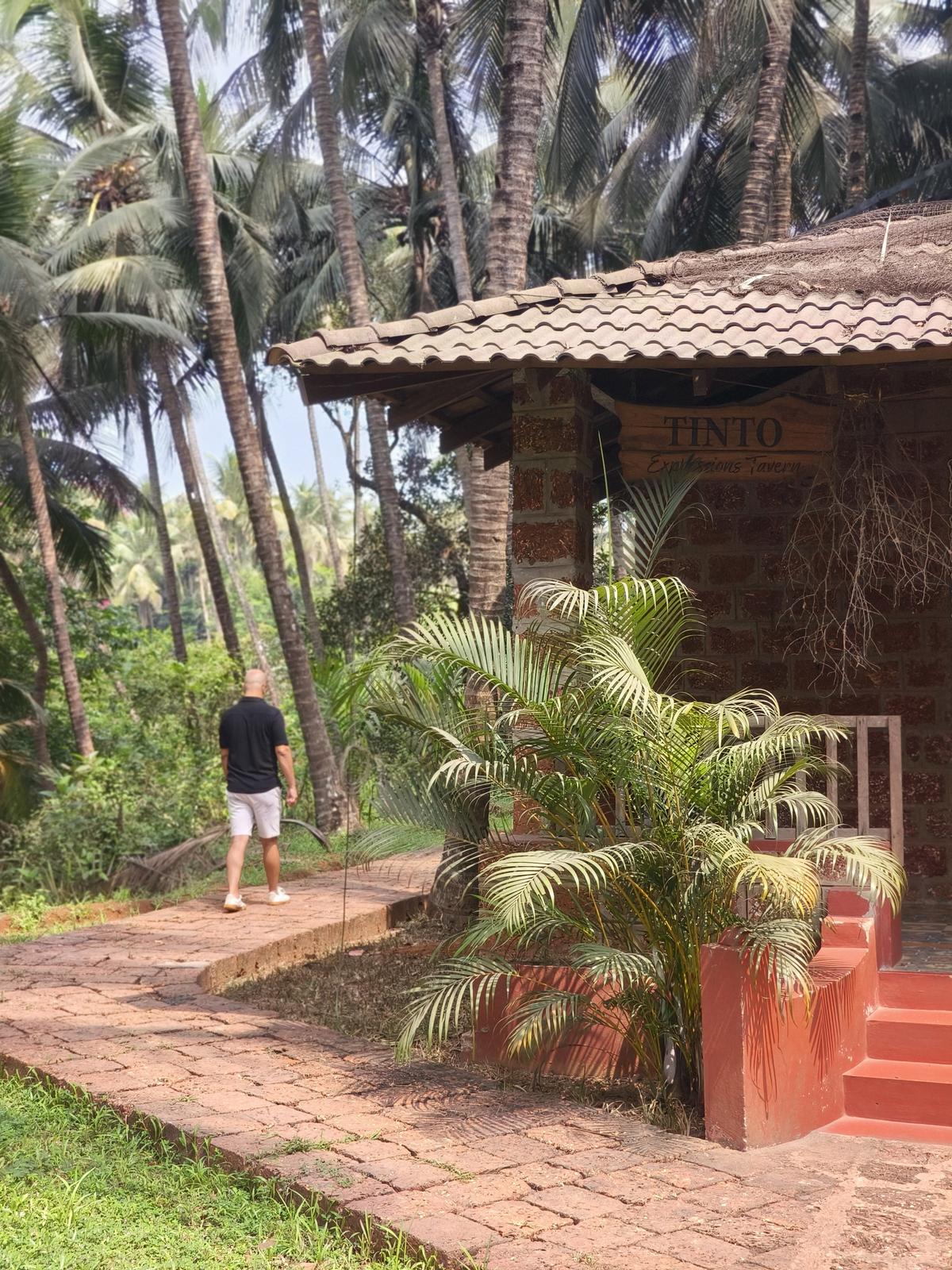
In the village of Cotombi, the Diniz family represents the enduring nature of this craft. Distilling since the late 1800s, the family has maintained a consistent production method for over four generations. Solomon Diniz, a key stakeholder in South Goa’s liquor industry and the architect behind the Tinto Feni brand, notes that the landscape of Cotombi—with its gold-hued paddy fields and fruit-laden mango trees—serves as a living museum of Goan viticulture.
The 1980s: The Dudhsagar Experiment
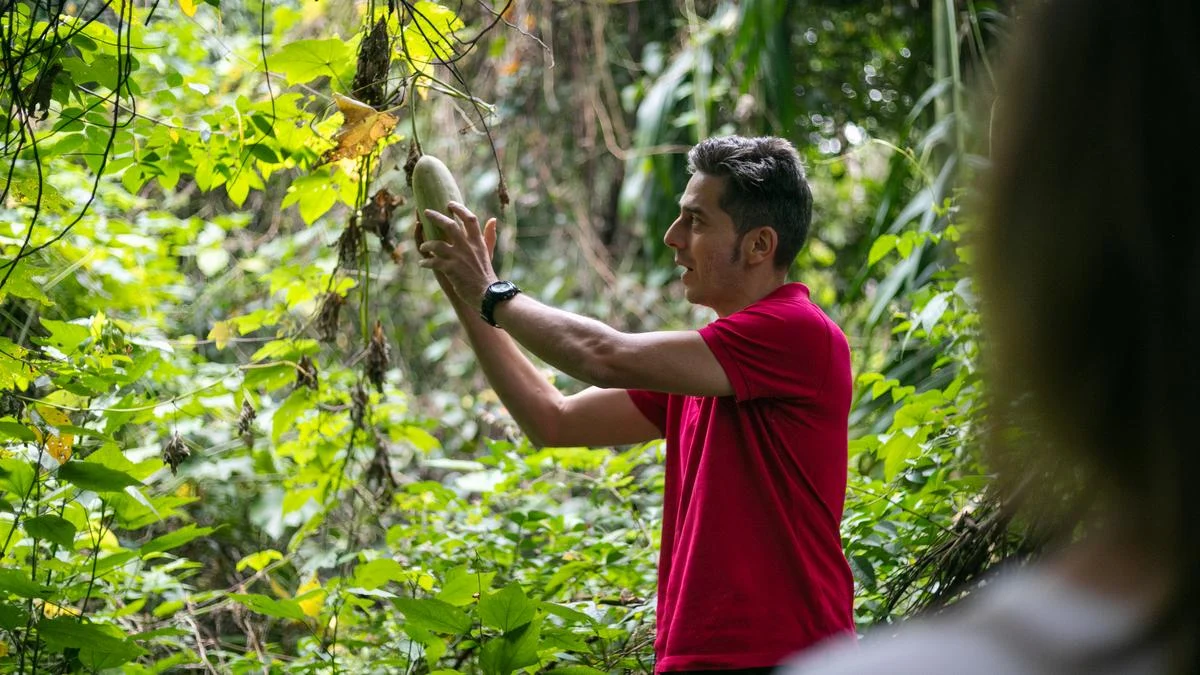
While the Diniz family represents historical continuity, Ajit Malkarnekar represents the spirit of reclamation. In the 1980s, Malkarnekar took on 50 acres of barren, red-rust laterite soil in Karmane village, on the fringe of the Mollem National Park. Over four decades, this "horticultural experiment" transformed into the Dudhsagar Plantation, a dense tropical thicket that now serves as a primary site for artisanal Urrak production.
The Modern Era: The Rise of the "Feni Dotor"
In recent years, a new generation of distillers and enthusiasts, such as Hansel Vaz of the Cazulo lineage, has sought to professionalize and document the heritage of Goan spirits. This era is defined by a shift from backyard production to "Expressions Taverns" and curated plantation tours, bringing a "farm-to-bottle" transparency to a process that was once shrouded in local obscurity.
III. Supporting Data: The Craft and Chemistry of Distillation
The production of Urrak is a labor-intensive process that relies on traditional knowledge rather than modern machinery. The quality of the spirit is determined by three primary factors: the fruit, the fermentation, and the bhaan.
1. The Fruit and the "Pinj"
The process begins with the harvest of ripe cashew apples. The nuts are removed, and the apples are traditionally crushed underfoot in a stone basin called a colmill. The juice collected from this first press is known as niro.
2. Fermentation
The juice is moved into large earthenware or concrete vats for fermentation. At plantations like Dudhsagar, this is part of a circular-living system. The fermentation is natural, relying on wild yeasts present in the environment. This stage lasts for several days until the sugar in the juice has been converted into alcohol.
3. The Distillation (The Bhaan)
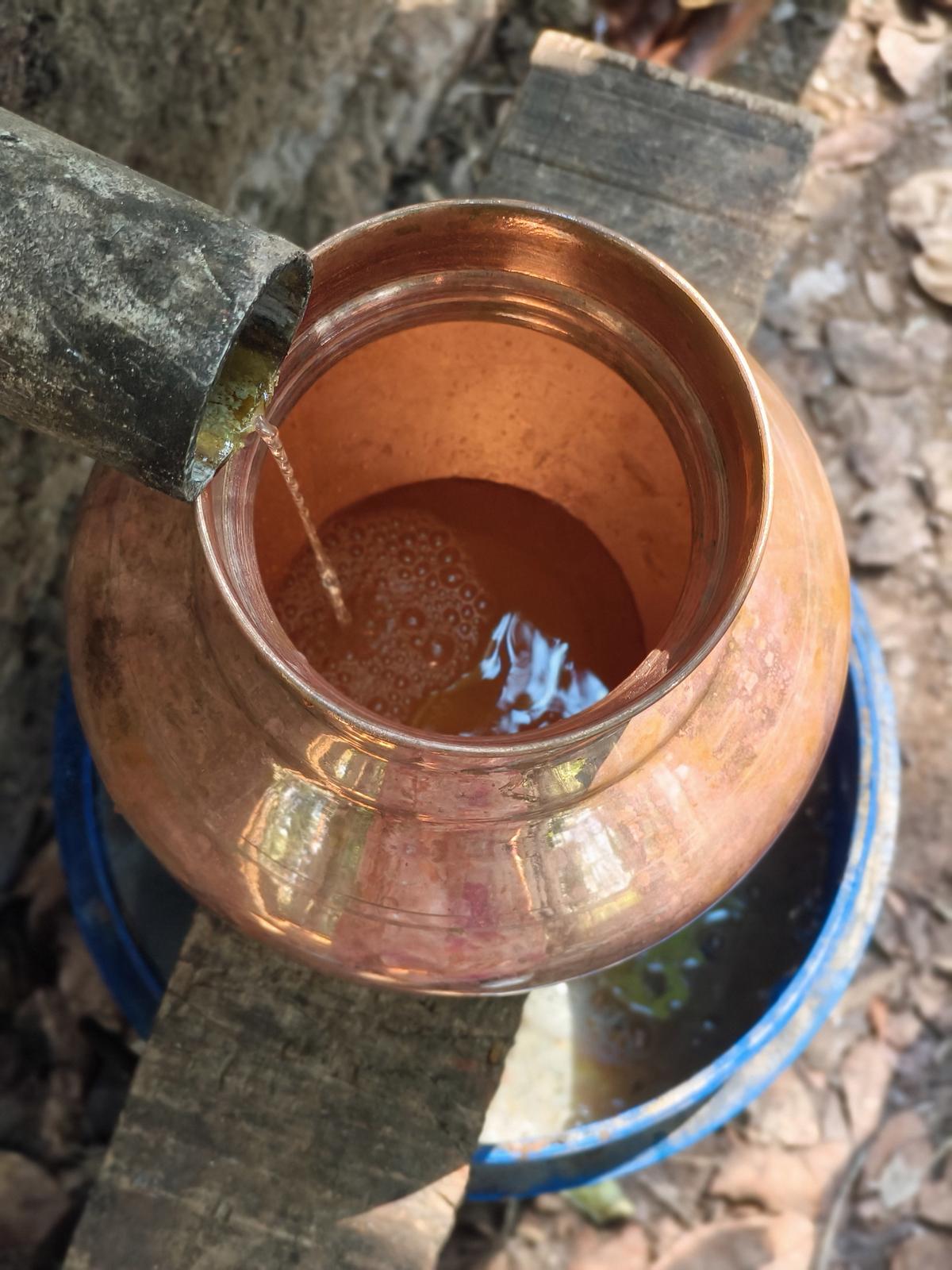
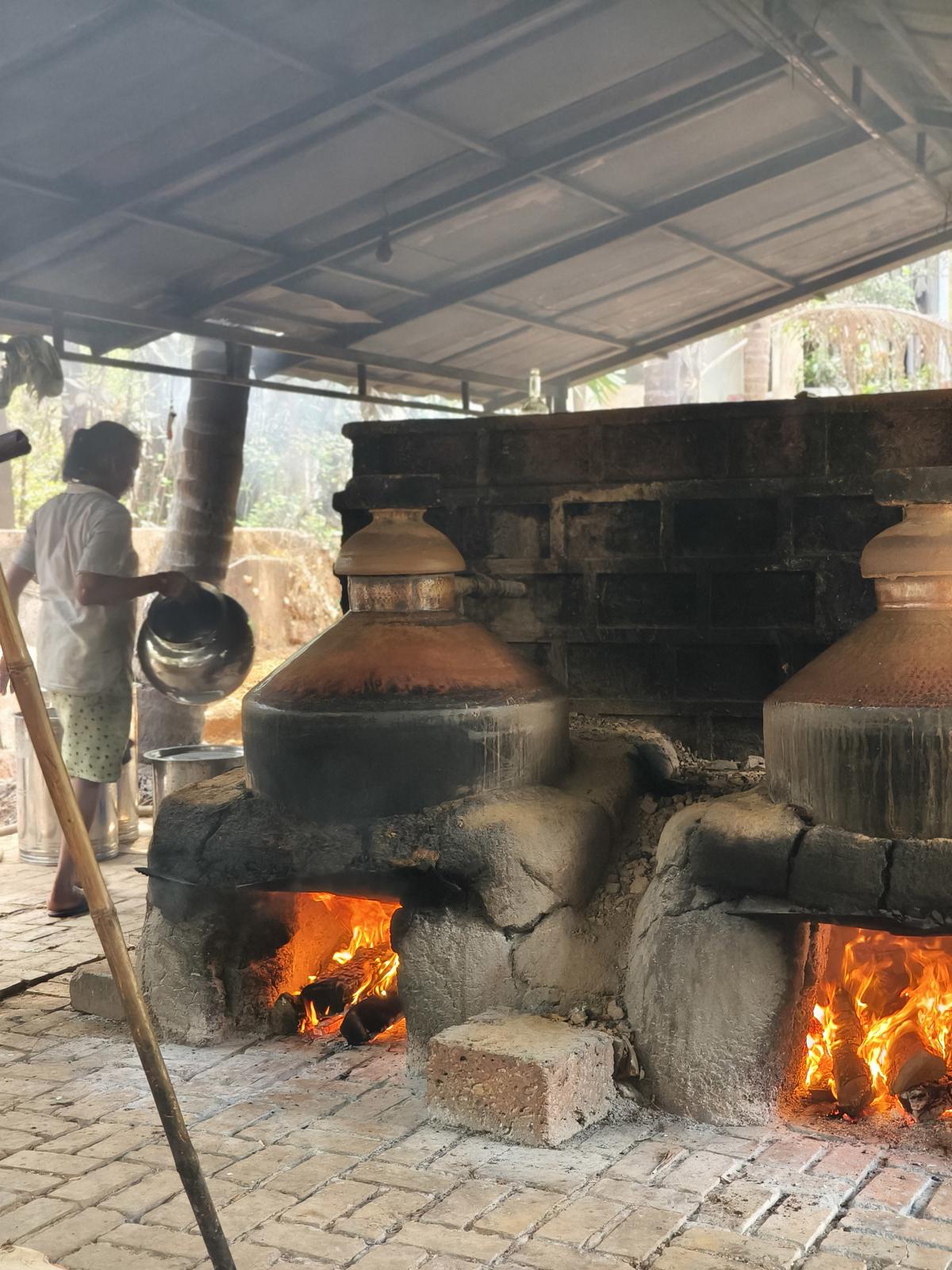
The fermented juice is poured into a bhaan—a traditional copper pot still. The pot is heated (traditionally using wood fire), and the vapors are condensed through a water-cooled conduit. The very first liquid to emerge from this process is Urrak.
- Yield Ratios: It takes a significant volume of cashew juice to produce a single bottle of Urrak.
- Economic Impact: Solomon Diniz points out an interesting market anomaly: during the two months of Urrak season, sales of premium, aged liquors and international spirits in Goa drop drastically. The local market pivots almost entirely to this seasonal brew, supporting a micro-economy of village distillers.
IV. Official Responses and Expert Perspectives
To understand Urrak, one must look at the insights of those who have dedicated their lives to its preservation.
The Preservationist Philosophy: The Malkarnekars
At Dudhsagar Plantation, Ajit and his son Ashok Malkarnekar advocate for a "slow" approach to spirit production. Ashok, who has chosen to carry on his father’s legacy, emphasizes the importance of a circular ecosystem where nothing is wasted. "Know your trees, know your fruit, don’t rush anything," he states. This philosophy stands as a radical counterpoint to the "instant gratification" culture of modern commercial spirits.
The Market Perspective: Solomon Diniz
Diniz highlights the challenge of balancing tradition with commercial viability. At his Tinto Expressions Tavern in Quepem, he provides a "calibrated" experience for aficionados. He notes that while Urrak is a "gateway" drink, its cultural value lies in its authenticity. The challenge for distillers is whether to keep the process intimate or "lay it all out for a visitor experience" in the age of culinary tourism.
The Etymological Inquiry: Hansel Vaz
Hansel Vaz, often referred to as a "Feni Dotor" (Feni Doctor), has conducted extensive research into the origins of the word Urrak. During a recent symposium, Vaz challenged the common assumption that the word is indigenous to the cashew distillate.

Vaz traces the roots of urrak (historically hurrak or urraca) to Arabic trade routes and the sap of the coconut tree. He argues that the term originally referred to coconut distillates across Asia and was only "hijacked" by the cashew fruit due to the latter’s overwhelming fragrance and saccharine sweetness. This historical "hijacking" underscores the cashew’s dominance in the Goan landscape over the last few centuries.
V. Implications: Heritage in a Changing Landscape
The story of Urrak is more than a story of a drink; it is a narrative of Goan identity and environmental stewardship. However, several implications arise as this local tradition meets the forces of modernity.
The "Farm-to-Table" Evolution
As global culinary trends lean toward "farm-to-table" experiences, Urrak is perfectly positioned. Plantation hopping and distillery tours are becoming a new frontier for Goan tourism, moving away from the beaches and into the lush hinterlands. This shift provides an economic incentive for families to maintain their ancestral cashew groves rather than selling them for real estate development.
The Threat of Climate Change
Because Urrak is entirely dependent on the cashew harvest, it is highly susceptible to climate fluctuations. Unseasonal rains in February or March can devastate the flowering cashew trees, leading to a "parched" season with low yields. The Malkarnekars’ focus on "knowing your trees" is becoming a survival strategy in an increasingly unpredictable climate.
Protecting the "Geographical Indication" (GI)
While Cashew Feni has been granted a GI tag, Urrak exists in a more informal space. The push to document its history and standardize its production (without losing its artisanal soul) is crucial for ensuring that the name Urrak remains synonymous with Goan quality, preventing the rise of "adulterated" versions that often flood the market during peak season.
Conclusion
As the sun sets over the Western Ghats and the smell of ripened cashew fruit fills the air, the Urrak season continues to serve as a reminder of Goa’s "unhurried" pace of life. Whether it is a bottle bartered between neighbors in Quepem or a sophisticated tasting at a plantation, Urrak remains a liquid manifestation of the Goan summer—fleeting, potent, and deeply connected to the red-rust soil of the land. For those who seek to truly know Goa, a glass of Urrak with salt, lime, and chili is not just a drink; it is an initiation.
