

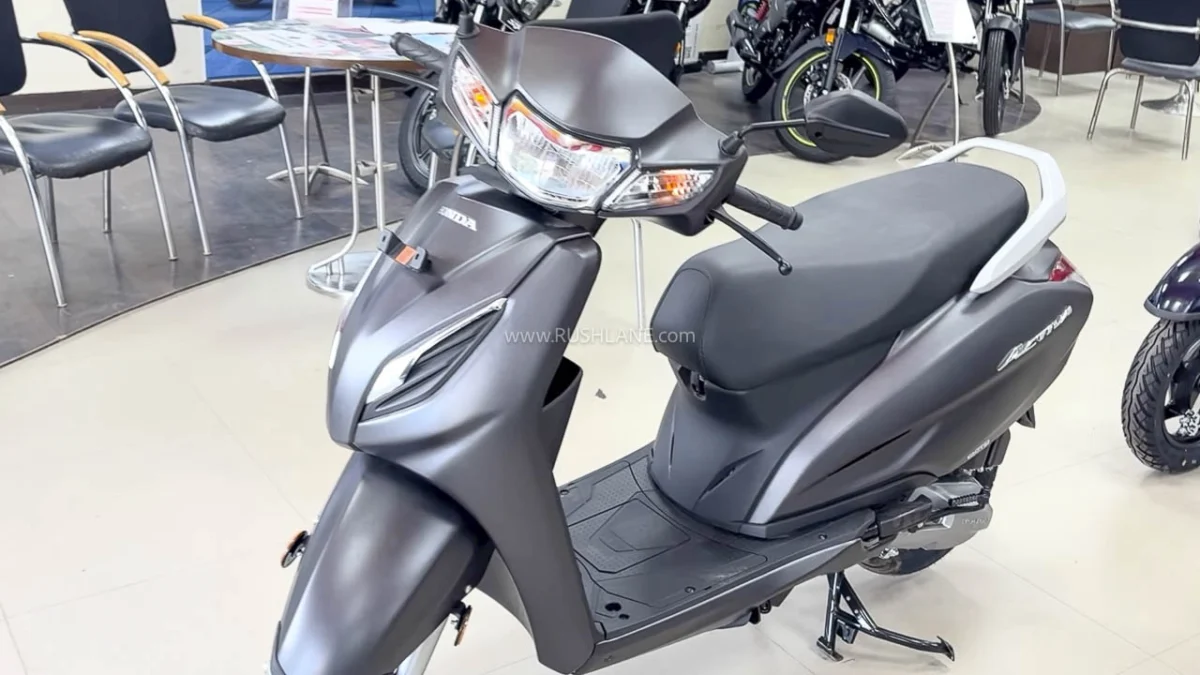
The Indian automotive landscape witnessed a landmark moment in July 2026 as the two-wheeler (2W) retail sector shattered previous records, crossing the 18 lakh unit mark for the first time in any July in the country’s history. According to the latest data released by the Federation of Automobile Dealers Associations (FADA), total registrations for the month reached 18,18,289 units, signaling a robust recovery and a shifting paradigm in consumer preference toward both premium internal combustion engine (ICE) vehicles and electric mobility.
Main Facts: A Record-Breaking Month for Indian Commuting
The July 2026 figures represent a staggering 28.25% year-on-year (YoY) growth compared to the 14,17,767 units sold in July 2025. This surge is particularly noteworthy given the macroeconomic headwinds and the erratic monsoon patterns that affected several parts of the country.
The primary narrative of the month was the intense competition for the top spot between the industry’s two titans. Honda Motorcycle & Scooter India (HMSI) successfully reclaimed its position as the market leader, ousting Hero MotoCorp, which had briefly taken the lead in June 2026. Honda’s resurgence was fueled by a revitalized portfolio and strong demand for its flagship Activa series and newly launched commuter motorcycles.
Simultaneously, the electric vehicle (EV) segment achieved a new milestone. EV penetration in the two-wheeler market reached an all-time high of 11.24%. This is a significant jump from the 7.65% penetration recorded in July 2025, suggesting that the Indian consumer’s hesitation regarding electric transition is rapidly dissolving, supported by better infrastructure and a wider array of product choices from legacy manufacturers.

Chronology: The Road to the 18-Lakh Mark
To understand the magnitude of July’s performance, one must look at the trajectory of the 2026-27 financial year (FY27).
The First Quarter (April–June 2026)
The financial year began on a strong note, with the April-July FY27 period recording total retail sales of 75,11,630 units. This represents a healthy 17.51% growth over the 63,92,063 units sold during the same four-month period in the previous fiscal year. The momentum was largely driven by a cooling inflation rate and a series of new product launches aimed at the entry-level and mid-segment buyers.
The June-July Transition
In June 2026, the market saw 18,28,458 units retailed, with Hero MotoCorp leading the charge. However, as the industry moved into July, a slight month-on-month (MoM) dip of 0.56% was observed. Analysts attribute this marginal decline to the onset of heavy monsoon rains and flooding in Northern and Western India, which temporarily disrupted logistics and footfalls at dealerships. Despite these environmental challenges, the YoY growth remained exceptionally high, proving the underlying resilience of the market.
The July Rebound
By the third week of July, rural demand began to outpace urban growth. Despite the flooding, the rural sector saw a 28.59% YoY expansion, while urban markets grew at a slightly lower 27.86%. This rural surge is often seen as a precursor to a strong festive season, as agricultural income expectations remain positive.

Supporting Data: OEM Performance and Market Share
The competitive landscape in July 2026 was defined by aggressive marketing and strategic discounting.
The Top Three: Honda, Hero, and TVS
- Honda Motorcycle & Scooter India (HMSI): Honda ended the month with 4,69,687 units, a 28.54% increase from the 3,65,395 units sold in July 2025. Honda’s market share stood at a dominant 25.83%. The brand’s ability to maintain supply chain fluidity and its focus on the "New Activa" branding were key drivers.
- Hero MotoCorp: The world’s largest two-wheeler manufacturer by volume slipped to the second position with 4,40,662 units. While it lost the top spot to Honda, its growth remained solid at 26.85% YoY. Hero continues to dominate the rural heartland with its Splendor and Passion brands, though it faces increasing pressure in the urban scooter segment.
- TVS Motor Company: Retaining its third-place position, TVS registered 3,74,113 units. Notably, TVS recorded the highest YoY growth among the top three OEMs at 33.45%. This growth was balanced between its ICE motorcycles (like the Apache series) and the iQube electric scooter, which has become a staple in the premium EV market.
Mid-Tier and Premium Segments
- Bajaj Auto: Reaping the benefits of its expanded Pulsar lineup and the Chetak EV, Bajaj sold 1,80,183 units, a 22.85% increase.
- Suzuki Motorcycle India: A major highlight was Suzuki crossing the 1 lakh unit milestone in monthly retail registrations, finishing at 1,02,668 units. This reflects the growing popularity of its Access 125 and Burgman Street models.
- Royal Enfield: The mid-size motorcycle leader continued its steady climb with 95,080 units, marking a 31.68% YoY growth.
- Yamaha & Others: Yamaha retailed 67,781 units, while niche players like Classic Legends (Jawa/Yezdi) and the Piaggio group (Aprilia/Vespa) saw sales of 4,541 and 3,684 units, respectively.
The Electric Revolution: Winners and Losers
The EV landscape in July 2026 showed a clear divergence between legacy-backed brands and early-stage startups.
- Ather Energy: Emerged as a star performer with a 70.22% YoY growth, registering 30,357 units.
- Greaves Electric (Ampere): More than doubled its sales to 10,125 units.
- Ola Electric: The former market darling continued to struggle. Its retail registrations fell 23.54% YoY to 14,106 units. Ola’s market share plummeted from 1.30% in July 2025 to just 0.78% in July 2026. Industry experts point toward service network issues and the aggressive dealership expansion of rivals like TVS and Bajaj as the primary reasons for Ola’s decline.
Official Responses and Industry Outlook
FADA President, commenting on the July data, noted that the industry has entered a "new era of volume." He stated, "Crossing the 18 lakh mark in a month traditionally considered ‘average’ due to the monsoons is a testament to the pent-up demand in the rural sector. The 28% YoY growth suggests that the two-wheeler is no longer just a luxury but an essential commodity for India’s growing workforce."
Spokespersons from Honda expressed satisfaction with reclaiming the No. 1 spot, attributing the success to a "customer-centric approach and a robust digital sales interface." Honda officials indicated that they are ramping up production in anticipation of the upcoming festive season, which begins with Ganesh Chaturthi and culminates in Diwali.

Conversely, Hero MotoCorp’s leadership emphasized their focus on the "long game," noting that while monthly rankings fluctuate, their dominance in the 100cc-110cc segment remains unchallenged. They also hinted at a more aggressive push into the EV space via the Vida brand to reclaim market share in urban centers.
On the EV front, Ather Energy’s leadership attributed their 70% growth to the "expansion into Tier-2 and Tier-3 cities," where charging infrastructure is finally beginning to catch up with demand.
Implications: What This Means for the Future
The record-breaking performance in July 2026 carries several long-term implications for the Indian automotive sector:
1. The Rural Engine is Back
The fact that rural demand (28.59%) outpaced urban demand (27.86%) despite natural disasters suggests a significant improvement in rural disposable income. This is likely due to better crop realizations and government infrastructure spending at the grassroots level. If this trend continues, the industry could be looking at a record-breaking FY27.

2. EV Maturity
With 11.24% penetration, electric two-wheelers have moved past the "early adopter" phase and into the "early majority" phase. The shift from Ola Electric toward TVS, Bajaj, and Ather indicates that consumers are now prioritizing after-sales service and brand reliability over pure tech-specs or aggressive pricing.
3. Premiumization of the Commute
The growth of Suzuki (crossing 1 lakh) and Royal Enfield (31% growth) suggests that the Indian consumer is willing to spend more on their daily commute. The 125cc+ scooter segment and the 350cc+ motorcycle segment are growing faster than the entry-level 100cc segment, indicating a "premiumization" of the Indian middle class.
4. Inventory and Festive Preparation
With such high retail volumes, manufacturers must balance production carefully. FADA has warned that while sales are high, inventory levels at dealerships must be monitored to ensure that a sudden slowdown in the monsoon’s tail-end doesn’t lead to a stock pile-up before the crucial October-November period.
In conclusion, July 2026 has set a high bar for the Indian two-wheeler industry. With Honda back at the helm, the EV sector maturing, and rural India leading the charge, the road ahead looks promising. The industry now looks toward the second half of the year, hoping to maintain this momentum and perhaps even breach the 20 lakh monthly unit milestone before the year is out.
