


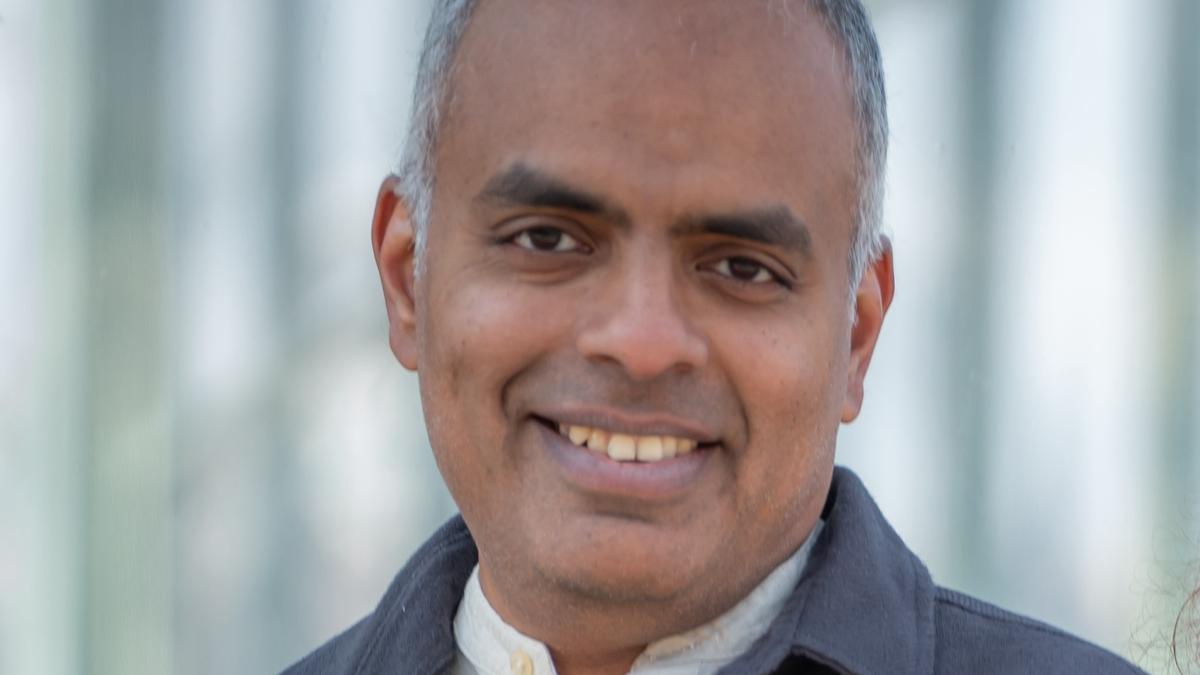
New Delhi, April 09, 2026 – In a world increasingly grappling with the complexities of mental and emotional well-being, a unique approach to cultivating a "fit mind" is gaining traction. At the forefront of this movement is Ashwin Srisailam, a former monk whose unconventional spiritual journey has culminated in the co-founding of Ahhaa, an innovative wellness app designed to foster self-awareness and promote mental resilience. Now 46, Srisailam’s path, which began at the tender age of 13 in an Andhra Pradesh monastery, has led him through profound encounters with global icons like pop legend Michael Jackson and rock drummer Rick Allen, ultimately shaping his vision for a technology-driven approach to mind fitness.
The Genesis of Ahhaa: A Vision for Mind Fitness
Ashwin Srisailam’s early immersion in monastic life provided him with a deep understanding of introspection and self-awareness. This foundation, honed over years of spiritual practice, has become the bedrock of Ahhaa. The app, co-created with Diane Bacchus, a spoken-word artist and fellow marathon enthusiast, aims to democratize the principles of mind fitness, making them accessible and applicable to everyday life.
"We met in 2012 in New York through the organizers of an event where both of us were giving a talk," shares Diane Bacchus, reflecting on the serendipitous encounter that sparked their partnership. "I was fascinated when I heard Ashwin talking. We soon became friends and started finding ways to propagate mind fitness through technology, and that’s how Ahhaa was born in 2017."
Srisailam emphasizes that Ahhaa is not merely another mental wellness app; it’s a paradigm shift in how we approach our inner lives. "One of our biggest philosophies is awareness," he states. "We can’t necessarily expect people to find time to meditate, go to a seminar, or listen to a podcast and then feel better. So, Ahhaa is a way where the awareness of daily life moments is recorded. We call it mind fitness and not mental well-being because we want people to understand what it is like to have a fit mind, through the concept of a fit body. A fit body has measurements like BMI, and you can record calories lost while walking or running. Ahhaa keeps that record to study patterns that form habits."
The Ahhaa Methodology: Cultivating Awareness Through Data
The core of Ahhaa’s functionality lies in its ability to translate everyday experiences into actionable insights. The app encourages users to log moments of awareness, much like athletes track their workouts. This data collection is not about judgment but about fostering a deeper understanding of one’s internal landscape.
"You’re basically doing what you would do through the day, but Ahhaa, as a tool, makes you mindful of those activities and then creates a dashboard around your mind’s and day’s patterns," explains Bacchus. "It’s making you intentional. It’s a lot like recording your workout on Strava."
Srisailam elaborates on the psychological underpinnings of this approach, drawing parallels to the dopamine rush associated with achieving small goals. "The extra effort to feed that data into the app doesn’t feel like an effort the moment you feel rewarded. So, there’s a dashboard that rewards you, makes you feel like you’re just becoming fitter by the day. Once the reward mechanism kicks in, people get addicted." This gamified approach to self-improvement aims to create a sustainable habit of self-reflection, leading to enhanced emotional intelligence and stress management.
A Tapestry of Encounters: From Monks to Pop Stars
Ashwin Srisailam’s journey is punctuated by extraordinary connections that underscore the universal pursuit of peace and resilience. His spiritual path led him to the doorstep of global figures, offering a unique perspective on their personal struggles and triumphs.
Rick Allen: The Drummer Who Found Solace and Strength
One of Srisailam’s most significant spiritual connections is with Rick Allen, the iconic one-armed drummer of the rock band Def Leppard. Their relationship began nearly 20 years ago at the same Andhra Pradesh monastery where Srisailam dedicated himself to monkhood.
"I met Rick at the time when he was still healing from the trauma of losing his arm in a car accident and yet practicing his drums to secure a spot among the world’s top 10 drummers," Srisailam recalls. "He was referred to the monastery by Hollywood actress Catherine Oxenberg. He’s the epitome of mind fitness, for his ability to bounce back from that accident." Allen’s remarkable resilience and his ability to adapt and thrive after a life-altering event have made him a powerful symbol of mental fortitude, and he now serves as Ahhaa’s brand ambassador. His personal journey resonates deeply with the app’s mission to empower individuals to overcome challenges and emerge stronger.
Michael Jackson: The Quest for Universal Peace
The monastery also served as an unexpected conduit to another global icon: Michael Jackson. Srisailam maintained a connection with the King of Pop for nearly three years before Jackson’s untimely passing. The connection was forged through an indirect route: a visitor to the monastery shared her experiences with Jackson’s nanny, who then relayed the information to the superstar.
"Someone from LA had come to one of our events, and that person had accidentally shared her experience at the monastery with Michael Jackson’s nanny," Srisailam recounts. "She reached out to us, and at some point, she told Michael about how she felt, and that’s how he got curious. One day, she called him and told me it was Michael just five minutes before asking me to speak with him."
During their conversations, Jackson expressed a profound desire to create a collective experience of peace and connection for his audience. "He wanted to visualize a crowd of 60,000-70,000 people at his concert experiencing a shift in their lives and wanted them to feel peaceful, happier, and connected with each other after his concert," Srisailam remembers. This aspiration for a shared positive emotional state aligns remarkably with Ahhaa’s broader goals of fostering individual well-being that can ripple outwards into communities.
The "Gurukul" as a Gateway: Lessons Learned
Srisailam views his time in the monastery, which he fondly refers to as a "gurukul," not as an end, but as a transformative gateway to new opportunities. The disciplined environment, focused on introspection and self-discovery, provided him with the tools and insights that he has now translated into a modern technological solution. The principles of mindfulness, emotional regulation, and conscious living, cultivated within the ancient walls of the monastery, are now being disseminated through a 21st-century app.

Supporting Data and the Science of Mind Fitness
While the concept of "mind fitness" may seem abstract, Srisailam and Bacchus are grounding it in tangible data and psychological principles. The app’s dashboard acts as a personal analytics tool for the mind, allowing users to identify patterns in their thoughts, emotions, and behaviors.
Key supporting data points and concepts that inform Ahhaa include:
- Mindfulness-Based Interventions (MBIs): Research consistently shows that mindfulness practices can reduce stress, anxiety, and depression, while improving focus and emotional regulation. Ahhaa encourages daily moments of awareness, a foundational aspect of mindfulness.
- Behavioral Psychology: The app leverages principles of operant conditioning and reinforcement by providing users with positive feedback and a sense of accomplishment as they log their progress. This "reward mechanism" is designed to foster habit formation.
- Cognitive Behavioral Therapy (CBT) Principles: While not a direct therapeutic tool, Ahhaa’s emphasis on identifying thought patterns and their impact on emotions draws parallels with CBT techniques. Users learn to observe their internal dialogue and its consequences.
- Self-Tracking and Quantified Self Movement: The growing trend of self-tracking across various aspects of life (fitness, sleep, finances) demonstrates a societal desire for data-driven self-improvement. Ahhaa extends this to the realm of mental well-being.
- Neuroplasticity: The concept that the brain can change and adapt throughout life is central to mind fitness. By consistently practicing awareness and intentionality, users can, over time, rewire their brains for greater resilience and emotional balance.
Official Responses and Future Implications
While Ahhaa is a privately developed initiative, its emergence is part of a broader societal and public health conversation around mental wellness. As awareness of mental health issues grows, there is an increasing demand for accessible and scalable solutions.
Potential implications and future considerations include:
- Integration with Healthcare Systems: As Ahhaa demonstrates efficacy, there is potential for partnerships with healthcare providers, therapists, and mental health organizations. The data collected could offer valuable insights for personalized care plans.
- Corporate Wellness Programs: Businesses are increasingly investing in employee well-being. Ahhaa’s focus on stress reduction and enhanced focus could make it an attractive tool for corporate wellness initiatives, potentially boosting productivity and reducing burnout.
- Educational Institutions: Introducing principles of mind fitness at an early age could equip students with essential life skills for navigating academic and social pressures.
- Global Scalability: The app’s digital nature allows for global reach, offering a standardized yet personalized approach to mind fitness across diverse cultures and demographics.
- Ethical Considerations: As with any data-driven platform, ensuring user privacy and data security will be paramount. Transparent data policies and robust security measures are crucial for building trust.
Ashwin Srisailam’s journey from the quiet contemplation of a monastery to the dynamic world of technology is a testament to the enduring power of self-discovery and the human desire for inner peace. Through Ahhaa, he and Diane Bacchus are not just building an app; they are cultivating a movement, empowering individuals to actively participate in their own mental and emotional well-being, one mindful moment at a time. Their work serves as a potent reminder that the path to a stronger, more resilient self can be forged through intention, awareness, and the intelligent application of modern tools.
