

Introduction: Beyond the Graceful Movement
Classical Indian dance forms, renowned for their intricate choreography, profound storytelling, and captivating artistry, often appear as effortless displays of physical prowess and emotional depth. Yet, beneath the surface of every captivating performance lies a rigorous discipline, a dedication that extends far beyond the intricate footwork and expressive gestures. For many practitioners, the true foundation of their art is not solely found in studio practice, but in the ancient disciplines of pranayama, yoga, and mindful breathing techniques. These practices, often overlooked by the casual observer, are the unseen pillars that support the dancer’s physical resilience, mental acuity, and emotional resonance, transforming mere movement into a profound act of embodied expression.
This article delves into the integral role of pranayama, yoga, and breathwork in the lives and careers of classical Indian dancers. Through the personal testimonies of Avijit Das (Kuchipudi), Meera Sreenarayanan (Bharatanatyam), and Preetisha Mohapatra (Odissi), we will explore how these ancient practices not only enhance physical capabilities and prevent injuries but also cultivate the mental fortitude and emotional depth essential for conveying the rich narratives and spiritual essence inherent in their respective art forms.
The Foundation of Form: Pranayama and Yoga as Essential Training
Avijit Das: The Breath as the Bridge Between Body and Mind in Kuchipudi
Kuchipudi, a vibrant and dynamic classical dance form from Andhra Pradesh, is characterized by its blend of intricate rhythmic patterns (nritta), expressive storytelling (abhinaya), and dramatic flair. For Kuchipudi dancer Avijit Das, his journey in the art form has been inextricably linked with his consistent practice of pranayama, yoga, and breathing techniques.
"When I look back at my training in Kuchipudi, I realize how pranayama, yoga, and breathing techniques have shaped me as an artiste," Das explains. "The dance form, with its blend of rhythm, expression, and storytelling, is demanding, requiring a dancer to align both body and mind. These practices have therefore remained a constant."
Pranayama, the science of breath control, has been instrumental in Das’s ability to achieve a state of centeredness before embarking on demanding practice sessions or stepping onto the stage for a performance. In the nuanced world of classical dance, where the seamless transition between abstract movement and profound emotional portrayal is paramount, controlled breathing acts as a crucial anchor. Practices like anulom vilom (alternate nostril breathing) and kapalabhati (skull-shining breath) are not merely physical exercises for Das; they are tools that sharpen his energy and steady his mind. This mental equilibrium is vital for sustaining long hours of rehearsal, navigating the intense emotional demands of performance, and channeling a deeper sense of devotion and emotion, which is a cornerstone of Kuchipudi’s narrative tradition.
The Breath as the Conductor of Emotion and Rhythm
Das further elaborates on the profound connection between breath and the very essence of dance. "In dance, where every movement is anchored in rhythm and emotion, breath becomes the thread that connects the two," he states. He has learned to synchronize his inhalations and exhalations with the tala (rhythmic cycle), fostering smoother transitions and a more fluid execution of choreography. More than just a rhythmic partner, breath is the vehicle for rasa, the aesthetic flavour or emotional essence of a performance. A forceful exhalation can amplify the dramatic tension of a battle sequence, while a gentle inhalation can soften the mood of a devotional piece. This deliberate use of breath elevates his dance from mere physical exertion to a living, breathing art form, capable of evoking profound emotional responses in the audience.

Yoga: Building the Physical Architecture of a Dancer
The physical demands of Kuchipudi—its swift footwork, sustained postures like the ardhamandalam (half-sitting posture), and dramatic poses—require a dancer to possess exceptional agility, strength, and grace. Yoga has been instrumental in building this robust physical foundation for Das. "Through yoga, I have strengthened my core, improved my posture, and gained the flexibility that lends fluidity to my movements," he notes. Beyond enhancing performance, yoga has also been a vital tool for injury prevention, keeping his joints supple and his body in proper alignment.
The benefits of yoga extend beyond the physical realm. It has instilled in Das a deep sense of patience and discipline. The act of holding a challenging pose and breathing through discomfort mirrors the endurance required to master complex Kuchipudi choreography. "Together, pranayama, yoga, and breathing techniques have given me the strength to endure rigorous training, the resilience to face challenges, and the maturity to express myself on stage," Das concludes. "I feel aligned both physically and spiritually, and that sense of union allows me to convey the true essence of the art form."
Beyond Technique: Breath as a Source of Embodied Wisdom
Meera Sreenarayanan: Pregnancy as a Revelation in the Art of Noticing
For Meera Sreenarayanan, a Bharatanatyam dancer, yoga has been a lifelong companion, initially perceived as a natural extension of her dance training. In her formative years, flexibility, balance, mobility, and strength were the primary metrics of progress, reflecting a dancer’s need to train, hone, and understand their physical instrument.
However, her perspective on yoga underwent a profound transformation during her experiences with marriage and motherhood. Pregnancy, a deeply personal and often unpredictable journey, offered a humbling reminder that not all aspects of life can be controlled, corrected, or rehearsed. "Life takes shape breath by breath," Sreenarayanan reflects, underscoring the shift in her understanding.
The Breath’s Silent Language During Life’s Transitions
This phase of her life illuminated a dimension of yoga that had previously been overlooked. Amidst the profound changes, discomfort, anticipation, and uncertainty that accompany pregnancy, the breath suddenly demanded her full attention. Once she became attuned to its presence, its pervasive influence became undeniable.
"As a Bharatanatyam dancer, I began to understand how deeply breath influences movement," she shares. The quality of a movement, she realized, is often dictated by the quality of the breath that precedes it. This insight extended to abhinaya as well. Before an emotion manifests in the eyes, face, or body, it often announces itself through the breath. This newfound awareness brought an unprecedented level of honesty and authenticity to her expressive performances.

Yoga as a Practice of Attentiveness
This profound realization transcended the boundaries of her dance practice, permeating her everyday life. Whenever she felt out of sync, the solution rarely lay in exerting more effort. More often, it involved a simple yet powerful act: paying closer attention.
In a contemporary world where fitness discourse often emphasizes "doing more," Sreenarayanan finds that yoga consistently reminds her of the profound value of "noticing more." "For years, I thought yoga was helping me become a better dancer," she concludes. "It took pregnancy to show me that it was helping me become a more attentive human." This shift highlights yoga’s transformative power, moving beyond physical enhancement to cultivate a deeper, more present mode of being.
Sustaining the Legacy: Contemporary Demands and Ancient Wisdom
Preetisha Mohapatra: Odissi, Yoga, and the Pursuit of Enduring Artistry
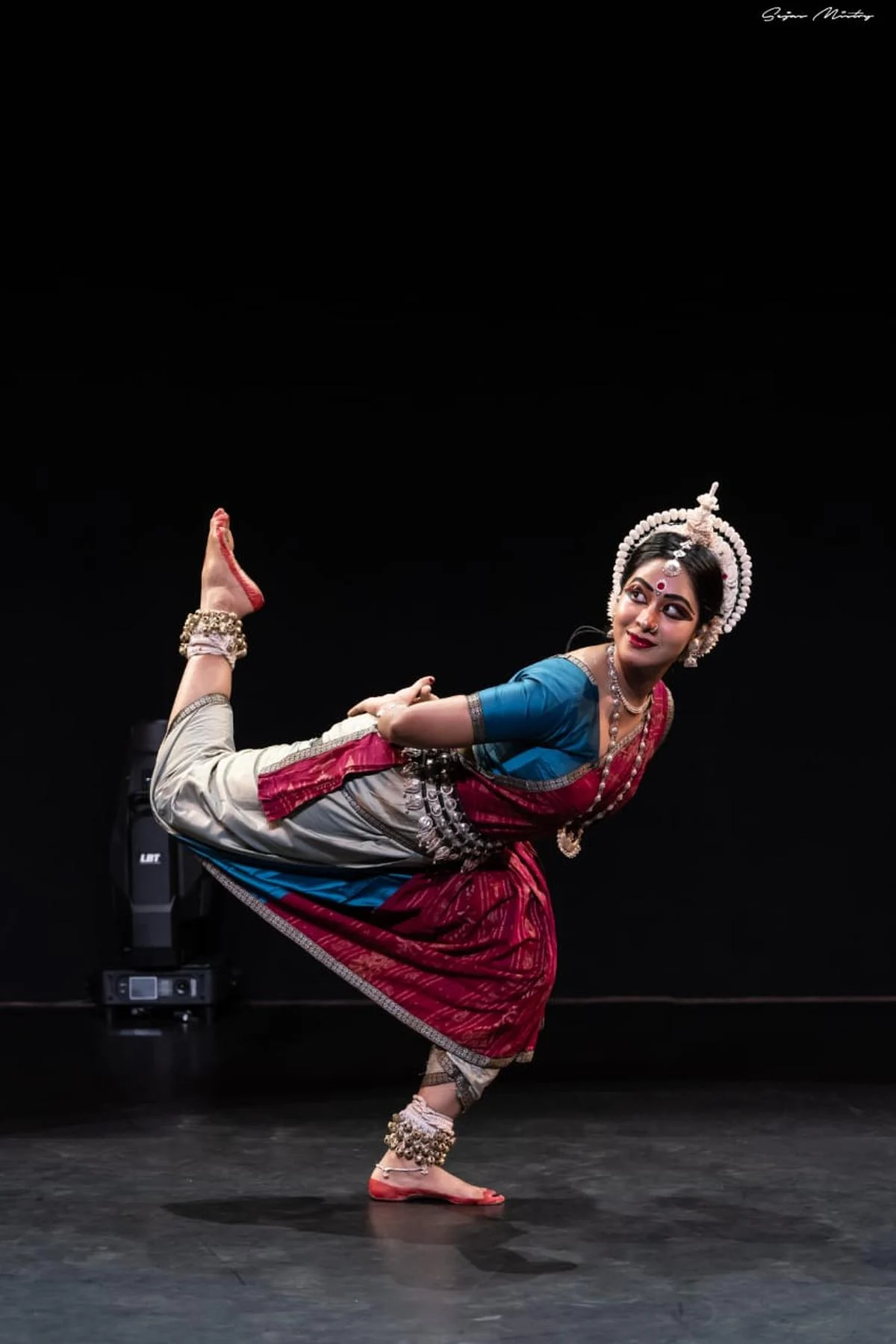
Preetisha Mohapatra, a 27-year-old Odissi dancer, operates within a contemporary performance landscape that demands a sophisticated and multi-dimensional approach to physical conditioning. While traditional Odissi inherently incorporates yogic movements, inspired by ancient temple sculptures, the modern context necessitates a more rigorous approach to maintaining the art form’s aesthetic and technical demands.
Mohapatra’s training is deeply rooted in the legacy of her grandfather, the legendary Guru Kelucharan Mohapatra, who pioneered research into injury prevention to refine iconic Odissi postures like the tribhangi. Her father, Odissi exponent Ratikant Mohapatra, further refined alignment techniques, particularly concerning toe and knee positioning, following his own experience with a significant ligament injury. Building upon this foundation, Preetisha has integrated specialized weight training into her daily regimen.
The Synergy of Strength Training and Classical Dance
"While dance provides excellent cardio, strength, and endurance, a solo performance requires sustained stamina to command the stage for an hour," Mohapatra explains. "Today’s challenges, including shifts in lifestyle, environment, and dietary quality, necessitate targeted resistance training and strict nutritional discipline." Weight training, she emphasizes, is crucial for building and preserving muscle mass, thereby shielding the skeletal structure from the cumulative physical stresses of dance and the natural aging process. This proactive discipline ensures that the body remains resilient and capable of enduring the rigorous physical demands of classical dance well into the future.
The Yogic Sensibility Embedded in Odissi

Mohapatra underscores the inherent yogic sensibility within Odissi’s sculptural postures, such as the tribhangi (three-bend posture) and chauka (square stance). These poses not only promote physical alignment but also foster internal balance. Her mother, senior dancer and choreographer Sujatha Mohapatra, exemplifies the profound impact of a dedicated yoga regimen, attributing her sustained physical stamina and mental focus to practices like Surya Namaskar (Sun Salutations).
Bridging Tradition and Modern Science for Longevity
"Classical dance is a slow, layered journey," Mohapatra observes. "While an artiste in their twenties is still evolving, it is in their forties and fifties that the form acquires depth and richness. To sustain this progress, the body must be nurtured from within from an early age."
The generation of dancers Mohapatra belongs to benefits from a unique advantage: the accumulated wisdom derived from past injuries and the insights of their predecessors. By harmonizing this inherited knowledge with contemporary sports science, they are equipped to build the physical resilience necessary for a long and injury-free artistic career. This integration of ancient practices with modern methodologies ensures that the legacy of classical dance continues to flourish, both in its artistic expression and in the enduring well-being of its practitioners.
Conclusion: The Enduring Power of Breath and Movement
The testimonies of Avijit Das, Meera Sreenarayanan, and Preetisha Mohapatra reveal a profound truth: the seemingly distinct disciplines of classical dance and ancient yogic practices are, in fact, deeply interwoven. Pranayama, yoga, and mindful breathing are not mere supplementary activities for these dancers; they are foundational elements that inform their physical prowess, mental clarity, and emotional depth.
From centering the mind before a performance to breathing life into character portrayals, from building the physical resilience to endure rigorous training to finding solace and attentiveness amidst life’s unpredictable currents, these practices offer a holistic approach to artistry. They empower dancers to not only execute complex movements with grace and precision but also to imbue their performances with a palpable sense of soul and authenticity. As classical Indian dance continues to evolve, the enduring wisdom of pranayama and yoga will undoubtedly remain the unseen, yet indispensable, pillars supporting its timeless beauty and profound narrative power.
