

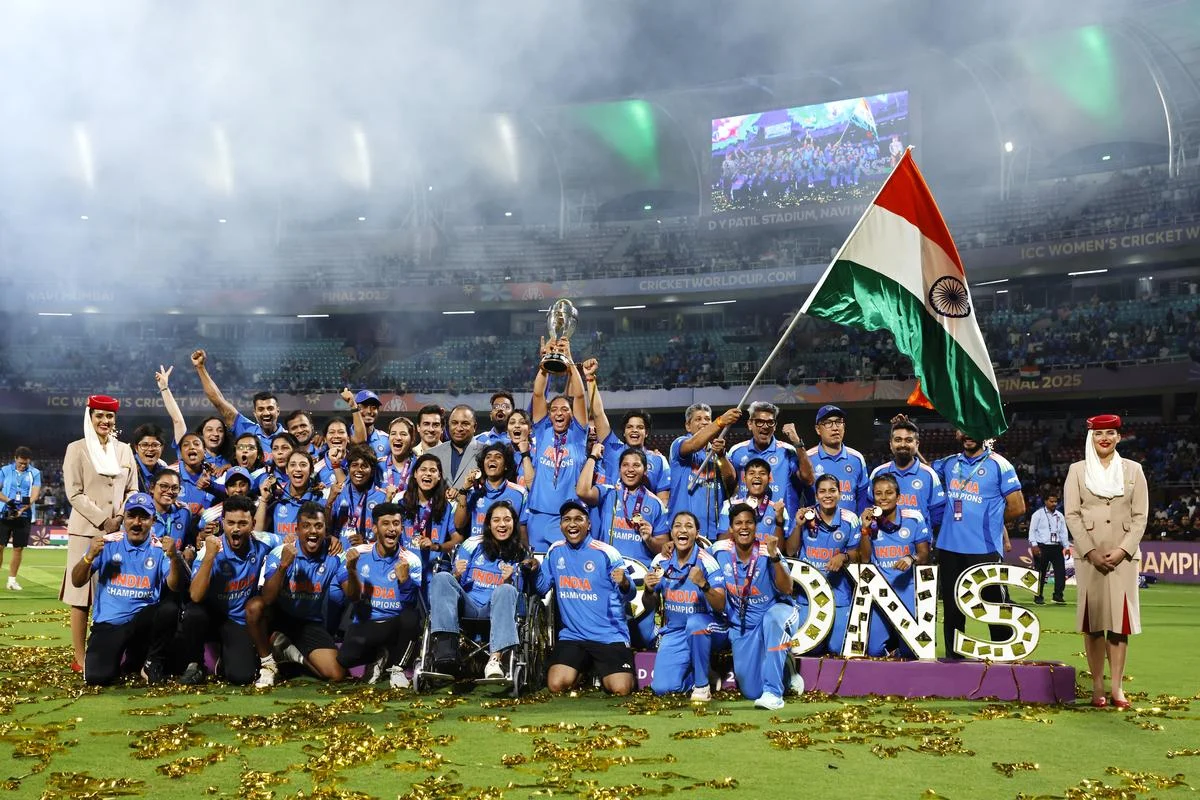
Chennai, India – November 4, 2025 – The air in the dugout on the night of November 2nd was thick with an almost unbearable tension. South Africa, just 53 agonizing runs away from a potential Women’s World Cup triumph, found themselves on the precipice of history. The silence that descended when Nadine de Klerk tossed back a delivery from India’s Deepti Sharma was palpable, a collective held breath across the stadium. Then, in a flash of brilliance that etched itself into the annals of Indian sporting lore, Harmanpreet Kaur completed a breathtaking catch, sealing India’s passage to an unforgettable victory.
Amidst the ensuing pandemonium and elation, a quiet observer, Dr. Harini Priyadharshini Muralidharan, the 33-year-old team doctor and a resident of Chennai, found herself not just witnessing but actively participating in a moment of monumental significance for Indian women’s cricket. This victory, hard-fought and deeply deserved, represents a culmination of years of dedication, sacrifice, and an unwavering belief in the power of sport.
The Unfolding Drama: A Doctor’s Perspective
"The dugout was tense. Everyone… every single person there was praying," Dr. Harini recounted, her voice still tinged with the residual thrill of that historic night. "By the ninth wicket, we had somewhat known that we were going to win. It is that kind of excitement where it is too early to jump up and celebrate. But when the moment happened, all we wanted to do was hug and cry, so that is what we did. Then, the running into the field happened."
While her tenure with the national team has been a relatively recent one, spanning just over a year, Dr. Harini articulated a profound sense of camaraderie and belonging. "I am excited to be on tour, and I have felt a deep connection with the team and the players," she shared. The triumphant victory, she believes, is a powerful testament to the adage of being in the "right place at the right time," a sentiment that resonates deeply with her personal journey into the demanding yet rewarding field of sports medicine.
The Unconventional Path: Forging a Career in Sports Medicine
Dr. Harini’s journey into the world of sports medicine is a narrative of embracing the unconventional. Hailing from a family with a strong tradition in medicine, she initially found herself at a crossroads regarding her specialization. It was her father who, with prescient wisdom, suggested the burgeoning field of Sports Medicine – a path less trodden by many in her family’s medical lineage.
"I reached out to Basu Shanker [an Indian performance coach], who said that in order to enter this field, I needed to have tried my hand at it. Which is why I began interning with him," she explained. This period of hands-on experience proved to be a revelation, solidifying her passion and confirming that sports medicine was indeed her calling.
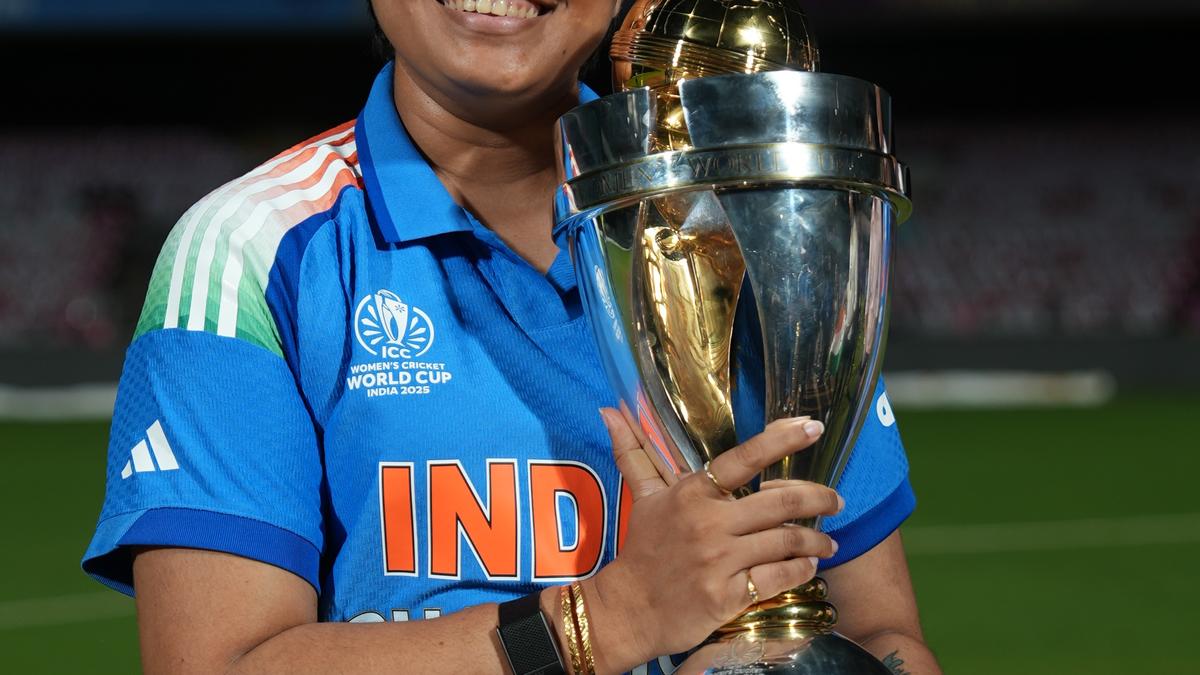
Following this formative year, Dr. Harini embarked on her academic pursuits, traveling to London to complete her Master’s in Exercise Medicine at Queen Mary University. Her return to India coincided with the initial wave of the COVID-19 pandemic, a period she described as "chaos." The subsequent years, marked by the global health crisis, were quieter, leading to an intensive period of job applications. "I must have sent out at least 100 CVs," she admitted, highlighting the competitive nature of securing a position in her chosen field.
From Club Level to National Glory: A Steadily Ascending Career
Her perseverance eventually paid dividends. Basu Shanker, who was then involved with the Royal Challengers Bengaluru, played a pivotal role in connecting Dr. Harini with senior members of the franchise. Following a rigorous interview process and a series of insightful conversations, she was recruited, gaining invaluable experience working with both the men’s and women’s teams.
"It was wild to work with the men’s and women’s team," she reflected. "The aim however, for anyone in this field, is to eventually work with the national team. When that call came, I didn’t even think of saying ‘no’." This opportunity to serve the national team represented the pinnacle of her aspirations, a dream realized through dedication and a commitment to excellence.
The Unseen Labor: Injury Management and Player Well-being
The demanding schedule of a World Cup tournament necessitates a dedicated and robust medical support system. Dr. Harini detailed her significant role in ensuring the players’ physical and mental well-being throughout the competition. "Over the length of the World Cup, I say that I spend at least four to five hours in the treatment room," she stated.
"The main focus in sports medicine is injury management," she elaborated. "There are several expert physiotherapists and masseuses who are recruited to the team for this purpose. I come in when one needs to deal with a big injury. Everyone stays in their own lanes. Sometimes at physiotherapy, when a player brushes aside a problem that might be a potential problem later, I ensure I take a look. The team here however, has been working with girls for years now. It is a lot of excellent work that has been put in."
This collaborative approach, where specialized expertise converges to address player health, is crucial for sustained performance and injury prevention. Dr. Harini’s role involves a keen eye for detail, identifying potential issues before they escalate and ensuring that every player receives the comprehensive care they need to perform at their peak.

Moments Beyond the Spotlight: Personal Sacrifices and Profound Impact
When asked about specific anecdotes or memorable incidents from the tournament, Dr. Harini admitted that the overwhelming joy of the victory has, in a way, overshadowed many individual moments. "I’m sure there’s many but most have been eclipsed by the victory," she said with a smile. However, she also candidly shared a personal sacrifice that underscores the dedication required of those supporting the team: "I do miss my son though." The demands of international sports travel often mean prolonged periods away from family, a reality that requires significant personal commitment.
Dr. Harini concluded her reflections with a powerful observation about the often-overlooked aspects of achieving sporting greatness. "The doctor says that people often forget to look at the kind of work that goes behind making a champion. It is not just physical but also mental." She emphasized the profound impact of witnessing firsthand the dedication and resilience of the players. "To witness the work put in has honestly been grounding. This [win] has made a noise so loud that I think society is willing to stop and let these girls do what they want to. That is the kind of impact sports has."
Supporting Data and Chronology of Success:
The ICC Women’s Cricket World Cup 2025 culminated in a historic final on November 2, 2025, at the DY Patil Stadium in Navi Mumbai. The match saw a fiercely contested battle between the Indian and South African teams.
- Pre-Match Scenario: South Africa, having reached the final, was on the cusp of a potential World Cup victory, needing only 53 runs with wickets in hand.
- The Turning Point: A crucial moment arrived when Nadine de Klerk’s delivery was met by a remarkable catch from India’s Harmanpreet Kaur, significantly shifting the momentum of the game.
- Match Outcome: India ultimately secured victory, clinching the Women’s World Cup title. This win marked a significant milestone for Indian women’s cricket, achieving a long-held aspiration.
- Dr. Harini’s Role: As the team doctor, Dr. Harini Priyadharshini Muralidharan was integral to the team’s support structure, focusing on injury management, player well-being, and providing crucial medical assistance throughout the tournament. Her presence ensured that players received prompt and effective care, contributing to their ability to perform at their best under immense pressure.
Official Responses and Future Implications:
The victory has been met with widespread acclaim and national celebration. While specific official statements from the BCCI (Board of Control for Cricket in India) are pending detailed release, the sentiment expressed by Dr. Harini regarding societal impact is widely shared. This triumph is expected to:
- Inspire a New Generation: The success of the Indian women’s cricket team is poised to ignite passion and encourage greater participation in the sport among young girls across India, breaking down societal barriers and fostering aspirations.
- Boost Investment and Support: A World Cup victory often leads to increased investment in women’s sports, including enhanced infrastructure, better training facilities, and more robust support systems for athletes.
- Elevate the Status of Women’s Cricket: This historic win is a powerful statement that will undoubtedly elevate the profile of women’s cricket in India and globally, demanding greater recognition and respect on par with men’s sports.
- Strengthen the Sports Medicine Field: The visibility of Dr. Harini’s role and the critical importance of sports medicine in achieving elite performance will likely encourage more medical professionals to consider specializing in this field, further strengthening the support network for athletes.
Dr. Harini Priyadharshini Muralidharan’s perspective offers a vital glimpse into the dedication, personal sacrifices, and the intricate web of support that underpins a monumental sporting achievement. Her journey, from contemplating her specialization to standing on the field as part of a World Cup-winning team, is a testament to the power of following one’s passion and the profound impact of sports medicine in shaping athletic success. This victory is not just a win on the scoreboard; it is a powerful narrative of resilience, aspiration, and the evolving landscape of women’s sports in India.
