

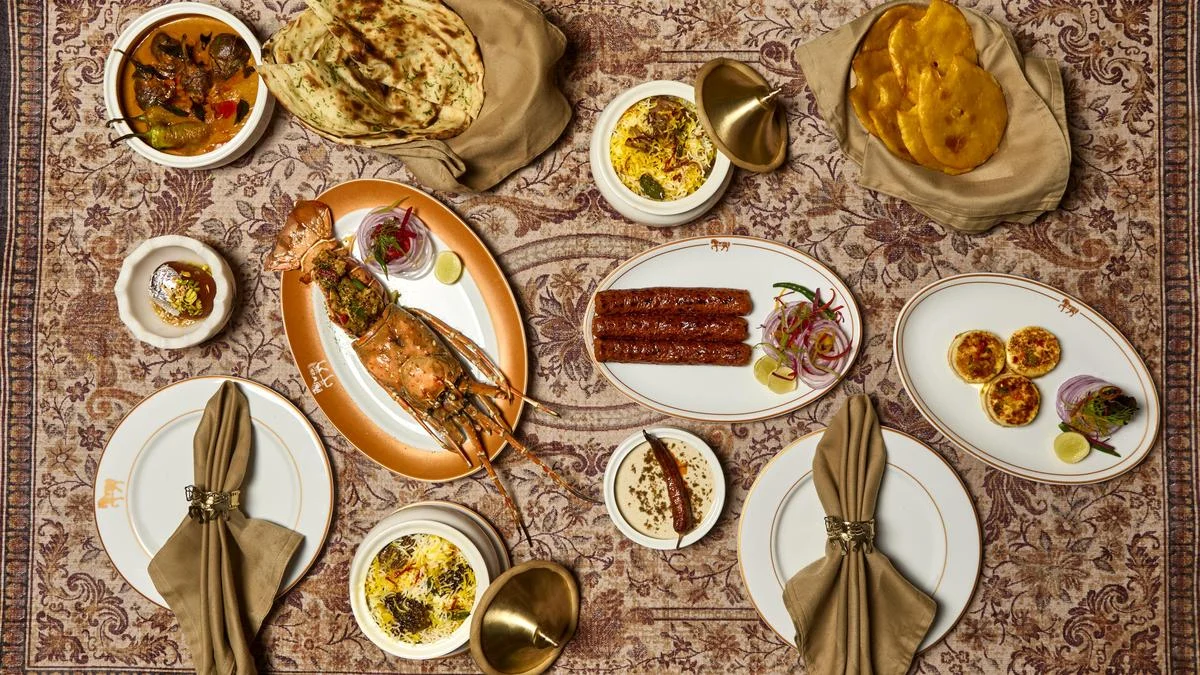
ASSAGAO, GOA – In the lush, palm-fringed corridors of Assagao, a culinary revolution is unfolding that bridges the geographical gap between the royal courts of Lucknow and the coastal serenity of the Arabian Sea. Kesar Bagh, the latest venture by Chef Azaan Qureshi in partnership with hospitality titan Priyank Sukhija, has emerged as a beacon of refined Awadhi gastronomy. This establishment is not merely a restaurant; it is a repository of a multi-generational legacy, housed within the walls of a meticulously restored 180-year-old Portuguese bungalow.
The opening of Kesar Bagh marks a significant pivot in Goa’s food and beverage (F&B) landscape, which has historically been dominated by Konkani seafood and European-inspired bistros. By introducing the sophisticated "Dum Pukht" (slow-cooking) techniques and the delicate "Galawat" (tenderizing) methods of the Nawabs to North Goa, Chef Azaan Qureshi is challenging the regional status quo and asserting the relevance of classical Indian haute cuisine in a globalized tourist hub.
The Qureshi Lineage: A Culinary Dynasty
To understand the gravity of Kesar Bagh’s arrival, one must look at the pedigree of its founder. Chef Azaan Qureshi is a scion of the legendary Qureshi family, arguably the most influential clan in the history of modern Indian professional cooking. He is the grandson of the late Padma Shri awardee Chef Imtiaz Qureshi, the visionary who single-handedly revived the Awadhi tradition for the modern palate and established iconic institutions like Bukhara (1978) and Dum Pukht (1988) at the ITC Maurya in New Delhi.
Azaan’s father, Chef Ghulam Qureshi, was instrumental in the success of Dum Pukht, working alongside Imtiaz to perfect the art of the slow-cooked biryani and the melt-in-the-mouth kebab. Having spent 15 years within the rigorous kitchens of ITC Hotels, Azaan Qureshi carries the weight of this heritage. Kesar Bagh represents his first flagship independent property, a space where tradition meets contemporary entrepreneurial ambition.

"In Awadhi cuisine, it’s not just the masalas (spices) but the dum technique that is special," Chef Azaan explains. "It makes even fewer spices seem more complex through a longer, more patient process. If I don’t preserve and further this reach, who will?"
Chronology: From Gurugram Ambitions to Goan Reality
The journey of Kesar Bagh began far from the red-tiled roofs of Assagao. Initially, the project was conceptualized for Gurugram, the corporate and culinary hub of the National Capital Region (NCR). The logic was sound: Northern India has a deep-seated appreciation for Mughlai and Awadhi flavors, and a Qureshi-led kitchen would have found an immediate, loyal audience.
However, the trajectory changed when Azaan Qureshi and Priyank Sukhija, CEO and Managing Director of First Fiddle F&B—the powerhouse behind brands like Lord of the Drinks and Dragonfly Experience—stumbled upon a property in Goa. The site was an ancestral Portuguese bungalow, nearly two centuries old, situated in the "Beverly Hills of Goa," Assagao.
The duo recognized that the architectural soul of the bungalow provided a perfect parallel to the historical depth of Awadhi cuisine. The decision was made to pivot. Throughout late 2023 and early 2024, the property underwent an extensive restoration process. The goal was to preserve the Indo-Portuguese architectural integrity while infusing it with the regal aesthetics of Lucknow’s Qaiser Bagh—the palace complex built by Wajid Ali Shah, the last Nawab of Awadh. Kesar Bagh officially opened its doors in April 2024, instantly becoming a focal point for discerning diners in the state.

Architectural Synthesis: Where Lucknow Meets Lisbon
Kesar Bagh is spread across half an acre, offering a seating capacity for 120 guests. The design philosophy, executed with a palette of light salmon pink and teal, creates a sense of "regal whimsy." The transition from the Goan exterior to the Awadhi-inspired interior is seamless yet striking.
Upon entry, guests are greeted by a traditional courtyard featuring a marble fountain strewn with rose petals, a direct nod to the courtyards of Lucknow. This area houses "Kesar," the outdoor bar, which serves as a transitional space between the tropical heat and the cool, refined dining rooms.
The interior is a labyrinth of interconnected rooms, each maintaining the original high-tiled roofs and 19th-century doors. The décor is a curated mix of the old and the new:
- Artistic Heritage: Walls are adorned with vibrant paintings by the renowned artist Thota Vaikuntam, alongside framed antique accessories.
- Reflective Elegance: One dining hall features walls lined with mirrors, designed to catch the flicker of light from the hanging chandeliers, reminiscent of a Sheesh Mahal.
- The Modern Aesthetic: While the atmosphere is steeped in history, contemporary touches—and some minor critiques like the presence of bulky grey speakers—remind the guest of the restaurant’s modern-day operation.
Supporting Data: A Deep Dive into the Culinary Portfolio
The menu at Kesar Bagh is a masterclass in the "Galawat" technique—the art of using natural enzymes (often from raw papaya) to tenderize meat to a paste-like consistency before cooking.

The Kebab Artistry
The centerpiece of the starter menu is the Kakori Kebab. Unlike the more common Seekh Kebab, the Kakori is legendary for its delicacy. At Kesar Bagh, it is served with Sheermal, a saffron-rich, mildly sweet traditional flatbread. The Kakori has been perfected over decades, utilizing a complex blend of spices that are balanced to ensure the meat remains the protagonist.
Other notable starters include:
- Takka Paisa Kebab: A technical marvel where mashed potato is wedged between roundels of cottage cheese and pan-grilled with precision.
- Harra Kebab Awadhi: A spinach and Bengal gram patty that conceals a core of roasted cashews and khoya (reduced milk solids).
- Murgh Chandi Tikka: Chicken marinated in cream and finished with edible silver foil, emphasizing the royal visual appeal of the cuisine.
Main Course and the "Dum" Philosophy
The main course highlights the versatility of the Qureshi repertoire. The Gucchi-Subz-E-Zar is a standout, featuring jumbo-sized morels (Gucchi) stuffed with clotted cream and potato, cooked in a salan-style gravy. This dish reflects a family innovation; Azaan’s grandfather, Imtiaz, was inspired by French culinary treatments of morels and adapted them to Indian gravies.
The Dal Ma Qureshi offers a lighter, more refined alternative to the ubiquitous Dal Makhani, while the bread selection—including Hazari Naan (layered with ajwain) and Doodh Garlic Naan (kneaded with milk, curd, and cheese)—demonstrates that in Awadhi dining, bread is never an afterthought.

No Awadhi meal is complete without Dum Biryani. The version at Kesar Bagh is characterized by its lightness. It eschews the heavy oils and aggressive spices found in commercial biryanis, opting instead for a fragrant profile of rose water and saffron, paired with succulent pieces of baby goat.
Official Responses and Chef Philosophy
Chef Azaan Qureshi views Kesar Bagh as an educational platform as much as a restaurant. In his discussions regarding the establishment, he emphasizes the importance of terminology and the preservation of specific roles within the kitchen, such as the Kebabchi (the specialist kebab maker).
"This restaurant is an opportunity to take diners through the history and the different techniques," Qureshi states. He notes that while Awadhi food has found global footprints in cities like New York and Tokyo, it often loses its soul in translation. By establishing Kesar Bagh in Goa, a location with high international and domestic tourist visibility, he aims to "re-authenticate" the cuisine for a diverse audience.
Priyank Sukhija of First Fiddle F&B echoed this sentiment, noting that the partnership was born out of a desire to bring "culinary royalty" to a market that was ready for a high-end, soul-satisfying Indian experience that went beyond the "butter chicken" stereotypes.

Implications for the Goan Culinary Landscape
The arrival of Kesar Bagh in Assagao signifies several shifts in the Indian hospitality industry:
- The "Assagao-fication" of Fine Dining: Assagao has cemented its status as the culinary heart of North Goa. The restoration of heritage bungalows into high-end restaurants like Kesar Bagh suggests a sustainable model for preserving Goan architecture through commercial viability.
- Regional Diversification: Goa is no longer just a destination for "beach food." The success of a high-end Awadhi restaurant indicates that the domestic traveler—Goa’s largest demographic—is seeking the comforts of regional Indian heritage even while on a coastal holiday.
- Legacy Branding: The Qureshi name carries significant "brand equity." Azaan Qureshi’s move into the independent space suggests a trend where chefs from famous lineages are stepping out from the shadows of large hotel chains to create boutique, chef-led experiences.
- Economic Impact: With a meal for two averaging ₹4,000, Kesar Bagh targets the "premium casual" to "fine dining" segment, contributing to the increasing premiumization of the Goan tourism economy.
In conclusion, Kesar Bagh is more than a new dining destination; it is a bridge between eras. It successfully transplants the slow, rhythmic pulse of Lucknowi kitchens into the vibrant, eclectic heart of Goa. For Chef Azaan Qureshi, it is a personal triumph—a way to ensure that the secrets of the dum and the galawat continue to be whispered in the ears of a new generation of gourmands.
