

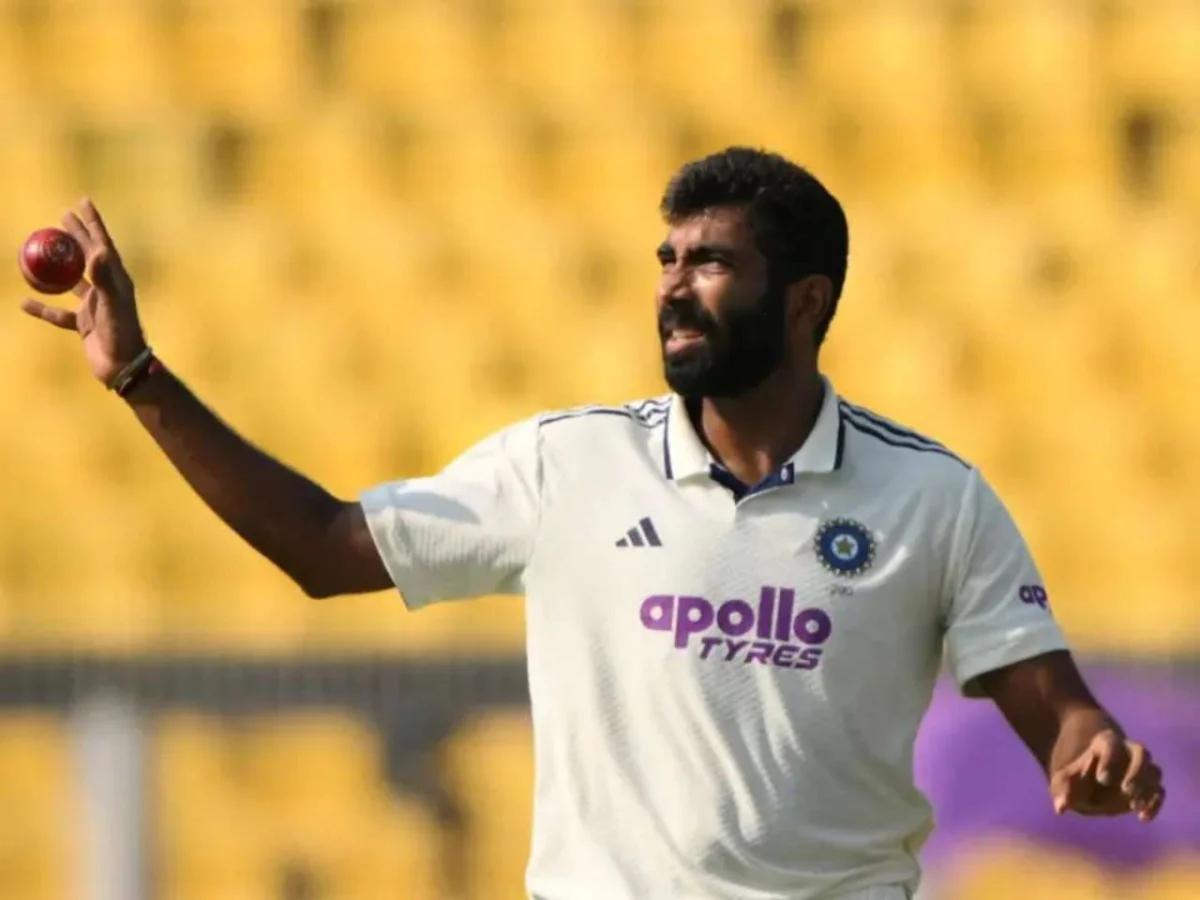
Mumbai, India – August 19, 2026 – In a testament to his unparalleled consistency and formidable skill, Indian fast bowling maestro Jasprit Bumrah has extended his dominion at the pinnacle of Test cricket, retaining the coveted No. 1 spot in the ICC Men’s Test bowling rankings for an astonishing 21 consecutive months. This remarkable feat underscores his unwavering excellence in the longest format, cementing his legacy as one of the most dominant bowlers of his era.
The latest ICC Men’s Weekly Rankings, unveiled on August 19, have brought forth significant movements across all formats, reflecting recent thrilling encounters on the international stage. While Bumrah’s grip on the Test bowling crown remains firm, the world of Test batting witnessed a dramatic reshuffle, largely fueled by Bangladesh’s stunning nine-wicket triumph over Australia in Darwin. Indian batters, meanwhile, continue to assert their dominance in One Day Internationals, with Shubman Gill, Virat Kohli, and Rohit Sharma featuring prominently in the Top 10, further bolstered by Shreyas Iyer’s impressive ascent.
Main Facts: A Snapshot of Dominance and Dynamic Shifts
The cricketing world wakes up to a landscape where individual brilliance and team performances have painted a vibrant picture of global competition. At the heart of this narrative is Jasprit Bumrah, whose 21-month reign as the world’s premier Test bowler is a monumental achievement, speaking volumes about his skill, fitness, and strategic acumen. His ability to maintain such a high standard across diverse conditions and against top opposition for nearly two years is a rare feat in modern cricket, placing him in an elite league of fast bowling legends.
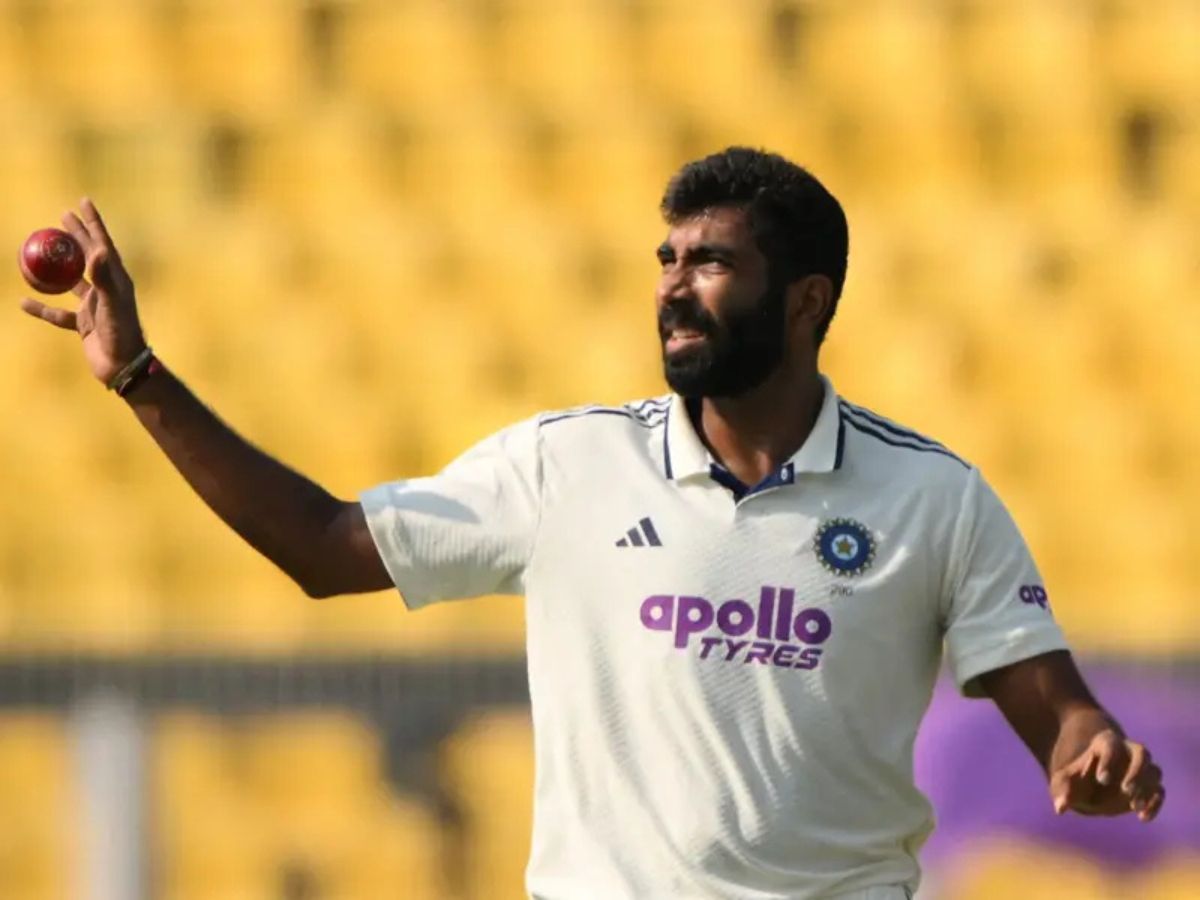
Alongside Bumrah, his compatriot Ravindra Jadeja continues to hold steady at the top of the Test all-rounder charts, reinforcing India’s strong presence in the most traditional format of the game.
)
The ODI batting rankings present a formidable Indian quartet: Shubman Gill leads the pack, followed by the ever-consistent Virat Kohli at third, and the explosive Rohit Sharma at fourth. Adding to this formidable line-up, Shreyas Iyer has made a significant leap to 13th place, showcasing the depth of India’s white-ball batting talent. This collective presence at the summit of ODI batting rankings underscores India’s formidable position ahead of crucial white-ball assignments.
However, the most immediate and dramatic changes have been observed in the Test batting rankings. The seismic shift was triggered by Bangladesh’s historic victory over Australia, which saw Australian batter Travis Head plummet from first to fourth place. Seizing the opportunity, England’s dynamic Harry Brook reclaimed the number one position, illustrating the volatile nature of top-tier Test cricket where form and performance in a single series can redefine a player’s standing. Joe Root and Steve Smith now occupy the second and third spots respectively, with a mere 33 rating points separating the top four batsmen, highlighting an intensely competitive and tightly contested bracket. India’s young talents, Shubman Gill and Yashasvi Jaiswal, also maintain their presence within the Test top ten, signaling a promising future for Indian red-ball cricket.

In the white-ball format, Afghanistan’s spin wizard Rashid Khan maintains his undisputed status as the top ODI bowler, building on a stellar performance against Ireland. His teammate Azmatullah Omarzai also made a significant upward move, reflecting Afghanistan’s growing prowess in limited-overs cricket.
Chronology: The Week That Was – Unpacking the Ranking Movements
The ICC’s weekly rankings update, typically a routine affair, became a focal point this past Tuesday, August 19, following a series of compelling international fixtures. The most impactful of these was the Test match between Bangladesh and Australia in Darwin, which served as a potent catalyst for significant shifts, particularly in the Test batting category.
)
The Darwin Upset: Bangladesh Shakes the Test Batting Order
Bangladesh’s remarkable nine-wicket victory over Australia was not just a historic win for the Tigers but also a pivotal moment for the individual rankings. Australian opener Travis Head, who had previously held the coveted No. 1 Test batting spot, endured a challenging outing in Darwin, managing scores of only 22 and 17 runs across both innings. This below-par performance proved costly, leading to a substantial drop from first to fourth place in the rankings. The quick fall from grace for a top-ranked player underscores the unforgiving nature of the ICC rating system, where recent performances carry significant weight.
)
Capitalizing on Head’s dip, England’s Harry Brook, known for his aggressive yet classical Test match batting, reclaimed the number one position. Brook’s consistent form over the past year has seen him frequently contend for the top spot, and his re-ascension highlights his growing influence in England’s Test setup. The immediate impact of the Darwin Test further solidified the positions of Joe Root (second) and Steve Smith (third), creating a thrilling four-way battle at the summit, separated by an incredibly slender margin of just 33 rating points. This close contest promises an exciting period for Test batting, with each upcoming series having the potential to crown a new leader.
For Bangladesh, the Darwin Test was a triumph on multiple fronts. Fast bowler Hasan Mahmud was deservedly named Player of the Match for his outstanding nine-wicket haul in the match. His phenomenal performance translated into a staggering 26-place jump in the Test bowling rankings, propelling him to 38th. This meteoric rise is a testament to his skill and impact, signaling a bright future for Bangladeshi fast bowling. Complementing Mahmud’s efforts, spin all-rounder Mehidy Hasan Miraz, who claimed five crucial wickets in the second innings, also moved up three spots to 24th, further bolstering Bangladesh’s presence in the bowling charts.
)
Jasprit Bumrah’s Unwavering Command in Test Bowling
Even without participating in India’s recent Test series against Sri Lanka in Galle, Jasprit Bumrah’s position at the top of the Test bowling rankings remained unassailable. This speaks volumes about the substantial lead he had built and the consistency of his performances over the past two years. His reign, now stretching to 21 months, is a reflection of his ability to deliver match-winning spells consistently, making him a perennial threat in all conditions.
)
Shreyas Iyer’s ODI Ascendance and Indian Batting Might
In the One Day International format, Indian middle-order batsman Shreyas Iyer has been a notable mover. Following a solid series against England, Iyer climbed to 13th in the ODI batting rankings. His consistent run-scoring, often under pressure, has been instrumental in his steady rise. He now joins a formidable Indian contingent at the top of the ODI batting charts, featuring the dynamic Shubman Gill (first), the legendary Virat Kohli (third), and the impactful Rohit Sharma (fourth). This collective strength highlights India’s deep batting resources and their dominant position in the 50-over format.
)
Afghanistan’s Rising Stars in ODI Cricket
Afghanistan’s impressive performances in white-ball cricket continue to yield individual accolades. Spin sensation Rashid Khan maintained his status as the premier ODI bowler globally, further solidifying his position after an outstanding 12-wicket haul in a recent five-match series against Ireland. His consistent wicket-taking ability and economy rate make him a formidable force. Adding to Afghanistan’s growing talent pool, all-rounder Azmatullah Omarzai made a significant leap of nine spots to 19th in the ODI bowling rankings, courtesy of his eight wickets in the same series. These movements underscore Afghanistan’s emergence as a significant force in limited-overs cricket.
)
Supporting Data: Deconstructing the Numbers and Impact
The ICC rankings are more than just numbers; they are a dynamic reflection of player performance, quality of opposition, and the challenging conditions under which cricket is played. Understanding the mechanics behind these rankings helps appreciate the magnitude of achievements like Bumrah’s prolonged dominance or Brook’s reclamation of the top spot.
The Significance of Bumrah’s 21-Month Reign:
To maintain the world No. 1 ranking for 21 consecutive months in Test bowling is an extraordinary feat. It means Bumrah has consistently outperformed every other bowler globally, irrespective of the format, for nearly two years. This level of sustained excellence requires not only immense skill – his unique action, pinpoint accuracy, and ability to swing and seam the ball at high pace – but also remarkable fitness, mental fortitude, and tactical intelligence. His ability to pick up wickets in all phases of an innings, whether with the new ball or with reverse swing, makes him an invaluable asset. This period of dominance places him in the company of legends like Glenn McGrath, Muttiah Muralitharan, and Shane Warne, who also enjoyed extended periods at the top. The fact that he held onto the top spot even without playing a recent Test further illustrates the substantial lead he has built through consistently devastating performances over a prolonged period.
)
The Volatility of Test Batting:
The Test batting rankings, with just 33 points separating the top four (Harry Brook, Joe Root, Steve Smith, Travis Head), exemplify the intense competition and the fine margins at the elite level. A strong century or a couple of failures can dramatically alter positions. Travis Head’s experience serves as a stark reminder: two modest scores were enough to dislodge him from the peak. Conversely, Harry Brook’s re-ascension highlights the reward for consistent run-scoring against quality attacks. Shubman Gill and Yashasvi Jaiswal’s continued presence in the Test top ten, despite their relatively nascent careers, points to their immense talent and potential to challenge for the top spot in the coming years.
India’s ODI Batting Powerhouse:
The collective strength of Indian batters in the ODI rankings is a testament to the depth and quality of their white-ball squad. Shubman Gill leading the charts, Virat Kohli consistently among the best, and Rohit Sharma’s explosive presence ensure India possesses one of the most formidable batting line-ups in the world. Shreyas Iyer’s rise to 13th, often filling crucial middle-order roles, adds another layer of reliability. This dominant batting core provides India with a significant advantage, particularly in multi-nation tournaments and upcoming ICC events.
)
The ICC Rating Points Explained:
The ICC rating points system is designed to be a dynamic and meritocratic measure of player performance. At its core, it rewards players who perform exceptionally well against strong opposition in challenging conditions.
- Quality of Opposition: Scoring runs or taking wickets against a highly-rated team yields more points than performing against a lower-ranked team. For instance, a century against the world No. 1 Test team would earn more points than one against the No. 9 team.
- Match Impact: Performances that directly contribute to a team’s victory or significantly influence the outcome of a match are weighted more heavily.
- Format Specificity: The system accounts for the nuances of each format. A five-wicket haul in a Test match, for example, is valued differently than in a T20 match.
- Recent Form: The system has a built-in recency bias, meaning recent performances carry more weight than older ones. This ensures the rankings reflect a player’s current form. This explains why a few strong innings or a standout bowling effort can lead to rapid upward mobility, as seen with Hasan Mahmud’s 26-place jump or Babar Azam’s recent return to the Top 10 after a few good performances (as mentioned in the original article, serving as a general example of volatility).
This sophisticated algorithm ensures that the rankings are not static but evolve weekly, providing an accurate and up-to-date snapshot of individual excellence in international cricket.
)
Official Responses: The Rankings as a Global Barometer
While the ICC’s ranking updates do not typically come with direct quotes from officials, the very existence and meticulous maintenance of these rankings serve as a profound official response to the global cricketing landscape. The ICC, as the governing body, utilizes these rankings as a fundamental mechanism for:
- Recognizing Excellence: The rankings are the official stamp of individual and team performance, acknowledging and celebrating the best players and teams in the world across formats. Jasprit Bumrah’s 21-month reign, for instance, is not just a statistical anomaly but an official recognition by the sport’s highest authority of his unparalleled quality.
- Promoting Competition: The dynamic nature of the rankings, particularly the tight contests at the top of Test batting, inherently fosters competition. Players and teams are acutely aware of their standings and are motivated to improve, knowing that strong performances can lead to upward mobility and global recognition.
- Providing Transparency: The weekly updates and the clear methodology behind the rating points ensure transparency. Cricket boards, players, and fans can track progress and understand the impact of various series and tournaments. This transparency reinforces the credibility of the international game.
- Shaping Narratives: The rankings are a crucial tool for journalists, commentators, and fans to discuss player form, compare eras, and build narratives around upcoming series. Who is the best? Who is rising? Who is under pressure? The rankings provide objective data to fuel these discussions.
- Influencing Team Dynamics: While not always the sole factor, rankings can sometimes influence team selections, particularly in situations where players are vying for a spot. A player’s high ranking often signifies consistent performance at the international level, a crucial consideration for selectors.
- Global Benchmarking: For emerging cricketing nations like Bangladesh and Afghanistan, seeing their players make significant jumps in the rankings (Hasan Mahmud, Azmatullah Omarzai) provides tangible evidence of their progress and helps them benchmark their talent against established cricketing powerhouses. This can be a powerful motivator for further investment and development in cricket.
In essence, the ICC rankings are the official, living document of international cricket, constantly updated to reflect the ebb and flow of form, skill, and competitive prowess on the world stage. They are the silent, yet powerful, pronouncement of who stands where in the global hierarchy of the sport.
)
Implications: Reshaping Futures and Intensifying Rivalries
The latest ICC rankings are more than just a scoreboard; they carry significant implications for individual players, national teams, and the broader cricketing ecosystem. They hint at future rivalries, upcoming challenges, and the evolving dynamics of international cricket.
For India: Solidifying Dominance and Eyeing Future Glory
Jasprit Bumrah’s extended reign as the No. 1 Test bowler is a massive boost for Indian cricket. It provides a bedrock of consistency and wicket-taking ability around which India can build its Test strategy. With Ravindra Jadeja also at the top of the all-rounder charts, India boasts two of the most impactful players in Test cricket, offering a strong foundation for any series, home or away.
In ODIs, the Indian batting dominance—with Gill, Kohli, Rohit, and Iyer all featuring prominently—positions them as formidable contenders for any upcoming white-ball tournaments, including future World Cups. This depth of talent ensures that even if one star falters, others are ready to step up, making India a consistent threat. The challenge now will be to translate this individual brilliance into sustained team success in ICC events.
)
For Bangladesh: A Historic Win and a Promising Trajectory
The historic win against Australia in Darwin and the subsequent rise of Hasan Mahmud and Mehidy Hasan Miraz in the Test rankings is a monumental moment for Bangladesh. It signals a growing maturity and competitive edge in their Test team. Such victories against top-ranked nations not only boost morale but also instill belief that they can compete at the highest level consistently. This could pave the way for more competitive series against established Test nations and potentially lead to a higher ranking for the team itself in the coming years. Mahmud’s rapid ascent, in particular, suggests the emergence of a genuine fast-bowling talent, a valuable asset for any Test team.
For Australia and Travis Head: A Moment of Reflection
Travis Head’s drop from the No. 1 Test batting spot is a stark reminder of the unforgiving nature of top-tier sport. While one series does not define a career, it will undoubtedly prompt reflection for Head and the Australian team. It highlights the constant pressure to perform and the fierce competition at the top. For Australia, it underscores the need for consistent contributions from their batting lineup, especially as they navigate challenging tours and series.
)
For England and Harry Brook: "Bazball" Bearing Fruit
Harry Brook reclaiming the No. 1 Test batting spot is a significant validation of England’s aggressive "Bazball" approach. Brook embodies this philosophy with his fearless yet skillful batting. His consistent high scores are a testament to his talent and the freedom he is given to express himself. This will further embolden England to continue with their attacking brand of Test cricket, which has proven both entertaining and effective.
For Afghanistan: White-Ball Power on the Rise
Rashid Khan’s unwavering dominance in ODI bowling and Azmatullah Omarzai’s impressive jump indicate Afghanistan’s growing stature in limited-overs cricket. They are no longer considered minnows but genuine contenders, capable of challenging any team. Their strong individual performances will fuel aspirations for greater success in future ODI World Cups and other white-ball tournaments, making them an exciting team to watch.
)
Global Cricket Landscape: A Healthily Competitive Era
The fluidity of the rankings, particularly in Test batting, signifies a healthy and competitive era in international cricket. There are multiple players vying for the top spots, ensuring that no single individual or team can rest on their laurels. This dynamic environment benefits fans, promising thrilling contests and constantly evolving narratives. The rise of players from different nations, like Hasan Mahmud from Bangladesh, further democratizes the sport, showcasing talent from across the globe.
Looking ahead, upcoming major series, such as India’s next Test assignments, potential Ashes battles, or crucial ODI World Cup qualifiers, will undoubtedly provide more opportunities for players to ascend or defend their positions. The battle for supremacy in all formats remains fiercely contested, ensuring that the ICC rankings will continue to be a compelling and ever-changing barometer of cricketing excellence.
)
The stage is set for more captivating performances, dramatic shifts, and the continued narrative of cricketing greatness, with Jasprit Bumrah’s enduring legacy as the world’s premier Test bowler serving as a powerful anchor amidst the ebb and flow of the international game.
