

The Core Mystery: IPL’s Unlikely Test Legacy
Former India cricketer Sanjay Manjrekar, a voice synonymous with insightful and often provocative commentary, recently articulated a sentiment that has quietly puzzled many observers of the game: the remarkable, almost inexplicable, success of India’s ‘IPL generation’ in the demanding arena of Test cricket. Manjrekar candidly admitted to being "amazed and a little baffled" by how players, primarily groomed in the fast-paced, high-octane environment of the T20 Indian Premier League, have seamlessly transitioned and, more importantly, consistently excelled in the five-day format. He likened this adaptation to a "mystery," an unexpected confluence of skill sets that defy traditional cricketing logic.
The crux of Manjrekar’s observation, shared on ‘The Great Indian Cricket Show’ on Doordarshan, lies in the stark dichotomy between the two formats. T20 cricket champions instant aggression, audacious stroke play, and a relentless pursuit of boundaries. It’s a game of calculated risks, short bursts of intense focus, and rapid scoring. Test cricket, conversely, demands an entirely different psychological and technical toolkit: unwavering patience, rigorous discipline, profound concentration over extended periods, and the ability to grind out runs or bowl long, accurate spells. It requires a deep understanding of match situations, the art of attrition, and the mental fortitude to withstand pressure for hours, even days. For players nurtured on the instant gratification of T20s to not just survive but thrive in this traditional format is, as Manjrekar suggests, akin to asking a pop singer to flawlessly deliver a complex classical raga – a task that seemingly requires an entirely different upbringing and skill set, yet one that this generation is performing with surprising aplomb.
This phenomenon is particularly striking in batting. The mechanics of T20 batting often involve pre-meditated shots, power hitting, and minimizing dot balls. Test batting, on the other hand, prioritizes leaving deliveries, defending resolutely, building innings through singles and twos, and waiting for loose balls. The successful integration of these disparate styles by young Indian cricketers represents a significant evolution in player development, challenging long-held beliefs about the ideal pathway to Test cricket. It raises fundamental questions about what truly defines a Test cricketer in the modern era and how foundational skills are now being acquired and adapted.
A Chronological Shift: From Traditional Pathways to T20 Springboards
The journey of Indian cricketers to the Test arena has undergone a profound transformation over the past two decades, largely influenced by the advent and meteering rise of the Indian Premier League.
)
The Pre-IPL Era: The Sanctity of First-Class Grind (Pre-2008)
Before the IPL’s inception in 2008, the traditional pathway to Test cricket was a well-trodden, arduous one. Aspiring Test cricketers were expected to cut their teeth in domestic first-class competitions like the Ranji Trophy, Duleep Trophy, and Irani Cup. Here, they would spend years honing their technique, building monumental innings, and proving their temperament over multiple seasons. The emphasis was on classical technique, defensive solidity, and the ability to absorb pressure. Players like Rahul Dravid, VVS Laxman, and Sachin Tendulkar spent considerable time in the domestic circuit before their Test debuts, their games meticulously sculpted by the demands of red-ball cricket. A long, successful first-class career was the undisputed prerequisite for donning the whites for India. There was a clear hierarchy: first-class performances were paramount, and limited-overs cricket, while important, was generally seen as a secondary proving ground for Test aspirations.
The Dawn of IPL: Initial Apprehensions and Emerging Talent (2008-2015)
When the IPL burst onto the scene in 2008, it brought with it a wave of excitement, but also significant apprehension within traditional cricketing circles. Many purists feared that the format’s focus on quick scoring and aggressive play would dilute the technical foundations necessary for Test cricket. Concerns were raised about young players prioritizing T20 riches over the rigorous grind of first-class cricket, potentially leading to a decline in Test standards. However, the IPL also provided an unprecedented platform for young, uncapped players to showcase their talent on a global stage. Players like Virat Kohli and Rohit Sharma, who later became Test stalwarts, were part of this early IPL wave. While their Test careers initially followed a more conventional arc of development, the seeds of a new pathway were being sown. The IPL began to expose players to high-pressure situations, international competition, and diverse coaching methodologies at a much younger age.

The Mid-IPL Evolution: Signs of Adaptability (2015-2020)
As the IPL matured, so did the understanding of how its skills might intersect with other formats. Cricketers like Rishabh Pant, Hardik Pandya, and Jasprit Bumrah emerged during this period, bringing with them a dynamic, fearless brand of cricket that seemed to be influenced by their T20 exposure. Pant, in particular, became a symbol of this shift, showcasing an aggressive yet effective batting style that, while unconventional for Tests, yielded remarkable results, especially in challenging overseas conditions. Bumrah, a white-ball specialist initially, rapidly transformed into one of the world’s premier Test fast bowlers, his unique action and ability to adapt his T20 variations proving devastating with the red ball. This era began to dismantle the rigid belief that T20 skills were inherently detrimental to Test performance, demonstrating that adaptability and mental fortitude could bridge the gap.
The Modern IPL Generation: Redefining Test Credentials (Post-2020)
The current phase sees a distinct ‘IPL generation’ not just adapting, but actively dominating in Tests. Players like Shubman Gill, Yashasvi Jaiswal, Ishan Kishan, Shreyas Iyer, and most recently, Devdutt Padikkal, epitomize this trend. These cricketers have either gained significant IPL exposure early in their careers or developed alongside the league’s pervasive influence. Their journey often involves a strong IPL showing, followed by solid performances in domestic first-class cricket, which then serves as a springboard to the national Test team.
)
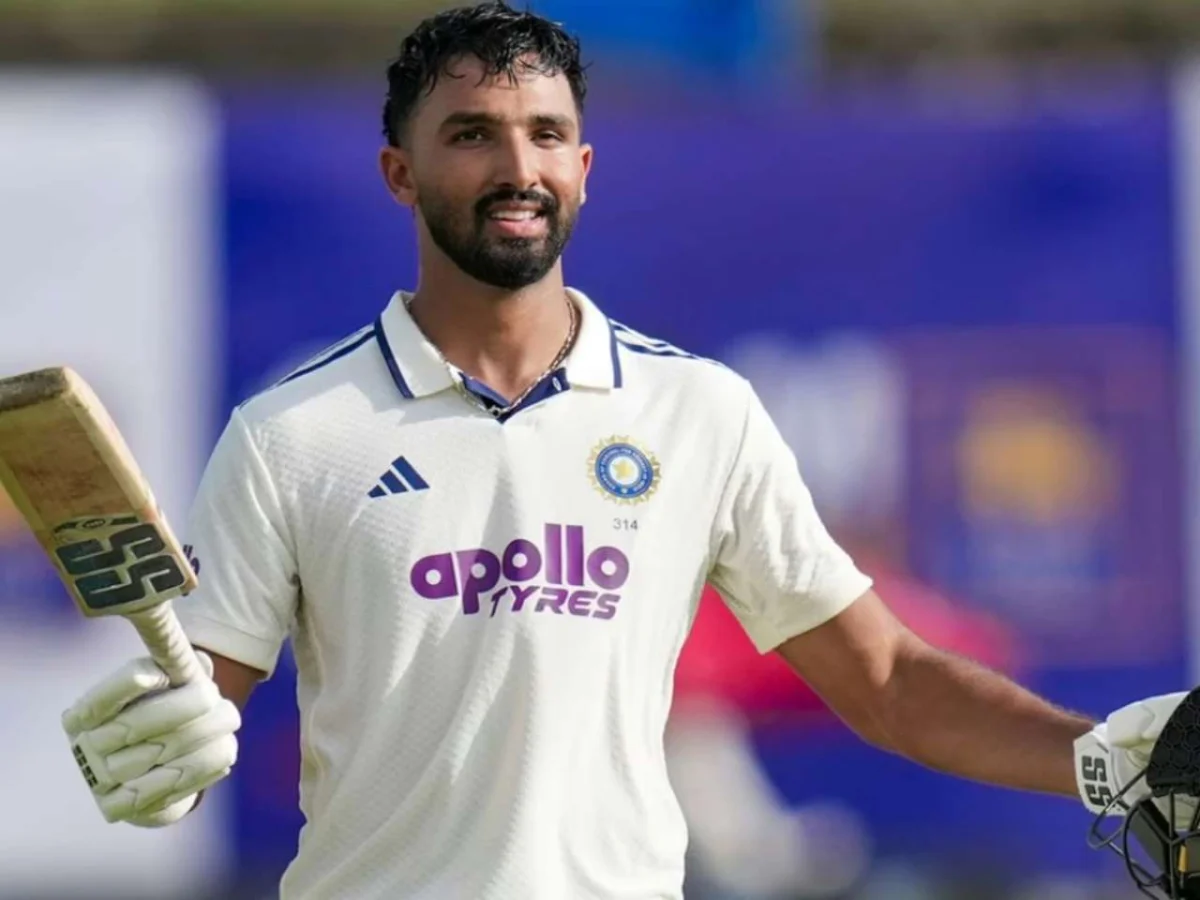
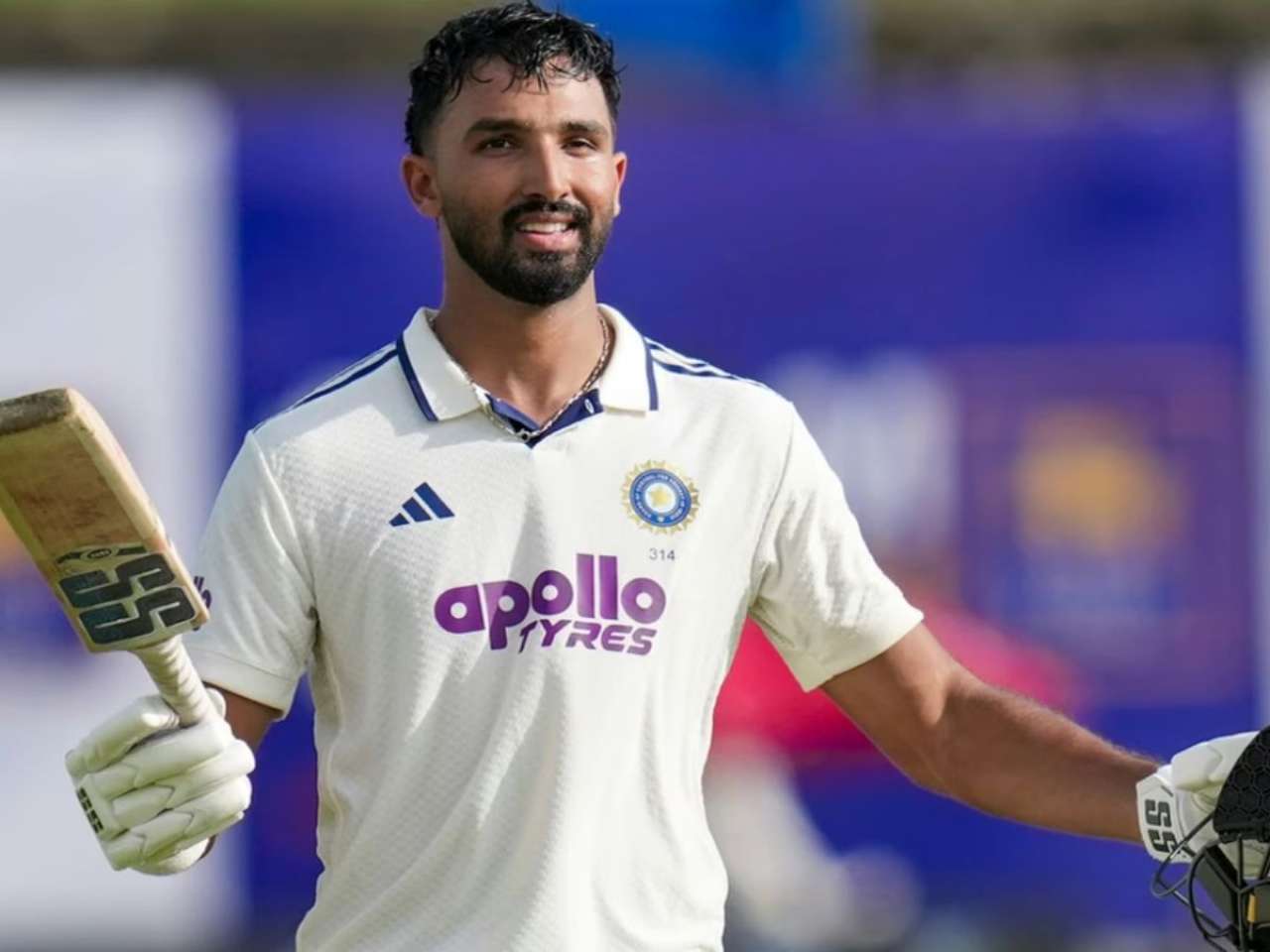
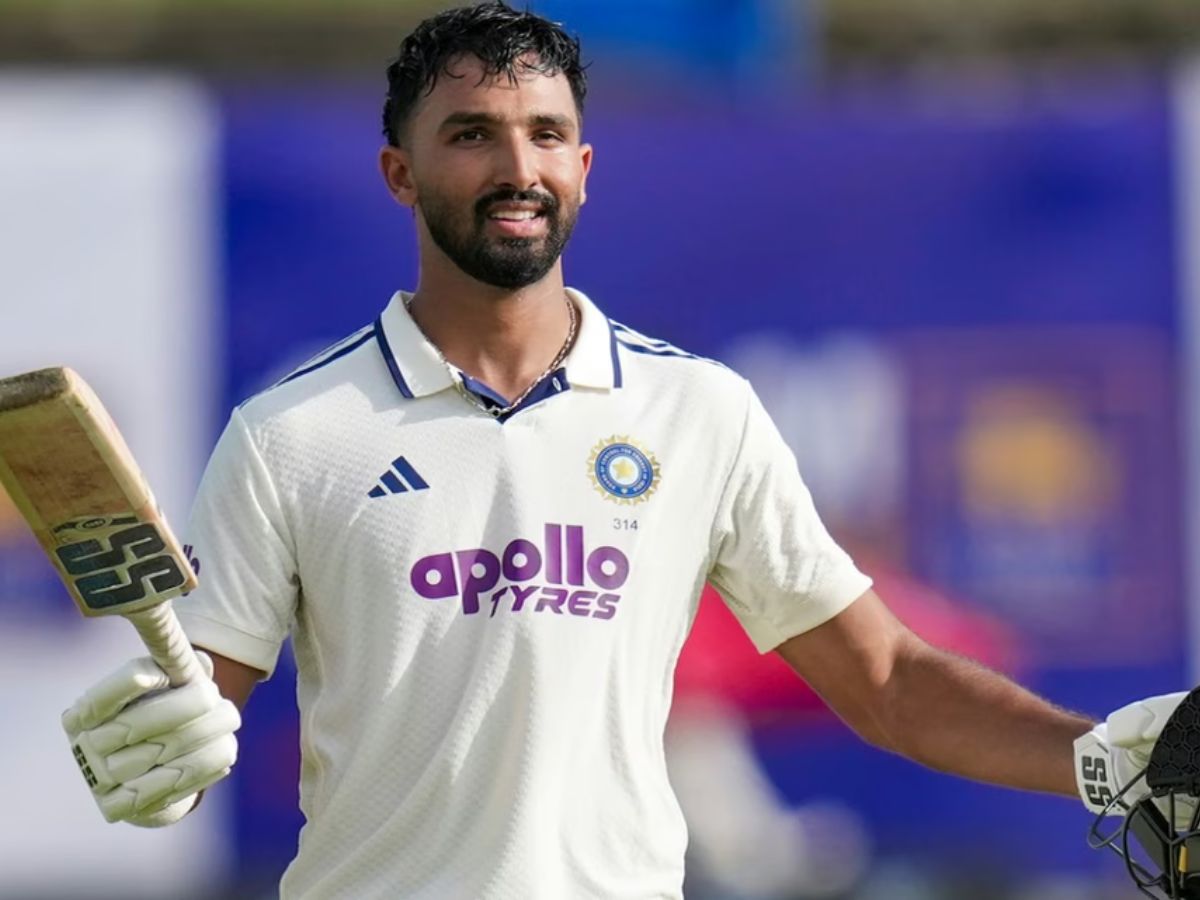
Devdutt Padikkal’s trajectory is a prime example. Having made a name for himself with impressive performances in the IPL for Royal Challengers Bangalore and later Rajasthan Royals, he honed his red-ball game in the Ranji Trophy, demonstrating patience and technique alongside his natural stroke play. His recent Test debut against Sri Lanka in Galle was nothing short of spectacular. His innings of 167 not only played a pivotal role in India’s commanding 165-run victory and securing a 1-0 series lead but also provided a timely solution to India’s long-standing search for a reliable No. 3 batsman, a position previously held by titans like Rahul Dravid and Cheteshwar Pujara. Padikkal’s ability to combine attacking intent with defensive solidity showcased the hybrid skill set that Manjrekar finds so mysterious yet effective. His success underscores a significant shift: the IPL is no longer just a separate entity but has become an integral, albeit unconventional, part of the developmental pipeline for India’s Test stars.
Supporting Data and Expert Perspectives: Unpacking the "Mystery"
While Manjrekar labels it a "mystery," a closer look at supporting data and broader cricketing insights reveals several contributing factors to this unique Indian phenomenon.
)
Statistical Trends: A New Breed of Debutants
Traditionally, Test debutants in India would often have played 50-70 first-class matches before earning their cap. However, the current generation often has fewer first-class games but significantly more high-level T20 exposure. While exact statistics comparing average first-class matches of debutants pre- and post-IPL would require extensive research, the anecdotal evidence is compelling. Youngsters are playing alongside and against international stars in the IPL, experiencing high-pressure moments, and learning to adapt quickly. This accelerated learning curve, albeit in a different format, seems to translate into a higher readiness for the international stage, even in Tests. The emphasis has shifted from sheer volume of domestic games to the quality and intensity of competitive exposure, where IPL undoubtedly plays a major role.
Furthermore, the strike rates of modern Test batsmen, even those from the IPL generation, show an interesting duality. While they can switch to an aggressive T20-like gear when needed, their ability to drop anchor and score at a traditional Test pace is equally evident. Rishabh Pant’s Test innings, for instance, often blend periods of watchful defense with explosive counter-attacks, a reflection of his multi-format upbringing.
)
Beyond Batting: The All-Round Influence
While Manjrekar’s focus was primarily on batting, the adaptation extends to bowling and fielding as well. Fast bowlers like Jasprit Bumrah and Mohammed Shami, while having strong first-class backgrounds, have refined their variations and death-bowling skills in the IPL, which indirectly aids their Test match prowess. The ability to bowl precise yorkers, slower balls, and cutters in T20s gives them a wider arsenal, even if not directly used in Tests, it fosters control and adaptability. All-rounders like Ravindra Jadeja, who excel in all three formats, showcase how multi-disciplinary skills developed across formats can lead to a more complete Test cricketer. The fielding standards, too, have seen a dramatic uplift, often attributed to the athleticism and intensity demanded by the IPL.
The Role of High-Pressure Environments
One crucial factor often overlooked is the mental conditioning derived from the IPL. Playing in front of packed stadiums, under immense media scrutiny, and alongside global superstars from a young age, prepares players for the high-stakes environment of international Test cricket. The pressure of performing in crunch situations in the IPL is arguably as intense, if not more so, than many Test match scenarios, especially for debutants. This exposure cultivates mental toughness, resilience, and the ability to perform under pressure – qualities indispensable for Test success.
)
Expert Theories: Bridging the Gap
Beyond Manjrekar’s "mystery," other cricketing experts and analysts offer theories:
- Improved Fitness Regimens: Modern cricketers are exceptionally fit. Rigorous training, advanced sports science, and professional support staff ensure players are physically capable of handling the demands of multi-format cricket. This enhanced fitness allows them to recover quicker and maintain focus for longer periods.
- Better Coaching and Analytics: The IPL brings together top coaches and analysts from around the world. Young Indian players are exposed to diverse strategies, technical insights, and data-driven analyses that were previously inaccessible. This broadens their understanding of the game and helps them adapt their techniques.
- Exposure to Diverse Bowling Attacks: In the IPL, young Indian batsmen face high-quality international fast bowlers and spinners regularly. This exposure, even in a T20 context, improves their ability to read bowlers, adapt their technique, and build confidence against top-tier opposition, which is invaluable for Test cricket.
- The Power of Adaptability: Perhaps the most significant factor is the inherent adaptability of this generation. Having grown up in a multi-format cricketing world, they are mentally conditioned to switch gears. They understand that different formats require different approaches and are trained to execute these changes quickly.
The "mystery" then, might not be an absence of explanation, but rather a complex interplay of these modern cricketing developments that Manjrekar, from a more traditional perspective, finds truly astonishing.
)
Official Responses and Player Testimonies: Validating the New Path
The success of the IPL generation in Test cricket has not gone unnoticed by the official bodies and the players themselves, shaping perspectives within the Indian cricketing ecosystem.
BCCI’s Strategic Approach
The Board of Control for Cricket in India (BCCI), while traditionally emphasizing first-class cricket, has also subtly adapted its strategy to leverage the IPL’s influence. While the Ranji Trophy remains the bedrock for Test selection, strong IPL performances often bring players into the national spotlight much quicker. The BCCI also invests heavily in India A tours, which serve as a crucial bridge for players transitioning from domestic and IPL cricket to international Tests. These tours provide exposure to overseas conditions and competitive red-ball cricket against international opposition, further refining the skills of IPL-groomed players. The board’s emphasis on creating a strong bench strength, capable of performing across formats, aligns perfectly with the multi-skilled nature of the IPL generation. While there isn’t an explicit "IPL-to-Test" pathway, the board implicitly acknowledges the league’s role in accelerating player development and readiness.
)
Team Management’s Confidence
The current Indian team management, including the captain and coaching staff, appears to have embraced this new breed of cricketers. They are not deterred by a player’s primary exposure being T20 cricket, as long as they demonstrate the fundamental skills and temperament for Tests. The selection of players like Rishabh Pant, Shubman Gill, and now Devdutt Padikkal, often ahead of more experienced first-class specialists, indicates a trust in their adaptability and match-winning abilities. The team’s philosophy seems to be that mental fortitude, quick learning, and the ability to handle pressure (qualities often honed in the IPL) are as important as traditional technique. They value players who can bring a dynamic, positive approach to Test cricket, which the IPL generation often embodies.
Players’ Perspectives: The Art of Switching Gears
The players themselves offer valuable insights into their ability to adapt. Many speak of the mental discipline required to switch formats.
)
- Rishabh Pant has often spoken about playing each ball on its merit, regardless of the format. His aggressive style, while refined for Tests, stems from a fearless mindset developed in T20s. He emphasizes confidence and backing one’s natural game.
- Shubman Gill highlights the importance of understanding the demands of each format. He practices specific drills for red-ball cricket, focusing on leaving balls and building innings, even while playing T20s. He views the IPL as an opportunity to gain experience against top bowlers, which helps in Tests.
- Devdutt Padikkal, after his Test debut century, likely would attribute his success to a combination of factors – the exposure to high-quality bowling in the IPL, the confidence gained from scoring runs, and then the conscious effort to adapt his game for red-ball cricket in domestic tournaments. The mental game of switching gears is paramount.
These testimonies suggest that while the IPL provides a platform and a certain skill set, it is the players’ innate ability to learn, adapt, and dedicate themselves to the nuances of Test cricket that ultimately drives their success. The IPL is a springboard, but the jump still requires a solid foundation built on hard work and mental acuity.
Implications: Reshaping Indian and Global Cricket
The phenomenon Manjrekar observes has far-reaching implications, not just for Indian cricket but for the global game, redefining pathways, player profiles, and the very essence of Test cricket.
)
Future of Indian Cricket: A Dynamic Force
This trend unequivocally makes India a stronger Test nation. By expanding the talent pool and fast-tracking capable players, India has developed an enviable bench strength. The ability to churn out Test-ready cricketers from a diverse developmental background means India can sustain high-level performances even with injuries or player fatigue. This adaptability ensures India remains a formidable force across all conditions, as players are exposed to varied challenges early in their careers. The emphasis on multi-format players also means a healthier balance for the national team, as cricketers can seamlessly transition between formats, reducing the need for format-specific specialists.
The traditional First-Class cricket pathway, while still vital for developing core techniques and endurance, is now complemented by the IPL. It’s no longer an ‘either/or’ situation but a ‘both/and’ scenario. The IPL acts as a finishing school for high-pressure situations and exposure, while first-class cricket provides the foundational grind. This dual pathway offers more avenues for talent identification and development, making the Indian system more robust and resilient.
)
Global Cricket Landscape: A Unique Indian Model?
While other nations also have T20 leagues, India’s IPL is unique in its scale, financial power, and the sheer volume of young domestic talent it exposes to international standards. The success of the IPL generation in Tests might be a uniquely Indian phenomenon, or at least one that India has capitalized on most effectively. Other Test-playing nations will undoubtedly observe and potentially try to replicate this model, exploring how their domestic T20 leagues can better feed their Test teams.
This evolution also challenges the long-held definition of a "Test cricketer." The archetypal Test batsman or bowler, once envisioned as a purely classical figure, is now evolving. The modern Test cricketer might possess a more aggressive streak, a wider array of shots, and a fearless attitude often associated with T20s, yet still retain the core Test virtues of patience and discipline. This blend makes Test cricket more dynamic and engaging, attracting new fans who might first discover the game through the shorter formats.
)
Challenges and Concerns: The Road Ahead
Despite the advantages, this paradigm shift is not without its challenges:
- Burnout and Injuries: Multi-format players face immense physical and mental strain. Managing workloads, preventing burnout, and mitigating injury risks will be crucial for the longevity of these players.
- Maintaining Foundational Skills: While adaptability is key, there’s a constant need to ensure that fundamental Test techniques – solid defense, leaving the ball, bowling in accurate channels for long periods – are not neglected in the pursuit of T20-style aggression. The domestic first-class structure must remain strong to ensure these basics are thoroughly ingrained.
- Over-reliance on Aggression: While aggression can be effective, an over-reliance on it without the underlying defensive technique can lead to collapses. Striking the right balance between positive intent and traditional Test match patience is an ongoing coaching challenge.
- The Sanctity of Test Cricket: There’s an underlying concern among purists about the potential erosion of Test cricket’s unique character if it becomes too influenced by the T20 template. The challenge is to evolve while preserving the strategic depth and tactical battles that define the longest format.
In conclusion, Sanjay Manjrekar’s "mystery" is a fascinating reflection of modern cricket’s evolution. It highlights a unique strength emerging from the Indian system, where the dynamism of the IPL is, somewhat paradoxically, forging resilient and adaptable Test cricketers. As India heads into the second Test against Sri Lanka in Colombo, eyeing a clean sweep and bolstering their chances for the WTC Final in June 2027, the success of players like Devdutt Padikkal underscores that this ‘IPL generation’ is not just adapting to Tests; they are actively reshaping its future, proving that the pathway to greatness is no longer a single, straight line, but a complex, multi-faceted journey. The enigma remains, but so does the undeniable success, signaling a new, exciting chapter for Indian cricket.
